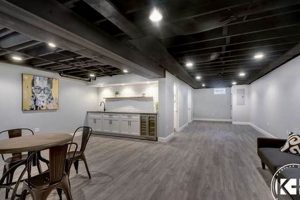
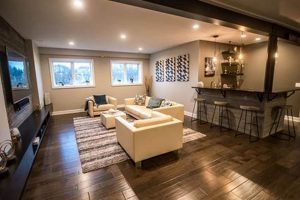
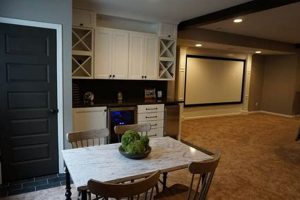
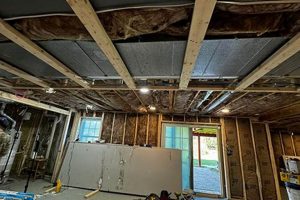
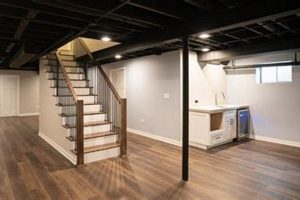
Transforming an unfinished below-ground space into a functional and aesthetically pleasing area involves a range of construction and design activities. These encompass framing, insulation, electrical and plumbing work, drywall installation, flooring, and the addition of features like lighting, built-ins, and customized layouts. The goal is to convert a previously unused or underutilized area into a habitable and valuable part of the home.
The process enhances property value, expands living space, and provides opportunities for creating specialized areas such as home theaters, gyms, offices, or guest suites. Historically, this type of project was often deferred due to perceived challenges related to moisture control, limited natural light, and complex building codes. However, advancements in building materials and techniques have made it a more accessible and desirable home improvement endeavor.
This article will explore essential considerations for successfully undertaking such a project, including planning and design, code compliance, moisture management, material selection, and cost estimation. It will also cover various design options and provide insights into common challenges and solutions associated with transforming an underground space into a comfortable and functional extension of the home.
Essential Considerations for Basement Finishing and Remodeling
The following guidance aims to assist homeowners in navigating the complexities of a project involving significant modifications to below-ground spaces. These suggestions are presented to enhance the likelihood of a successful and satisfactory outcome.
Tip 1: Prioritize a Comprehensive Design Plan: A detailed blueprint, inclusive of architectural drawings and material specifications, is crucial before commencing any physical work. This plan should address layout, egress, plumbing, electrical, and HVAC considerations to ensure compliance with building codes.
Tip 2: Implement Robust Moisture Control Measures: Addressing potential water intrusion is paramount. Apply a waterproof membrane to the exterior foundation walls, install a sump pump with battery backup, and ensure proper grading away from the foundation to minimize moisture-related problems.
Tip 3: Adhere Strictly to Local Building Codes: Familiarize yourself with all applicable codes and obtain the necessary permits before commencing construction. This includes regulations related to ceiling height, egress windows, fire separation, and electrical wiring.
Tip 4: Optimize Insulation for Energy Efficiency: Employ closed-cell spray foam insulation to provide both insulation and a vapor barrier. This approach minimizes heat loss and reduces the risk of mold growth due to condensation.
Tip 5: Plan for Adequate Lighting and Ventilation: Incorporate a combination of natural and artificial light sources to create a well-lit and comfortable environment. Install an efficient ventilation system to circulate air and reduce humidity.
Tip 6: Select Moisture-Resistant Building Materials: Utilize materials such as concrete board, vinyl flooring, and mildew-resistant drywall to mitigate the potential for water damage and mold growth.
Tip 7: Establish a Realistic Budget and Timeline: Develop a detailed budget that accounts for all project costs, including materials, labor, permits, and contingencies. Create a realistic timeline and factor in potential delays due to unforeseen issues or material shortages.
These tips highlight the importance of meticulous planning, adherence to building codes, and proactive measures to prevent moisture issues. By addressing these key areas, homeowners can increase the likelihood of a successful and long-lasting transformation.
The subsequent sections of this article will delve into specific aspects of project management, material selection, and design considerations to provide further guidance for a seamless project execution.
1. Planning

Diligent and comprehensive planning forms the cornerstone of any successful project. Its importance cannot be overstated; thorough preparation is essential for mitigating risks, controlling costs, and achieving the desired outcome. Neglecting this phase often leads to unforeseen complications, delays, and budgetary overruns.
- Spatial Layout and Functionality
The initial design phase should meticulously address the intended use and optimal spatial configuration. This includes determining the placement of walls, doorways, and utilities to maximize functionality and flow. For example, a design might incorporate a dedicated home theater area separated from a children’s play space, each requiring distinct lighting and soundproofing considerations. Careful consideration of furniture placement and traffic patterns contributes to a more usable and aesthetically pleasing environment.
- Building Code Compliance
Navigating local building codes and regulations is a critical aspect of planning. These codes dictate requirements for ceiling height, egress windows, fire safety, and electrical wiring. Non-compliance can result in costly rework, fines, and potential safety hazards. For instance, egress windows are often mandated in habitable rooms to provide a means of escape in case of emergency. Understanding and adhering to these codes from the outset prevents delays and ensures the safety of occupants.
- Budget and Resource Allocation
Developing a detailed budget and allocating resources effectively is crucial for financial control. This involves estimating the costs of materials, labor, permits, and potential contingencies. A well-defined budget prevents overspending and allows for informed decision-making throughout the project. For example, prioritizing essential structural improvements over cosmetic upgrades might be a necessary budgetary decision to ensure the long-term integrity of the space.
- Timeline and Project Management
Establishing a realistic timeline and implementing effective project management strategies are essential for keeping the project on track. This involves setting milestones, coordinating contractors, and managing material deliveries. Delays can significantly impact costs and disrupt schedules. For instance, scheduling electrical work before drywall installation ensures proper wiring and prevents unnecessary rework. A well-managed timeline helps minimize disruptions and ensures timely completion of the project.
In summary, meticulous planning encompasses various facets, from spatial design and code compliance to budget allocation and timeline management. These elements are interconnected and contribute to the overall success and value. Neglecting any one area can have cascading effects, potentially compromising the functionality, safety, and cost-effectiveness of the finished area.
2. Codes

Local building codes and regulations exert a significant influence on every aspect of projects. These legally mandated standards govern structural integrity, fire safety, energy efficiency, and accessibility, among other considerations. Failure to comply with applicable codes during the project results in legal ramifications, financial penalties, and potential safety hazards for occupants. For example, codes typically dictate minimum ceiling heights for habitable spaces, requiring adjustments to floor levels or structural modifications to meet these requirements. The scope of work must include adherence to regulations concerning electrical wiring, plumbing, and ventilation systems, all subject to inspection and approval by local authorities.
The direct impact of code requirements is observed in the specification of materials and construction techniques. Fire-resistant drywall might be mandated for wall assemblies, while egress windows with specific dimensions become necessary to provide emergency escape routes from habitable rooms. Plumbing codes dictate the proper sizing and installation of drain lines and venting systems to prevent backflow and ensure sanitation. Electrical codes govern the type and placement of wiring, outlets, and lighting fixtures to minimize fire hazards and electrical shock risks. Understanding these code requirements is essential for developing a detailed project plan and obtaining the necessary permits before commencing any construction activity.
In conclusion, adherence to local building codes represents a critical component of any renovation. It not only ensures legal compliance and occupant safety but also contributes to the long-term value and habitability of the finished space. Comprehensive knowledge of applicable codes, coupled with meticulous planning and execution, is indispensable for homeowners and contractors alike. Neglecting code compliance poses significant risks and undermines the success of the overall project.
3. Moisture Control
Effective moisture control is paramount. Failure to address water intrusion can lead to structural damage, mold growth, and compromised air quality. Water can enter basements through foundation cracks, hydrostatic pressure, or condensation. Ignoring these sources precipitates a cascade of problems impacting the longevity and habitability of the finished space. For example, untreated leaks can saturate insulation, reducing its effectiveness and creating a breeding ground for mold, necessitating costly remediation efforts and potentially affecting occupant health.
Implementation of moisture control measures involves a multi-faceted approach. Exterior strategies include proper grading of the surrounding soil to direct water away from the foundation, installation of French drains to collect and divert subsurface water, and application of waterproof coatings to the exterior foundation walls. Interior strategies encompass the use of vapor barriers, dehumidifiers, and sump pumps to manage humidity and remove accumulated water. Selecting moisture-resistant building materials, such as closed-cell spray foam insulation and inorganic flooring options, further mitigates the risk of water damage and mold growth. Real-world examples include installations where inadequate moisture barriers led to extensive drywall damage and costly renovations, highlighting the significance of proactive measures.
In summary, moisture control is an indispensable component of any successful remodeling venture. The challenges associated with water intrusion are multifaceted, requiring a comprehensive and integrated approach to mitigate risks. By prioritizing effective moisture management strategies, homeowners can safeguard their investment, ensure a healthy living environment, and enhance the long-term value of the property. Further research into specific local soil conditions and water table levels is recommended to tailor moisture control strategies to individual site characteristics.
4. Insulation
Insulation plays a pivotal role. Its primary function is to regulate heat transfer, which is essential for creating a comfortable and energy-efficient living space. Without proper insulation, the basement is prone to temperature fluctuations, leading to increased energy consumption for heating and cooling. This is due to the inherent thermal properties of concrete, which readily conducts heat. In colder climates, inadequately insulated basements experience significant heat loss, resulting in higher heating bills and a perpetually cold floor. Conversely, in warmer climates, heat infiltration from the outside can make the basement uncomfortably warm and humid, increasing air conditioning demands. Therefore, insulation directly influences the comfort and cost-effectiveness of a transformed space.
The selection of insulation materials and installation techniques has a direct impact on the success. Common insulation materials include fiberglass batts, rigid foam boards, and spray foam. Fiberglass batts, while relatively inexpensive, can be susceptible to moisture absorption, reducing their effectiveness and potentially fostering mold growth. Rigid foam boards offer better moisture resistance but require careful sealing of seams and edges to prevent air leakage. Spray foam insulation, particularly closed-cell spray foam, provides an excellent air barrier and high R-value, making it a superior choice for areas prone to moisture. Proper installation, regardless of the material chosen, is critical. Gaps or voids in insulation can create thermal bridges, negating the benefits of the insulation itself. For example, failure to properly seal the rim joist area is a common mistake that results in significant heat loss.
In summary, insulation is an indispensable component, directly impacting comfort, energy efficiency, and the long-term viability. The selection of appropriate materials and meticulous installation are paramount to realizing the full benefits. Addressing potential moisture concerns and adhering to building codes regarding insulation R-values are essential steps for creating a habitable and energy-efficient below-ground living space. The practical significance of this understanding lies in its ability to transform an otherwise cold, damp, and underutilized area into a valuable and comfortable extension of the home.
5. Lighting

Illumination is a critical element in transforming an underground space into a functional and aesthetically pleasing area. Due to the inherent lack of natural light, artificial illumination becomes the primary source of visual comfort and functionality, impacting usability and overall ambiance.
- Ambient Lighting Strategies
Ambient lighting provides overall illumination, establishing a baseline level of visibility. Recessed lighting fixtures are commonly employed, offering a clean and unobtrusive solution. Proper spacing and wattage selection are essential to ensure even distribution, avoiding harsh shadows or dimly lit areas. The strategic placement of fixtures, combined with light-colored walls and ceilings, enhances the overall brightness and perceived spaciousness. Inadequate ambient lighting can create a claustrophobic atmosphere, diminishing the usability of the area.
- Task Lighting Integration
Task lighting provides focused illumination for specific activities, such as reading, working, or crafting. Under-cabinet lighting in a bar area or desk lamps in a home office are examples. Proper task lighting reduces eye strain and enhances productivity. Adjustable fixtures allow users to customize the intensity and direction of light to suit individual needs. Insufficient task lighting can lead to discomfort and reduced efficiency in performing specific activities.
- Accent Lighting Implementation
Accent lighting highlights architectural features, artwork, or decorative elements, adding visual interest and depth. Track lighting or spotlights can be used to emphasize specific areas or objects. Accent lighting creates focal points and adds a layer of sophistication. Examples include highlighting a stone fireplace or illuminating a collection of artwork. Poorly implemented accent lighting can appear garish or distracting, detracting from the overall aesthetic appeal.
- Color Temperature Considerations
Color temperature refers to the warmth or coolness of light, measured in Kelvin (K). Warmer color temperatures (2700K-3000K) create a cozy and inviting atmosphere, while cooler color temperatures (4000K-5000K) provide a more energizing and modern feel. Selecting the appropriate color temperature depends on the intended use and desired ambiance. A combination of warm and cool lighting can be used to create visual interest and define different areas. Inconsistent or inappropriate color temperatures can create a disjointed and unappealing lighting scheme.
These illumination facets are integral to the successful transformation of an underground space. Strategic application of ambient, task, and accent lighting, combined with careful consideration of color temperature, enhances functionality, aesthetics, and overall livability. The interplay of these elements determines the ultimate success of the project, transforming what might otherwise be a dark and uninviting space into a welcoming and functional extension of the home.
6. Materials

The selection of appropriate building materials is paramount to the longevity, safety, and overall success of projects. Below-grade environments present unique challenges related to moisture, temperature fluctuations, and potential for mold growth. Materials that perform adequately in above-ground applications may be unsuitable for installations. Improper material selection can lead to structural deterioration, health hazards, and premature failure of the finished space, necessitating costly repairs or complete reconstruction. For instance, using standard drywall in areas prone to moisture intrusion will inevitably result in water damage and mold infestation, whereas moisture-resistant drywall products would significantly mitigate this risk.
The direct correlation between material selection and project outcomes can be observed in various applications. Flooring choices, such as vinyl or epoxy coatings, offer superior moisture resistance compared to carpet or wood. Closed-cell spray foam insulation provides both thermal insulation and a vapor barrier, mitigating condensation issues that can plague fiberglass insulation. Framing lumber treated with preservatives resists rot and insect infestation, ensuring the structural integrity of walls. Moreover, the use of non-organic materials for subflooring and trim further reduces the risk of mold growth. The careful consideration of material properties and their suitability for underground conditions ensures a durable and healthy living environment.
In summary, the proper selection of materials is an indispensable component of any below-grade transformation. Understanding the specific challenges posed by these environments and choosing materials accordingly is essential for achieving a successful and lasting result. Failure to prioritize appropriate materials can lead to costly and potentially hazardous consequences. Prioritizing materials with demonstrated resistance to moisture, mold, and pests is a critical investment in the long-term value and usability of the space.
7. Budget

The budgetary component represents a foundational element. Its influence permeates every decision throughout the project lifecycle. The available financial resources dictate the scope of work, the quality of materials selected, and the expertise of the contractors employed. An inadequate budget can result in compromised structural integrity, deferred moisture control measures, or substandard finishing materials, ultimately diminishing the value and long-term viability. For instance, a homeowner who underestimates costs might opt for less-experienced contractors, leading to errors and rework that increase overall expenses. Conversely, a well-defined and realistic budget allows for informed decision-making and effective resource allocation, ensuring that essential aspects such as waterproofing and structural reinforcement are adequately addressed.
The direct correlation between budgetary planning and project success manifests in several key areas. A detailed cost breakdown should encompass materials, labor, permits, inspections, and a contingency fund to address unforeseen issues. Accurate cost estimation is crucial, as underestimating expenses can lead to project delays or compromises in quality. Examples include homeowners who fail to account for the cost of egress windows or upgraded electrical panels, resulting in significant financial strain. Contingency planning, typically allocating 10-15% of the total budget, provides a financial buffer to address unexpected expenses such as hidden structural problems or unforeseen code requirements. Furthermore, exploring financing options and securing pre-approval for loans can provide clarity regarding the available financial resources and enable informed decision-making.
In summary, a realistic and well-managed budget is not merely a financial constraint; it is a strategic tool that drives informed decision-making and ensures the long-term viability and value of the project. By meticulously planning and allocating resources, homeowners can mitigate financial risks, prioritize essential aspects, and achieve a successful transformation. The practical significance of this understanding lies in its ability to empower homeowners to navigate the complexities of project management with confidence, ensuring that the finished area meets their needs and expectations without exceeding their financial capacity.
Frequently Asked Questions
The following questions address common inquiries and misconceptions surrounding the process, offering clarity and guidance for prospective homeowners.
Question 1: Is a permit required?
Permits are generally required for structural modifications, electrical work, and plumbing alterations. Consult local building authorities to ascertain specific requirements and ensure compliance.
Question 2: What is the optimal method for waterproofing a foundation?
Effective waterproofing involves a multi-faceted approach, including exterior waterproofing membranes, interior vapor barriers, and proper drainage systems. Soil conditions and hydrostatic pressure influence the specific methods employed.
Question 3: How can moisture be mitigated to prevent mold growth?
Employing moisture-resistant building materials, installing a dehumidifier, and ensuring adequate ventilation are crucial. Addressing leaks and sources of water intrusion is paramount.
Question 4: What is the recommended insulation R-value?
Insulation R-values vary based on climate zone and local building codes. Consult energy efficiency guidelines to determine the appropriate R-value for walls, floors, and ceilings.
Question 5: How can sufficient egress be ensured in a habitable room?
Egress windows must meet minimum size requirements and provide direct access to the exterior. Adherence to local building codes governing egress is mandatory.
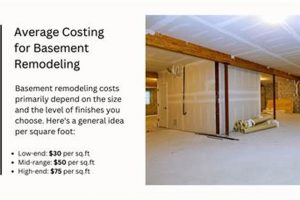
Question 6: What is the typical cost per square foot?
Cost per square foot varies significantly based on the scope of work, material selections, and local labor rates. Obtain multiple quotes from qualified contractors to develop a realistic budget.
Addressing these common questions ensures a more informed approach to undertaking projects, minimizing risks and maximizing the potential for a successful outcome.
The subsequent section of this article will delve into the long-term benefits associated with transforming a previously unused underground space into a functional extension of the home.
Conclusion
The preceding exploration of “basement finishing and remodeling” has illuminated the multifaceted considerations inherent in transforming unused underground spaces into functional extensions of the home. Planning, code compliance, moisture control, insulation, appropriate material selection, and budgetary discipline represent critical elements governing the success and longevity of such projects. Disregard for any of these factors carries significant ramifications, impacting structural integrity, occupant health, and overall property value.
While the undertaking presents inherent challenges, the potential rewards expanded living space, increased property value, and enhanced quality of life warrant careful consideration. Prospective homeowners are encouraged to diligently research local regulations, engage qualified professionals, and prioritize meticulous planning to ensure a sound investment. The transformative potential of “basement finishing and remodeling” lies not only in the creation of additional living area, but also in the realization of a more functional and valuable property asset.