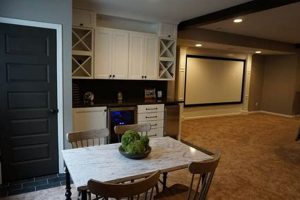
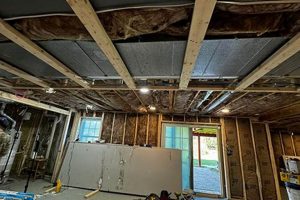
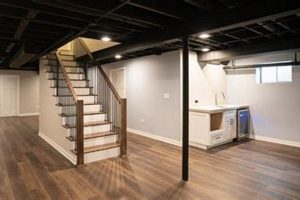
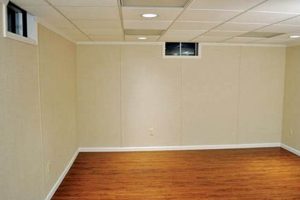
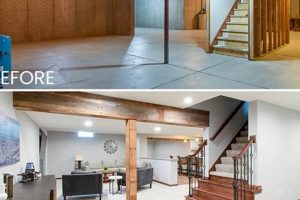
The practice of transforming unfinished below-ground spaces in Davidson County into usable living areas is a common home improvement undertaking. This process typically involves framing, insulation, electrical work, plumbing, drywall installation, and flooring to create functional rooms such as bedrooms, home theaters, or recreational areas. Example implementations in the Nashville metropolitan area range from simple storage expansions to elaborate custom-designed living spaces.
Undertaking this type of renovation can substantially increase a property’s value and provide homeowners with additional living space without the need for external construction. Historically, such projects were often undertaken for practical reasons, such as adding living quarters. Today, they frequently reflect a desire for enhanced lifestyle amenities and increased property investment. The transformation provides an efficient way to expand usable square footage within the existing footprint of the home.
The following discussion will address key considerations for homeowners contemplating such a renovation, including design options, regulatory compliance, cost factors, and contractor selection to ensure a successful project outcome within the local building environment.
Nashville Basement Finishing
Effective basement finishing requires careful planning and execution. The following tips offer guidance to homeowners navigating this process.
Tip 1: Moisture Mitigation: Prioritize addressing any existing moisture issues before commencing finishing work. Implement solutions such as interior drainage systems, sump pumps, or exterior waterproofing to prevent future problems and ensure long-term structural integrity.
Tip 2: Code Compliance: Adhere strictly to local building codes and permitting requirements. This includes egress windows, fire-rated materials, and proper electrical and plumbing installations. Consult with a qualified inspector to ensure compliance.
Tip 3: Insulation Strategy: Employ appropriate insulation materials and techniques to create a comfortable and energy-efficient living space. Consider closed-cell spray foam or rigid foam board insulation to minimize moisture infiltration and maximize thermal performance.
Tip 4: Proper Ventilation: Integrate adequate ventilation systems to maintain air quality and prevent mold growth. Options include installing exhaust fans or utilizing a dehumidifier to control humidity levels.
Tip 5: Lighting Design: Plan lighting strategically to create a well-lit and inviting environment. Incorporate a combination of ambient, task, and accent lighting to suit various activities and enhance the aesthetic appeal.
Tip 6: Flooring Selection: Choose flooring materials that are resistant to moisture and suitable for below-grade environments. Options include engineered wood, ceramic tile, or specialized basement flooring systems.
Tip 7: Professional Consultation: Engage experienced contractors and design professionals to ensure the project is completed to a high standard. Obtain multiple bids and verify credentials and insurance coverage before making a selection.
Adhering to these guidelines contributes significantly to the successful completion of a durable, comfortable, and code-compliant finished basement, enhancing the overall value and usability of the home.
These tips provide a foundation for effective basement transformation. The subsequent sections will delve into specific design elements and practical strategies.
1. Design Optimization

Design optimization within the context of basement renovations in Nashville necessitates a strategic approach to maximizing usable space while adhering to building codes and addressing inherent challenges associated with below-grade environments. Thoughtful planning is crucial for creating functional and aesthetically pleasing living areas.
- Space Planning and Layout
Efficient space planning involves determining the optimal arrangement of rooms and features within the available footprint. In Nashville, this often requires accounting for irregular basement shapes or load-bearing structures. For example, a design might incorporate a strategically placed home office nook under a stairwell to maximize otherwise unused space, or cleverly disguise support columns within a wall for an open-concept design. Attention to flow and accessibility is paramount for both functionality and resale value.
- Lighting and Ventilation Integration
Basements inherently lack natural light, making artificial lighting crucial. Design optimization prioritizes layering various light sources, including recessed lighting, task lighting, and ambient lighting, to create a welcoming and functional atmosphere. Compliance with egress window requirements is also a key factor, ensuring sufficient natural light and ventilation as well as an emergency exit. Proper ventilation systems, such as dehumidifiers and exhaust fans, become integral to the space’s health and habitability.
- Material Selection and Durability
Choosing appropriate materials is critical for long-term durability and moisture resistance in basement environments. Selecting mold-resistant drywall, waterproof flooring options (like epoxy or engineered wood), and moisture-resistant insulation materials becomes crucial. In Nashville, fluctuating humidity levels require materials that can withstand potential moisture exposure. Thoughtful selection contributes to longevity and minimizes future maintenance costs.
- Aesthetic Considerations and Personalization
Design optimization extends beyond functionality to include aesthetic elements that align with homeowner preferences and architectural style. This involves selecting color palettes, textures, and finishes that create a cohesive and inviting living space. Customization, such as incorporating built-in shelving, entertainment centers, or wine cellars, enhances the unique character of the renovated basement and its value to the homeowner.
Effective design optimization in Nashville basement finishing ensures that the renovated space not only meets functional needs but also enhances the overall value and appeal of the property. By prioritizing strategic space planning, lighting and ventilation, material selection, and aesthetic considerations, homeowners can transform underutilized basements into valuable and livable extensions of their homes.
2. Moisture Management

The relationship between moisture management and basement finishing in the Nashville area is inextricably linked, constituting a critical factor in the longevity and habitability of renovated below-ground spaces. Nashville’s climate, characterized by high humidity and fluctuating temperatures, increases the potential for moisture intrusion into basements. Without adequate moisture management strategies implemented during the finishing process, finished basements are prone to problems such as mold growth, wood rot, and structural damage to drywall and framing. The consequential negative effects include diminished air quality, health hazards for occupants, and costly remediation. A Nashville homeowner who neglected proper waterproofing during a basement finishing project, for example, experienced significant mold infestation within a year, necessitating a complete gutting and re-finishing of the space.
Effective moisture management entails a multi-faceted approach, including both preventative measures and active control systems. Waterproofing the foundation walls from the exterior, installing interior drainage systems with sump pumps, and utilizing vapor barriers on walls and floors all contribute to preventing moisture migration. Additionally, ensuring adequate ventilation through the installation of dehumidifiers or exhaust fans helps maintain a stable humidity level within the finished space. Proper grading around the foundation to direct water away from the building, alongside the use of moisture-resistant building materials, provides further mitigation. Code compliance mandates specific requirements for moisture control, which must be meticulously followed during all phases of construction.
In conclusion, moisture management is not merely an optional consideration but rather an essential component of any successful basement finishing project in Nashville. Ignoring this crucial aspect jeopardizes the investment, potentially leading to significant financial losses and compromising the health and safety of the home’s occupants. The proactive and comprehensive implementation of moisture management techniques is thus paramount for ensuring the long-term integrity and enjoyment of a finished basement in Nashville’s challenging climate.
3. Code Adherence

Code adherence is a non-negotiable component of basement finishing projects in Nashville. Local building codes dictate minimum safety standards for residential construction, encompassing structural integrity, fire safety, egress requirements, and electrical and plumbing systems. Failure to comply with these regulations not only poses significant safety risks to occupants but also exposes homeowners to legal liabilities and potential financial penalties. The Metro Codes Department of Nashville and Davidson County enforces these codes, and non-compliant renovations may be subject to stop-work orders or forced remediation. For example, improperly installed electrical wiring can create fire hazards, while inadequate egress windows may trap occupants in the event of an emergency.
The practical significance of code adherence is evident throughout the renovation process. Before commencing any work, homeowners must obtain the necessary permits, which require detailed plans and specifications demonstrating compliance with applicable codes. Inspections are conducted at various stages of construction to verify that the work meets the prescribed standards. For instance, framing inspections ensure structural soundness, while electrical inspections confirm that wiring and outlets are installed correctly and safely. These inspections serve as a safeguard against potentially dangerous oversights and ensure that the finished basement is a safe and habitable living space. Furthermore, insurance companies may deny coverage for damages resulting from code violations, underscoring the importance of compliance for long-term financial protection.
In summary, code adherence represents a fundamental responsibility for homeowners undertaking basement finishing projects in Nashville. It protects occupants from potential safety hazards, ensures the structural integrity of the renovation, and mitigates legal and financial risks. While navigating the complexities of building codes may seem daunting, seeking guidance from qualified contractors and consulting with local building officials are essential steps in achieving a compliant and successful basement transformation.
4. Cost Transparency

Cost transparency in Nashville basement finishing refers to the clear and comprehensive disclosure of all expenses associated with the project, enabling informed decision-making by homeowners. This encompasses labor, materials, permits, and any potential unforeseen costs. The absence of such transparency can lead to budget overruns, disputes between homeowners and contractors, and compromised project quality. The connection is direct: Accurate cost estimations and consistent communication regarding financial aspects are essential for a successful renovation outcome in the Nashville market. For instance, a homeowner receives an initial low bid but is later confronted with numerous unexpected charges, such as upgraded materials or unforeseen structural repairs, significantly inflating the total project cost. A lack of detailed cost breakdown from the outset creates mistrust and financial strain.
The significance of cost transparency extends beyond simply avoiding unexpected expenses. It allows homeowners to prioritize aspects of the project based on their budget constraints. For example, a detailed cost estimate may reveal that higher-quality insulation is a worthwhile investment that reduces long-term energy costs. Cost transparency also enables competitive bidding, allowing homeowners to compare quotes from multiple contractors and select the option that offers the best value for their money. Nashville residents who proactively seek detailed cost breakdowns and verify contractor references are demonstrably more likely to achieve satisfactory outcomes within their financial parameters. This proactive approach minimizes the risk of encountering unscrupulous contractors or receiving substandard workmanship due to cost-cutting measures.
In conclusion, cost transparency is a vital component of successful basement finishing in Nashville. It empowers homeowners with the information needed to make sound financial decisions, mitigate potential disputes, and ensure that their renovation project aligns with their budget and expectations. Contractors who prioritize open communication and provide detailed cost breakdowns foster trust and enhance the overall customer experience. The proactive pursuit of cost transparency ultimately contributes to a more positive and predictable renovation process for all stakeholders.
5. Contractor Expertise

The proficiency and specialized knowledge of contractors significantly impact the success of basement finishing projects in Nashville. Selecting a contractor with demonstrated experience in local building codes, moisture management strategies, and specific challenges associated with below-grade renovations is essential for achieving a durable and compliant finished space.
- Navigating Local Building Codes and Regulations
Nashville’s Metro Codes Department enforces specific regulations for basement renovations, including requirements for egress windows, fire-rated materials, and proper electrical and plumbing installations. A knowledgeable contractor possesses a thorough understanding of these codes and can ensure that the project adheres to all applicable standards, avoiding costly delays and potential safety hazards. For example, a contractor experienced in Nashville will be familiar with specific requirements for egress window well construction and their impact on flood zone compliance.
- Implementing Effective Moisture Mitigation Techniques
Given Nashville’s humid climate and propensity for heavy rainfall, moisture management is a critical aspect of basement finishing. An expert contractor will be adept at diagnosing potential moisture sources, recommending appropriate waterproofing solutions (such as exterior coatings, interior drainage systems, and sump pumps), and utilizing moisture-resistant building materials. A contractor with limited expertise may overlook these crucial steps, resulting in mold growth, structural damage, and compromised air quality.
- Managing Structural Considerations and Challenges
Basement renovations often involve unique structural challenges, such as load-bearing walls, support columns, and limited headroom. A skilled contractor can assess these challenges and develop appropriate solutions, whether it involves reinforcing existing structures, reconfiguring layouts, or utilizing specialized framing techniques. Conversely, a contractor lacking structural expertise may compromise the integrity of the building or create functional limitations within the finished space.
- Ensuring Quality Craftsmanship and Project Management
A contractor’s expertise extends beyond technical knowledge to encompass project management skills, including scheduling, budgeting, and communication. An experienced contractor will provide a detailed project timeline, manage subcontractors effectively, and maintain transparent communication with the homeowner throughout the renovation process. This ensures that the project is completed on time, within budget, and to the desired quality standards.
In conclusion, contractor expertise is a critical determinant of the success of basement finishing in Nashville. Selecting a contractor with a proven track record of code compliance, moisture management, structural proficiency, and project management skills is paramount for achieving a durable, safe, and aesthetically pleasing finished basement that enhances the value and usability of the home.
Frequently Asked Questions
The following questions address common inquiries and misconceptions surrounding below-grade space transformation projects in Davidson County.
Question 1: What is the typical cost range for completing a basement renovation in Nashville?
The cost varies significantly based on square footage, design complexity, material selection, and the extent of necessary structural modifications. A general estimate ranges from $35 to $75 per square foot for standard finishes. Custom designs or projects requiring extensive plumbing or electrical work will exceed this range.
Question 2: How long does a typical basement finishing project take to complete?
Project duration depends on the size and complexity of the renovation. A standard project may take between six to twelve weeks from initial planning to final completion. Delays can occur due to unforeseen structural issues, permitting processes, or material availability.
Question 3: Are permits required for finishing a basement in Nashville?
Yes, permits are typically required for basement renovations. The Metro Codes Department of Nashville and Davidson County mandates permits for electrical, plumbing, and structural modifications. Failure to obtain permits can result in fines and necessitate the removal of non-compliant work.
Question 4: What are the primary concerns regarding moisture in Nashville basements?
Moisture is a significant concern due to Nashville’s humid climate and the potential for groundwater infiltration. Proper waterproofing, including exterior coatings, interior drainage systems, and dehumidifiers, is essential to prevent mold growth, wood rot, and structural damage.
Question 5: What types of flooring are recommended for basements in Nashville?
Recommended flooring options include engineered wood, ceramic tile, luxury vinyl plank (LVP), and epoxy coatings. These materials are resistant to moisture and temperature fluctuations common in below-grade environments. Carpet is generally not recommended due to its susceptibility to mold and mildew.
Question 6: How can I find a reputable contractor for a basement finishing project in Nashville?
Research potential contractors thoroughly. Obtain multiple bids, verify licenses and insurance, check references, and review online ratings and reviews. Ensure the contractor has experience with basement renovations and a clear understanding of local building codes.
Prudent planning and thorough execution are vital for a successful renovation.
The subsequent sections will explore practical strategies for increasing property value through strategic renovations.
Basement Finishing Nashville
This exposition has addressed the multifaceted considerations involved in transforming unfinished below-ground spaces in the Nashville metropolitan area into functional living areas. Key points covered include the necessity of rigorous moisture management, strict adherence to local building codes, the importance of transparent cost communication, and the critical role of experienced contractors. The potential for increased property value and enhanced living space has also been thoroughly examined.
Given the complexities inherent in such projects, homeowners are strongly advised to prioritize diligent planning and thorough research before undertaking any renovation. Seeking professional guidance from qualified contractors and design professionals is paramount to ensure a successful outcome and to safeguard the long-term integrity and value of the property. A well-executed renovation can significantly enhance a home; however, inadequate preparation and execution can lead to costly and potentially hazardous consequences.