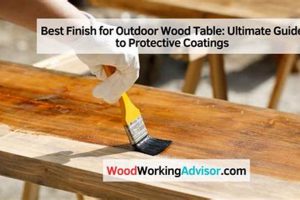
The optimal coating applied to cornhole boards protects the wood surface from environmental damage and regulates the smoothness of the playing surface. This coating directly influences gameplay by determining the slide of the cornhole bags. Examples of coatings include varnish, polyurethane, and specialized board paints.
A well-chosen and correctly applied coating enhances the durability of the cornhole boards, extending their lifespan and preserving their aesthetic appeal. Furthermore, the characteristics of the coating influence the consistency and fairness of gameplay. Historically, different materials and techniques have been employed to achieve an ideal balance between protection, appearance, and playability. The selection of a suitable coating is essential for both amateur and competitive cornhole enthusiasts.
The subsequent discussion will delve into various coating options, application techniques, and factors to consider when selecting a coating for cornhole boards. We will explore the properties of different materials, the importance of proper preparation, and the impact of environmental conditions on the longevity of the application.
Coating Application Guidance
The application of a coating to cornhole boards requires careful attention to detail to ensure both durability and optimal gameplay. The following guidance outlines key considerations for achieving a successful application.
Tip 1: Surface Preparation is Paramount: Prior to applying any coating, ensure the wood surface is smooth and free of imperfections. Sanding with progressively finer grits of sandpaper is crucial. Remove all dust and debris before proceeding.
Tip 2: Select Appropriate Coating Type: Different coating types, such as polyurethane, varnish, or specialized board paints, offer varying levels of protection and impact gameplay differently. Consider the desired balance between durability and bag slide characteristics.
Tip 3: Apply Thin, Even Coats: Multiple thin coats are preferable to a single thick coat. This prevents drips, runs, and uneven drying, resulting in a smoother and more durable finish.
Tip 4: Allow Adequate Drying Time: Follow the manufacturer’s instructions regarding drying times between coats and before use. Insufficient drying can lead to a tacky surface and compromised durability.
Tip 5: Consider Environmental Conditions: Temperature and humidity can significantly impact the curing process. Avoid applying coatings in extreme temperatures or high humidity, as this can affect the quality of the finish.
Tip 6: Use Proper Application Techniques: Employ appropriate application methods, such as spraying or brushing, depending on the coating type and desired finish. Ensure even coverage and avoid over-application.
Tip 7: Test Bag Slide After Curing: Once the coating has fully cured, test the bag slide to ensure it meets the desired playability. Adjustments may be necessary depending on the results.
Following these guidelines can lead to a durable, aesthetically pleasing, and game-enhancing coating. Proper surface preparation, coating selection, and application techniques are critical for achieving optimal results.
The next section will address troubleshooting common issues encountered during the coating application process, providing solutions for achieving a professional-grade.
1. Durability
Durability, in the context of coating cornhole boards, refers to the ability of the applied material to withstand wear and tear, impact, and environmental stressors over an extended period. The selection of a coating directly impacts the longevity and structural integrity of the board. For instance, boards exposed to frequent outdoor use require a highly durable to prevent moisture damage, UV degradation, and surface abrasions from the constant impact of cornhole bags.
The importance of durability extends beyond mere aesthetics. A coating that fails to protect the underlying wood can lead to warping, cracking, and eventual board failure. Consider the example of a board finished with a low-quality sealant; repeated exposure to rain and sunlight will quickly result in peeling, discoloration, and compromised playability. Conversely, a board coated with a high-grade polyurethane exhibits superior resistance to these elements, maintaining its structural integrity and appearance for a longer period.
Therefore, prioritizing durability when selecting a coating for cornhole boards is crucial for long-term cost-effectiveness and sustained performance. While initial cost might be a factor, the reduced need for repairs or replacements due to enhanced durability ultimately provides a greater return on investment. The integration of durable attributes into the coating is integral to achieving an exemplar, guaranteeing both protection and lasting playability of the boards.
2. Playability
Playability, in the context of cornhole boards, is directly influenced by the coating applied to the surface. The coating determines the degree of friction, thereby affecting the slide of the cornhole bags. A coating that is too rough will impede bag movement, preventing strategic slides and hindering scoring opportunities. Conversely, a surface that is too slick will result in bags sliding off the board with excessive ease, diminishing control and accuracy. A balanced coating strikes a midpoint, allowing for controlled slides and consistent gameplay. The choice of coating, therefore, fundamentally affects the playing experience.
The practical significance of playability can be observed in competitive settings. Tournaments often specify the type of coating permitted on cornhole boards to ensure fair play. For example, some regulations mandate a specific polyurethane coating with a particular gloss level to standardize bag slide. This standardization minimizes variables and emphasizes player skill. In contrast, unregulated recreational play often involves boards with varying finishes, leading to inconsistent gameplay and potential competitive imbalances. The coating impacts the ability to execute strategic shots such as blocks, airmails, and push shots. The selection of materials must be balanced against the intended usage, such as recreational, professional, or decorative purposes.
In summary, the selection of an optimal coating directly governs playability, influencing bag slide, shot control, and overall gameplay consistency. While durability and aesthetics are important factors, the impact on playability should be paramount. A compromised playability negatively impacts user experience. Understanding this connection is critical for both manufacturers and players seeking to optimize the cornhole experience, highlighting the need for thoughtful selection.
3. UV Resistance

Ultraviolet (UV) resistance is a critical characteristic of any considered for cornhole boards intended for outdoor use. Prolonged exposure to UV radiation from sunlight degrades many common coating materials, leading to discoloration, cracking, and a reduction in overall protective properties.
- Polymer Degradation
UV radiation causes the breakdown of polymer chains in many coatings, including certain types of polyurethane and varnish. This degradation manifests as a chalky surface, reduced gloss, and a weakening of the coating’s structural integrity. For example, a cornhole board finished with a non-UV-resistant varnish and left in direct sunlight for an extended period will likely exhibit significant fading and surface damage. This compromises both the aesthetic appeal and the protective function of the .
- Pigment Fading
The pigments used to color are also susceptible to UV degradation. Certain pigments fade more rapidly than others, resulting in uneven color loss and a generally unsightly appearance. Red and blue pigments are particularly prone to UV-induced fading. Consequently, a brightly colored cornhole board with a poor-quality may quickly lose its vibrancy and develop a washed-out appearance, detracting from the overall quality and visual appeal.
- Protective Additives
To combat the effects of UV radiation, some contain UV absorbers or stabilizers. These additives work by absorbing UV radiation and converting it into heat, thereby preventing it from damaging the coating itself. The effectiveness of these additives depends on their concentration and the specific chemistry of the . Therefore, selecting a that explicitly incorporates UV protection is crucial for cornhole boards that will be regularly exposed to sunlight. Boards without this UV protection tend to fade quickly, which requires recoating more frequently to keep the boards looking appealing.
- Maintenance Implications
The presence or absence of UV resistance in a directly impacts the maintenance requirements of cornhole boards. Coatings lacking UV protection will require more frequent reapplication to maintain their appearance and protective qualities. This increased maintenance translates to higher costs and more labor over the lifespan of the boards. In contrast, a UV-resistant will require less frequent maintenance, reducing the overall cost of ownership and ensuring long-term performance.
Considering these facets, UV resistance emerges as a paramount factor in selecting a suitable for cornhole boards. The choice between two otherwise similar coatings may hinge solely on their UV protection capabilities, given the significant impact on durability, aesthetics, and maintenance requirements. Integrating proper UV protective additives yields high quality boards that retain visual appeal and protective properties for extended durations.
4. Waterproof qualities

Waterproof qualities are a crucial component of the for cornhole boards, particularly those intended for outdoor use. The absence of adequate waterproofing renders the underlying wood susceptible to moisture damage, leading to warping, swelling, and eventual decay. A waterproof finish acts as a barrier, preventing water penetration and preserving the structural integrity of the board. Real-world examples demonstrate the consequence of neglecting this aspect. Boards left unprotected in humid environments or exposed to rain exhibit accelerated deterioration, significantly shortening their lifespan. Therefore, the best, by definition, must possess effective waterproof capabilities.
The implementation of waterproof qualities is achieved through the selection of specific coating materials and application techniques. Polyurethane coatings, for example, form a durable and water-resistant layer when properly applied. Multiple coats, coupled with thorough sealing of edges and seams, further enhance waterproof protection. Application method impacts the degree of resistance as well. Waterproof properties also mitigate mold and mildew growth, preventing health hazards and maintaining aesthetic appeal. Without proper application of waterproof properties boards can warp with water and mold and mildew growth can lead to serious long term health issues from prolonged exposure.
In conclusion, waterproof qualities are indispensable attributes of an optimal for cornhole boards. This factor ensures longevity, prevents structural damage, and maintains the boards’ aesthetic appeal and playability. Addressing this key consideration is vital for manufacturers and individuals seeking a durable and long-lasting product. The integration of robust waterproofing safeguards the investment, preventing premature failure and ensuring sustained performance. Thus, achieving adequate waterproof properties is not merely desirable, but necessary for any material claiming to be considered the .
5. Adhesion

Adhesion, in the context of coatings for cornhole boards, refers to the ability of the finish to bond strongly and permanently to the wood substrate. Inadequate adhesion results in peeling, flaking, and eventual coating failure, regardless of the protective properties of the finish itself. Therefore, strong adhesion is a fundamental component of the . The cause-and-effect relationship is clear: poor adhesion leads to premature deterioration, negating the benefits of even the most durable or waterproof coatings. For instance, a high-quality polyurethane applied to a poorly prepared surface will invariably fail due to inadequate bonding, rendering the coating ineffective.
Surface preparation is paramount in achieving optimal adhesion. Sanding, cleaning, and priming are essential steps that create a suitable surface for the finish to grip. The selection of compatible coating systems, including primers specifically designed for the chosen finish, further enhances adhesion. Consider the example of applying a water-based finish over an oil-based primer without proper preparation; the resulting adhesion will be compromised, leading to delamination. Practical applications involve meticulous adherence to manufacturer instructions regarding surface preparation and application techniques. Proper adhesion prevents cracking and safeguards the integrity of the wood for extended periods.
In summary, adhesion is not merely a desirable attribute but a prerequisite for the . Without robust adhesion, any coating, regardless of its other qualities, is destined to fail. Surface preparation, compatible coating systems, and adherence to manufacturer guidelines are critical for achieving optimal adhesion and ensuring the long-term performance of the . Understanding the importance of adhesion and implementing appropriate measures is essential for creating durable, long-lasting cornhole boards. By ensuring good adhesion this leads to greater life-span of the board with better and continued performance.
6. Smoothness

Smoothness is a critical parameter in determining the for cornhole boards, directly influencing gameplay and overall user experience. The surface texture dictates the predictability and consistency of bag slide, affecting scoring accuracy and strategic play. Deviation from an ideal smoothness level impacts the controlled friction necessary for successful cornhole gameplay.
- Bag Slide Consistency
The uniformity of the playing surface is paramount. Variations in smoothness, such as raised imperfections or uneven application, create inconsistent bag trajectories. Example: A board with inconsistent smoothness may cause a bag to unexpectedly veer off course, thereby hindering a player’s ability to execute controlled slides or blocks. This inconsistency compromises fair play and diminishes the user’s enjoyment of the game.
- Optimal Friction Coefficient
The aims to achieve a balanced friction coefficientneither too slippery nor too sticky. Excessively smooth surfaces reduce control, causing bags to slide off the board too easily. Surfaces lacking smoothness impede bag movement, preventing effective slides. The balance is often achieved through specific application techniques or the addition of texturing agents. For instance, the addition of polymers influences traction and improves user control.
- Effect on Trick Shots
Smoothness is essential for executing advanced cornhole techniques, such as push shots and airmails. A consistently smooth surface allows for predictable bag behavior, enabling players to accurately control bag speed and trajectory. A surface lacking in smoothness may cause the bag to grip unevenly, disrupting the intended shot. Smoothness allows for greater precision.
- Visual Appeal and Maintenance
A surface is not only conducive to better gameplay but also contributes to the board’s visual appeal. Smooth surfaces are easier to clean and maintain, preventing dirt and debris from accumulating. Rough, uneven surfaces trap particles, detracting from the board’s appearance and potentially affecting bag slide. A smooth surface ensures the board retains its aesthetic quality over time.
These considerations underscore the integral role of smoothness in achieving the desired characteristics of the . A balance between friction and visual appeal is essential to create an optimal gaming experience. Achieving this balance is instrumental in the construction of high-quality cornhole boards.
Frequently Asked Questions About Coatings for Cornhole Boards
This section addresses common inquiries regarding coatings for cornhole boards, providing concise and informative answers to assist in selection and application.
Question 1: What constitutes the optimal protection for cornhole boards?
The optimal protection safeguards against moisture, UV radiation, and physical abrasion, extending the lifespan and maintaining the aesthetic appeal of the boards. Specific coating characteristics should be determined based on boards’ planned utilization patterns, specifically indoor, outdoor, or both.
Question 2: How does coating selection impact cornhole bag slide?
Coating materials and application techniques directly influence the coefficient of friction on the board surface. A balance between smoothness and grip is essential for consistent and controlled bag movement. The coating must provide the right surface friction to minimize erratic bag sliding behavior.
Question 3: Is a specialized coating type necessary for cornhole boards?
While general-purpose finishes may offer some protection, coatings formulated specifically for cornhole boards provide enhanced durability, UV resistance, and optimized bag slide characteristics. Specialized coatings can contribute to longer lasting boards and better game play.
Question 4: How frequently should cornhole boards be recoated?
Recoating frequency depends on usage intensity, environmental conditions, and the quality of the initial coating. Regular inspection for wear and tear is recommended, with recoating performed when the existing finish shows signs of degradation. Preventative measures are more effective than corrective ones.
Question 5: Can cornhole board coatings be repaired?
Minor scratches and imperfections can often be repaired with spot treatments or light sanding and recoating. Extensive damage may necessitate complete removal of the existing finish and reapplication of a fresh coating system. Consult experts for optimal outcomes.
Question 6: What factors should be considered when applying a coating?
Environmental conditions, surface preparation, application technique, and proper drying times are critical factors. Adhering to manufacturer guidelines and utilizing appropriate equipment are essential for achieving a durable and aesthetically pleasing coating. Take steps to ensure success by performing research or consulting professionals.
Selecting the appropriate coating for cornhole boards demands careful consideration of protective requirements, playability characteristics, and environmental factors. Proper application and maintenance practices are crucial for maximizing the lifespan and performance of the boards.
The subsequent section will elaborate on specific coating materials and application methods relevant to cornhole board finishing.
Conclusion
The preceding analysis has explored various aspects of the . Critical factors such as durability, playability, UV resistance, waterproof qualities, adhesion, and smoothness have been examined in detail. Understanding these elements is paramount for achieving a coating that optimizes both the performance and longevity of cornhole boards. The selection process should consider the intended use environment, desired playing characteristics, and maintenance requirements.
The pursuit of the for cornhole boards remains an ongoing process. Continued advancements in coating technology and application techniques will likely yield further improvements in board performance and durability. A thorough evaluation of coating options, coupled with meticulous preparation and application, is essential for maximizing the value and enjoyment derived from cornhole boards. Investing in quality materials and proven methods is a prudent strategy for ensuring long-term satisfaction.

![Best 3D Print Finishing Tools Kit: [Your Brand/Shop] | Best Final Touch: Elevate Your Projects with Professional Finishing](https://bestfinaltouch.com/wp-content/uploads/2026/05/th-495-300x200.jpg "Best 3D Print Finishing Tools Kit: [Your Brand/Shop] Best Final Touch: Elevate Your Projects with Professional Finishing")