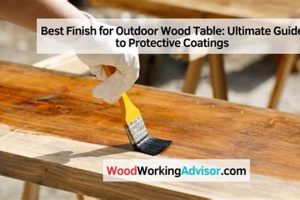
Selecting an optimal protective coating for outdoor wooden furniture is crucial for its longevity and aesthetic appeal. These coatings act as a barrier against environmental stressors, preventing damage from moisture, sunlight, and temperature fluctuations. For instance, applying a quality sealant extends the lifespan of teak chairs and tables, safeguarding them from warping, cracking, and discoloration.
Employing a suitable coating provides significant benefits, ranging from reducing maintenance requirements to preserving the wood’s natural beauty. Historically, various oils and varnishes have been used, each offering different levels of protection and requiring periodic reapplication. Choosing the right product ensures that outdoor furniture remains both functional and visually pleasing for years to come.
The subsequent sections will explore different types of coatings available, their respective advantages and disadvantages, and factors to consider when making a selection to ensure furniture endures the elements.
Enhancing and Protecting Wood Patio Furniture
Maximizing the service life of wood patio furniture hinges on proper surface treatment. The following guidance offers measures to ensure resilience against environmental factors.
Tip 1: Select an appropriate product type. Oil-based treatments penetrate the wood, offering protection from within. Conversely, film-forming options, such as varnishes and paints, create a surface barrier. The choice depends on the wood species and desired aesthetic.
Tip 2: Ensure thorough surface preparation. Remove any existing coatings, dirt, or mildew. Sand the wood to create a smooth, even surface. This allows the new product to properly adhere.
Tip 3: Apply multiple thin coats. Several thin layers provide more uniform protection than a single thick layer. Allow each coat to dry completely before applying the next.
Tip 4: Consider UV protection. Sunlight degrades wood and coatings. Choose products that contain UV inhibitors to minimize fading and cracking.
Tip 5: Pay attention to end grain. The end grain of wood absorbs moisture more readily. Apply extra coats to these areas to prevent water damage.
Tip 6: Allow adequate drying time. Full curing of the finish is essential for optimal protection. Follow the manufacturer’s recommendations for drying times between coats and before placing the furniture in service.
Tip 7: Implement regular maintenance. Inspect the furniture periodically for signs of wear. Reapply the product as needed to maintain its protective qualities.
Adhering to these guidelines contributes to the long-term durability and aesthetic appeal of outdoor wooden furniture.
The subsequent section will provide a comparative analysis of specific products and their application techniques.
1. Durability

The selection of a protective coating for outdoor wooden furniture is fundamentally linked to its expected lifespan, with durability serving as a critical performance indicator. A coating’s ability to withstand environmental stressors directly influences the furniture’s resistance to wear and tear, thereby determining its long-term functionality and appearance. For example, a finish lacking robust resistance to abrasion will exhibit premature degradation, necessitating frequent repairs or replacement.
The connection between coating durability and furniture longevity is evident in scenarios where inadequate protection leads to wood rot, insect infestation, or structural failure. Conversely, a high-performance coating, capable of withstanding moisture, UV radiation, and temperature fluctuations, significantly extends the furniture’s service life. Consider marine-grade varnishes applied to outdoor furniture in coastal environments; these coatings are formulated to resist the corrosive effects of salt air and water, demonstrating the practical importance of selecting a durable finish.
In summary, the durability of a protective coating is paramount for outdoor wooden furniture, dictating its ability to withstand environmental challenges and maintain structural integrity over time. Selecting a finish that prioritizes durability represents a strategic investment in the furniture’s long-term performance and aesthetic appeal. The key challenge lies in identifying coatings that offer both high durability and compatibility with the specific wood species and intended usage conditions.
2. UV Resistance
Ultraviolet (UV) radiation from sunlight presents a significant threat to outdoor wooden furniture. Prolonged exposure leads to degradation of the wood’s lignin, the structural polymer responsible for its rigidity and color. This degradation manifests as fading, discoloration, surface checking, and, eventually, structural weakening. Protective coatings with effective UV resistance mitigate these effects by absorbing or reflecting UV radiation, preventing it from reaching and damaging the wood. Therefore, UV resistance is a crucial component of any optimal treatment, contributing directly to the furniture’s longevity and aesthetic preservation. Consider, for example, a wooden bench left untreated; within a single season, it will likely exhibit noticeable fading and surface cracking, compared to a similar bench treated with a UV-resistant coating that maintains its original color and structural integrity for multiple seasons.
Formulations achieving high UV resistance typically incorporate UV absorbers or UV stabilizers. UV absorbers function by absorbing high-energy UV radiation and converting it into lower-energy heat, which is then dissipated. UV stabilizers, on the other hand, inhibit the chemical reactions initiated by UV radiation, thereby preventing the breakdown of the coating and the underlying wood. The efficacy of a given finish depends on the concentration and type of UV additives, as well as the overall composition of the coating. Furthermore, darker-tinted coatings often provide enhanced UV protection compared to clear or lightly tinted options due to the increased absorption of UV radiation. Applying multiple coats can also improve UV protection.
In summary, UV resistance is an indispensable characteristic of coatings designed for outdoor wooden furniture. Without adequate UV protection, even the most durable and water-repellent finish will ultimately fail to prevent the harmful effects of sunlight, leading to premature degradation and reduced lifespan of the furniture. Selecting a finish with proven UV resistance represents a proactive measure to preserve the furniture’s appearance, structural integrity, and overall value, aligning directly with the goals of informed maintenance and long-term sustainability. The ongoing challenge lies in developing coatings that offer both exceptional UV resistance and environmental compatibility, minimizing the use of potentially harmful chemicals while maximizing protection.
3. Water Repellency

Water repellency constitutes a fundamental attribute of any protective coating applied to outdoor wooden furniture. Its significance stems from the detrimental effects of moisture exposure on wood, which can lead to swelling, warping, cracking, and the proliferation of decay-causing organisms. Consequently, the capacity of a coating to effectively repel water directly influences the furniture’s durability, longevity, and aesthetic appeal.
- Prevention of Wood Decay
The primary function of water repellency is to prevent water from penetrating the wood’s cellular structure. Excessive moisture creates an environment conducive to fungal growth and wood rot, significantly compromising the wood’s structural integrity. Water-repellent coatings act as a barrier, minimizing moisture absorption and thereby inhibiting the onset of decay. For instance, decks built with pressure-treated wood and subsequently coated with a water-repellent sealant exhibit a markedly extended lifespan compared to untreated decks exposed to similar environmental conditions.
- Minimization of Dimensional Changes
Wood is hygroscopic, meaning it absorbs and releases moisture from the surrounding environment. This process leads to dimensional changes swelling when wet and shrinking when dry which can cause stress, cracking, and joint failure in furniture. Water-repellent coatings reduce the rate and extent of these dimensional changes by limiting moisture uptake. Outdoor chairs exposed to fluctuating humidity levels are less prone to warping and joint separation when treated with a water-repellent finish.
- Protection Against Staining and Mildew
Water penetration can carry dirt, pollutants, and mildew spores into the wood, leading to unsightly staining and discoloration. Water-repellent finishes prevent these substances from being absorbed, preserving the wood’s natural appearance. A tabletop coated with a water-repellent varnish will resist water rings and spills more effectively than an untreated surface, maintaining its aesthetic quality over time.
- Enhancement of Coating Adhesion
When water penetrates the wood beneath a coating, it can undermine the adhesion of the coating itself, leading to blistering, peeling, and premature failure. Water-repellent finishes promote better coating adhesion by keeping the wood dry and stable. An improperly sealed wooden surface is far more prone to coating failure than a surface adequately treated with water-repellent products.
The interplay between water repellency and coating performance underscores the critical role it plays in safeguarding outdoor wooden furniture. Selecting a product with high water-repellent properties represents a strategic investment in the furniture’s long-term preservation, ensuring it remains both structurally sound and visually appealing despite exposure to environmental moisture.
4. Ease of Application

The relationship between ease of application and an optimal protective coating is a practical determinant in furniture preservation. A product that is difficult to apply, regardless of its protective qualities, may result in inconsistent coverage, extended project timelines, and ultimately, a compromised outcome. Therefore, the application process becomes a critical factor in determining a suitable coating. A varnish requiring specialized equipment or extensive surface preparation may deter individuals, potentially leading to substandard results or project abandonment. Conversely, a user-friendly, water-based sealant that can be applied with basic tools and minimal preparation promotes proper application and increased adherence to maintenance schedules.
Examples of this interplay abound in real-world scenarios. An oil-based stain needing multiple coats, long drying times, and meticulous sanding between applications presents a significant time investment. This complexity can lead to errors, such as uneven application or inadequate curing, ultimately diminishing the coating’s protective capabilities and aesthetic appeal. In contrast, a one-coat, self-leveling acrylic product simplifies the process, reducing the likelihood of errors and encouraging proper application. This user-friendliness translates directly to enhanced protection and improved furniture longevity. Furthermore, products with readily available instructions and support resources enable even inexperienced users to achieve professional-grade results.
In summary, ease of application is not merely a convenience; it is an integral component of an optimal protective coating. A straightforward application process promotes consistent coverage, reduces the risk of errors, and encourages adherence to maintenance schedules, thereby maximizing the coating’s protective benefits and extending the furniture’s lifespan. While durability, UV resistance, and water repellency are critical performance metrics, the application process can significantly influence the realization of these benefits. The selection process should, therefore, consider both the inherent qualities of the coating and the practicality of its application.
5. Maintenance Needs

The selection of an appropriate finish dictates the long-term upkeep requirements for outdoor wooden furniture. Coatings with demanding maintenance routines can inadvertently lead to neglect, diminishing their protective qualities and compromising the furniture’s lifespan. Therefore, understanding the maintenance implications of each type is crucial for a sustainable preservation strategy.
- Reapplication Frequency
Certain finishes, particularly penetrating oils, necessitate frequent reapplication to maintain optimal protection. The frequency is contingent upon the wood type, climate, and exposure to sunlight and moisture. Neglecting the prescribed reapplication schedule can result in diminished water repellency, increased UV damage, and ultimately, accelerated wood degradation. For example, a teak oil finish on a patio table may require reapplication every 3-6 months in a sunny, humid environment, while a film-forming varnish might last a year or more.
- Cleaning Protocols
Different finishes demand specific cleaning protocols to prevent damage and preserve their integrity. Abrasive cleaners can scratch or dull the surface of certain varnishes, while harsh chemicals can dissolve or weaken penetrating oils. Selecting a finish that aligns with available cleaning resources is essential. Furniture finished with a durable, scrubbable paint may withstand more aggressive cleaning than furniture treated with a delicate wax.
- Repair Requirements
The ease with which a finish can be repaired or touched up is a significant factor in long-term maintenance. A finish that cracks or peels readily may require extensive sanding and refinishing to restore its protective qualities. Products that allow for localized repairs minimize the time and effort required to maintain the furniture’s appearance and structural integrity. For example, a chipped or scratched polyurethane coating might require a complete stripping and refinishing, whereas a similar imperfection on an oil-based finish can often be addressed with a simple spot treatment.
- Surface Preparation Demands
The level of surface preparation required before reapplication or repair contributes to the overall maintenance burden. Some finishes require extensive sanding to ensure proper adhesion, while others can be applied directly over a cleaned surface. Finishes with minimal surface preparation demands streamline the maintenance process, encouraging regular upkeep. Reapplying a spar varnish typically involves meticulous sanding to create a uniform surface, whereas reapplying a penetrating oil often requires only a thorough cleaning.
The aforementioned factors highlight the strong correlation between maintenance demands and the long-term viability of a coating. Selecting a “best finish for wood patio furniture” necessitates a comprehensive evaluation of its maintenance requirements, aligning them with the resources and commitment available to ensure sustained protection and prolonged furniture lifespan.
6. Aesthetic Qualities

The selection of a protective coating significantly influences the visual appeal of outdoor wooden furniture. The chosen finish not only protects the wood but also dictates its color, sheen, and overall texture. Therefore, aesthetic considerations are paramount in the decision-making process.
- Color Enhancement or Alteration
Certain coatings enhance the wood’s natural color, accentuating its grain patterns and depth. Others alter the color, either subtly or dramatically, to complement surrounding environments or personal preferences. Transparent finishes allow the wood’s original hue to shine through, while pigmented stains introduce new colors. The selection determines whether the furniture blends harmoniously or serves as a focal point in the outdoor space.
- Sheen Level and Light Reflection
The sheen level of a finish, ranging from matte to high gloss, affects how light interacts with the furniture’s surface. Matte finishes diffuse light, creating a soft, natural appearance, while glossy finishes reflect light, adding a sense of vibrancy and depth. The selection must align with the desired ambiance and the surrounding landscape. A high-gloss finish may appear too reflective in a brightly lit setting, while a matte finish may lack visual interest in a shaded area.
- Texture and Surface Feel
The texture of a finish influences the tactile experience of the furniture. Some finishes create a smooth, even surface, while others retain or enhance the wood’s natural texture. The selection should consider both aesthetic appeal and comfort. A rough, textured finish may add visual interest but could prove uncomfortable to the touch, while a smooth finish may prioritize comfort over visual distinction.
- Grain Definition and Clarity
A quality coating enhances the wood grain, highlighting its unique patterns and character. The coating should penetrate the wood effectively, accentuating its natural beauty without obscuring or distorting its features. Finishes that obscure the grain diminish the wood’s intrinsic value, while those that enhance it add depth and visual interest.
These elements combine to determine the overall aesthetic impact of outdoor wooden furniture. The “best finish for wood patio furniture” is one that not only provides robust protection but also aligns with the desired visual style, enhancing the natural beauty of the wood and complementing the surrounding environment. The challenge lies in striking a balance between protective qualities and aesthetic preferences, ensuring that the furniture remains both durable and visually appealing for years to come.
7. Wood Type
The selection of an optimal protective coating is inextricably linked to the wood species used in the construction of outdoor furniture. Wood type directly influences the absorption characteristics, dimensional stability, and susceptibility to decay, thereby dictating the necessary properties of the protective finish. Certain species, such as teak and cedar, contain natural oils that provide inherent resistance to moisture and insects, requiring coatings that complement rather than impede these natural defenses. Conversely, softer woods like pine are more porous and prone to water damage, necessitating finishes that provide a robust barrier against moisture penetration and UV degradation. Failure to account for the wood species can result in premature coating failure, wood rot, and ultimately, a reduced lifespan for the furniture.
Real-world examples illustrate this connection. Teak, prized for its natural weather resistance, often benefits from penetrating oils that enhance its existing properties without creating a film on the surface. Film-forming finishes, like varnishes, may not adhere well to teak due to its oily nature. Conversely, pressure-treated pine, commonly used in outdoor construction, requires coatings specifically formulated to protect it from moisture and UV radiation, often involving primers and sealants before the application of paint or stain. Similarly, redwood, known for its natural color and resistance to decay, may benefit from clear sealants that preserve its appearance while providing additional protection. Each scenario underscores the importance of tailoring the finish to the specific characteristics of the wood.
In conclusion, the selection of a protective coating for outdoor wooden furniture must prioritize the identification of the wood species. Understanding the wood’s inherent properties, such as oil content, density, and porosity, is crucial for selecting a finish that provides optimal protection and aesthetic enhancement. Overlooking this fundamental factor can negate the benefits of even the highest-quality coatings, leading to premature furniture failure and increased maintenance costs. The challenge lies in matching the finish’s properties to the wood’s characteristics, creating a synergistic effect that maximizes durability and longevity.
Frequently Asked Questions
The following section addresses common inquiries regarding the selection and application of protective coatings for outdoor wooden furniture. The objective is to provide clear, concise information to assist in making informed decisions about furniture preservation.
Question 1: What constitutes the primary purpose of a protective finish on outdoor wooden furniture?
The primary purpose is to shield the wood from environmental stressors, including moisture, ultraviolet (UV) radiation, temperature fluctuations, and biological agents. This protection extends the furniture’s lifespan, maintains its structural integrity, and preserves its aesthetic qualities.
Question 2: How does the choice of wood species influence the selection of a protective coating?
Different wood species possess varying levels of natural resistance to decay, moisture absorption, and UV damage. Hardwoods, like teak, often require coatings that enhance their existing properties, while softwoods, such as pine, typically necessitate more robust protection against environmental elements. The finish must align with the specific characteristics of the wood.
Question 3: What are the key differences between oil-based and water-based finishes for outdoor wooden furniture?
Oil-based finishes tend to penetrate the wood, providing protection from within and often enhancing the wood’s natural color. Water-based finishes typically form a protective film on the surface, offering good UV resistance and lower VOC emissions. The choice depends on the desired aesthetic, the wood species, and environmental considerations.
Question 4: How frequently should protective coatings be reapplied to outdoor wooden furniture?
Reapplication frequency varies depending on the type of finish, the wood species, and the environmental conditions. Penetrating oils may require reapplication every few months, while film-forming finishes can last a year or more. Regular inspection for signs of wear or degradation is crucial for determining the appropriate reapplication schedule.
Question 5: What measures are recommended for preparing outdoor wooden furniture before applying a protective coating?
Proper surface preparation involves cleaning the wood to remove dirt, mildew, and any existing coatings. Sanding the surface creates a smooth, even substrate for optimal adhesion. Any necessary repairs to the wood should be completed before applying the finish.
Question 6: What are the potential consequences of neglecting to properly maintain protective coatings on outdoor wooden furniture?
Failure to maintain protective coatings can lead to wood rot, insect infestation, discoloration, cracking, and ultimately, structural failure. Regular maintenance extends the furniture’s lifespan and preserves its aesthetic qualities, preventing costly repairs or replacements.
In summary, proper selection and maintenance of protective coatings are essential for preserving outdoor wooden furniture. Careful consideration of wood species, finish type, and environmental conditions is crucial for achieving optimal protection and long-term durability.
The following section will delve into specific product recommendations and application techniques.
Concluding Remarks
The preceding discussion has examined the critical factors influencing the selection of a protective coating for outdoor wooden furniture. Considerations such as durability, UV resistance, water repellency, ease of application, maintenance needs, aesthetic qualities, and wood type collectively determine the long-term performance and visual appeal. No single coating universally excels; the ideal choice is contingent upon the specific demands of the furniture and its environment. Prioritizing a thorough assessment of these factors ensures a well-informed decision.
Ultimately, the selection of the “best finish for wood patio furniture” represents a commitment to preservation and longevity. Thoughtful consideration of the discussed parameters not only safeguards the investment but also enhances the enjoyment of outdoor spaces for years to come. Continued advancements in coating technology promise even more effective and environmentally conscious solutions, warranting ongoing evaluation and adaptation in preservation strategies.