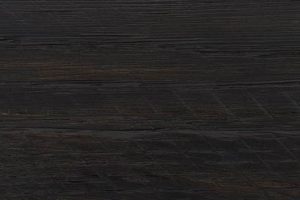
The treatment of lumber using high heat to create a darkened, textured surface yields a unique aesthetic and protective layer. This process involves carefully burning the exterior, halting the combustion at a specific point to achieve a desired level of charring. The result is a visually distinctive surface, often exhibiting deep blacks and textures ranging from subtle to dramatic, depending on the wood type and duration of the burning process. For example, applying a flame to cedar siding transforms its appearance, enhancing its natural grain while providing a layer of carbonized protection.
This method offers several advantages. The carbonized outer layer acts as a natural protectant against insects, decay, and even fire, enhancing the longevity of the material. Historically, this technique, known in Japan as Shou Sugi Ban, was employed to preserve wood siding. Beyond preservation, the process contributes to a striking visual appeal, making it a popular choice in modern architecture and design, offering both durability and a distinct visual character.
Therefore, understanding the nuances of this technique is crucial for professionals involved in construction, design, and woodworking. Subsequent sections will delve into specific applications, techniques for achieving the desired effect, and considerations for maintaining these uniquely treated surfaces.
Charred Wood Finish
Achieving a quality result requires careful attention to detail and adherence to established best practices. The following tips offer guidance for professionals seeking to incorporate this technique into their projects.
Tip 1: Wood Selection. The type of lumber used significantly impacts the final aesthetic and performance. Softwoods like cedar and pine are commonly chosen due to their consistent grain and ease of charring. However, hardwoods such as oak or ash can also be utilized, albeit with potentially different results and requiring adjustments to the burning process.
Tip 2: Controlled Burning Environment. The environment in which the burning takes place must be carefully managed. Open-air burning presents significant safety risks and inconsistent results. A controlled environment, such as a purpose-built charring chamber or using appropriate torch equipment, allows for precise control over the charring process and minimizes the risk of unintended fires.
Tip 3: Monitoring Char Depth. Constant monitoring of the char depth is critical. Excessive burning weakens the material, while insufficient charring fails to provide adequate protection. Implement a system for regularly assessing the depth of the char, using tools such as calipers or visual inspection guides.
Tip 4: Cooling and Brushing. Once the desired char depth is achieved, the lumber must be cooled rapidly to halt the burning process. Water quenching is a common method, followed by thorough brushing to remove loose char and reveal the underlying texture. The brushing process also consolidates the remaining carbon layer, enhancing its protective properties.
Tip 5: Sealing. Applying a sealant is crucial for long-term preservation. Select a sealant compatible with charred surfaces. Some sealants may darken the finish further, while others preserve the existing color and texture. Consider the desired final appearance and environmental exposure when choosing a sealant.
Tip 6: Safety Precautions. Working with fire presents inherent risks. Always wear appropriate safety gear, including fire-resistant clothing, gloves, and eye protection. Ensure adequate ventilation to avoid inhaling smoke and fumes. Have fire suppression equipment readily available.
Tip 7: Testing and Experimentation. Before applying to a large-scale project, conduct thorough testing on sample pieces. Experiment with different wood types, burning techniques, and sealants to achieve the desired result and establish a reliable process.
These guidelines emphasize the importance of preparation, precision, and safety in the application of this technique. Adhering to these recommendations will contribute to a durable, aesthetically pleasing, and safe outcome.
By incorporating these tips into your workflow, a high-quality and visually striking outcome can be achieved. The subsequent sections will explore case studies and advanced applications, providing further insight into the potential of this technique.
1. Aesthetic Appeal

The aesthetic dimension of lumber treated with high heat holds significant importance in contemporary design. The visual impact of the material stems from the dramatic transformation of the wood’s surface. The process accentuates the inherent grain patterns, rendering them more pronounced and visually engaging. Coloration shifts towards darker hues, ranging from deep browns to charcoal blacks, offering a sophisticated alternative to conventional wood finishes. The textural element, varying from subtle undulations to deeply furrowed surfaces, contributes to the overall tactile and visual richness. For example, in modern residential architecture, charred siding provides a striking contrast against lighter-colored building materials, creating a visually dynamic facade. The unique aesthetic transforms ordinary structures into statement pieces, enhancing their perceived value and design appeal.
The application of this technique also transcends mere visual enhancement; it embodies a commitment to sustainable design principles. By utilizing a natural process to achieve both aesthetic and protective properties, architects and designers can reduce reliance on synthetic coatings and chemical treatments. This aligns with growing consumer demand for eco-conscious building materials. Furthermore, the distinctive aesthetic lends itself to a wide range of applications, from exterior siding and fencing to interior wall paneling and furniture design. The flexibility and adaptability of the technique contribute to its increasing popularity across various design disciplines. For instance, in commercial spaces, charred wood accents create a warm and inviting atmosphere, while in minimalist settings, the dramatic contrast adds a touch of raw, organic elegance.
In summary, the visual aspect plays a crucial role in the adoption and appreciation of heat-treated wood. The technique transforms ordinary lumber into a visually captivating material, offering a unique blend of natural beauty and modern sophistication. Recognizing the aesthetic implications, from color and texture variations to the interplay with other design elements, is essential for effectively integrating this material into architectural and design projects. Understanding the visual properties helps to make informed decisions, ensuring that the finished product aligns with the desired aesthetic goals and enhances the overall design intent.
2. Wood Type

The selection of timber exerts a significant influence on the outcome of heat treatments. The inherent properties of different species, including density, resin content, and grain structure, dictate how the material responds to the high-heat process and ultimately affects the final appearance and performance. Softwoods, such as cedar and pine, possess a relatively low density and high resin content, leading to rapid and even charring. This characteristic makes them well-suited for applications where a consistent, deeply blackened surface is desired. For example, cedar siding, commonly treated via the Shou Sugi Ban method, benefits from the even charring, creating a uniform protective layer. Conversely, hardwoods like oak and maple, known for their high density and tight grain, exhibit a slower and less uniform charring pattern. The resulting texture is typically less pronounced, with variations in color and depth of char across the surface.
The practical significance of understanding the relationship between wood type and this finish lies in optimizing the treatment process for specific applications. Architects and designers must consider the intended use of the material and the desired aesthetic when selecting lumber. For instance, if a consistent and deeply charred appearance is paramount, utilizing a softwood such as cedar or cypress is advisable. In contrast, if a more nuanced and textured surface is sought, hardwoods may offer greater design flexibility. The species also impacts the protective qualities of the treated material. Resin-rich softwoods develop a more durable carbonized layer, offering enhanced resistance to moisture and decay. Furthermore, varying the burning time and intensity based on wood type allows for precise control over the final aesthetic and performance characteristics. Experimentation with different species and treatment parameters is crucial for achieving optimal results.
In conclusion, wood type is not merely a passive element but an active determinant of the aesthetic and functional properties of the resultant surface. Understanding the interplay between wood species and charring techniques enables informed decision-making, optimizing the process for specific design goals and performance requirements. While challenges exist in predicting the precise outcome due to natural variations within each wood species, knowledge of general trends empowers professionals to achieve desired results, enhancing the durability and visual appeal of architectural and design projects.
3. Burning Process

The burning process constitutes the critical transformative step in creating lumber treated with high heat. It is the controlled application of intense heat to the wood surface, initiating combustion and converting the outermost layers into a carbonized layer. The duration, intensity, and technique employed during this process directly dictate the aesthetic and protective qualities of the final product. For instance, using a propane torch to evenly char cedar siding creates a consistent black color and textured surface. Conversely, utilizing a traditional open flame approach yields more varied and unpredictable results. The process is not merely destructive; it is a controlled alteration of the material’s surface to achieve specific outcomes.
The importance of controlling the burning process lies in achieving the desired depth of char. Insufficient charring fails to provide adequate protection against insects, decay, and fire. Over-charring, on the other hand, weakens the material’s structural integrity. Monitoring and regulating the flame’s intensity, distance from the wood, and duration of exposure are paramount. Modern techniques often involve using specialized equipment to ensure consistency and minimize risk. For example, automated charring systems are employed in large-scale production, providing precise control over temperature and duration. The practical significance of understanding the intricacies of this process allows artisans and manufacturers to create visually appealing and functionally superior materials, extending the lifespan of the lumber and reducing the need for chemical treatments.
In summary, the burning process is an indispensable element in the creation of charred wood. Its controlled execution dictates the aesthetic characteristics, protective properties, and overall performance of the finished product. Mastering this process, through both traditional techniques and modern advancements, is crucial for achieving optimal results and ensuring the longevity and sustainability of lumber used in architectural and design projects. While challenges remain in precisely replicating results across different wood types and environmental conditions, the principles of controlled combustion remain central to the successful application of this technique.
4. Protective Layer

The generation of a protective layer is a primary functional outcome of high-heat treatments on lumber. The controlled burning process transforms the outermost wood fibers into a carbonized layer, exhibiting enhanced resistance to various degradation factors. The cause-and-effect relationship is direct: heat application results in the formation of carbon, which inherently possesses properties distinct from the original wood. This carbonaceous exterior acts as a barrier against moisture, ultraviolet radiation, insect infestation, and fungal decay. The integrity of this protective layer is essential for extending the lifespan and maintaining the aesthetic qualities of treated lumber. For instance, exterior siding treated with Shou Sugi Ban demonstrates significantly improved resistance to weathering compared to untreated wood, reducing the frequency of maintenance and replacement.
The protective layer’s significance extends beyond mere resistance to environmental elements. The carbonized surface exhibits reduced flammability compared to untreated wood, contributing to enhanced fire resistance in building applications. While not rendering the material fireproof, the carbon layer slows the spread of flames, providing valuable time for evacuation and fire suppression efforts. Furthermore, the hydrophobic nature of the carbonized surface minimizes moisture absorption, preventing the growth of mold and mildew, which are common contributors to structural damage and health hazards. In coastal environments or regions with high humidity, the application of this treatment offers a practical solution for mitigating the risks associated with moisture-induced deterioration. The specific characteristics of the protective layer, such as its thickness and density, can be tailored by adjusting the burning process to suit different environmental conditions and performance requirements.
In conclusion, the protective layer is an integral component of heat-treated lumber, conferring significant benefits in terms of durability, longevity, and safety. Understanding the formation, properties, and maintenance of this layer is crucial for architects, builders, and homeowners seeking to utilize this technique effectively. While challenges may exist in ensuring consistent charring across varying wood types and environmental conditions, the inherent advantages of this method, particularly in terms of long-term protection and reduced maintenance, underscore its importance in sustainable building practices.
5. Maintenance Needs
The maintenance needs associated with lumber treated with high heat represent a crucial consideration in long-term performance and aesthetic preservation. While the charring process imparts a degree of durability, the resultant surface is not entirely maintenance-free. The extent and nature of maintenance depend on factors such as environmental exposure, wood species, and the quality of the initial charring process. The carbonized layer, while protective, can be susceptible to abrasion, impact damage, and gradual weathering. A primary maintenance task involves periodic resealing. Sealants, typically applied every few years, replenish the protective barrier against moisture and UV radiation. Failure to reseal can lead to gradual degradation of the charred layer, resulting in fading, cracking, and increased vulnerability to decay. For example, exterior siding exposed to harsh sunlight and frequent precipitation will require more frequent resealing than interior paneling in a controlled environment.
Furthermore, addressing minor damage is essential for preventing further deterioration. Scratches or chips in the charred surface expose the underlying wood, creating entry points for moisture and insects. Prompt repair using compatible fillers and touch-up charring techniques can mitigate these risks. Regular cleaning is also recommended to remove accumulated dirt, dust, and debris, which can accelerate weathering and promote the growth of mold or mildew. Gentle washing with a mild soap solution and a soft brush is typically sufficient for routine cleaning. The practical significance of understanding these maintenance needs lies in proactively preserving the investment in heat-treated lumber. Implementing a scheduled maintenance program, tailored to the specific environmental conditions and material characteristics, ensures the long-term aesthetic appeal and structural integrity of the installation. This proactive approach minimizes the need for costly repairs or replacements in the future.
In conclusion, the maintenance requirements associated with charred wood are not negligible, but manageable through consistent care and attention. Understanding the factors that influence maintenance needs, such as environmental exposure and initial treatment quality, allows for the implementation of a targeted maintenance strategy. By adhering to a regular schedule of cleaning, resealing, and damage repair, the aesthetic and protective benefits of this technique can be sustained for many years, resulting in a durable, visually appealing, and cost-effective building solution. While proper installation and high-quality initial treatment are critical, the ongoing maintenance regimen ultimately determines the long-term success of projects incorporating it.
6. Fire Resistance
The application of high heat to lumber, resulting in a carbonized surface, yields a material exhibiting enhanced fire resistance compared to untreated wood. The formation of a charred layer creates a thermal barrier, reducing the rate at which the underlying wood ignites and propagates flames. This occurs because the carbonized surface is less readily combustible than the original cellulose structure of the wood. The practical effect is a delay in ignition and a slower rate of flame spread. For example, structures incorporating lumber treated with the Shou Sugi Ban technique have demonstrated improved performance in fire resistance tests, providing valuable time for evacuation and fire suppression. While the treated lumber is not rendered fireproof, the increased resistance offers a significant advantage in fire safety.
The enhanced fire resistance is not solely attributable to the carbonized layer itself, but also to the reduced moisture content within the treated wood. The high-heat process effectively dries the wood, reducing its susceptibility to ignition. This combination of a thermal barrier and reduced moisture content significantly improves the material’s response to fire exposure. The degree of fire resistance is dependent on the thickness and density of the charred layer, as well as the species of wood used. Denser hardwoods, when properly treated, provide greater fire resistance compared to softer woods. Furthermore, the application of fire-retardant sealants can further enhance the fire-resistant properties of the treated lumber. These sealants create an additional barrier, inhibiting flame spread and reducing smoke production. Examples include the use of charred wood as an exterior cladding material in areas prone to wildfires, offering increased protection to the underlying structure.
In conclusion, the enhanced fire resistance of charred lumber is a significant benefit, contributing to improved safety in building applications. The carbonized layer acts as a thermal barrier, reducing the rate of ignition and flame spread. While challenges remain in quantifying the precise degree of fire resistance under varying conditions, the demonstrable improvement underscores the value of this technique. The implementation of appropriate building codes and testing standards is essential for ensuring the effective utilization of heat-treated lumber in fire-resistant construction. The understanding of this connection is not about turning wood into non-combustible material; it’s about increasing the time before structural failure and fire spreads.
Frequently Asked Questions About Charred Wood Finish
This section addresses common inquiries and clarifies misconceptions surrounding the application and properties of lumber treated with high heat to create a carbonized surface.
Question 1: Is charred wood finish truly fireproof?
No, it is not fireproof. The treatment enhances fire resistance by creating a carbonized layer that slows ignition and flame spread. However, under prolonged exposure to intense heat, the wood will eventually ignite.
Question 2: Does charred wood finish require special maintenance?
Yes, it typically requires periodic resealing to maintain its protective properties and aesthetic appeal. The frequency of resealing depends on environmental conditions and the type of sealant used.
Question 3: Is all wood suitable for charred wood finish?
No, certain wood species are better suited than others. Softwoods like cedar and cypress char more readily and evenly than hardwoods like oak or maple, due to their resin content and density.
Question 4: Does charred wood finish prevent insect infestation completely?
The carbonized layer offers enhanced resistance to insects, but it does not guarantee complete prevention. Termites and other wood-boring insects may still be able to penetrate the treated surface, particularly if the char layer is compromised.
Question 5: Is the color of charred wood finish always black?
The color can vary depending on the wood species, the intensity of the burning process, and any subsequent surface treatments. While black is a common outcome, shades of brown and gray can also be achieved.
Question 6: Does charred wood finish significantly increase the cost of construction?
The cost can be higher than traditional wood finishes, due to the labor-intensive nature of the charring process and the potential need for specialized equipment. However, the increased durability and reduced maintenance requirements can offset the initial cost over the lifespan of the installation.
The key takeaways are that, while this finish offers several advantages, it requires informed application and proper maintenance. The degree of protection and longevity is dictated by materials and methods.
The subsequent section will provide case studies of the successful implementations and the benefits gained by application of the finish in construction.
Conclusion
Throughout this examination, the unique attributes of charred wood finish have been explored, encompassing its aesthetic appeal, material considerations, the critical burning process, the resultant protective layer, maintenance protocols, and enhanced fire resistance. The integration of these facets reveals a nuanced understanding of a technique that extends beyond surface treatment, fundamentally altering the material’s properties and performance characteristics.
As the demand for sustainable and durable building materials continues to rise, a firm understanding of charred wood finish empowers informed decision-making. Architects, builders, and designers must consider the interplay of these elements, ensuring optimal outcomes in diverse applications. Further research and development within this field will continue to unveil new possibilities, solidifying its role as a significant element in contemporary design and construction practices.