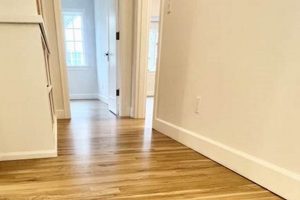
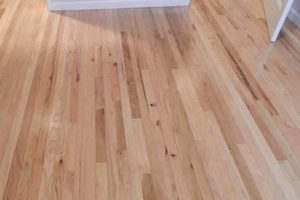
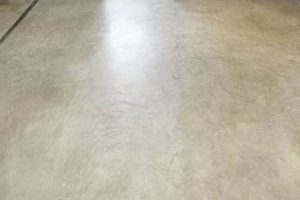
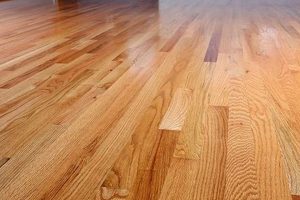
A transparent coating applied to wooden floors to protect the surface while allowing the natural beauty of the wood grain to remain visible. These coatings are available in various sheens, from matte to high-gloss, and are designed to resist scratches, scuffs, and moisture. An example is applying a polyurethane layer to an oak floor to protect it from daily wear and tear, preserving its aesthetic qualities.
This protective layer is important because it extends the lifespan of hardwood floors, preventing damage from everyday use. Its benefits include ease of cleaning, enhanced durability against spills and impacts, and the preservation of the wood’s original color and texture. Historically, oils and waxes were used for floor protection; modern formulations, such as polyurethane and water-based acrylics, offer improved performance and longevity.
The following sections will delve into the different types of these coatings available, application techniques, maintenance strategies, and factors to consider when selecting the appropriate type for specific flooring and environmental conditions. This includes discussions on durability, environmental impact, and cost-effectiveness of various options.
Application and Maintenance Guidance
The following guidance ensures optimal performance and longevity. Proper application and consistent upkeep are critical to maximizing its protective qualities and aesthetic appeal.
Tip 1: Surface Preparation. Thoroughly clean and sand the hardwood floor to create a smooth, even surface. Remove all dust and debris before application; contaminants may compromise adhesion and the final appearance.
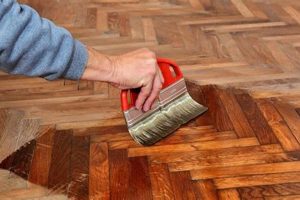
Tip 2: Selecting Appropriate Application Tools. Use high-quality applicators, such as lambswool applicators or synthetic brushes, designed for the specific type of coating being applied. This minimizes streaking and ensures uniform coverage.
Tip 3: Applying Thin, Even Coats. Apply thin, even coats to prevent drips, pooling, and air bubbles. Multiple thin coats are preferable to a single thick coat, as this promotes better curing and durability.
Tip 4: Allow Sufficient Drying Time. Adhere to the manufacturer’s recommended drying times between coats and before allowing foot traffic. Premature use can damage the uncured surface, requiring costly repairs.
Tip 5: Maintain Consistent Environmental Conditions. Ensure proper ventilation and temperature control during application and curing. Excessive humidity or temperature fluctuations can negatively impact the curing process and the final finish quality.
Tip 6: Routine Cleaning Practices. Implement routine cleaning practices using pH-neutral floor cleaners specifically formulated for hardwood floors. Avoid abrasive cleaners or excessive water, which can damage the protective layer.
Tip 7: Implement Preventative Measures. Utilize area rugs in high-traffic areas and felt pads under furniture legs to minimize scratches and wear. These preventative measures extend the lifespan of the coating and preserve its appearance.
Adhering to these application and maintenance practices optimizes performance, safeguarding against wear, damage, and preserving the aesthetic qualities of the hardwood floor.
The next section will address common issues encountered during and after application, along with troubleshooting techniques and repair strategies.
1. Durability

The durability of a transparent wooden floor coating directly determines its lifespan and the extent to which it protects the underlying wood from damage. Superior abrasion resistance, impact resistance, and resistance to chemical degradation are hallmarks of durable options. For example, a high-traffic hallway coated with a less durable product would exhibit scratches and wear much sooner than one protected by a high-solids polyurethane. Consequently, selecting a coating with adequate durability is paramount to minimizing maintenance and extending the flooring’s service life.
Specifically, the chemical composition of the coating significantly impacts its robustness. Polyurethane formulations, known for their hardness and resistance to solvents, are frequently chosen for their ability to withstand rigorous conditions. Water-based acrylic coatings, while generally less durable, offer environmental advantages and are suitable for lower-traffic areas. The number of applied coats also influences durability; multiple coats create a thicker, more resilient barrier. Regular maintenance, including sweeping and the use of appropriate cleaning solutions, further contributes to the preservation of the protective layer.
In conclusion, the relationship between durability and a transparent coating for hardwood floors is foundational to the flooring’s long-term performance. Compromising on durability can lead to premature wear, necessitating costly repairs or replacements. While initial cost may be a factor, the long-term benefits of a durable solution, in terms of reduced maintenance and extended lifespan, typically outweigh the initial investment, preserving both the aesthetic and structural integrity of the wood floor.
2. Transparency

Transparency, in the context of a protective layer for wood flooring, refers to the degree to which the coating allows the natural grain and color of the wood to be visible. It is a primary factor influencing aesthetic appeal and is often a deciding point in the selection process.
- Preservation of Natural Aesthetics
Transparency ensures the wood’s intrinsic characteristics are showcased, rather than obscured by the coating. For instance, the distinctive grain patterns of oak or the rich hues of cherry are emphasized, enhancing the overall aesthetic of the space. Coatings with poor transparency may impart a milky or cloudy appearance, diminishing the wood’s inherent beauty.
- UV Resistance and Non-Yellowing Formulas
Over time, some coatings can yellow or amber when exposed to ultraviolet light, altering the wood’s original color. Highly transparent options often incorporate UV inhibitors to mitigate this effect, maintaining the integrity of the wood’s appearance. This is particularly important for lighter-toned woods, where yellowing is more noticeable.
- Clarity and Light Reflectance
The clarity of the coating affects how light interacts with the floor. Transparent options allow for better light reflection, brightening the room and enhancing the sense of space. Conversely, coatings with low clarity can absorb light, making the floor appear dull or muted.
- Impact on Subsequent Coating Layers
The transparency of the initial coat influences the appearance of subsequent layers, such as stains or sealers. A clear and transparent base coat allows for accurate color representation and uniform absorption of the stain, resulting in a more consistent and predictable final appearance. Conversely, a non-transparent base can distort the color and create uneven patches.
In conclusion, transparency is not merely an aesthetic preference; it is a critical attribute that influences the long-term appearance, maintenance requirements, and overall satisfaction with wooden flooring. The selection of a coating that prioritizes transparency ensures the continued appreciation of the wood’s natural beauty while providing durable protection.
3. Application

Proper application is intrinsically linked to the performance and longevity of a transparent coating on hardwood floors. The method of applying this coating directly influences its ability to protect the wood, its aesthetic appeal, and its resistance to wear. For instance, inadequate surface preparation can lead to poor adhesion, resulting in premature peeling or chipping. Similarly, uneven application can cause variations in sheen and color, detracting from the floor’s overall appearance. The quality of the application process is, therefore, a critical determinant of the coating’s effectiveness.
Specifically, the application technique, environmental conditions, and applicator selection each play vital roles. The use of appropriate applicators, such as lambswool pads for oil-based coatings or synthetic brushes for water-based ones, ensures uniform coverage and minimizes streaking. Maintaining consistent temperature and humidity levels during application and curing is equally important, as fluctuations can affect drying times and the integrity of the cured coating. A real-world example is the development of air bubbles in a coating applied in excessively humid conditions, necessitating sanding and reapplication. Furthermore, proper surface preparation, including thorough sanding and dust removal, is essential for optimal adhesion, preventing common issues like fisheyes or orange peel texture.
In summary, the successful application of a transparent coating is not merely a procedural step but an integral component of its overall functionality and aesthetic contribution. Challenges arising from improper techniques can compromise the coating’s protective properties and visual appeal, potentially leading to costly repairs or premature failure. Understanding and adhering to best practices in application is, therefore, crucial for maximizing the investment in hardwood flooring and ensuring its long-term beauty and durability.
4. Maintenance
The longevity and aesthetic appeal of hardwood floors treated with a transparent coating are inextricably linked to diligent maintenance practices. Maintenance, in this context, represents the proactive measures taken to preserve the integrity and appearance of the protective layer and the underlying wood. Without proper maintenance, the coating’s protective qualities diminish, exposing the hardwood to potential damage from moisture, abrasion, and chemical agents. Consider a scenario where a floor in a residential kitchen, subjected to frequent spills and heavy foot traffic, is neglected; the protective layer weakens, leading to staining, scratching, and ultimately, the degradation of the wood itself. This underscores the direct cause-and-effect relationship between maintenance and the condition of the coated floor.
Appropriate maintenance includes regular sweeping or vacuuming to remove abrasive particles, the use of pH-neutral cleaners specifically formulated for hardwood floors, and prompt attention to spills. Abrasive cleaners can scratch the coating, diminishing its transparency and protective qualities. Excessive moisture, if allowed to penetrate compromised areas, can cause warping, swelling, and the growth of mold or mildew. Practical examples include the application of felt pads under furniture legs to prevent scratching and the strategic placement of rugs in high-traffic areas to minimize wear. Furthermore, periodic re-coating may be necessary to restore the finish’s protective qualities and aesthetic appeal, particularly in areas subjected to significant wear.
In summary, the correlation between consistent maintenance and the performance of a transparent coating on hardwood floors cannot be overstated. Neglecting routine upkeep precipitates a cascade of detrimental effects, compromising both the floor’s structural integrity and its visual characteristics. Embracing conscientious maintenance practices ensures the sustained beauty and extended lifespan of hardwood flooring investments. The consistent effort in upholding these practices directly prevents issues and uphold the protective layer’s integrity for years to come.
5. Sheen Level

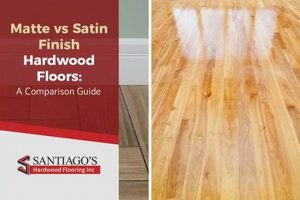
Sheen level is a critical characteristic of coatings, influencing both the aesthetic appearance and the perceived durability of floors. The choice of sheen level is a key decision point when selecting a transparent coating, as it directly impacts light reflection, scratch visibility, and the overall ambiance of the space.
- Light Reflection and Ambiance
Sheen level dictates the amount of light reflected from the floor’s surface. High-gloss finishes reflect the most light, creating a bright and vibrant atmosphere, while matte finishes absorb more light, resulting in a softer, more subdued ambiance. For instance, a high-gloss finish in a living room can enhance the sense of spaciousness, while a matte finish in a bedroom promotes a calming environment.
- Scratch Visibility and Maintenance
Higher sheen levels tend to accentuate surface imperfections, such as scratches and scuffs. Conversely, lower sheen levels, like matte or satin, effectively camouflage these blemishes. In a household with pets or children, a lower sheen option can minimize the visibility of everyday wear and tear, reducing the need for frequent maintenance and refinishing.
- Cleanliness and Perceived Cleanliness
High-gloss coatings, while visually striking, often require more frequent cleaning to maintain their pristine appearance. Fingerprints, dust, and water spots are more noticeable on high-gloss surfaces compared to lower-sheen alternatives. A satin or matte finish can offer a more forgiving surface, maintaining a clean look with less frequent maintenance.
- Aesthetic Style and Dcor
The sheen level selected should complement the overall design style of the space. High-gloss finishes align well with modern or contemporary aesthetics, while matte or satin finishes are often preferred for traditional or rustic dcor. A mismatch between the sheen level and the dcor can detract from the overall visual harmony of the room. For example, a high-gloss finish might appear out of place in a room furnished with antique furniture, while a matte finish could enhance the warmth and character of the space.
Ultimately, the selection of the appropriate sheen level is a multifaceted decision that requires careful consideration of aesthetic preferences, lifestyle factors, and maintenance capabilities. The desired impact affects light reflection, scratch hiding, maintenance, and overall harmony within a design, significantly affecting long-term satisfaction. Therefore, weighing all facets for the best balance is crucial.
6. Wood Type

The selection of wood species exerts a profound influence on the selection and performance of transparent coatings. Wood characteristics, including grain density, hardness, and natural color, directly impact the coating’s adhesion, absorption rate, and final aesthetic appearance. For example, a porous wood like oak will absorb more of the coating than a dense wood like maple, necessitating adjustments in application technique to achieve uniform coverage and avoid over-saturation. Similarly, the natural color of the wood influences the perceived color of the finish; a naturally reddish wood, such as cherry, will subtly alter the tone of the coating compared to a light-colored wood like ash. Therefore, understanding the specific properties of the wood type is essential for optimizing the coating process.
The practical implications of this understanding are manifold. When applying a water-based coating to a wood with high tannin content, such as red oak, tannin bleed-through can discolor the finish. In such cases, the use of a tannin-blocking primer is necessary to prevent this discoloration. Furthermore, the hardness of the wood influences the choice of coating; softer woods may benefit from more durable coatings, such as polyurethane, to provide adequate protection against dents and scratches. Conversely, harder woods may be suitable for a wider range of coating options, including oil-based varnishes and penetrating oils. The wood grain pattern also interacts with the finish; open-grained woods like oak may require grain filling to create a smooth, even surface before coating, enhancing the finish’s clarity and gloss.
In conclusion, the interplay between wood type and coating is a critical determinant of the overall success and longevity of a flooring project. Neglecting to account for wood-specific properties can lead to aesthetic imperfections, adhesion failures, or premature wear. By carefully considering the wood’s characteristics and selecting a compatible coating, professionals and homeowners can maximize the protective qualities, visual appeal, and long-term performance of finished hardwood floors. The consideration of the inherent characteristics will significantly enhance longevity.
7. Longevity
Longevity, in the context of clear hardwood floor finishing, represents the extended lifespan and sustained performance of both the coating and the underlying wood. Achieving optimal longevity requires careful consideration of material selection, application techniques, and consistent maintenance practices.
- Material Composition and Resistance
The inherent properties of the clear hardwood floor finishing material directly influence its resistance to abrasion, chemicals, and ultraviolet radiation. Polyurethane-based finishes, known for their durability, often exhibit superior longevity compared to less robust alternatives. For example, a floor coated with high-solids polyurethane in a high-traffic area will typically withstand wear and tear significantly longer than one finished with a lower-grade acrylic coating. The material’s ability to resist environmental stressors is paramount to extending the floor’s lifespan.
- Application Quality and Film Thickness
The quality of application plays a critical role in determining the overall longevity of the floor finish. Proper surface preparation, including thorough sanding and dust removal, ensures optimal adhesion. Applying multiple thin coats, as opposed to a single thick coat, promotes uniform curing and minimizes the risk of cracking or peeling. For instance, a poorly applied finish, characterized by uneven thickness or inadequate bonding, will likely exhibit premature failure, reducing the floor’s overall lifespan.
- Maintenance Regimen and Cleaning Practices
Consistent maintenance practices, including regular sweeping or vacuuming and the use of appropriate cleaning solutions, are essential for preserving the integrity of the clear hardwood floor finish. Abrasive cleaners and excessive moisture can degrade the coating over time, diminishing its protective qualities. The implementation of preventative measures, such as felt pads under furniture legs and area rugs in high-traffic zones, further contributes to extending the floor’s longevity. Neglecting routine upkeep can accelerate wear and tear, necessitating costly repairs or refinishing.
- Environmental Factors and Usage Patterns
Environmental factors, such as humidity levels and exposure to sunlight, can significantly impact the longevity of clear hardwood floor finishes. Excessive humidity can cause swelling and warping of the wood, while prolonged exposure to ultraviolet radiation can lead to discoloration and degradation of the coating. Usage patterns also play a crucial role; floors subjected to heavy foot traffic or frequent spills will generally require more frequent maintenance and potentially, earlier refinishing. Mitigating environmental stressors and adjusting usage patterns can help to prolong the floor’s lifespan.
The facets discussed underscore the interdependent relationship between material properties, application methods, maintenance strategies, and environmental influences in determining the longevity of clear hardwood floor finish. Optimizing each of these factors is essential for ensuring the sustained beauty, performance, and value of hardwood flooring installations.
Frequently Asked Questions About Clear Hardwood Floor Finish
The following section addresses common inquiries regarding transparent coatings for wooden floors, providing concise and informative answers based on industry best practices.
Question 1: What are the primary advantages of applying a transparent coating to hardwood floors?
The principal benefits include protecting the wood from scratches, stains, and moisture damage, extending the floor’s lifespan, and enhancing its aesthetic appeal by showcasing the natural wood grain.
Question 2: What distinguishes water-based from oil-based transparent floor coatings?
Water-based coatings generally exhibit lower VOC emissions, faster drying times, and minimal ambering over time. Oil-based coatings typically offer enhanced durability and a richer, warmer tone, though they may yellow with age.
Question 3: How does one properly prepare a hardwood floor before applying a transparent coating?
Preparation involves thorough sanding to create a smooth, even surface, followed by meticulous removal of all dust and debris. This ensures optimal adhesion of the coating.
Question 4: How many coats of transparent finish are typically recommended for hardwood floors?
Generally, three coats are recommended to provide adequate protection and durability. Adhering to the manufacturer’s instructions regarding coat thickness and drying times is crucial.
Question 5: What is the appropriate method for cleaning hardwood floors with a transparent coating?
Utilize pH-neutral floor cleaners specifically designed for hardwood floors. Avoid abrasive cleaners, excessive water, and steam mops, as these can damage the coating.
Question 6: How often should hardwood floors with a transparent coating be re-coated?
The frequency depends on traffic levels and wear. Inspect the floor annually for signs of wear, such as scratches or dullness. Re-coating may be necessary every 3-7 years in high-traffic areas.
In summary, the performance and longevity of transparent coatings on hardwood floors are contingent on proper selection, application, and maintenance. Addressing these key questions promotes informed decision-making.
The next section will discuss potential challenges encountered during the finishing process and strategies for effective troubleshooting.
Conclusion
The preceding exploration of clear hardwood floor finish has illuminated its multifaceted role in protecting and enhancing wooden floors. Factors influencing its performancedurability, transparency, application, maintenance, sheen level, wood type, and longevitydemand careful consideration. The correct choice and upkeep guarantee a durable aesthetic.
The investment in quality materials and meticulous techniques is not merely a matter of aesthetics but a commitment to long-term value and structural preservation. It is imperative to prioritize informed decision-making, guaranteeing sustainable and beautiful flooring for generations.