



Protective coatings applied to outdoor wooden platforms serve as a crucial barrier against environmental stressors. These applications, available in various formulations, are designed to enhance the aesthetics and longevity of the wooden structure. For instance, a penetrating oil-based product can highlight the natural grain of the lumber while providing water repellency.
Proper surface treatments are vital for preserving structural integrity and preventing premature decay. They shield against moisture absorption, ultraviolet radiation, and fungal growth, all of which can compromise the wood’s strength and appearance. Historically, maintaining these outdoor structures has been a significant consideration, leading to continuous advancements in protective technologies to extend their lifespan and reduce maintenance requirements.
The selection of an appropriate product necessitates careful consideration of factors such as the type of wood, the climate, and the desired aesthetic outcome. Subsequent sections will explore different categories of protectants, their application methods, and maintenance protocols to ensure optimal performance and durability.
Essential Application Guidelines
Implementing effective treatments is paramount for achieving long-lasting protection and visual appeal. The following guidelines provide essential advice for optimizing the application process.
Tip 1: Surface Preparation is Critical. Prior to application, ensure the lumber is clean, dry, and free from any existing coatings or debris. Pressure washing followed by a thorough drying period is often necessary.
Tip 2: Choose the Right Product for the Wood Type. Different wood species possess varying levels of porosity and density, influencing product absorption and performance. Consult manufacturer specifications for compatibility.
Tip 3: Apply Thin, Even Coats. Avoid applying excessive amounts of product, which can lead to uneven drying, tackiness, or blistering. Multiple thin coats are generally preferable to a single thick coat.
Tip 4: Follow Manufacturer Instructions Precisely. Adherence to recommended application rates, drying times, and environmental conditions is crucial for achieving optimal results. Deviation may compromise the product’s effectiveness.
Tip 5: Consider Weather Conditions. Avoid application in direct sunlight, extreme temperatures, or during periods of high humidity. These conditions can adversely affect product drying and adhesion.
Tip 6: Test in an Inconspicuous Area. Before applying to the entire structure, test the product on a small, hidden area to ensure desired color and performance characteristics.
Tip 7: Allow Adequate Drying Time. Sufficient drying time is essential for proper curing and bonding. Protect the treated surface from foot traffic and inclement weather during this period.
Consistent and careful adherence to these application guidelines will significantly enhance the longevity and aesthetic appeal of the treated lumber.
The next section will address the maintenance requirements for preserving the integrity of the selected treatments.
1. Protection against the elements

The primary function of any treatment designed for outdoor wooden platforms is to mitigate the detrimental effects of environmental exposure. The extent to which a particular product achieves this objective directly influences the longevity and structural integrity of the lumber.
- Ultraviolet (UV) Radiation Resistance
UV radiation from sunlight degrades lignin, the polymer that provides rigidity to wood. This degradation results in discoloration, surface checking, and a weakening of the wood fibers. Protective applications containing UV absorbers or blockers shield the wood from this radiation, preserving its natural color and structural integrity.
- Water Repellency and Moisture Control
Excessive moisture absorption leads to swelling, warping, and cracking. Furthermore, it creates an environment conducive to fungal growth and decay. Water-repellent treatments minimize moisture penetration, preventing these issues and extending the wood’s lifespan. Breathable treatments are preferable, allowing trapped moisture to escape, thereby preventing rot.
- Resistance to Temperature Fluctuations
Repeated cycles of expansion and contraction due to temperature changes can cause stress fractures and loosening of fasteners. Flexible protective films can accommodate these dimensional changes, minimizing the risk of structural damage.
- Protection Against Biological Attack
Fungi and insects are significant threats to untreated wood. Some treatments contain biocides that inhibit fungal growth and deter insect infestation, providing an additional layer of protection against biological degradation.
The selection of a product offering comprehensive protection against these environmental factors is essential for ensuring the long-term performance of outdoor wooden structures. Neglecting any of these aspects can lead to premature deterioration and costly repairs.
2. Enhanced aesthetic appearance

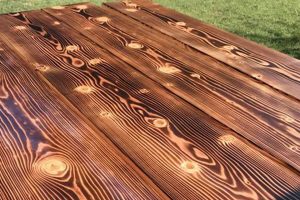
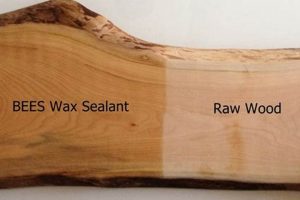
The application of protective coatings is intrinsically linked to the visual appeal of outdoor wooden platforms. Surface treatments can significantly enhance the natural beauty of the lumber or, conversely, mask imperfections to create a uniform aesthetic. The choice of product directly influences the final appearance, ranging from transparent sealers that accentuate the wood grain to opaque stains that provide complete color coverage. For instance, a clear, penetrating oil finish can highlight the unique characteristics of redwood or cedar, while a solid-color stain can conceal knots and variations in pine, resulting in a more consistent look. The ability to modify or preserve the visual characteristics of the wood is a fundamental aspect of the process.
Further contributing to the visual impact is the selection of different finish types, each offering a distinctive look. Glossy treatments reflect light, creating a polished appearance but potentially highlighting imperfections. Matte treatments, on the other hand, reduce glare and provide a more natural, understated aesthetic. Semi-gloss and satin finishes offer a compromise between these two extremes. Beyond the sheen level, the color and opacity of the application play a critical role. Translucent stains allow the wood grain to remain visible, while opaque paints completely obscure the natural surface. This choice depends on the desired level of customization and the condition of the wood itself.
Ultimately, achieving an enhanced aesthetic appearance through surface treatments requires careful consideration of the wood species, the desired level of color and sheen, and the overall design intent. While protective qualities are paramount, the ability to elevate the visual appeal is a key factor driving product selection and application techniques. Challenges arise in balancing durability with aesthetic preferences, as some of the most durable products may not offer the desired color or sheen. Nevertheless, a thorough understanding of available options enables informed decisions that maximize both the functional and visual benefits of exterior wood protection.
3. Prevention of wood decay

Wood decay, primarily caused by fungal organisms, is a significant threat to the structural integrity of outdoor wooden platforms. These organisms thrive in environments with high moisture content, consuming the cellulose and lignin that constitute the wood’s cellular structure. This process weakens the wood, leading to rot, crumbling, and ultimately, structural failure. Protective coatings represent a primary defense against this degradation.
The selection of an appropriate application necessitates considering both the wood species and the environmental conditions. For example, naturally decay-resistant species, such as redwood or cedar, may require less intensive treatment compared to less resistant species like pine. Penetrating oil-based products, containing fungicides, inhibit fungal growth by creating a barrier against moisture intrusion. Film-forming products, like paints and varnishes, provide a surface layer that physically prevents moisture from reaching the wood. In coastal environments, where salt spray accelerates corrosion and decay, formulations with enhanced water repellency and UV resistance are essential. Real-world examples illustrate the consequences of neglecting protective measures. Untreated lumber exposed to constant moisture and fluctuating temperatures can exhibit signs of decay within a few years, necessitating costly repairs or replacements. Conversely, properly treated lumber can maintain its structural integrity and aesthetic appeal for decades.
Understanding the relationship between wood decay and the application of appropriate coatings is crucial for informed maintenance and long-term cost savings. While protective measures offer substantial benefits, their effectiveness depends on proper application and regular maintenance. Challenges persist in selecting the right product for specific needs and ensuring consistent adherence to recommended application procedures. This understanding links directly to the broader theme of preserving natural resources by extending the lifespan of wooden structures and reducing the demand for replacement materials.
4. Surface preparation importance
The durability and aesthetic appeal of any application are inextricably linked to the condition of the underlying substrate. In the context of outdoor wooden platforms, thorough surface preparation is not merely a preliminary step, but a critical component that dictates the long-term success of the applied finish. This preparation involves the removal of existing coatings, dirt, mildew, and any loose or degraded wood fibers. Failure to adequately prepare the surface compromises adhesion, leading to premature peeling, blistering, and ultimately, a reduced lifespan of the protectant. For instance, applying a stain over an existing layer of peeling paint will result in the new stain adhering only to the failing paint layer, rather than penetrating the wood directly. The consequences are evident in the rapid deterioration of the entire system. The investment in high-quality applications becomes inconsequential if surface contaminants impede proper bonding.
The specific methods employed for surface preparation depend on the condition of the wood and the type of product being applied. Pressure washing, sanding, and chemical stripping are common techniques used to achieve a clean, sound surface. Pressure washing effectively removes loose debris and mildew, while sanding creates a profile that enhances mechanical adhesion. Chemical strippers are necessary for removing stubborn coatings that resist mechanical removal. Selecting the appropriate method is crucial to avoid damaging the wood. Aggressive pressure washing can erode soft wood fibers, while improper sanding can create an uneven surface. Each technique must be executed with precision and care to ensure optimal results. Furthermore, moisture content must be carefully managed; wood should be thoroughly dry before application to prevent blistering and promote proper curing of the product.
In summary, the effectiveness of treatments is fundamentally dependent on the thoroughness of surface preparation. Neglecting this step undermines the performance of even the highest-quality products, resulting in premature failure and increased maintenance costs. Understanding the principles of proper preparation is therefore essential for achieving lasting protection and aesthetic enhancement. The challenge lies in recognizing the specific needs of each individual project and adapting preparation techniques accordingly. This understanding is fundamental to promoting the responsible use of resources and ensuring the longevity of outdoor wooden structures.
5. Application technique matters
The efficacy of any protective application is intrinsically linked to the method by which it is applied. Improper techniques directly undermine the performance characteristics, irrespective of the inherent quality of the applied product. For example, a premium penetrating oil, designed to protect against moisture intrusion and UV degradation, will perform suboptimally if applied to a surface that is not properly cleaned or if applied in excessively thick coats. The resulting finish may exhibit uneven absorption, prolonged drying times, and an increased susceptibility to mildew growth. Similarly, a high-quality film-forming product, such as a paint or varnish, will fail prematurely if applied to a damp surface, leading to blistering, cracking, and peeling. These outcomes underscore the critical importance of meticulous execution.
The specific techniques employed vary depending on the type of application, the substrate, and the environmental conditions. Brushing, rolling, and spraying are common methods, each with its own advantages and disadvantages. Brushing allows for precise control and penetration, particularly on rough or uneven surfaces, but can be time-consuming for large areas. Rolling provides faster coverage on smooth surfaces but may result in uneven application if not properly executed. Spraying offers the fastest application speed and the most uniform finish but requires specialized equipment and careful masking to prevent overspray. Furthermore, environmental factors such as temperature, humidity, and wind can significantly impact the application process. Applying a product in direct sunlight or during periods of high humidity can lead to rapid drying, poor adhesion, and an uneven finish. Real-world observations consistently demonstrate the correlation between improper techniques and premature failure, highlighting the practical significance of mastering proper application methods. Contractors and homeowners alike must possess the requisite knowledge and skills to ensure optimal results.
In summary, the connection between application technique and the longevity of an exterior platform is undeniable. Careful attention to surface preparation, product selection, and application method is essential for maximizing the protective and aesthetic benefits of treatments. While high-quality products provide the foundation for long-lasting protection, the skill and precision with which they are applied ultimately determine their effectiveness. Challenges arise in consistently executing proper techniques across diverse projects and environmental conditions, requiring ongoing training and adherence to best practices. This understanding contributes to the responsible use of resources and ensures the long-term preservation of wooden structures.
6. Maintenance prolongs life

The proposition that maintenance prolongs life is directly applicable to outdoor wooden platforms and their protective treatments. Regular maintenance is not merely an aesthetic consideration but a critical factor in extending the structural integrity and lifespan of the wooden structure. Neglecting maintenance activities leads to premature degradation, necessitating costly repairs or replacements.
- Regular Cleaning Prevents Decay
Accumulation of dirt, debris, and organic matter on a platform surface promotes moisture retention, fostering an environment conducive to fungal growth and wood decay. Periodic cleaning, using appropriate cleaning agents and methods, removes these contaminants, preventing moisture buildup and inhibiting fungal activity. For instance, sweeping leaves and debris weekly, followed by a seasonal cleaning with a deck cleaner, significantly reduces the risk of decay.
- Periodic Inspection Identifies Problems Early
Regular visual inspections allow for the early detection of potential problems, such as cracks, splinters, loose fasteners, or signs of decay. Addressing these issues promptly prevents them from escalating into more significant and costly repairs. A thorough inspection twice a year, focusing on areas prone to moisture accumulation or heavy traffic, facilitates proactive maintenance.
- Reapplication of Treatments Maintains Protection
Protective applications gradually degrade over time due to exposure to environmental stressors, such as UV radiation, moisture, and temperature fluctuations. Periodic reapplication of treatments restores the protective barrier, preventing moisture penetration and UV degradation. The frequency of reapplication depends on the type of finish, the climate, and the level of exposure, but generally ranges from one to three years.
- Addressing Minor Repairs Prevents Major Damage
Minor repairs, such as replacing loose boards, tightening fasteners, or filling small cracks, prevent these issues from escalating into major structural problems. Promptly addressing these minor issues avoids the need for extensive and costly repairs in the future. Delaying repairs, even seemingly insignificant ones, can compromise the structural integrity and significantly shorten the lifespan.
These facets underscore the direct correlation between maintenance practices and the longevity of exterior wooden platforms. Consistent attention to these maintenance activities preserves the investment in protective treatments and ensures the long-term structural integrity and aesthetic appeal. Neglecting maintenance shortens the lifespan and increases long-term costs associated with replacement and repairs.
Frequently Asked Questions
The following addresses common inquiries regarding treatments for outdoor wooden platforms. This section aims to provide clarity and guidance for informed decision-making.
Question 1: What factors should be considered when selecting a protective coating?
Selection necessitates a careful evaluation of several factors: the species of wood, the climate, the level of exposure to sunlight and moisture, the desired aesthetic appearance, and the required level of protection. Naturally durable woods may require less intensive treatment than softer woods. Consider a product’s UV resistance, water repellency, and resistance to mildew and fungal growth.
Question 2: How frequently should a wood deck be treated?
The reapplication interval varies depending on several factors, including the type of treatment, the climate, and the amount of traffic the deck receives. As a general guideline, inspect the surface annually for signs of wear, such as fading, peeling, or water absorption. Reapplication is typically recommended every one to three years. Following manufacturer’s recommendations is also crucial.
Question 3: Is surface preparation necessary before applying a finish?
Thorough surface preparation is essential for ensuring proper adhesion and performance. Remove any existing coatings, dirt, mildew, and loose wood fibers. Pressure washing, sanding, and chemical stripping are common methods. Allow the wood to dry completely before applying any product.
Question 4: What are the differences between oil-based and water-based treatments?
Oil-based treatments generally offer better penetration and water repellency, while water-based treatments are typically more environmentally friendly and easier to clean up. Oil-based treatments may darken the wood more than water-based options. Consider the specific properties of each type when making a selection.
Question 5: Can different types of coatings be combined or applied over each other?
Compatibility between different coating types is a critical consideration. Applying an incompatible product can lead to adhesion problems, peeling, and premature failure. In general, it is advisable to avoid mixing different types of protective coatings. Always check the manufacturer’s recommendations for compatibility.
Question 6: How can mildew growth be prevented on a wood deck?
Mildew growth thrives in damp, shaded environments. Proper surface preparation, selecting a product with mildew-resistant properties, and maintaining adequate ventilation are key preventive measures. Regular cleaning with a deck cleaner containing a mildewcide is also recommended.
In summary, selecting the appropriate protectant, preparing the surface thoroughly, applying the product correctly, and performing regular maintenance are all critical for ensuring the long-term preservation and aesthetic appeal of outdoor wooden platforms.
Subsequent sections will explore advanced techniques and specialized applications for various environments.
Conclusion
This exploration of applications for wooden platforms has illuminated the critical role these treatments play in preserving structural integrity and enhancing aesthetic appeal. Key considerations include appropriate product selection based on wood species and climate, meticulous surface preparation, proper application techniques, and consistent maintenance routines. These elements are not isolated factors, but rather interconnected components of a comprehensive protection strategy.
Ultimately, the informed and diligent application of coatings represents a commitment to long-term preservation and sustainability. By prioritizing proper techniques and consistent maintenance, one extends the lifespan of wooden structures, reduces the demand for replacement materials, and contributes to a more responsible utilization of resources. The enduring benefits of these treatments warrant careful consideration and proactive implementation.

![Buy Quality Finished Shelf Wood - [Your Brand] | Best Final Touch: Elevate Your Projects with Professional Finishing](https://bestfinaltouch.com/wp-content/uploads/2026/05/th-447-300x200.jpg "Buy Quality Finished Shelf Wood - [Your Brand] Best Final Touch: Elevate Your Projects with Professional Finishing")
![Buy Premium Walnut Finished Wood [Deals Inside] | Best Final Touch: Elevate Your Projects with Professional Finishing](https://bestfinaltouch.com/wp-content/uploads/2026/05/th-405-300x200.jpg "Buy Premium Walnut Finished Wood [Deals Inside] Best Final Touch: Elevate Your Projects with Professional Finishing")