The concluding stage of creative production significantly impacts the viewer’s perception of a piece. This process encompasses all steps taken after the primary creation to prepare a piece for presentation or sale. For example, applying a protective varnish to a painting or mounting a photograph are elements of this concluding stage.
Properly executing this final phase enhances the longevity and aesthetic appeal of creative outputs. It adds value by showcasing and protecting the initial work, ensuring it is presented in the best possible light. Throughout history, artists and artisans have recognized the importance of this, employing various techniques to safeguard and refine their creations.
The following discussion will explore the diverse methods employed in this concluding phase of creative works, examining their impact on preservation, visual appeal, and overall value.
Guidance for Concluding Creative Production
The concluding phase of creative projects demands meticulous attention. The following recommendations enhance the quality, longevity, and presentation of such works.
Tip 1: Surface Preparation: Prior to any protective coating or mounting, ensure the surface is clean and free from dust, debris, or fingerprints. A clean substrate promotes optimal adhesion and prevents imperfections from being sealed beneath the final layer.
Tip 2: Material Compatibility: Verify that all applied materials are compatible with the underlying artwork. Incompatible materials can lead to discoloration, cracking, or other forms of deterioration over time. Conduct small-scale tests to ensure suitability.
Tip 3: Archival Quality: When preservation is paramount, utilize archival-grade materials. These materials are designed to resist degradation from light, pollutants, and other environmental factors, thereby extending the lifespan of the artwork.
Tip 4: Appropriate Application Techniques: Employ proper application techniques for varnishes, sealants, or mounting adhesives. Avoid over-application, which can lead to unsightly pooling or uneven surfaces. Follow manufacturer instructions precisely.
Tip 5: UV Protection: For artwork displayed in environments with exposure to ultraviolet light, consider applying a UV-resistant coating. This will mitigate fading and damage caused by prolonged UV exposure, preserving the vibrancy of the artwork.
Tip 6: Framing Considerations: When framing artwork, utilize acid-free matting and backing boards. Acidic materials can leach into the artwork, causing discoloration and embrittlement over time. Opt for conservation-grade framing materials.
Tip 7: Documentation: Maintain a record of all materials and techniques used in the concluding phase. This documentation will prove invaluable for future conservation efforts or repairs, ensuring consistent and informed treatment.
Adhering to these guidelines ensures that creative endeavors are not only aesthetically pleasing but also preserved for future appreciation. Thoughtful and informed execution of the concluding phase significantly contributes to the artwork’s overall value and longevity.
The next section will further explore specific techniques and materials used in various art forms, providing a deeper understanding of the concluding phase in practice.
1. Protection

The concept of protection is inextricably linked to the process of completing artwork. It addresses the vulnerability of artistic creations to environmental factors, physical damage, and chemical degradation. Without adequate protective measures in the concluding stage, the longevity and integrity of the artwork are compromised, potentially diminishing its aesthetic and monetary value. The application of varnish to an oil painting, for example, serves as a protective barrier against dust, UV radiation, and atmospheric pollutants, thus preventing fading, cracking, and discoloration of the pigments. Similarly, framing a watercolor painting behind UV-filtering glass shields it from the harmful effects of light exposure, preventing the colors from fading and the paper from becoming brittle.
The specific protective measures employed vary depending on the medium and intended environment. For sculptures, protective coatings may guard against corrosion, abrasion, or vandalism. Photographic prints may require archival mounting and storage to prevent fading, yellowing, or the growth of mold. Textiles, often susceptible to insect damage and fading, benefit from protective display cases and specialized cleaning protocols. In each instance, the selection and application of appropriate protective techniques are crucial to ensuring the long-term preservation of the artwork. Failure to address the protective needs can lead to irreversible damage, negating the artist’s efforts and diminishing the artwork’s cultural significance.
Ultimately, protection constitutes an integral component of the concluding stages of artistic creation. It is not merely an afterthought but a deliberate and informed process that safeguards the artwork from potential threats, extending its lifespan and preserving its original beauty for future generations. The practical significance of understanding this connection lies in the ability to make informed decisions about the materials and techniques used in finishing artwork, thereby maximizing its lasting value and cultural impact.
2. Presentation

Presentation, as an element of finalizing creative works, dictates the initial and lasting impression the piece makes on its audience. The manner in which a work is displayed, framed, or otherwise presented directly influences its perceived value and artistic merit. A poorly executed presentation can detract from even the most skillfully created artwork, diminishing its impact and hindering its appreciation. Conversely, thoughtful presentation can elevate a piece, highlighting its strengths and creating a more compelling viewing experience. The framing of a painting, for instance, not only protects the artwork but also serves as a visual border, influencing the viewer’s focus and framing their perception. Similarly, the lighting in a gallery setting is carefully calibrated to accentuate the textures and colors of the artwork, enhancing its visual appeal.
Beyond aesthetics, presentation also serves a practical function. Proper mounting and display techniques can protect the artwork from physical damage and environmental factors. Acid-free matting and UV-protective glazing in framing, for example, prevent deterioration and fading, preserving the artwork’s integrity over time. The careful consideration of presentation extends to digital media as well. The resolution, color calibration, and file format of a digital artwork directly impact its visual quality and accessibility. Optimizing these elements ensures that the artwork is displayed accurately and consistently across different devices and platforms.
In conclusion, presentation is not merely an ancillary consideration but an integral aspect of completing creative projects. It shapes the audience’s perception, enhances the artwork’s aesthetic qualities, and contributes to its long-term preservation. A thorough understanding of presentation techniques is therefore essential for artists, curators, and collectors seeking to maximize the impact and value of their creative works. The effectiveness of a creative piece is, in many respects, reliant on the concluding presentation decisions.
3. Preservation

The preservation of artwork is intrinsically linked to the concluding processes applied to it. Actions taken during the “finish artwork” stage directly influence its longevity and resistance to degradation. Improper techniques or materials can accelerate deterioration, negating the creative effort and diminishing cultural value. Conversely, thoughtful application of preservation-oriented methods ensures the artwork’s survival for future appreciation. For example, the application of a pH-neutral adhesive during the mounting of a photograph prevents acid migration from the mounting board, which can cause discoloration and embrittlement of the photographic print. Likewise, the use of ultraviolet-filtering glazing in framing shields paintings from damaging radiation that leads to fading and pigment alteration. The practical significance of understanding this connection lies in the ability to make informed decisions that extend the lifespan of artwork, ensuring its continued accessibility and impact.
Specific examples further illustrate this relationship. Renaissance frescoes, often vulnerable to moisture and salt damage, are meticulously cleaned and consolidated to prevent further deterioration. Contemporary sculptures fabricated from unstable materials like plastics require careful environmental control and specialized coatings to mitigate degradation. Textile art is frequently treated with insect repellents and displayed in controlled humidity environments to prevent damage from pests and environmental factors. The effectiveness of these preservation strategies hinges on the selection of compatible materials and the application of appropriate techniques during the final stages of preparation. Failure to account for these considerations can result in accelerated decay, requiring costly and often irreversible conservation treatments. Accurate documentation of all materials and procedures implemented during the finish artwork process is vital for future conservation efforts, ensuring consistent and appropriate treatment throughout the artwork’s lifespan.
In summary, preservation is not merely an addendum to the artistic process but a critical component of the concluding phase. It demands a proactive and informed approach to material selection and technique application, safeguarding artwork against environmental threats, physical damage, and inherent material instabilities. Addressing preservation concerns during the finish artwork stage maximizes the artwork’s lifespan, cultural impact, and economic value, presenting challenges in the form of ongoing research into new materials and conservation methodologies. Understanding and implementing appropriate preservation strategies is paramount for artists, collectors, and cultural institutions alike, contributing to the enduring legacy of artistic creations.
4. Enhancement

The enhancement of artwork, as a critical component of its completion, directly affects the viewer’s perception and appreciation. Concluding actions that serve to enhance a piece extend beyond mere protection and preservation, focusing instead on accentuating the inherent qualities of the work. For instance, the application of a final glaze to a ceramic piece can deepen the color saturation and create a more luminous surface, thereby enhancing its visual appeal. Similarly, the strategic use of lighting to showcase a sculpture can highlight its form and texture, drawing the viewer’s eye to specific details. These enhancements are not superficial additions but rather integral elements that contribute to the overall artistic intent. An understanding of the cause-and-effect relationship between these finishing processes and the resulting aesthetic impact is crucial for artists seeking to fully realize their creative vision.
Practical applications of enhancement techniques vary across different art forms. In painting, careful adjustments to varnish sheen can control the level of reflectivity, optimizing the viewing experience under different lighting conditions. For photography, selective dodging and burning during the printing process can subtly manipulate contrast and tonal range, enhancing the emotional impact of the image. In digital art, post-processing techniques such as color grading and sharpening can refine the overall aesthetic, ensuring that the final product accurately reflects the artist’s intended look and feel. These examples illustrate the importance of a deliberate and informed approach to enhancement, recognizing that each technique must be tailored to the specific characteristics of the artwork and the desired effect.
In conclusion, enhancement forms an indispensable part of the artistic process. It represents the culmination of creative effort, transforming a raw creation into a polished and compelling work of art. The challenge lies in discerning the appropriate techniques to employ, balancing the desire for enhancement with the need to respect the integrity of the original artwork. Understanding the interplay between enhancement and other concluding processes, such as protection and preservation, is essential for ensuring that artwork not only looks its best but also endures over time. By carefully considering the role of enhancement, artists can elevate their work to new levels of aesthetic achievement, fostering a deeper connection with their audience and solidifying their legacy in the art world.
5. Value Addition

The concluding procedures applied to creative works significantly influence their perceived and actual worth. This “value addition” encompasses actions that enhance the artwork’s aesthetic appeal, longevity, and marketability, directly impacting its overall worth.
- Enhanced Aesthetic Appeal
Final touches contribute significantly to visual impact. Framing, for instance, elevates a painting beyond its raw canvas state, focusing the viewer’s attention and providing a context that enhances appreciation. Similarly, polishing a sculpture brings out its texture and form, increasing its visual allure.
- Improved Preservation and Longevity
Protective coatings and archival mounting directly contribute to an artwork’s durability. Varnishing a painting safeguards it from environmental pollutants and UV radiation, preventing fading and cracking. These measures demonstrably extend the life of the artwork, adding to its long-term value.
- Increased Marketability and Collectibility
A professionally completed piece often commands a higher price on the art market. A well-presented and preserved artwork is more attractive to collectors and investors, increasing its marketability and potential for appreciation over time. Provenance and condition reports further augment the value by documenting the artwork’s history and state of preservation.
- Elevated Artistic Status and Recognition
Careful attention to detail in the “finish artwork” stage reflects the artist’s commitment to quality and professionalism. This dedication enhances the artist’s reputation and contributes to the artwork’s perceived value. A thoughtfully finished piece is more likely to be exhibited in reputable galleries and museums, further elevating its status and value.
The integration of these facets into the concluding phase of creative endeavors underscores the crucial role “finish artwork” plays in augmenting worth. It transforms a creation into a complete, valuable, and enduring asset. The practical application of these principles requires a thorough understanding of materials, techniques, and market dynamics, ensuring the final product not only meets but exceeds expectations, ultimately maximizing its long-term value.
6. Surface Treatment

Surface treatment constitutes an integral component of concluding the creation of artwork. It encompasses the processes applied to the outermost layer of a piece, directly influencing its aesthetic appeal, protection, and longevity. Appropriate surface treatment is crucial for realizing the artist’s vision and ensuring the work’s enduring value.
- Cleaning and Preparation
Prior to any finishing application, thorough cleaning is essential. Removing dust, oils, or residues ensures proper adhesion and prevents blemishes. For instance, a bronze sculpture must be meticulously cleaned of oxidation before applying a protective wax coating. This initial step sets the foundation for all subsequent treatments.
- Protective Coatings
Protective coatings shield the artwork from environmental damage. Varnishes applied to paintings safeguard against UV radiation, pollutants, and physical abrasion. Sealants on ceramics prevent moisture absorption and staining. The choice of coating depends on the medium and the intended environment, with considerations for archival quality and compatibility with underlying materials.
- Textural Adjustments
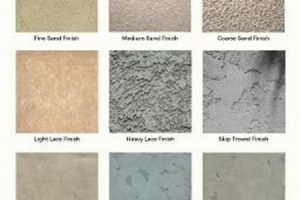
Surface treatments can modify the texture of artwork. Polishing smooths surfaces, enhancing reflectivity and visual appeal. Conversely, etching or texturing techniques add depth and complexity. For example, applying impasto to a painting creates a three-dimensional effect, while sandblasting glass generates a frosted surface.
- Color Manipulation
Glazes, patinas, and toning techniques alter the color and tone of the surface. Applying a patina to metal sculpture creates an aged appearance, while glazes on ceramics add layers of color and depth. These treatments allow artists to refine the chromatic qualities of their work, enhancing its expressive potential.
These surface treatments are not merely cosmetic additions but fundamental aspects of the concluding processes. Thoughtful application enhances the visual impact of artwork and safeguards its integrity, ensuring its lasting contribution. Understanding these methods is critical for artists and conservators alike, enabling informed decisions regarding the care and preservation of cultural heritage.
Frequently Asked Questions About Concluding Creative Production
The following addresses common inquiries regarding the concluding phase of creative processes, providing clarity and guidance for optimal outcomes.
Question 1: Why is surface preparation crucial prior to the application of protective coatings?
Adhering coatings to a surface without removing prior substances such as dust can create issues to the work. Contaminants disrupt adhesion and potentially lead to the creation of imperfections and further damage later on.
Question 2: What considerations should be addressed when selecting archival-quality materials?
Acidity should be minimal, as well as the risk of degradation in order to ensure material can withstand the test of time and ensure the artworks are preserved. Factors to consider include light exposure and humidity fluctuations.
Question 3: How do UV-resistant coatings mitigate damage to artwork?
UV-resistant coatings contain compounds that absorb or reflect harmful ultraviolet radiation, preventing it from reaching the artwork’s surface. This protects pigments from fading, varnishes from yellowing, and paper from embrittlement, extending the artwork’s lifespan.
Question 4: What are the potential consequences of neglecting documentation during the completion of artwork?
Lack of documentation impedes future conservation efforts, potentially leading to the application of incompatible treatments or the irreversible loss of information about the artwork’s original materials and construction. This can compromise its long-term preservation and value.
Question 5: Why is presentation considered an integral aspect of completing artwork?
Presentation directly influences the viewer’s perception and appreciation of the artwork. Thoughtful framing, lighting, and display techniques can enhance its aesthetic qualities, communicate its artistic intent, and protect it from environmental damage, ultimately contributing to its overall value and impact.
Question 6: What role does the concluding stage play in enhancing the marketability of artwork?
A professionally completed artwork, with careful attention to surface treatment, preservation, and presentation, often commands a higher price on the art market. Collectors and investors are drawn to pieces that exhibit quality craftsmanship and demonstrate a commitment to long-term preservation, increasing their marketability and potential for appreciation.
Proper handling of the final stages for creative processes results in more positive impacts, ensuring an item is well-preserved for as long as possible.
The following section will cover methods of ensuring safety.
Concluding Creative Production
The preceding discussion has illuminated the multifaceted nature of concluding creative processes, underscoring the profound impact of what is referred to as “finish artwork” on protection, presentation, preservation, enhancement, value addition, and surface treatment. The effective application of these principles directly influences the aesthetic quality, longevity, and market value of creative endeavors. A meticulous and informed approach to these final stages is paramount for artists, conservators, and collectors alike.
The pursuit of excellence in creative production necessitates a continued commitment to understanding and implementing best practices in the concluding phase. Further research and innovation in materials and techniques will undoubtedly shape the future of art preservation and presentation. Investing in the careful completion of creative works safeguards cultural heritage and enriches the artistic landscape for generations to come. The onus remains on stakeholders to champion these principles and ensure the enduring legacy of artistic achievements.