The process of preparing the inside of an outdoor structure for regular use involves several key steps. This typically includes insulating walls and ceilings, installing appropriate wall and floor coverings, and adding electrical wiring and lighting. The objective is to transform a bare, utilitarian space into a functional and comfortable area. For instance, this process might involve installing drywall and flooring in a simple storage building, converting it into a home office or workshop.
Completing the interior of a backyard building enhances its value and usability significantly. A well-executed interior finish provides protection from the elements, improves energy efficiency, and creates a more pleasant and productive environment. Historically, this type of work was often limited to essential outbuildings; however, contemporary uses extend to hobby spaces, studios, and even small living areas, reflecting a growing demand for adaptable and personalized spaces.
Subsequent discussion will delve into specific techniques, material selections, and potential challenges encountered while undertaking this type of project. Considerations will include budgeting, planning, and adherence to local building codes, ensuring a successful and long-lasting outcome.
Essential Considerations for Shed Interior Completion
Effective execution of the interior completion process relies on careful planning and attention to detail. The following tips provide guidance for achieving a durable and functional space.
Tip 1: Prioritize Structural Integrity. Before any interior work commences, ensure the shed structure is sound, level, and free from leaks. Address any necessary repairs to the roof, walls, or foundation to prevent future problems.
Tip 2: Plan for Insulation. Adequate insulation is crucial for climate control and energy efficiency. Consider the intended use of the shed and select insulation materials with appropriate R-values for the local climate. Options include fiberglass batts, spray foam, and rigid foam boards.
Tip 3: Incorporate Proper Ventilation. Ventilation is essential to prevent moisture buildup and mold growth. Install vents near the roofline and floor to promote airflow. Consider a powered vent for increased effectiveness in humid climates.
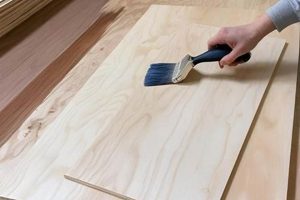
Tip 4: Carefully Choose Wall and Floor Coverings. Select durable and moisture-resistant materials suitable for the shed environment. Plywood, OSB, or tongue-and-groove boards are common choices for walls, while concrete, plywood, or composite materials can be used for flooring.
Tip 5: Plan Electrical Wiring with Safety in Mind. If electricity is desired, consult a qualified electrician to ensure safe and compliant wiring. Use weatherproof outlets and fixtures, and install a ground fault circuit interrupter (GFCI) for protection against electrical shock.
Tip 6: Implement Adequate Lighting. Proper lighting is essential for functionality and safety. Consider a combination of ambient, task, and accent lighting to create a well-lit and comfortable space. LED fixtures are energy-efficient and long-lasting.
Tip 7: Consider Storage Solutions Early. Plan storage options, such as shelving, cabinets, or pegboards, to maximize space and organization. Integrating storage solutions during the build process can optimize the interior layout.
The successful realization of a finished shed interior hinges on careful planning and adherence to sound construction practices. Following these guidelines can significantly improve the functionality and longevity of the space.
The subsequent section will explore common challenges encountered during this type of project and strategies for overcoming them.
1. Insulation

Insulation plays a critical role in preparing the inside of an external structure for practical use. It impacts climate control, energy consumption, and the overall comfort of the modified space. Appropriate insulation is paramount for achieving a functional and habitable interior environment.
- Thermal Performance and R-Value
The effectiveness of insulation is quantified by its R-value, which measures resistance to heat flow. Higher R-values indicate greater insulating capacity. Selection of insulation with an appropriate R-value, based on climate and intended use, is crucial for maintaining consistent temperatures and minimizing energy costs. For example, a workshop in a cold climate necessitates higher R-value insulation than a simple storage shed.
- Moisture Control and Vapor Barriers
Insulation can be compromised by moisture, leading to reduced thermal performance and potential mold growth. Vapor barriers, installed on the warm side of the insulation, mitigate moisture migration. Proper installation of vapor barriers, along with adequate ventilation, helps maintain the integrity of the insulation and prevents structural damage. Failure to address moisture can result in rot and necessitate costly repairs.
- Types of Insulation Materials
Various insulation materials exist, each with distinct properties and applications. Fiberglass batts are a common, cost-effective option. Spray foam provides a superior air seal and high R-value. Rigid foam boards offer good insulation and moisture resistance. The selection of insulation material should consider factors such as cost, R-value, ease of installation, and environmental impact. Understanding the characteristics of each material is important for making an informed decision.
- Impact on Interior Comfort and Usability
Effective insulation significantly improves the comfort and usability of a building’s interior. By minimizing temperature fluctuations, insulation creates a more stable and pleasant environment for work or leisure. A properly insulated space is less susceptible to extreme temperatures, allowing for year-round use. This extends the functionality and value of the shed, transforming it from a seasonal storage area into a versatile workspace or hobby room.
The strategic implementation of insulation, with careful consideration of R-value, moisture control, material selection, and its effect on comfort, is integral to ensuring the completed interior of an outbuilding achieves its intended purpose. A neglected element in this part can create unhabitable conditions that cannot be reverse.
2. Ventilation
Ventilation is a critical element frequently overlooked when preparing the internal space of an outbuilding. Its inclusion is essential for maintaining air quality, controlling moisture levels, and ensuring the longevity of the structure. Without adequate airflow, problems such as mold growth, wood rot, and unhealthy air can compromise the interior environment and the structural integrity of the building.
- Moisture Control and Condensation Prevention
The primary function of ventilation is to remove excess moisture that accumulates inside the structure. Moisture can originate from various sources, including precipitation, groundwater, and even respiration if the space is used as a living or working area. Inadequate ventilation traps this moisture, leading to condensation on surfaces, which can then foster mold and mildew growth. Effective ventilation systems, whether passive or active, promote air circulation to dissipate moisture and prevent condensation.
- Air Quality and Health Considerations
Ventilation directly impacts air quality within the structure. Stagnant air can accumulate pollutants such as volatile organic compounds (VOCs) from building materials, dust, and odors. Proper ventilation replaces this stale air with fresh air, reducing the concentration of pollutants and improving overall air quality. This is especially important if the interior is used for activities that generate dust, fumes, or other airborne particles, such as woodworking or painting.
- Structural Integrity and Longevity
The presence of moisture, if left unaddressed, can lead to significant structural damage. Wood is particularly vulnerable to rot and decay in damp conditions. Metal components can corrode and weaken. By facilitating the removal of moisture, ventilation helps preserve the structural integrity of the outbuilding. This reduces the risk of costly repairs and extends the lifespan of the structure.
- Types of Ventilation Systems
Various ventilation strategies can be employed, ranging from passive to active systems. Passive ventilation relies on natural airflow through vents strategically placed near the roof and floor. Active ventilation systems use fans to mechanically circulate air. The choice of system depends on factors such as climate, the size and design of the building, and the intended use of the interior. Combining passive and active ventilation methods may provide the most effective solution for maintaining a healthy and dry environment.
The implementation of a suitable ventilation system is therefore an indispensable aspect of successfully finishing the interior of an outbuilding. Neglecting this fundamental element can lead to a host of problems that compromise both the health of the occupants and the long-term durability of the building. The benefits of adequate ventilation far outweigh the costs of installation, making it a necessary investment for any interior completion project.
3. Wall Coverings

Wall coverings constitute a critical component in completing the interior of an outbuilding. They serve not only as an aesthetic element but also contribute significantly to insulation, moisture control, and overall durability of the structure’s interior.
- Material Selection and Environmental Suitability
The choice of wall covering material is paramount. Common options include plywood, oriented strand board (OSB), drywall, and shiplap. The selection should be guided by factors such as moisture resistance, durability, and ease of installation. For example, in damp climates, plywood treated for water resistance is a more suitable choice than standard drywall, which is prone to mold growth. Choosing appropriate materials ensures longevity and minimizes maintenance requirements.
- Impact on Insulation and Thermal Performance
Wall coverings contribute to the overall insulation of the structure. While not primary insulators, they provide a barrier that helps retain heat and reduce drafts. The addition of wall coverings over insulation materials like fiberglass batts or rigid foam boards creates a more effective thermal envelope. The type of wall covering selected, along with its installation, directly affects the energy efficiency of the building’s interior. Well-sealed wall coverings minimize air leaks and enhance thermal performance.
- Moisture Management and Vapor Barrier Integration
Proper wall covering installation plays a critical role in managing moisture within the structure. When combined with a vapor barrier, wall coverings help prevent moisture from penetrating the insulation and causing structural damage. The placement of the vapor barrier, typically between the insulation and the wall covering, is crucial for its effectiveness. Improper installation can trap moisture and lead to mold growth and wood rot. Certain wall coverings, like treated plywood, offer inherent moisture resistance, further enhancing protection against water damage.
- Aesthetics and Functional Design
Wall coverings offer an opportunity to enhance the aesthetic appeal and functionality of the interior. The selection of material, texture, and color can transform a utilitarian space into a comfortable and inviting environment. Furthermore, wall coverings can be chosen to meet specific functional needs. For example, installing durable and easy-to-clean wall coverings in a workshop area can protect against stains and damage. The overall design should consider the intended use of the space and contribute to a practical and visually appealing interior.
In conclusion, the selection and installation of wall coverings are integral to successfully completing the interior of an outbuilding. These surfaces provide both aesthetic appeal and crucial protection against environmental factors. Selecting the appropriate material, properly integrating a vapor barrier, and careful installation will result in a long-lasting, functional, and visually pleasing interior.
4. Flooring

The selection and installation of flooring are integral to successfully completing a shed interior. This aspect directly influences the functionality, durability, and overall utility of the space. Inadequate flooring can lead to moisture damage, structural instability, and limitations in the shed’s potential uses, effectively undermining the purpose of the interior completion process. Conversely, appropriate flooring provides a stable, durable, and easily maintained surface suitable for diverse activities, from storage to workshop applications. For instance, a workshop intended for heavy equipment use will require a reinforced concrete or durable composite flooring, whereas a garden shed may only necessitate a treated plywood surface.
The choice of flooring material affects several crucial factors. Load-bearing capacity determines the weight the floor can safely support, influencing the types of items that can be stored or activities that can be performed within the shed. Resistance to moisture and pests is essential to prevent degradation and maintain the structural integrity of the floor over time, reducing maintenance costs. Additionally, the flooring’s thermal properties contribute to the overall insulation of the shed, impacting temperature regulation. A properly installed and sealed floor minimizes drafts and reduces heat loss, creating a more comfortable and energy-efficient interior.
In summary, the connection between flooring and interior completion is fundamentally causal. The flooring selection has immediate and long-term effects on the usability, durability, and overall value of the shed. Careful consideration of factors such as material properties, load-bearing requirements, and environmental conditions is necessary to ensure a successful and enduring shed interior. Disregard for the proper flooring can lead to premature deterioration, functional limitations, and ultimately, the need for costly repairs or replacements, thereby highlighting the practical significance of informed decision-making in this domain.
5. Electrical Wiring

Electrical wiring is a crucial component when completing a shed interior, fundamentally altering its functionality. The presence of electricity enables lighting, power tools, climate control devices, and other amenities, transforming a simple storage space into a workshop, office, or hobby area. Without electrical wiring, the potential uses of the finished shed interior are significantly limited. For example, a shed intended to serve as a woodworking shop requires electrical outlets for power saws, drills, and other tools, as well as adequate lighting for safe and efficient work. Omitting electrical wiring during the interior completion stage necessitates costly and disruptive retrofitting later, emphasizing its importance as a planned element.
The integration of electrical wiring into a shed interior also requires strict adherence to safety codes and regulations. Improper wiring poses significant risks, including fire hazards and electrical shock. Compliance with local electrical codes mandates the use of appropriate wiring gauges, grounding, and protective devices, such as ground fault circuit interrupters (GFCIs). Furthermore, the installation should be performed by a qualified electrician to ensure safety and code compliance. Consider a scenario where a homeowner attempts to install electrical wiring without proper knowledge: the potential for faulty connections, overloaded circuits, and ultimately, a fire, is substantially increased. Therefore, professional installation and regular inspection are vital for mitigating these risks.
In summary, electrical wiring represents a pivotal aspect of completing a shed interior. It facilitates a wide range of uses and enhances the overall value of the structure. However, this enhancement comes with the responsibility of ensuring safe and compliant installation practices. A well-wired shed interior provides convenience and functionality, while a poorly wired one poses significant safety hazards. The decision to include electrical wiring should be carefully considered during the planning phase, with a focus on safety, compliance, and professional execution.
6. Lighting

Adequate illumination is not merely an amenity but an essential consideration when completing the interior of a shed. Proper lighting significantly impacts the usability, safety, and functionality of the space, transforming it from a dark, utilitarian structure into a versatile and productive environment.
- Task-Specific Illumination and Functionality
The primary purpose of the shed interior dictates the lighting requirements. A workshop necessitates bright, focused lighting for detailed tasks, such as woodworking or metalworking. This may involve the use of adjustable task lights positioned over workbenches. Conversely, a storage shed might only require ambient lighting for general visibility. Insufficient illumination can lead to errors, accidents, and reduced productivity, while appropriate lighting enhances efficiency and safety. For instance, installing bright LED strip lights along the ceiling and adjustable task lights over a workbench in a woodworking shed allows for precise and safe execution of intricate projects.
- Safety Considerations and Compliance
Proper lighting is crucial for ensuring safety within the shed interior. Dark or poorly lit areas increase the risk of trips, falls, and other accidents. Adequate lighting is particularly important around machinery and tools. Adherence to electrical codes and regulations is paramount. Lighting fixtures must be appropriately rated for the shed environment, especially if it is damp or dusty. In addition, emergency lighting should be considered in case of power outages. Failing to provide sufficient lighting can create hazardous conditions and violate safety regulations, resulting in potential liabilities.
- Energy Efficiency and Cost-Effectiveness
The choice of lighting technology impacts energy consumption and long-term operating costs. LED lighting offers significant advantages over traditional incandescent or fluorescent options, providing superior energy efficiency, longer lifespan, and reduced maintenance requirements. While the initial cost of LED fixtures may be higher, the long-term savings in electricity bills and replacement costs make them a cost-effective choice. Consider, for example, replacing old incandescent bulbs with LED equivalents can reduce energy consumption by up to 75%, leading to substantial savings over the lifespan of the shed.
- Ambient Lighting and Atmosphere
Ambient lighting contributes to the overall atmosphere and comfort of the shed interior. It provides general illumination, reducing shadows and creating a more inviting space. The choice of color temperature can also influence the atmosphere. Warm white light creates a cozy and relaxing environment, while cool white light provides a more energetic and focused atmosphere. The placement of ambient lighting fixtures should be carefully considered to minimize glare and ensure even distribution of light. For instance, installing recessed LED lights in the ceiling can provide a clean and unobtrusive source of ambient lighting, creating a pleasant and functional workspace.
Therefore, lighting transcends mere illumination; it is a fundamental element that directly influences the functionality, safety, energy efficiency, and overall atmosphere of a finished shed interior. Thoughtful planning and execution of the lighting design are essential for creating a space that meets the specific needs of its intended use and provides a safe and productive environment.
Frequently Asked Questions
The following section addresses common inquiries regarding the process of preparing the internal space of an outbuilding for regular use.
Question 1: Is planning permission invariably required prior to undertaking interior completion work?
The necessity for planning permission is contingent upon local regulations and the specific nature of the proposed work. Contacting the local planning authority to ascertain requirements is advisable.
Question 2: What is the optimal approach for mitigating moisture-related damage in a shed environment?
Implementing a comprehensive strategy encompassing adequate ventilation, moisture-resistant materials, and a properly installed vapor barrier is crucial for mitigating moisture-related damage.
Question 3: What are the primary advantages of utilizing LED lighting as opposed to conventional incandescent bulbs?
LED lighting presents several advantages, including enhanced energy efficiency, extended lifespan, and reduced maintenance demands, rendering it a more cost-effective and environmentally sustainable option.
Question 4: What considerations are paramount when incorporating electrical wiring into an outbuilding?
Adherence to local electrical codes, utilization of appropriate wiring gauges, proper grounding, and the installation of ground fault circuit interrupters (GFCIs) are paramount for ensuring electrical safety.
Question 5: What types of insulation materials are most suitable for a shed environment?
Fiberglass batts, spray foam, and rigid foam boards are viable options, with the selection dependent on factors such as climate, budget, and desired R-value.
Question 6: What measures can be implemented to enhance the longevity of flooring within a shed environment?
Selecting durable, moisture-resistant materials, properly sealing the flooring surface, and implementing regular maintenance practices will enhance the longevity of flooring.
In summary, successful execution of the interior completion project necessitates careful planning, adherence to building codes, and selection of appropriate materials. Consultation with qualified professionals is recommended.
The subsequent section will explore potential challenges and solutions encountered during project.
Concluding Remarks
The preceding discussion has explored the multifaceted process of finishing a shed interior, emphasizing the importance of structural integrity, insulation, ventilation, appropriate material selection for walls and floors, and the careful integration of electrical systems and lighting. Each element plays a crucial role in transforming a basic structure into a functional and valuable space.
Effective interior completion enhances not only the usability of the shed but also its longevity and overall value. Diligence in planning and execution, coupled with adherence to local building codes, is essential. Such efforts ensure a successful and enduring outcome, transforming the structure into a valuable asset and expanding its practical applications.