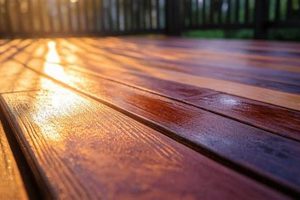
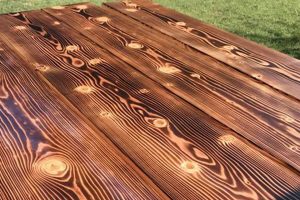
A drying oil derived from flax seeds, often treated as a raw material, undergoes a polymerization process, yielding a protective coating applicable to wooden surfaces. An example includes its application on furniture pieces to enhance the natural wood grain and provide a lustrous sheen.
Its significance lies in its ability to penetrate wood fibers, creating a barrier against moisture and abrasion, thereby extending the lifespan of treated items. Historically, this type of coating has been valued for its natural composition and ease of application, providing a durable and aesthetically pleasing result for artisans and manufacturers alike.
The following sections will elaborate on specific application techniques, drying times, ideal wood types, safety precautions, and comparative analyses with alternative surface treatments.
Application Recommendations for Optimal Results
The following guidelines address key considerations for achieving a durable and aesthetically pleasing surface using linseed oil-based wood coatings.
Tip 1: Surface Preparation is Paramount. Ensure the wood is clean, dry, and free of any existing finishes or contaminants. Sanding to a consistent grit level (e.g., 180-220 grit) promotes even absorption and adhesion.
Tip 2: Thin Application is Key. Apply the coating in thin, even coats, avoiding pooling or excessive buildup. Overapplication extends drying times and can result in a tacky or uneven finish.
Tip 3: Proper Ventilation is Essential. Work in a well-ventilated area to facilitate the evaporation of solvents and prevent the accumulation of flammable vapors. Follow all safety precautions outlined by the manufacturer.
Tip 4: Complete Wipe-Down is Necessary. After each application, thoroughly wipe off any excess oil with a clean, lint-free cloth. This prevents the formation of a sticky film and accelerates the drying process.
Tip 5: Adequate Drying Time is Crucial. Allow sufficient drying time between coats, typically 24-72 hours, depending on ambient temperature and humidity. Premature re-coating can trap solvents and compromise the integrity of the finish.
Tip 6: Consider a Heat Treatment (Optional). Gentle heat application (e.g., with a heat gun on a low setting) can accelerate polymerization and improve the durability of the coating. Exercise caution to avoid scorching the wood.
Tip 7: Apply Multiple Coats for Enhanced Protection. Several thin coats are preferable to a single thick coat. Multiple applications build up a resilient barrier against moisture, scratches, and other environmental factors.
Adhering to these recommendations contributes to a robust and visually appealing outcome, maximizing the protective and aesthetic qualities of the coating.
The subsequent sections will delve into troubleshooting common application issues and explore long-term maintenance strategies.
1. Penetration

Penetration, in the context of linseed oil-based wood coatings, is a foundational characteristic influencing the final quality and longevity of the treated wood. It dictates the depth to which the oil permeates the wood structure, thereby directly affecting its protective capabilities.
- Fiber Saturation
Fiber saturation refers to the extent to which the wood’s cellular structure is filled with the coating. Insufficient saturation leaves vulnerable areas susceptible to moisture intrusion and decay. Conversely, optimal saturation reinforces the wood fibers, increasing resistance to warping, cracking, and biological degradation. A practical example is evident in furniture exposed to fluctuating humidity levels; proper fiber saturation minimizes dimensional changes and structural damage.
- Adhesion Enhancement
Penetration directly correlates with the coating’s ability to adhere to the wood substrate. The deeper the oil penetrates, the stronger the mechanical bond formed. This enhanced adhesion prevents the coating from peeling or flaking over time, maintaining a continuous protective layer. Consider exterior applications, such as decking, where constant exposure to environmental elements necessitates strong adhesion to prevent premature coating failure.
- Moisture Barrier Formation
The primary function of many wood coatings is to create a moisture barrier. Effective penetration allows the oil to establish a continuous, water-repellent layer within the wood, reducing the rate of moisture absorption and desorption. This is particularly crucial for applications in high-humidity environments, where excessive moisture content can lead to fungal growth and structural weakening.
- Grain Accentuation
While primarily functional, penetration also contributes to the aesthetic properties of the coating. As the oil permeates the wood fibers, it accentuates the natural grain patterns, enhancing the visual appeal of the wood. This effect is often desired in high-end furniture and architectural woodwork, where the inherent beauty of the wood is a key design element.
These facets of penetration collectively underscore its vital role in maximizing the protective and aesthetic benefits of linseed oil-based wood treatments. Inadequate penetration compromises the coating’s ability to safeguard the wood and preserve its appearance, ultimately diminishing the long-term value of the finished product.
2. Polymerization

Polymerization is the core chemical process that transforms a linseed oil-based wood coating from a liquid application into a durable, protective solid. The efficiency and completeness of this process directly influence the coating’s performance and longevity.
- Cross-linking Formation
The process involves the formation of cross-links between the unsaturated fatty acid molecules present in the coating. These cross-links create a three-dimensional network, resulting in a solid film that resists solvents and abrasion. The presence of metallic driers (catalysts) accelerates the cross-linking reaction. Insufficient cross-linking yields a soft, tacky finish prone to damage. A well-polymerized coating, however, provides a robust and resilient surface. For instance, a properly cured coating on a wooden tabletop resists scratches and watermarks from everyday use.
- Oxygen Absorption and Oxidation
Polymerization of linseed oil-based coatings is an oxidative process, requiring exposure to oxygen. The oil absorbs oxygen from the air, initiating a chain reaction that leads to cross-linking. Factors such as temperature, humidity, and the presence of catalysts affect the rate of oxygen absorption. In environments with limited air circulation, the polymerization process may be significantly slowed, resulting in prolonged drying times. Examples include applications in enclosed spaces where supplemental ventilation may be necessary to ensure proper curing.
- Volume Change and Film Shrinkage
During polymerization, a slight reduction in volume occurs as the liquid coating transforms into a solid film. This shrinkage can induce stress within the coating, potentially leading to cracking or crazing if the coating is applied too thickly or if the substrate is unstable. Application in thin, even coats minimizes the risk of excessive shrinkage and subsequent film defects. An example is the careful application of several thin coats on antique furniture restoration to prevent damage to the underlying wood.
- Exothermic Reaction and Heat Generation
Polymerization is an exothermic reaction, releasing heat as the cross-linking process occurs. In large-scale applications, or when using formulations with high concentrations of metallic driers, the heat generated can pose a fire hazard. Proper ventilation and storage protocols are essential to mitigate this risk. An example is the safe disposal of used rags saturated with the coating, which can spontaneously combust due to the heat generated during polymerization.
These interconnected aspects of polymerization highlight its significance in determining the characteristics and performance of linseed oil-based wood finishes. A comprehensive understanding of the chemical processes involved allows for optimized application techniques and ensures a durable, long-lasting protective coating.
3. Protection

The protective properties afforded by linseed oil-based wood coatings arise from the oil’s ability to penetrate the wood’s cellular structure and, through polymerization, form a solid barrier. This barrier serves as a defense against several detrimental factors. Moisture, a primary cause of wood degradation, is effectively repelled, minimizing the risk of warping, swelling, and rot. Similarly, the coating provides a degree of resistance to abrasion and minor impacts, safeguarding the wood surface from scratches and dents. Consider, for instance, the application on wooden handrails; the finish helps prevent wear and tear from constant handling and exposure to the elements.
Furthermore, linseed oil-based coatings can incorporate ultraviolet (UV) absorbers or pigments, thereby enhancing protection against photodegradation. Prolonged exposure to sunlight causes lignin, a component of wood, to break down, leading to discoloration and surface erosion. The inclusion of UV-resistant additives mitigates this effect, extending the lifespan of the wood and preserving its aesthetic appeal. This is particularly important for exterior applications, such as siding or decking, where continuous sun exposure is unavoidable. The presence of these additives can substantially reduce maintenance requirements and prolong the integrity of the wood.
In summary, the protective capabilities of linseed oil-based wood treatments are multi-faceted, stemming from its inherent water-repellent characteristics and the potential for incorporating additives that combat UV damage. While offering a degree of protection against physical abrasion, its primary strength lies in mitigating moisture-related issues and preserving the wood’s appearance in the face of environmental stressors. Understanding the limitations of this protection allows for informed decisions regarding appropriate applications and necessary maintenance protocols.
4. Durability

Durability, a crucial attribute of any wood coating, is significantly influenced by the characteristics of a linseed oil-based finish. The extent to which the wood is protected from physical wear, moisture intrusion, and environmental degradation directly reflects the longevity and service life of the treated item. The polymerization process of this coating, as described previously, directly contributes to the hardness and resilience of the resulting protective layer. Examples include its impact resistance on wooden flooring and scratch resistance on furniture; a well-applied and cured coating increases the wood’s ability to withstand daily use without significant damage or deterioration. Thus, the inherent qualities of a linseed oil-based product, particularly its capacity for thorough penetration and cross-linking, are instrumental in establishing long-term durability.
The durability of a linseed oil-based finish is also closely linked to the substrate preparation and application technique. Proper sanding, cleaning, and multiple thin coat applications facilitate optimal penetration and adhesion, leading to a more robust and resistant surface. Conversely, inadequate preparation or over-application can compromise the coating’s integrity, resulting in premature failure. For instance, a poorly prepared exterior door exposed to harsh weather conditions will exhibit signs of cracking, peeling, and water damage more rapidly than one that was meticulously treated. Maintenance also plays a vital role; regular cleaning and periodic reapplication of the finish can extend the protective benefits and prevent the need for extensive repairs or replacements. Therefore, durability is not solely a function of the material properties but also a consequence of diligent application and ongoing maintenance.
In conclusion, the connection between durability and a linseed oil-based wood treatment is multifaceted and interdependent. While the intrinsic properties of the coating provide a foundation for long-term protection, the effectiveness of the treatment hinges upon meticulous application and consistent maintenance. The understanding of these factors is paramount for maximizing the lifespan and preserving the aesthetic qualities of wooden structures and objects.
5. Aesthetics

The aesthetic qualities imparted by a linseed oil-based wood finish are directly related to its ability to enhance the natural characteristics of the wood. The oil penetrates the wood fibers, intensifying the grain pattern and enriching the color, creating a visually appealing surface. This enhancement stems from the increased refractive index at the wood surface, which allows for a greater perception of depth and texture. Examples include antique furniture restoration, where the application of this coating revives the original luster and highlights the intricate details of the wood grain. The practical significance lies in achieving a desirable visual outcome without obscuring the intrinsic beauty of the material.
Furthermore, the level of sheen provided by the coating contributes to the overall aesthetic impact. Depending on the formulation and application technique, a range of sheens, from matte to high gloss, can be achieved. Each sheen evokes a different visual response; a matte finish offers a subtle, natural look, while a glossy finish provides a more reflective and dramatic appearance. The selection of the appropriate sheen is critical for complementing the wood species, the intended use of the object, and the desired aesthetic style. For instance, a low-sheen finish might be preferred for rustic furniture, whereas a high-gloss finish could be more appropriate for contemporary pieces. The control over sheen level offers designers and artisans a precise means of achieving specific aesthetic objectives.
In summary, the aesthetic value associated with a linseed oil-based wood treatment arises from its ability to accentuate the inherent beauty of the wood, while also providing control over the final sheen. The challenge lies in balancing the aesthetic goals with the need for adequate protection and durability. Understanding the interplay between these factors is essential for successful application and long-lasting aesthetic appeal.
6. Application

Effective application is paramount to realizing the full potential of a linseed oil-based wood coating. The manner in which the coating is applied directly influences its penetration, adhesion, and ultimately, its protective and aesthetic qualities. Suboptimal application techniques can compromise the coating’s performance, leading to premature failure and diminishing its value.
- Surface Preparation
Prior to application, proper surface preparation is essential. This includes thorough cleaning to remove dirt, grease, and existing finishes, followed by sanding to create a smooth and receptive surface. Inadequate preparation hinders penetration, weakening the bond between the coating and the wood. An example is applying the coating over a dusty surface, which prevents direct contact and reduces adhesion, leading to peeling or flaking.
- Application Method
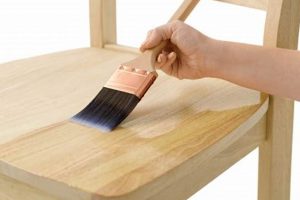
Various application methods exist, each with its own advantages and disadvantages. Brushing, wiping, and spraying are common techniques. The choice of method depends on the size and complexity of the project, as well as the desired finish. Incorrect application, such as applying too much coating at once, can result in runs, drips, and prolonged drying times. Thin, even coats are generally preferred for optimal results.
- Environmental Conditions
Environmental conditions, such as temperature and humidity, significantly affect the application process. High humidity can slow drying times and promote the formation of a cloudy or uneven finish. Low temperatures can increase the viscosity of the coating, making it difficult to apply evenly. Adhering to recommended temperature and humidity ranges, as specified by the manufacturer, is crucial for achieving a satisfactory outcome. Applying the coating in direct sunlight can cause premature drying and surface defects.
- Curing Process Management
The curing process, involving polymerization and oxidation, requires careful management. Proper ventilation is essential to facilitate the evaporation of solvents and ensure adequate oxygen supply for the cross-linking reaction. Improper curing can result in a soft, tacky finish that is susceptible to damage. Furthermore, the safe disposal of used rags is critical, as they can spontaneously combust due to the heat generated during polymerization. Following recommended drying times and safety precautions is paramount.
These interconnected facets of application collectively determine the success of a linseed oil-based wood treatment. The careful consideration of surface preparation, application method, environmental conditions, and curing process management is essential for maximizing the protective and aesthetic benefits of the coating and ensuring long-term durability. Mastery of these aspects distinguishes a proficient application, which yields a lasting, visually appealing result.
Frequently Asked Questions About Linseed Oil-Based Wood Coatings
This section addresses common inquiries and dispels misconceptions concerning the use and characteristics of drying-oil wood treatments.
Question 1: Is a drying-oil wood coating suitable for exterior applications?
While possessing water-repellent properties, untreated linseed oil-based finishes offer limited protection against ultraviolet (UV) radiation and fungal growth, elements prevalent in exterior environments. Formulations incorporating UV inhibitors and fungicides are recommended for outdoor use to enhance durability and longevity.
Question 2: What is the recommended drying time between coats?
Drying times vary depending on environmental factors, such as temperature and humidity, as well as the specific formulation of the product. Generally, a minimum of 24 to 72 hours is advisable between coats to ensure adequate polymerization. Longer drying times may be necessary in humid or cold conditions.
Question 3: Can it be applied over existing finishes?
Application over existing finishes is generally not recommended, as it can compromise adhesion and prevent proper penetration. Existing coatings should be completely removed through sanding or chemical stripping prior to applying a drying-oil wood treatment.
Question 4: What are the safety precautions associated with its use?
Linseed oil-saturated rags are susceptible to spontaneous combustion due to the exothermic nature of the polymerization process. Used rags should be stored in a sealed, water-filled metal container or spread out to dry in a well-ventilated area. Proper ventilation is also crucial during application to avoid the inhalation of solvent vapors.
Question 5: How does it compare to other wood finishes, such as varnish or lacquer?
Linseed oil-based finishes penetrate the wood, enhancing the natural grain, while varnish and lacquer form a surface film. Drying oils offer a more natural look and feel, but generally provide less abrasion resistance than varnish or lacquer. The choice depends on the desired aesthetic and performance characteristics.
Question 6: How can one maintain a finish?
Regular cleaning with a mild soap and water solution is recommended. Periodic reapplication of a thin coat will help to maintain the protective barrier and restore the finish’s luster. Avoid using harsh chemicals or abrasive cleaners, as they can damage the coating.
Proper surface preparation, application technique, and safety precautions are critical for achieving optimal results with linseed oil-based wood finishes. Careful consideration of these factors will ensure a durable and aesthetically pleasing outcome.
The next section will explore common issues encountered during application and provide troubleshooting guidance.
Concluding Remarks on Linseed Oil-Based Wood Coatings
This exploration has detailed the multifaceted nature of linseed oil-based wood coatings, encompassing its composition, application, protective mechanisms, and aesthetic contributions. The discussion emphasized the critical role of proper surface preparation, thin-coat application, and adherence to safety protocols for optimal outcomes. Understanding polymerization, penetration, and appropriate drying times is paramount for achieving a durable and visually appealing result.
Given its versatility and natural origins, linseed oil-based wood finishing continues to be a valuable option for wood preservation and enhancement. Continued research and conscientious application practices will ensure its sustained relevance in both contemporary and traditional woodworking applications. Responsible utilization and informed decision-making remain central to maximizing its benefits while mitigating potential risks.