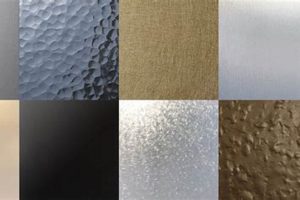
The process of preparing the interior surfaces of a prefabricated steel structure for occupancy is crucial. This involves implementing a range of treatments and installations to create a functional and aesthetically pleasing environment. Example tasks include insulating walls and ceilings, installing electrical wiring and plumbing, applying interior wall coverings, and laying flooring.
A well-executed interior build-out enhances the usability and comfort of the structure. It allows for climate control, reduces noise transmission, and protects against moisture. Moreover, these procedures enhance the overall value and lifespan of the construction by safeguarding the structural steel from internal wear and environmental factors. Historically, this phase of construction was often a simple process focused on basic functionality; however, modern techniques and materials now permit a higher degree of customization and performance.
The following sections will elaborate on specific aspects such as insulation methods, selection of appropriate wall and ceiling materials, flooring options, and considerations for electrical and plumbing systems, and the importance of effective project planning.
Tips for Completing Interior Work Within a Steel Structure
The procedures for completing the interior spaces of prefabricated steel buildings necessitate meticulous planning and precise execution to guarantee a functional, comfortable, and durable environment.
Tip 1: Prioritize Thermal Insulation. Proper insulation of walls, ceilings, and floors is crucial for energy efficiency and climate control. Spray foam, fiberglass batts, and rigid board insulation are common choices, each offering varying levels of thermal resistance and ease of installation. Select insulation materials based on local climate conditions and desired energy performance.
Tip 2: Address Moisture Control. Steel structures are susceptible to condensation, potentially leading to corrosion and mold growth. Install a vapor barrier on the warm side of the insulation to prevent moisture migration. Ensure proper ventilation to further mitigate humidity levels within the building.
Tip 3: Plan Electrical and Plumbing Systems Early. Integrating electrical wiring and plumbing lines requires careful planning to avoid conflicts with structural members and insulation. Design layouts that minimize exposed conduit and piping, maximizing aesthetic appeal and safety. Consult with qualified electricians and plumbers to ensure compliance with building codes.
Tip 4: Select Appropriate Interior Wall Coverings. Choices for interior wall finishes range from drywall and paneling to metal cladding and specialty coatings. Consider durability, fire resistance, and acoustic properties when making selections. Secure wall coverings to steel framing using appropriate fasteners and techniques.
Tip 5: Choose Durable Flooring Options. The type of flooring selected should align with the intended use of the space. Concrete, epoxy coatings, vinyl tiles, and carpeting are common choices, each offering different levels of durability, cost, and maintenance requirements. Ensure proper subfloor preparation for optimal flooring performance.
Tip 6: Ensure Adequate Lighting. Properly installed lighting that maximizes the natural light, reducing the requirement of artifical light. Also, choosing LED lighting can save energy.
Tip 7: Consider Acoustic Performance. Steel structures can amplify sound, potentially creating uncomfortable environments. Implement acoustic treatments such as sound-absorbing panels, insulation, and resilient flooring to minimize noise reverberation and improve overall acoustic comfort.
Adhering to these guidelines during the process leads to a more functional, comfortable, and long-lasting structure. This contributes to maximizing the investment in the steel building and achieving the desired operational outcomes.
The following sections will address considerations on cost, regulation, and future-proofing your steel structure.
1. Insulation Performance

Insulation performance is a critical determinant of the overall success of finishing the interior of a metal building. Its impact is directly linked to energy efficiency, occupant comfort, and long-term structural integrity. Inadequate insulation leads to substantial heat loss in winter and heat gain in summer, resulting in increased energy consumption for heating and cooling. This, in turn, elevates operational costs and contributes to a larger carbon footprint. Moreover, poor insulation can create temperature gradients within the building, causing discomfort for occupants and potentially leading to condensation on interior surfaces. Condensation promotes corrosion of the metal structure and fosters mold growth, compromising air quality and structural stability. For instance, a poorly insulated metal warehouse in a cold climate might experience frozen pipes and significant heat loss, necessitating costly repairs and high heating bills.
Selecting the appropriate insulation material and ensuring proper installation techniques are paramount. Factors such as thermal resistance (R-value), air infiltration resistance, and moisture permeability should be carefully considered. Common insulation materials include fiberglass batts, spray foam, and rigid foam boards. Spray foam, for example, offers excellent air sealing properties and high R-value, but it can be more expensive than fiberglass. Proper installation is crucial regardless of the chosen material; gaps and voids in the insulation can significantly reduce its effectiveness. Furthermore, the building’s climate zone and intended use should influence insulation choices. Buildings in colder climates require higher R-values to minimize heat loss, while those in humid climates necessitate careful moisture management strategies to prevent condensation.
In summary, insulation performance is an indispensable component of completing the interior of a metal building. The selection and installation of appropriate insulation materials are crucial for achieving energy efficiency, ensuring occupant comfort, and safeguarding the structural integrity of the building. Neglecting insulation performance can lead to increased operating costs, potential health hazards, and premature deterioration of the building structure. Therefore, thorough planning and careful execution of insulation strategies are essential for maximizing the value and lifespan of the metal building.
2. Moisture Management

Effective moisture management is paramount during the build-out of metal structures. Steel is susceptible to corrosion, and enclosed spaces can trap humidity, promoting mold growth and compromising insulation performance. Therefore, a comprehensive strategy addressing moisture intrusion and condensation is essential for the longevity and health of the occupied space.
- Vapor Barriers and Retarders
Vapor barriers and retarders control the diffusion of moisture through walls and ceilings. A vapor barrier, typically a polyethylene film, is applied to the warm side of the insulation to prevent moisture from migrating into the wall cavity. Vapor retarders, such as treated kraft paper or specialized paints, offer a degree of permeability, allowing some moisture to escape. Selecting the appropriate material depends on the climate and the building’s usage. In colder climates, a more impermeable vapor barrier is generally recommended. An example includes installing a 6-mil polyethylene vapor barrier under the insulation of a metal-framed office in a northern climate.
- Ventilation Strategies
Adequate ventilation removes moisture-laden air from the building, reducing the risk of condensation. Natural ventilation relies on airflow through windows and vents, while mechanical ventilation uses fans and air exchangers to circulate air. Metal buildings, particularly those with limited natural ventilation, often benefit from mechanical ventilation systems. Consider a metal warehouse where goods generate humidity; a mechanical ventilation system can remove excess moisture and maintain a healthy indoor environment. Poor ventilation in this example leads to the likelihood of rust formation on stored metal product, and mold growth.
- Condensation Control Measures
Condensation occurs when warm, moist air comes into contact with cold surfaces. In metal buildings, condensation can form on the interior of the roof and walls. Condensation control measures include applying anti-condensation coatings to metal surfaces, installing drip stops to collect and channel condensation, and ensuring proper insulation. For instance, applying a specialized anti-condensation paint to the underside of a metal roof prevents water droplets from forming and dripping onto the floor.
- Drainage Solutions
Effective drainage systems are necessary to remove water that may enter the building. Gutters and downspouts direct rainwater away from the foundation, preventing water intrusion. Proper grading around the building ensures that water flows away from the structure. Poor drainage contributes to water pooling around the foundation, eventually seeping into the building and promoting mold growth. Regular maintenance of drainage systems is crucial to prevent clogs and ensure proper functioning.
These interconnected strategies form a robust approach to moisture management during the completion of metal building interiors. Their implementation safeguards the structure and creates a healthier environment. The absence of moisture control measures can lead to structural damage, health problems, and increased maintenance costs, underscoring the importance of integrating these considerations from the initial design phase.
3. Electrical Integration

Electrical integration is a vital and inseparable element of completing the interior of a metal building. It encompasses the design, installation, and commissioning of all electrical systems, from power distribution and lighting to communication networks and safety devices. Its importance stems from the fundamental need for electrical power to support virtually all aspects of building occupancy and operation. Without proper electrical integration, a metal building cannot function effectively as a commercial space, industrial facility, or residential dwelling. The consequences of inadequate planning or flawed execution range from inconvenient power outages and inefficient energy consumption to serious safety hazards, including electrical shocks and fires. A manufacturing plant within a steel building needs appropriate power to operate machinery. A retail space within a steel building needs proper display lighting to attract sales. A steel-framed residence needs outlets for appliances and other household items. Each application hinges on comprehensive electrical integration.
The process demands meticulous coordination with other building trades, particularly during the design and installation phases. Electrical layouts must accommodate the structural elements of the metal building, including framing members and load-bearing walls. Integration with insulation, moisture barriers, and HVAC systems is essential to ensure optimal performance and safety. Conduit and wiring pathways need to be strategically planned to minimize interference with other building systems and maintain aesthetic appeal. Furthermore, compliance with all applicable building codes and electrical safety standards is paramount. For example, selecting appropriate gauge wiring and circuit breakers is necessary to prevent overloads and potential fire hazards. Proper grounding techniques are vital to protect occupants from electrical shocks and minimize the risk of equipment damage.
In summary, electrical integration is not merely an add-on but a critical component of preparing the interior of a metal building. Careful planning, precise execution, and strict adherence to safety standards are essential for creating a functional, safe, and reliable electrical system. This is crucial for ensuring the building meets the needs of its occupants and operates efficiently over its lifespan. Investing in professional electrical design and installation services is, therefore, a worthwhile investment that contributes to the long-term value and usability of the metal building.
4. Wall Coverings

The selection and installation of wall coverings are integral to the completion of metal building interiors. They significantly impact the aesthetic appeal, functionality, and durability of the space. Choosing inappropriate wall coverings can lead to aesthetic shortcomings, increased maintenance costs, and potential health hazards. For example, using non-moisture-resistant drywall in a high-humidity environment would result in mold growth, necessitating costly repairs. Therefore, wall coverings are not merely decorative elements but functional components that contribute to the overall performance and value of the building.
Wall covering options for metal buildings range from traditional materials like drywall and wood paneling to more specialized solutions such as metal panels, fabric-wrapped panels, and epoxy coatings. The choice depends on factors such as intended use, budget, and performance requirements. For example, a metal warehouse might utilize durable, low-maintenance metal panels for easy cleaning and resistance to damage, whereas an office space might opt for drywall to create a more conventional and aesthetically pleasing environment. Another practical consideration is the ease of installation, as some materials require specialized tools and techniques, potentially increasing labor costs.
In conclusion, wall coverings represent a critical aspect of completing the interiors of metal buildings. The careful selection of materials, based on functional requirements and aesthetic preferences, is paramount to achieving a successful outcome. Addressing potential challenges, such as moisture management and acoustic control, further enhances the long-term value and usability of the structure. The appropriate selection of wall coverings ensures structural integrity while enhancing usability, safety, and resale value.
5. Flooring Durability
Flooring durability is a critical consideration during the build-out of steel buildings. The floor surface bears the brunt of daily activity, impacting both functionality and long-term maintenance costs. A steel building intended for industrial use, for example, will require flooring capable of withstanding heavy machinery, chemical spills, and constant foot traffic. The selection of inadequate flooring would quickly lead to damage, necessitating premature replacement and disrupting operations. The cause-and-effect relationship between flooring choice and operational efficiency is therefore directly linked to the success of the overall finishing project.
The practical significance of selecting durable flooring extends beyond industrial applications. In a retail setting, flooring must withstand high foot traffic while maintaining an attractive appearance. Consider a showroom utilizing polished concrete flooring: this choice provides a durable, aesthetically pleasing surface that can endure heavy use while complementing the building’s modern design. In contrast, using a softer, less durable material would result in scratches, dents, and an overall diminished appearance. Moreover, flooring durability impacts safety. A slip-resistant surface reduces the risk of accidents, particularly in areas prone to moisture or spills. Epoxy coatings, for instance, provide a durable, chemical-resistant, and slip-resistant surface suitable for laboratories and food processing plants.
In summary, flooring durability is an essential component of preparing the interior of steel buildings. The selection process should consider the intended use, traffic volume, environmental factors, and desired aesthetics. Ignoring these considerations leads to increased maintenance costs, potential safety hazards, and diminished operational efficiency. Prioritizing flooring durability results in a more functional, safe, and cost-effective steel building, enhancing its long-term value and usability.
6. Acoustic Control
Acoustic control is a crucial element in the completion of metal building interiors. The inherent properties of metal structures tend to amplify sound, creating reverberant and noisy environments. Effective acoustic treatments are, therefore, essential for ensuring occupant comfort, productivity, and overall usability of the space.
- Sound Absorption Materials
Sound absorption materials reduce the reflection of sound waves, diminishing reverberation and noise levels. These materials, such as fiberglass insulation, acoustic panels, and fabric-wrapped panels, are designed to absorb sound energy rather than reflect it. In a metal warehouse, for instance, installing sound-absorbing panels on the walls and ceiling mitigates the noise generated by machinery and equipment, improving the working environment. The effectiveness of sound absorption materials depends on their sound absorption coefficient, which measures their ability to absorb sound energy at different frequencies.
- Sound Isolation Techniques
Sound isolation aims to prevent sound from transmitting from one space to another. This involves creating barriers that block sound waves, such as using dense materials, decoupling wall and ceiling assemblies, and sealing gaps and cracks. In a metal-framed office building, implementing sound isolation techniques between individual offices minimizes noise distractions and ensures privacy. Sound isolation is often quantified by the Sound Transmission Class (STC) rating, which indicates the material’s ability to block airborne sound.
- Vibration Damping
Vibration damping reduces the transmission of vibrations through the structure, preventing structure-borne noise. This involves applying damping materials to surfaces that are prone to vibration, such as metal panels and ductwork. In a metal manufacturing facility, vibration damping can minimize the noise generated by machinery, improving the working environment. Damping materials typically convert vibrational energy into heat, reducing the amplitude of vibrations and the resulting noise.
- Acoustic Design Considerations
Effective acoustic control requires careful design considerations that address the specific needs of the space. Factors such as room size, shape, and intended use influence the selection and placement of acoustic treatments. Reverberation time, which measures the time it takes for sound to decay in a room, is a key parameter in acoustic design. Optimizing reverberation time improves speech intelligibility and reduces noise levels. An auditorium within a steel building demands careful acoustic design to ensure clear sound projection and minimal reverberation.
These four facets highlight the multifaceted nature of acoustic control in preparing metal building interiors. The successful implementation of these strategies transforms the metal structure from a naturally reverberant space into an environment conducive to work, leisure, or any other intended purpose. Consequently, focusing on sound absorption, isolation, damping, and overall design ensures that metal buildings meet acoustic standards and provide a comfortable experience for occupants.
7. Lighting Solutions
Effective illumination is integral to finalizing the interior spaces of steel buildings. Lighting solutions impact functionality, safety, and aesthetic appeal. Thoughtful consideration and strategic implementation of lighting design contribute significantly to the overall success of the construction.
- Illumination Levels and Task Performance
Appropriate illumination levels directly affect the ability to perform tasks effectively and safely. Insufficient lighting can lead to eye strain, fatigue, and increased risk of accidents. Overly bright lighting, conversely, creates glare and discomfort. For example, a manufacturing facility within a metal structure requires higher illumination levels on work surfaces than general ambient lighting to facilitate precision tasks and reduce errors. Compliance with industry standards for illumination levels ensures optimal task performance and worker safety. Lighting designers assess task requirements to prescribe adequate lumen output and light distribution.
- Energy Efficiency and Cost Savings
Lighting systems account for a significant portion of a building’s energy consumption. Selecting energy-efficient lighting technologies, such as LED fixtures, reduces electricity costs and minimizes environmental impact. Implementing lighting controls, such as occupancy sensors and dimming systems, further optimizes energy usage by adjusting illumination levels based on occupancy and daylight availability. For instance, incorporating daylight harvesting strategies, which utilize natural light to supplement artificial lighting, reduces reliance on electricity during daylight hours. Investing in energy-efficient lighting solutions lowers operating expenses and contributes to a more sustainable building.
- Color Rendering and Visual Comfort
The color rendering index (CRI) of light sources affects how accurately colors are perceived. High CRI lighting enhances the appearance of objects and materials, creating a more visually appealing and comfortable environment. Lighting that is too cool or too warm also contributes to visual fatigue. In a retail space within a steel building, high CRI lighting enhances the attractiveness of merchandise, encouraging sales. Selecting lighting with appropriate color temperature and CRI contributes to a more pleasant and productive interior space.
- Lighting Control Systems and Integration
Advanced lighting control systems provide enhanced flexibility and energy management capabilities. These systems allow for individual control of lighting fixtures, zoning, and automated adjustments based on time of day, occupancy, or daylight levels. Integrating lighting control systems with other building automation systems, such as HVAC and security, enables centralized management and optimization of building performance. The correct lighting systems can assist in the prevention of theft, and help to maintain building security.
The integration of these interconnected lighting facets is necessary in the completion of steel building interiors. Attention to detail ensures energy efficiency, aesthetic enhancement, safety, and building performance. The integration of appropriate lighting solutions is vital in achieving optimal performance of a newly built metal building.
Frequently Asked Questions
The subsequent section addresses common inquiries regarding processes, materials, and best practices for preparing the interior of prefabricated steel structures.
Question 1: What insulation types are most suitable for metal buildings, and what factors influence the choice?
Suitable insulation options encompass fiberglass batts, spray foam, and rigid board insulation. Selection hinges on climate, required R-value, and budget. Spray foam offers superior air sealing but entails higher costs. Proper installation is vital regardless of the material selected.
Question 2: How is moisture addressed within steel buildings to prevent corrosion and mold growth?
Moisture management necessitates vapor barriers, adequate ventilation, and condensation control measures. Vapor barriers inhibit moisture migration, while ventilation removes humidity. Anti-condensation coatings on metal surfaces prevent water droplet formation.
Question 3: What are key considerations for integrating electrical systems into steel structures?
Electrical integration requires careful planning to avoid conflicts with structural members. Compliance with building codes and safety standards is paramount. Proper grounding techniques protect against electrical shocks, while adequate wiring prevents overloads.
Question 4: What wall covering options are appropriate for metal buildings, and what factors influence the choice?
Suitable wall coverings include drywall, metal panels, and fabric-wrapped panels. Selection depends on intended use, budget, and aesthetic preferences. Durability and moisture resistance are key considerations.
Question 5: How is acoustic performance optimized within metal buildings to reduce noise and reverberation?
Acoustic control involves sound absorption materials, sound isolation techniques, and vibration damping. Acoustic panels and insulation reduce reverberation, while decoupling wall assemblies minimizes sound transmission.
Question 6: What lighting solutions are most effective for steel buildings, and how is energy efficiency maximized?
Effective lighting solutions encompass LED fixtures and lighting control systems. Occupancy sensors and dimming systems optimize energy usage. Daylight harvesting strategies supplement artificial lighting, reducing electricity consumption.
These answers provide an overview of critical considerations. Implementing these practices enhances functionality, comfort, and longevity. Future sections will explore cost considerations, permitting regulations, and strategies for future-proofing these structures.
Next topic to be discussed: Costs Related to the Process of Completing Steel Building Interiors.
Finishing Inside of Metal Building
This exploration has detailed numerous facets of the “finishing inside of metal building” process. From insulation and moisture management to electrical integration, wall coverings, flooring durability, acoustic control, and lighting solutions, each aspect contributes significantly to the functionality and longevity of the structure. The informed application of best practices is paramount to realizing the full potential of these buildings.
The successful completion of these projects requires diligent planning, precise execution, and unwavering attention to detail. Stakeholders must prioritize material selection, code compliance, and long-term performance to ensure a safe, comfortable, and sustainable environment. Continued adherence to evolving standards and technological advancements remains essential for optimizing the value and utility of metal buildings in the years to come.