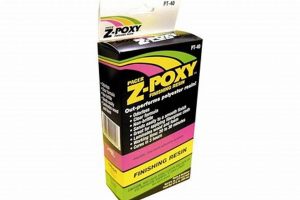
The process of applying a protective and aesthetic coating to maple cabinetry enhances its durability and visual appeal. This procedure typically involves surface preparation, application of stains or sealants, and the addition of a topcoat for long-lasting protection. A well-executed coating application protects the wood from moisture, scratches, and fading, while simultaneously highlighting its natural grain and color.
Properly protecting maple cabinetry contributes significantly to the longevity and overall value of the investment. It safeguards against daily wear and tear, extending the lifespan of the cabinets and reducing the need for frequent replacements. Historically, the techniques employed to safeguard wooden surfaces have evolved from simple oil applications to sophisticated multi-layer systems offering enhanced resistance to environmental factors and improved aesthetic qualities.
Therefore, a detailed understanding of the techniques and materials involved in achieving a durable and visually appealing result is crucial. Subsequent sections will delve into surface preparation, stain selection, sealant options, and topcoat application methods, providing a comprehensive guide for successfully enhancing and preserving the beauty of maple cabinets.
Finishing Maple Cabinets
Achieving a professional and long-lasting finish on maple cabinets requires careful attention to detail and adherence to best practices. The following tips offer guidance on key aspects of the process, ensuring a durable and aesthetically pleasing result.
Tip 1: Surface Preparation is Paramount: Thoroughly sand all surfaces using progressively finer grits of sandpaper, starting with 120-grit and ending with 220-grit. This ensures a smooth, even surface for optimal finish adhesion. Remove all sanding dust using a vacuum and tack cloth.
Tip 2: Grain Raising Before Staining: Maple has a tendency to raise its grain when water-based products are applied. Dampen the wood with a wet cloth and allow it to dry completely before sanding lightly with 320-grit sandpaper. This prevents blotchy stain absorption.
Tip 3: Select a Compatible Stain: Opt for a stain specifically designed for hardwoods, as maple’s tight grain can make stain penetration challenging. Consider using a gel stain, which sits on the surface and provides more even color distribution.
Tip 4: Apply a Sealer or Conditioner: Before staining, apply a sanding sealer or wood conditioner. This pre-treatment helps to control stain absorption, preventing blotching and ensuring a uniform color across the entire surface.
Tip 5: Multiple Thin Coats are Superior: Apply thin, even coats of the chosen finish, allowing each coat to dry completely before applying the next. Multiple thin coats create a more durable and visually appealing finish than a single thick coat.
Tip 6: Proper Curing Time is Essential: Allow the finished cabinets to cure completely before installing hardware or placing items inside. Rushing the curing process can lead to a soft, easily damaged finish.
Tip 7: Consider a Test Piece: Before applying any finish to the cabinets, test the entire process on a scrap piece of maple. This allows for experimentation with different stains and finishes and helps to avoid costly mistakes.
Following these guidelines will significantly enhance the quality and longevity of the finish, resulting in beautiful and durable maple cabinets. The careful application of these techniques ensures lasting protection and aesthetic appeal.
These tips provide a foundation for successful cabinet finishing. The next section will discuss common problems encountered and provide solutions for achieving a flawless outcome.
1. Surface Preparation

Surface preparation forms the critical foundation upon which a successful and durable finish on maple cabinets is built. Neglecting proper preparation invariably leads to adhesion problems, uneven color absorption, and ultimately, a compromised final product. The following details explore essential facets of surface preparation.
- Cleaning and Degreasing
The removal of contaminants such as grease, wax, and fingerprints is paramount. Residue left on the cabinet surface prevents the finish from properly bonding with the wood. This can be achieved through the use of appropriate solvents or degreasers, followed by a thorough wipe-down with a clean, lint-free cloth. Failure to do so often results in peeling or fisheye defects in the applied finish.
- Sanding for Adhesion
Sanding creates microscopic scratches on the surface, increasing the surface area available for the finish to grip. The choice of sandpaper grit is critical; starting with coarser grits (e.g., 120-grit) removes imperfections, while finer grits (e.g., 220-grit) smooth the surface for a flawless finish. Uneven sanding can lead to visible scratches or swirl marks beneath the final coating.
- Dust Removal
Sanding generates significant amounts of dust that must be completely removed before applying any finish. Dust particles trapped beneath the finish create an uneven surface and detract from the aesthetic appeal. Methods for dust removal include vacuuming with a brush attachment, wiping with a tack cloth, or using compressed air.
- Grain Raising and Mitigation
Maple wood is prone to grain raising, particularly when water-based finishes are used. This occurs when moisture causes the wood fibers to swell, creating a rough surface. To mitigate this, the wood can be pre-wet and allowed to dry, followed by a light sanding to knock down the raised grain before applying the chosen finish. This process is essential for achieving a smooth and even final result.
These preparatory steps, though often time-consuming, are indispensable for achieving a durable and aesthetically pleasing finish on maple cabinets. Omission of any step can compromise the integrity of the entire finishing process, leading to premature failure and diminished aesthetic appeal. Proper surface preparation is, therefore, a non-negotiable element in ensuring the longevity and beauty of maple cabinets.
2. Stain Selection

The selection of an appropriate stain is a critical determinant in the final appearance of maple cabinets. Maple’s inherent density and tight grain structure pose challenges to uniform stain absorption, often leading to blotching or uneven color distribution if the correct stain type and application method are not employed. A poorly chosen stain can accentuate the natural variations in maple’s grain, resulting in an undesirable aesthetic. Conversely, a well-selected stain enhances the wood’s character while providing a consistent and attractive hue. The cause-and-effect relationship between stain selection and the overall finish is direct and significant; a mismatch can necessitate complete refinishing.
Consider the practical example of a homeowner attempting to achieve a dark, rich stain on maple cabinets using a traditional oil-based stain without proper preparation. The result is often a splotchy, uneven appearance, with certain areas absorbing far more stain than others. This highlights the importance of considering alternative stain formulations, such as gel stains, which sit on the surface of the wood and provide a more consistent color. Furthermore, the use of a wood conditioner or pre-stain sealer prior to stain application can significantly improve the uniformity of stain absorption. The practical significance of understanding stain selection lies in avoiding costly mistakes and achieving a professional-looking finish.
In summary, stain selection is not merely an aesthetic decision but a technical one that directly impacts the success of the finishing process. Challenges arise from maple’s inherent characteristics, necessitating careful consideration of stain type, application technique, and the use of pre-treatment products. Ultimately, informed stain selection is vital for achieving the desired aesthetic while ensuring a durable and visually appealing finish on maple cabinets, contributing significantly to their long-term value and appearance.
3. Sealer Application

Sealer application represents a critical step within the comprehensive process of finishing maple cabinets. Its primary function is to create a uniform surface that promotes even stain absorption, mitigating the blotchy appearance that often plagues maple due to its variable density. The absence of a sealer can result in inconsistent color penetration, where certain areas of the wood absorb more stain than others, leading to a visually unappealing and unprofessional outcome. For instance, when staining maple cabinets a medium-dark color, the lack of sealer often manifests as dark blotches interspersed with areas of significantly lighter hue, disrupting the intended aesthetic. The practical effect is a finished product that appears amateurish and detracts from the overall value of the cabinetry.
Further demonstrating the importance of sealer application, consider the impact on topcoat adhesion. A properly applied sealer not only controls stain absorption but also creates a stable and compatible surface for the subsequent layers of finish. Sealers effectively bridge the gap between the raw wood and the final topcoat, preventing issues such as cracking, peeling, or delamination. Applying a polyurethane topcoat directly to unstained maple, for example, may result in poor adhesion over time, particularly in high-use areas like cabinet doors and drawer fronts. In contrast, cabinets treated with a quality sealer exhibit enhanced durability and longevity, preserving the finish for an extended period and reducing the need for costly repairs or refinishing.
In conclusion, sealer application is not merely an optional step but a necessary component for achieving a professional and lasting finish on maple cabinets. It addresses the inherent challenges posed by maple’s characteristics, ensuring uniform stain absorption and promoting optimal topcoat adhesion. By properly sealing maple cabinets, one can avoid common pitfalls such as blotchy finishes and premature finish failure, thereby maximizing the aesthetic appeal and lifespan of the cabinetry. The understanding of the practical significance of sealer application is essential for both professional finishers and homeowners seeking to enhance the beauty and durability of their maple cabinets.
4. Topcoat Technique

The application of a topcoat is a critical phase in securing and refining maple cabinet finishes. This final layer provides essential protection against wear, moisture, and ultraviolet light, thereby prolonging the lifespan and maintaining the aesthetic appeal of the underlying stain and sealer. Inadequate topcoat technique can negate the efforts invested in prior stages, resulting in premature finish failure, discoloration, or an uneven surface. The correlation between proper topcoat execution and the longevity of the overall finish is direct; insufficient application compromises the entire system.
For instance, improper spraying techniques may lead to runs, sags, or an orange-peel texture on the cabinet surface. These imperfections detract from the smooth, professional appearance sought in quality cabinet finishes. Furthermore, selecting an inappropriate topcoat for the intended environment, such as using a water-based product in a high-humidity setting, can lead to clouding or peeling. Conversely, a properly applied, durable topcoat, such as catalyzed varnish or conversion varnish, provides exceptional resistance to chemicals, abrasion, and moisture, ensuring the maple cabinets withstand daily use and maintain their beauty over time. Moreover, achieving the correct film build, or thickness, is essential; too little coating offers inadequate protection, while excessive coating can obscure the grain and create a plastic-like appearance. Precise topcoat technique directly impacts the durability and visual quality of the finished maple cabinets.
In summary, the topcoat technique is an indispensable element of finishing maple cabinets, functioning as the primary defense against environmental factors and physical damage. Proficiency in application methods, material selection, and film-build control is paramount for achieving a durable, aesthetically pleasing, and long-lasting finish. Challenges in this phase necessitate a comprehensive understanding of coating properties and application nuances, reinforcing the inextricable link between topcoat technique and the successful preservation of maple cabinetry.
5. Curing Process
The curing process represents the final, yet crucial, stage in finishing maple cabinets. This phase, often overlooked, determines the long-term durability and performance of the applied finish. Curing involves the complete chemical hardening of the coating, during which the solvents evaporate and the finish achieves its maximum hardness, adhesion, and resistance to chemicals, moisture, and abrasion. Premature use of finished cabinets before full curing can lead to surface damage, softening of the finish, and compromised protection. The cause-and-effect relationship is direct: insufficient curing results in a compromised finish, regardless of the quality of materials or application techniques.
For example, consider a scenario where newly finished maple cabinets, coated with a polyurethane topcoat, are installed and used within 24 hours of application. The polyurethane may feel dry to the touch, but the curing process is still underway. Placing heavy objects on the shelves or exposing the surface to cleaning agents during this time can cause permanent indentations, scratches, or chemical damage. In contrast, allowing the finish to cure for the manufacturer’s recommended time (typically 7-30 days, depending on the product) ensures that the finish attains its optimal protective properties. This proper curing period translates to a finish that can withstand daily use, resist spills, and maintain its aesthetic appeal for years to come. The practical significance of this understanding is evident in the reduced need for repairs or refinishing, ultimately saving time and resources.
In summary, the curing process is an indispensable component of finishing maple cabinets, influencing both the short-term usability and the long-term durability of the finished product. While initial application techniques are important, proper curing is what solidifies the investment. Challenges often stem from impatience or a lack of awareness regarding curing times; however, adhering to manufacturer guidelines and allowing sufficient curing time is essential for achieving a high-quality, resilient, and lasting finish on maple cabinets, linking directly to their sustained value and aesthetic appeal.
Frequently Asked Questions
This section addresses common inquiries regarding the process of applying a finish to maple cabinets, providing clarity on key aspects and potential challenges.
Question 1: Why is surface preparation so critical before finishing maple cabinets?
Surface preparation is paramount because it directly impacts the adhesion and uniformity of the subsequent finish layers. Contaminants and imperfections on the surface will prevent the finish from bonding properly, leading to peeling, chipping, or an uneven appearance. Proper sanding, cleaning, and degreasing ensure a smooth, receptive surface for optimal finish performance.
Question 2: What type of stain is best suited for maple cabinets?
Maple’s tight grain structure presents challenges to uniform stain absorption. Gel stains and wood conditioners are often recommended. Gel stains tend to sit on the surface, providing a more consistent color, while wood conditioners help to control the penetration of traditional stains, minimizing blotching. The choice depends on the desired aesthetic and the specific characteristics of the maple wood being finished.
Question 3: Is a sealer truly necessary before applying a topcoat?
The application of a sealer is strongly advised. A sealer creates a uniform base for the topcoat, preventing uneven absorption and potential compatibility issues between the stain and the topcoat. It also enhances the overall durability and longevity of the finish by improving adhesion and resistance to environmental factors.
Question 4: What are the key considerations when selecting a topcoat for maple cabinets?
Key considerations include durability, water resistance, chemical resistance, and sheen level. For high-use areas, a more durable topcoat, such as catalyzed varnish or conversion varnish, is recommended. The choice of sheen (matte, satin, semi-gloss, gloss) is largely an aesthetic preference, but it can also affect the perceived clarity and depth of the finish.
Question 5: How long should maple cabinets be allowed to cure after finishing?
The curing time varies depending on the type of finish used and the environmental conditions. However, it is generally recommended to allow the cabinets to cure for at least 7 to 30 days before heavy use. Consulting the manufacturer’s guidelines for specific curing times is essential to ensure the finish achieves its full hardness and durability.
Question 6: What are some common signs of a poorly executed finish on maple cabinets?
Common signs include blotching or uneven stain absorption, peeling or chipping of the finish, a cloudy or hazy appearance, runs or sags in the topcoat, and a rough or textured surface. These issues typically indicate inadequate surface preparation, improper stain or finish selection, or incorrect application techniques.
These frequently asked questions provide a foundation for understanding the nuances of finishing maple cabinets. By addressing these concerns, one can minimize the risk of errors and achieve a high-quality, durable, and aesthetically pleasing result.
The subsequent section will provide resources for obtaining materials and professional assistance.
Conclusion
This exploration of finishing maple cabinets has illuminated the critical steps and considerations necessary for achieving a durable and aesthetically pleasing result. From meticulous surface preparation and judicious stain selection to the proper application of sealers and topcoats, each stage plays a vital role in the longevity and visual appeal of the finished product. Moreover, the significance of the curing process cannot be overstated, as it solidifies the finish and ensures its resistance to daily wear and tear.
The information presented serves as a comprehensive guide for professionals and homeowners alike seeking to enhance and protect their maple cabinetry. A commitment to best practices and informed decision-making will not only yield superior results but also preserve the value and beauty of these wooden surfaces for years to come. Continued adherence to established techniques and a willingness to adapt to evolving product innovations will be essential in maintaining the integrity of expertly finished maple cabinets.