Surface treatments for concrete that impart a glossy, refined appearance are categorized based on the degree of reflectivity, aggregate exposure, and refinement techniques. These treatments range from a subtle sheen to a mirror-like polish, offering diverse aesthetic and functional outcomes. For example, a heavily ground and polished concrete slab will reveal more of the aggregate beneath the surface, providing a terrazzo-like aesthetic, while a lower-grit polish will maintain a smoother, more monolithic appearance.
These refined surfaces offer several advantages, including enhanced durability, reduced maintenance requirements, and improved light reflectivity within a space. Historically, achieving such finishes involved laborious manual grinding and polishing processes. Modern advancements in equipment and techniques have streamlined the process, making these aesthetically pleasing and robust surfaces more accessible for residential, commercial, and industrial applications.
The following sections will delve into the specific characteristics and applications of various levels of surface refinement, outlining the processes involved and the resulting visual and performance attributes. An understanding of these distinctions is crucial for selecting the appropriate concrete treatment to meet the desired aesthetic and functional needs of a project.
Essential Considerations for Concrete Surface Refinement
Achieving optimal results with concrete surface treatments requires careful planning and execution. The following tips offer insights into key considerations for ensuring a successful project.
Tip 1: Substrate Assessment: A thorough evaluation of the existing concrete slab is paramount. Factors such as concrete hardness, flatness, and the presence of existing coatings or contaminants will significantly impact the final outcome. Proper preparation, including patching cracks and leveling uneven areas, is crucial for achieving a uniform polish.
Tip 2: Aggregate Exposure Selection: The level of aggregate exposure desired influences the initial grinding stages. A “salt and pepper” finish, where only the tips of the aggregate are visible, requires less aggressive grinding than a “full exposure” finish, which reveals a significant portion of the aggregate matrix. Specify the desired exposure level precisely to guide the grinding process.
Tip 3: Abrasive Selection: The selection of appropriate abrasive grits is critical for achieving the desired level of refinement. Progressing through a series of grits, typically starting with coarser grits for initial grinding and transitioning to finer grits for polishing, ensures a smooth and reflective surface. Using incompatible or excessively coarse grits can damage the concrete and result in an uneven finish.
Tip 4: Densification Application: The application of a concrete densifier hardens the concrete surface, increasing its resistance to abrasion and staining. Applying a densifier after the initial grinding stages maximizes its penetration and effectiveness. Ensure the densifier is compatible with the concrete composition and subsequent polishing steps.
Tip 5: Polishing Compound Selection: Polishing compounds enhance the reflectivity and clarity of the treated surface. Choose a compound specifically formulated for concrete polishing and appropriate for the desired gloss level. Proper application and buffing techniques are essential to avoid hazing or streaking.
Tip 6: Maintenance Protocol: Establishing a regular maintenance protocol is essential for preserving the appearance and longevity of the refined concrete surface. Routine cleaning with neutral pH cleaners and periodic re-polishing will help maintain its luster and prevent staining.
Proper substrate preparation, informed abrasive selection, and meticulous execution are vital to achieving a durable and aesthetically pleasing refined concrete surface. These surfaces offer a cost-effective, sustainable, and visually appealing flooring solution.
The following sections will explore common challenges encountered during concrete surface refinement and strategies for addressing them effectively.
1. Gloss Level

Gloss level is a primary differentiator among surfaces achieved through concrete refinement processes. The level of reflectivity, measured in distinct gloss units, dictates the aesthetic impact and functional properties of the finished surface. A direct correlation exists between the degree of polishing and the resulting gloss reading; more aggressive grinding and finer polishing grits yield higher gloss levels. Consequently, specifying a desired gloss level determines the necessary steps in the surface refinement process. For example, a surface intended for a retail environment may require a high-gloss finish (70+ gloss units) to enhance light reflectivity and create a visually appealing space, necessitating multiple stages of fine polishing.
The selection of a specific gloss level is not merely an aesthetic choice but also influences the surface’s performance characteristics. Higher gloss finishes tend to be denser and less porous, providing increased resistance to staining and liquid penetration. This characteristic is particularly relevant in environments subject to spills or heavy foot traffic. Conversely, lower gloss finishes, while potentially more forgiving in terms of visual imperfections, may require more frequent maintenance to prevent staining and wear. Consider, for example, a warehouse floor; a lower-gloss, matte finish may be preferred to minimize glare and ensure better traction, despite offering less stain resistance compared to a high-gloss, polished concrete surface.
In summary, gloss level serves as a critical determinant in categorizing surface treatments. Its selection dictates the grinding and polishing process, impacts aesthetic qualities, and influences functional performance. Specifying an appropriate gloss level requires careful consideration of the intended application, desired visual effect, and long-term maintenance requirements, ensuring the chosen surface finish aligns with the specific needs of the environment. The relationship between gloss level and surface types is integral to understanding and executing appropriate concrete floor designs.
2. Aggregate Exposure

The extent to which the aggregate component of concrete is revealed at the surface is a primary determinant in the categorization and aesthetic of concrete surface refinement. Varied levels of aggregate exposure, achieved through specific grinding techniques, significantly impact the appearance and performance characteristics of the finished surface, influencing its suitability for diverse applications.
- Salt and Pepper Finish
This minimal exposure, resulting from light grinding, reveals only the tips of the aggregate, creating a subtle, speckled appearance. Commonly specified for commercial spaces requiring a clean, uniform aesthetic without significant texture variation, it offers a balance between refinement and cost-effectiveness. The limited grinding minimizes labor and material expenses, while still providing the benefits of a hardened and densified concrete surface.
- Medium Exposure
Achieved through moderate grinding, this finish reveals a larger portion of the aggregate, creating a more textured and visually dynamic surface. The resulting appearance showcases a greater proportion of the aggregate matrix, offering a blend of the concrete’s natural character with the benefits of a refined surface. Suitable for residential and light commercial applications, this level of exposure adds visual interest without sacrificing ease of maintenance.
- Full Exposure
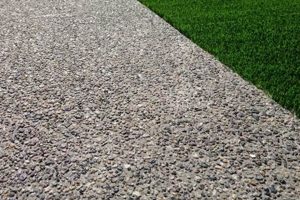
This aggressive grinding technique exposes a significant portion of the aggregate, resulting in a terrazzo-like appearance. The resultant surface is characterized by a high degree of visual complexity and texture, often employed in high-end commercial and residential projects seeking a unique and sophisticated aesthetic. Achieving full exposure demands specialized equipment and skilled operators to ensure uniform aggregate distribution and avoid damage to the concrete matrix.
- Seeded Aggregate
This specialized technique involves intentionally embedding decorative aggregates into the concrete mix, which are then revealed during the grinding process. This allows for customization of the surface appearance with specific colors, sizes, and types of aggregate. Seeded aggregate surfaces are commonly used in architectural applications where a distinct and personalized aesthetic is desired. The selection and placement of aggregate requires careful planning and execution to achieve the intended visual effect.
The level of aggregate exposure constitutes a fundamental aspect of refined surfaces, influencing both their aesthetic character and performance attributes. Selecting the appropriate level of exposure requires careful consideration of the intended use, design aesthetic, and budget constraints, ensuring that the final surface finish aligns with the project’s specific requirements. The interplay between grinding techniques and aggregate properties defines the versatility of concrete surface refinement as it relates to achieving diverse design outcomes.
3. Dye/Stain Options

The integration of dyes or stains constitutes a significant customization aspect of concrete surface refinement. These colorants permeate the concrete matrix, providing a durable and aesthetically versatile finish. The choice of dye or stain fundamentally alters the visual character of refined surfaces, transforming plain gray concrete into a spectrum of hues and tones. Different chemical compositions and application methods determine the final color intensity, depth, and resistance to fading, affecting long-term appearance. For instance, reactive acid stains chemically bond with the concrete, creating variegated, mottled effects, while non-reactive dyes offer more uniform and predictable colorations. Ultimately, selecting appropriate coloring agents hinges on the intended design aesthetic, desired durability, and anticipated environmental conditions.
The impact of dyes or stains is inextricably linked to the selected surface refinement level. The degree of grinding and polishing influences color absorption and visibility. A lightly ground “salt and pepper” finish, for example, may display a more subtle color compared to a full aggregate exposure where the porous cement paste readily accepts the coloring agent. Moreover, the application timing relative to densification influences color penetration; applying dyes or stains before densification can enhance color intensity, but may compromise the densifier’s performance. Consider the application of a deep charcoal dye to a fully exposed aggregate surface in a modern loft; the exposed aggregate enhances the color saturation, creating a striking visual contrast. Conversely, a pastel dye applied to a minimally ground surface may produce a more muted and understated effect.
In conclusion, dye and stain options are integral to achieving customized designs. The application of colorants allows for aesthetic control and transformation, affecting both the appearance and long-term performance. The integration of these options with varying refinement levels and careful consideration of performance characteristics is paramount to producing visually compelling and enduring refined concrete surfaces. The interplay between color, grinding, and finishing techniques is critical in translating design intentions into reality.
4. Densifier application

Densifier application is an indispensable step in the creation of durable, aesthetically pleasing surfaces. These chemical treatments, typically composed of silicate-based compounds, react with the free calcium hydroxide present in concrete, producing calcium silicate hydrate (CSH). This reaction significantly increases the concrete’s surface hardness and density, making it more resistant to abrasion, impact, and staining. The effectiveness of surface refinement relies heavily on the enhanced durability imparted by densifiers. Without proper densification, the refined surface is susceptible to premature wear and damage, negating much of the labor and investment involved in the grinding and polishing processes. A warehouse floor, for example, subjected to heavy forklift traffic, necessitates thorough densification to withstand the constant abrasion and maintain its refined appearance over time.
The timing and method of densifier application directly affect the final result. Application typically occurs after the initial grinding stages, allowing the densifier to penetrate deeply into the concrete matrix. Multiple applications may be necessary to achieve optimal densification, particularly in porous or weak concrete. The choice of densifier is also crucial, as different formulations offer varying levels of performance and compatibility with specific concrete types. Over-application or improper distribution can lead to surface hazing or discoloration, negatively impacting the aesthetic outcome. Consider a museum floor, where a lithium-based densifier might be preferred to avoid the potential for efflorescence associated with sodium-based alternatives, ensuring a clear, untainted refined surface. These considerations are essential to preserve the investment of grinding and polishing.
In summary, densifier application is not merely an ancillary process but an integral component of concrete surface refinement. It enhances the concrete’s inherent properties, ensuring the longevity and resilience of the finished surface. The correct selection, timing, and application method are critical to achieving the desired performance characteristics. Ignoring or improperly executing the densification process undermines the entire refinement effort, leading to premature wear, aesthetic degradation, and increased maintenance costs. The impact of densifier selection and application on the result is significant.
5. Grinding process

The grinding process is foundational to achieving desired refined concrete surfaces. It directly influences the surface’s smoothness, aggregate exposure, and overall aesthetic. Varying levels of grinding, utilizing progressively finer abrasive grits, dictate the removal of surface imperfections and the degree to which the underlying aggregate is revealed. Insufficient grinding results in a surface that lacks the desired sheen and may exhibit residual imperfections. Conversely, excessive or uneven grinding can damage the concrete matrix, leading to an inconsistent finish and potential structural weaknesses. A museum floor, aiming for a high-gloss, uniform appearance, requires meticulous grinding with diamond-impregnated pads, gradually progressing from coarser to finer grits. This systematic approach ensures a flawlessly smooth surface, optimized for subsequent polishing stages. Without this, the result cannot be said to be refined.
The relationship between the grinding process and the eventual refined concrete finish extends beyond mere aesthetics. The grinding stage directly impacts the concrete’s performance characteristics. Proper grinding prepares the surface for densification and polishing, allowing these treatments to penetrate effectively and enhance the concrete’s hardness, stain resistance, and overall durability. For example, in industrial settings where abrasion resistance is critical, the grinding process removes any weak surface layers and creates a dense, uniform substrate for the application of protective coatings. Inadequate grinding can compromise the effectiveness of these coatings, leading to premature wear and increased maintenance costs. The choice of grinding method and the sequence of abrasive grits used are, therefore, critical decisions that directly impact the longevity and functionality of the finished surface.
In conclusion, the grinding process is not merely a preparatory step but a defining factor in determining the quality and characteristics of refined concrete surfaces. From controlling aggregate exposure and surface smoothness to enhancing durability and coating adhesion, the grinding process exerts a profound influence on the final outcome. A thorough understanding of grinding techniques, abrasive selection, and their relationship to desired performance attributes is essential for achieving successful and enduring refined concrete surfaces. The degree of effort and care taken in the initial grinding directly correlates with the ultimate success of the refined concrete finish.
6. Sealer protection

Sealer protection represents a crucial final stage in achieving durable and aesthetically pleasing surfaces. The application of a sealer to surfaces serves as a protective barrier, mitigating the impact of environmental factors and operational wear that can compromise the integrity and appearance of the finish over time.
- Stain Resistance
Penetrating sealers create an impermeable barrier, preventing liquids such as oils, acids, and dyes from penetrating the concrete matrix. This protection is particularly relevant in high-traffic commercial spaces or residential kitchens where spills are likely to occur. Without a sealer, staining agents can deeply penetrate the concrete, resulting in permanent discoloration and requiring costly remediation.
- Abrasion Resistance
Surface wear from foot traffic, equipment, or cleaning processes can gradually erode polished surfaces, diminishing their sheen and revealing underlying imperfections. Sealers enhance surface hardness, providing an additional layer of protection against abrasion. This enhanced resistance is critical in maintaining the aesthetic quality of over time, particularly in areas subject to heavy use.
- Moisture Protection
Concrete is inherently porous and susceptible to moisture absorption. Excessive moisture can lead to a variety of problems, including efflorescence, cracking, and the growth of mold or mildew. Sealers reduce moisture permeability, preventing water from entering the concrete and causing damage. This is particularly important in environments with high humidity or frequent exposure to water, such as bathrooms, kitchens, or exterior applications.
- UV Resistance
In exterior applications, exposure to ultraviolet (UV) radiation can cause fading, discoloration, and degradation of surface treatments. UV-resistant sealers contain additives that block or absorb UV rays, protecting the refined surface from sun damage. This is especially important for dyed or stained surfaces, as UV exposure can accelerate the fading of pigments. Proper sealer application is essential for preserving the aesthetic integrity of refined concrete in outdoor settings.
The selection and application of an appropriate sealer are paramount to preserving the investment made in achieving refined surfaces. Sealers extend the lifespan of concrete treatments, reduce maintenance requirements, and maintain their aesthetic appeal. Neglecting sealer protection can lead to premature degradation, necessitating costly repairs or complete resurfacing, undermining the long-term value. The interplay between surface preparation, refinement techniques, and sealer protection determines the ultimate durability and visual appeal of these finishes.
Frequently Asked Questions
This section addresses common inquiries regarding the application, performance, and maintenance of surface treatments. The information aims to clarify prevalent misconceptions and provide a comprehensive understanding of options.
Question 1: What determines the classification of differing types of refined concrete?
The classification is primarily determined by gloss level (reflectivity), aggregate exposure, and the incorporation of dyes or stains. The degree of grinding and polishing, along with the application of densifiers and sealers, further influences the categorization.
Question 2: How does the degree of aggregate exposure affect the suitability of the concrete finish for various applications?
Minimal (“salt and pepper”) exposure is generally appropriate for commercial spaces requiring a uniform appearance. Medium exposure offers a balance between aesthetics and ease of maintenance, suitable for residential applications. Full exposure, resembling terrazzo, is often employed in high-end designs. The selected exposure level affects cost, maintenance demands, and aesthetics.
Question 3: What are the primary benefits of applying a concrete densifier during the surface treatment process?
Densifiers increase surface hardness, reduce porosity, and enhance resistance to abrasion and staining. The chemical reaction with concrete components creates a denser surface, improving the long-term durability and performance of the finish.
Question 4: What maintenance procedures are essential for preserving the appearance of refined concrete surfaces?
Regular cleaning with neutral pH cleaners is crucial. Periodic re-polishing may be necessary to maintain the desired gloss level and address minor surface imperfections. Promptly addressing spills prevents staining and minimizes potential damage.
Question 5: Are there any limitations to the use of dyes or stains in conjunction with surface refinement?
Color uniformity can be challenging to achieve, particularly with porous or inconsistently prepared concrete. The selected dye or stain must be compatible with the concrete composition and subsequent polishing steps. Light-colored dyes may be susceptible to fading in direct sunlight.
Question 6: What role does sealer application play in the longevity of a treated surface?
Sealers provide a protective barrier against moisture, staining, and abrasion. They extend the lifespan of the treatment, reduce maintenance requirements, and preserve the aesthetic appeal. The selection of an appropriate sealer is critical for achieving optimal performance.
Understanding the nuances of concrete surface refinement involves recognizing the interdependency of grinding, polishing, densification, and sealing processes. Proper planning and execution are vital for realizing a durable, aesthetically pleasing, and cost-effective flooring solution.
The next section will delve into case studies illustrating diverse applications of concrete surface treatments in residential, commercial, and industrial settings.
Conclusion
The preceding exploration of polished concrete finish types elucidates the diverse options available for transforming utilitarian concrete into aesthetically refined and functionally robust surfaces. The characteristics of each finishdefined by gloss level, aggregate exposure, and the strategic application of dyes, densifiers, and sealersnecessitate a thorough understanding of the interplay between process and desired outcome. Success hinges upon meticulous surface preparation, informed material selection, and skillful execution of grinding and polishing techniques.
Ultimately, the informed selection of an appropriate surface treatment empowers architects, designers, and facility managers to leverage the inherent durability and versatility of concrete while achieving specific design objectives. Continued advancements in materials and techniques promise even greater customization and performance capabilities for these surface refinements, solidifying their relevance in diverse construction projects. Prioritizing informed decision-making will optimize the long-term value and sustainability of concrete flooring installations.