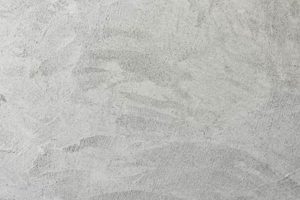
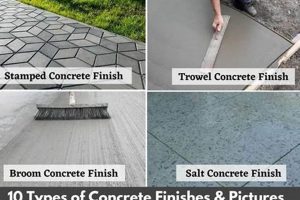
A surface treatment applied to hardened cementitious material resulting in a coarse, textured appearance, is often specified in construction. This intentional surface characteristic can be achieved through various methods, including specialized formwork, aggregate exposure techniques, or post-casting surface preparation. An example includes leaving board marks from wooden forms visible after the concrete has cured, creating a visually striking and tactile texture.
This type of surface treatment offers several advantages. It can enhance the aesthetic appeal of structures, providing a visually interesting alternative to smoother surfaces. Furthermore, the increased surface area may improve bonding for subsequent applications, such as plaster or render. Historically, it has been employed to create a more rustic or industrial aesthetic, or to blend structures with their natural surroundings.
The following sections will delve into specific techniques for achieving this texture, explore its diverse applications in architectural and structural design, and discuss considerations for its long-term maintenance and durability. Subsequent discussion will also encompass its role in sustainable building practices and its contribution to the overall lifespan of concrete structures.
Achieving Optimal Results
This section provides crucial guidelines for successfully implementing a coarse-textured surface in concrete construction. Adherence to these points will contribute to both aesthetic satisfaction and structural integrity.
Tip 1: Formwork Selection: The choice of formwork material directly impacts the final surface. Timber formwork, for instance, imparts distinct grain patterns, while specialized textured liners offer consistent, repeatable patterns. Prior to pouring, thoroughly evaluate the desired aesthetic and select formwork accordingly.
Tip 2: Aggregate Exposure Techniques: Methods such as surface retarders or water blasting can be employed to reveal the aggregate within the concrete mix. The type and size of aggregate selected will significantly influence the overall texture and appearance. Carefully consider the aggregate’s color and composition in relation to the desired outcome.
Tip 3: Concrete Mix Design: The mix proportions and additives influence the workability and setting time, directly impacting the ease with which the surface can be manipulated. Lower water-cement ratios generally produce stronger, more durable surfaces. Consult with a concrete specialist to optimize the mix design for the specific surface treatment technique.
Tip 4: Proper Curing Procedures: Adequate curing is essential to prevent cracking and ensure the full hydration of the cement paste. Maintaining consistent moisture levels during the initial curing period contributes to a stronger, more uniform surface, regardless of the intended texture.
Tip 5: Skilled Craftsmanship: The application of these techniques requires experienced personnel. Expertise in formwork construction, concrete placement, and surface finishing is crucial for achieving the desired aesthetic and structural performance. Employ qualified tradespeople with proven experience.
Tip 6: Sample Mock-ups: Prior to large-scale application, construct representative sample panels. These mock-ups allow for evaluation of the chosen techniques, materials, and craftsmanship, enabling adjustments to be made before committing to the final installation.
Tip 7: Surface Sealing: Application of a suitable sealer protects the surface from environmental factors and enhances its long-term durability. Select a sealer appropriate for the specific concrete mix and environmental conditions. Consider the impact of the sealer on the aesthetic, as some sealers can darken or alter the surface’s appearance.
These guidelines emphasize the importance of careful planning, material selection, and execution in achieving a successful textured surface on concrete structures. By adhering to these recommendations, durable and aesthetically pleasing results can be consistently achieved.
The next section will explore case studies showcasing successful implementations of this surface treatment, illustrating its versatility and potential in architectural design.
1. Texture Variation

Texture variation is an inherent characteristic of concrete, influenced by various factors during the construction process. In surfaces, this variation is not merely an aesthetic consideration; it’s a consequence of material properties and construction methods. The type of formwork employed, the aggregate size and distribution within the mix, and the specific finishing techniques applied all contribute to the final surface texture. For instance, the use of rough-sawn timber formwork will inevitably impart a more pronounced and irregular texture compared to steel forms, creating a visually distinct difference. These variations, stemming from both intentional design choices and inherent material properties, dictate the overall character and functionality of the surface.
The degree of texture variation plays a significant role in several practical applications. Highly textured surfaces can enhance slip resistance, making them suitable for walkways and exterior paving. The increased surface area, resulting from a coarser texture, improves the bond strength for subsequent applications such as plaster, stucco, or decorative coatings. Conversely, surfaces with minimal texture variation are often preferred for interior applications where ease of cleaning and a more refined aesthetic are desired. Understanding the relationship between these variations and the desired functional outcome is crucial for specifying the appropriate materials and construction techniques.
The challenge lies in controlling the texture variation to achieve a consistent and predictable result. This requires careful attention to detail throughout the entire construction process, from mix design and formwork preparation to concrete placement and finishing. By understanding the factors that contribute to texture variation, architects and engineers can effectively specify and manage it to meet both aesthetic and functional requirements, ultimately contributing to the overall success and longevity of concrete structures.These considerations directly influence the long-term performance and visual impact of the finished product, linking textural choices to broader architectural and engineering goals.
2. Formwork Impression

Formwork is a critical determinant in achieving the intended surface in concrete construction. The texture, material, and method of formwork construction directly imprint upon the concrete, influencing its final aesthetic appearance and, in some cases, its functional properties.
- Material Transfer
The material of the formwork, whether timber, steel, or specialized liners, transfers its texture to the concrete surface. Timber formwork, for instance, leaves grain patterns and knot imprints, creating a rustic aesthetic. Steel formwork, if untreated, can produce a smoother but potentially less characterful surface. Specialized form liners, such as those made of rubber or plastic, allow for intricate and repeatable patterns to be cast into the concrete. Each material necessitates careful consideration to align with the desired aesthetic.
- Joint Detailing
The joints between formwork panels create visible lines on the concrete surface. These lines can be minimized through precise formwork construction and the use of sealants or chamfer strips. However, in some cases, these lines are intentionally emphasized as part of the design, creating a modular or structured appearance. Consistent and accurate joint detailing is essential for achieving a predictable and aesthetically pleasing surface.
- Release Agents
Release agents are applied to the formwork to prevent the concrete from bonding to the formwork material. The type of release agent used can influence the final surface. Some release agents can react with the concrete, causing discoloration or surface defects. Selecting an appropriate release agent, and applying it correctly, is critical for achieving a uniform and visually appealing surface.
- Formwork Pressure
The pressure exerted by the wet concrete on the formwork can cause deformation, particularly with flexible formwork materials like timber. This deformation can lead to variations in the surface, such as bulges or uneven lines. Proper formwork bracing and design are essential to withstand the pressure and maintain the intended shape and surface. Accurate calculations and robust construction are vital for preventing unwanted deviations in the final product.
These facets of formwork impression highlight the integral role of formwork in dictating the final texture of concrete. The careful selection of formwork materials, attention to joint detailing, appropriate use of release agents, and robust formwork construction are all essential elements in achieving a surface that meets both aesthetic and functional requirements. Ultimately, successful implementation depends on a thorough understanding of the interplay between formwork and concrete, combined with skilled craftsmanship and diligent execution.
3. Aggregate Exposure

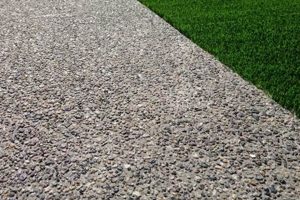
Aggregate exposure, a deliberate technique employed in concrete construction, is integrally linked to achieving the rough surface. This process involves removing the surface layer of cement paste to reveal the underlying aggregate particles, creating a textured finish. The cause-and-effect relationship is direct: the removal of the outer layer directly results in the presence of exposed aggregate, defining the surface’s character. The importance of aggregate exposure lies in its ability to transform a plain concrete surface into one that is visually and tactually interesting. This technique provides enhanced skid resistance in walkways or driveways. The selection of specific aggregate types (e.g., river rock, crushed granite) further dictates the aesthetic outcome, allowing for customization based on design requirements. An example is precast concrete panels with exposed aggregate used on building facades, offering both visual appeal and durability.
The practical application of aggregate exposure techniques varies. Surface retarders are often applied to the fresh concrete, delaying the setting of the cement paste. This allows for subsequent washing or brushing to remove the unset paste, exposing the aggregate. Another method involves water blasting, which uses high-pressure water to erode the surface and reveal the aggregate. Controlling the depth and consistency of exposure is crucial for achieving the desired aesthetic effect and maintaining structural integrity. Care must be taken to avoid damaging the aggregate particles or creating an uneven surface. Successful implementation depends on understanding the concrete mix design, the selected exposure method, and the skills of the finishing crew. Exposed aggregate is commonly found in landscaping, paving, and architectural features. It can enhance the aesthetic of a park pathway or add visual texture to a building wall.
In summary, aggregate exposure is a significant method for achieving surfaces. The technique alters the surface’s characteristics, influencing its appearance, texture, and functionality. Challenges exist in controlling the depth and consistency of exposure, requiring skilled execution. This technique can create visually interesting and practical surfaces in a wide range of applications. Understanding its principles and methods contributes to successful implementation in concrete construction. This directly influences the final aesthetic and functional properties of the constructed element, bridging the gap between structural material and architectural design.
4. Surface Adhesion

The relationship between a textured surface and surface adhesion is fundamentally important in concrete construction. The coarse texture, created either intentionally or as a byproduct of construction techniques, directly influences the ability of subsequent coatings, overlays, or repair materials to bond effectively. A smoother surface, in contrast, often presents a less favorable bonding profile. The increased surface area provided by a rough finish enhances mechanical interlock, allowing bonding agents to penetrate and grip the substrate more securely. An example is applying a stucco finish over concrete; a textured substrate provides a superior key compared to a smooth, power-troweled surface, reducing the risk of delamination.
Achieving adequate surface adhesion is not simply a matter of creating a rough profile. Surface preparation techniques, such as mechanical abrasion or chemical etching, are often employed to further enhance the bond. These methods remove laitance, a weak, powdery layer on the concrete surface, and create a clean, sound substrate. The selection of appropriate bonding agents or primers is also crucial for ensuring compatibility between the concrete and the applied material. For instance, epoxy bonding agents are commonly used to bond new concrete to existing surfaces, exploiting the mechanical advantage afforded by a suitably roughened substrate. Failures in surface adhesion can lead to premature deterioration, costly repairs, and potential safety hazards.
In summary, surface adhesion is a critical consideration in all concrete construction projects involving the application of secondary materials. Creating an adequately textured surface is a foundational step in achieving a durable and long-lasting bond. The principles of mechanical interlock and chemical compatibility must be carefully considered to optimize adhesion performance. Addressing these concerns proactively mitigates the risk of delamination and ensures the structural integrity of the finished product. The connection between surface preparation, bonding agents, and texture contributes directly to the overall success and longevity of the concrete element.
5. Aesthetic Impact

The visual characteristics inherent in a coarse surface finish of concrete contribute significantly to the overall aesthetic impression of a structure. The deliberate selection and execution of this finish directly shape the observer’s perception of the built environment, influencing its character and perceived quality.
- Tactile Quality
A prominent effect of a coarse finish is its enhanced tactile quality. The inherent texture invites touch, creating a more engaging sensory experience compared to smooth surfaces. In architectural applications, this can be leveraged to emphasize the materiality of concrete, drawing attention to its raw, unrefined nature. For instance, board-formed concrete walls in a museum can subtly encourage interaction with the building’s structure, enriching the visitor’s experience.
- Light and Shadow Play
The uneven surface topography inherent in a rough finish dramatically alters how light interacts with the concrete. The increased surface area creates greater variations in light and shadow, adding depth and visual interest. This effect is particularly pronounced under strong directional lighting, where the interplay of light and shadow accentuates the texture, lending a dynamic quality to the surface. Examples include textured concrete facades on buildings, where sunlight reveals the intricacies of the surface throughout the day.
- Industrial Aesthetic
A coarse finish often aligns with an industrial aesthetic, evoking a sense of raw functionality and structural honesty. The unrefined appearance can be particularly effective in projects aiming to convey a sense of strength, durability, and utilitarian purpose. This aesthetic is frequently employed in contemporary architecture, where exposed concrete elements are deliberately showcased as a design feature. For example, parking structures or warehouse conversions often utilize a rough finish to reinforce their industrial character.
- Contextual Harmony
The aesthetic impact extends to the surrounding environment. A deliberately coarse finish can be strategically employed to create contextual harmony, either by blending with the natural landscape or contrasting with surrounding architectural styles. In rural settings, textured concrete walls can mimic the roughness of natural stone, integrating the structure with its surroundings. Conversely, in urban environments, a stark, coarse finish can provide a deliberate contrast to more refined architectural elements, creating visual tension and highlighting the building’s unique character.
These distinct visual characteristics collectively define the aesthetic impact. The intentional manipulation of these parameters provides architects and designers with a powerful tool for shaping the visual identity of concrete structures, imbuing them with character and enhancing their relationship with the surrounding environment. The careful consideration of texture, light interaction, and stylistic alignment is essential for maximizing the aesthetic potential.
Frequently Asked Questions
The following questions address common inquiries and concerns related to the implementation and characteristics of concrete surfaces with a deliberate coarse texture. Answers provided aim for clarity and technical accuracy.
Question 1: What factors influence the degree of coarseness achieved during surface finishing?
The final texture depends on a combination of factors, including the aggregate size and distribution within the concrete mix, the type of formwork employed (e.g., timber, steel, textured liners), and the specific finishing techniques applied (e.g., brushing, water blasting, retarder application). Adjusting these parameters allows for a wide range of textures to be achieved.
Question 2: Does a coarse surface affect the structural integrity of the concrete?
Generally, the act of creating a intentionally textured surface does not compromise structural integrity, provided that appropriate techniques are used. However, excessive removal of surface material, improper use of chemical retarders, or damage to the aggregate particles can potentially weaken the concrete. Proper mix design and skilled workmanship are essential to prevent structural issues.
Question 3: Is this surface more susceptible to environmental damage (e.g., freeze-thaw cycles)?
While the increased surface area can potentially increase the rate of water absorption, this surface itself does not inherently make the concrete more susceptible to freeze-thaw damage. Proper sealing and the use of air-entrained concrete mixes can significantly improve resistance to freeze-thaw cycles, regardless of the surface texture.
Question 4: What are the typical applications?
The surface is commonly used in architectural features, landscaping elements, paving, and sound barriers. The textured surface provides aesthetic appeal, enhances skid resistance, and improves bonding for subsequent applications like plaster or stucco.
Question 5: How does the cost compare to conventional smooth concrete finishes?
The cost can vary depending on the complexity of the desired texture and the specific techniques employed. Techniques such as board forming or aggregate exposure may require specialized formwork or additional labor, increasing the overall cost compared to a standard smooth finish. However, in some cases, utilizing simpler techniques can make the cost comparable.
Question 6: What are the long-term maintenance requirements?
Maintenance requirements are generally similar to those of other concrete surfaces. Periodic cleaning to remove dirt and debris is recommended. Sealing can help protect the surface from staining and environmental damage, extending its lifespan and preserving its appearance. The increased surface area may make cleaning slightly more challenging compared to a smooth surface.
In summary, achieving a durable surface requires careful consideration of mix design, construction techniques, and maintenance practices. Addressing these factors proactively ensures that the surface retains its aesthetic appeal and structural integrity over time.
The subsequent sections will delve into specific case studies showcasing innovative applications. These examples will illustrate how careful planning and skilled execution can result in both aesthetically pleasing and functionally effective implementations.
Conclusion
This exploration of “rough finish concrete” has elucidated its multifaceted nature, extending beyond mere aesthetics. The preceding discussion underscored the importance of material selection, construction methodologies, and the inherent impact on surface adhesion and structural considerations. These elements coalesce to determine the long-term performance and viability of this specialized concrete finish.
Moving forward, a continued emphasis on research and development will be crucial for optimizing the application of this technique. Engineers and architects must collaborate to fully leverage the benefits, ensuring both structural integrity and visual appeal. Further innovation in mix design and application techniques holds the key to unlocking the full potential and broadening its scope within the built environment.