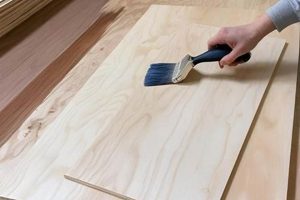
Exterior cladding, trim, and coatings represent vital elements in safeguarding a buildings structural integrity and aesthetic appeal. These components shield the underlying construction from the elements, including rain, wind, and solar radiation, while simultaneously contributing to the overall design and character of the structure. Examples include siding materials such as wood, vinyl, or fiber cement, as well as paint, stain, and decorative architectural details.
The selection of appropriate materials and their proper installation are crucial for long-term durability and energy efficiency. Well-maintained surfaces protect against moisture intrusion, preventing rot, mold growth, and structural damage. Furthermore, the color and texture contribute significantly to curb appeal, influencing property value and reflecting the homeowner’s personal style. Historically, material choices were often dictated by regional availability and climate, but contemporary options provide a broader range of performance and aesthetic possibilities.
Subsequent sections will delve into specific types of materials used for surfacing, detailing their advantages and disadvantages, installation techniques, and considerations for maintenance and longevity. Considerations of cost, environmental impact, and regulatory compliance related to these materials will also be examined.
Exterior Surface Treatment Guidance
The following recommendations provide guidance on the selection, application, and maintenance of external coatings and materials for residential buildings. Adherence to these principles can extend the lifespan of structural components and enhance property value.
Tip 1: Material Selection Based on Climate: Prioritize materials demonstrably resistant to the prevailing weather conditions. In coastal regions, salt-resistant coatings are essential; in areas with temperature extremes, consider materials with high thermal stability.
Tip 2: Proper Surface Preparation: Ensure surfaces are clean, dry, and free from debris before applying any coating. Pressure washing or abrasive blasting may be necessary to remove existing paint, mold, or mildew.
Tip 3: Adherence to Manufacturer Specifications: Follow the manufacturer’s instructions meticulously regarding mixing ratios, application techniques, and drying times. Deviations can compromise the integrity and longevity of the covering.
Tip 4: Implement a Regular Maintenance Schedule: Conduct routine inspections to identify and address minor issues, such as cracks or peeling paint, before they escalate into more significant problems.
Tip 5: Professional Installation for Complex Projects: For projects involving intricate designs or specialized materials, engage qualified professionals to ensure proper installation and avoid costly errors.
Tip 6: Consider Energy Efficiency: Explore options with reflective properties to reduce solar heat gain and lower energy consumption during warmer months. Insulated materials can further improve energy performance.
Tip 7: Environmental Considerations: Opt for materials with low volatile organic compound (VOC) emissions to minimize environmental impact and promote healthier indoor air quality.
Implementing these guidelines will contribute to the long-term performance, aesthetic appeal, and environmental responsibility of building exteriors.
The subsequent section will explore the financial implications of material choices and maintenance practices.
1. Material Durability

Material durability, in the context of surfacing, denotes a material’s capacity to withstand environmental stressors, physical impacts, and the passage of time without significant degradation. It is a fundamental characteristic directly impacting the longevity and performance of the entire building envelope. The selection of materials with inadequate durability can lead to premature failure, requiring costly repairs or replacements. For instance, the use of untreated wood siding in a region with high humidity and termite activity will predictably result in rot and infestation, compromising the structural integrity and requiring extensive remediation. The causal relationship is direct: insufficient durability results in accelerated deterioration.
The importance of material durability is further amplified when considering the life-cycle cost of a structure. While initially cheaper options may seem appealing, their shorter lifespan and increased maintenance requirements often negate any initial savings. Consider the example of using a low-grade paint on exterior trim. This paint may initially provide adequate coverage but will likely fade, crack, and peel within a few years, necessitating frequent repainting. In contrast, a higher-quality paint, formulated for exterior use and UV resistance, will maintain its appearance and protective qualities for a significantly longer period, reducing the frequency of repainting and lowering long-term expenses. The practical significance lies in recognizing that upfront investment in durable materials translates into reduced maintenance costs and extended building lifespan.
In summary, material durability is a critical determinant of the overall performance and economic viability. Selecting materials appropriate to the climate and intended use is paramount. Addressing potential challenges from environmental factors ensures the exterior surface withstands the test of time. Understanding and prioritizing material durability is therefore not merely a matter of aesthetics but a crucial investment in the long-term integrity and value of any structure.
2. Aesthetic Appeal

Aesthetic appeal in the realm of building exteriors refers to the visually pleasing and harmonious qualities achieved through the selection, arrangement, and application of materials. It constitutes a critical factor influencing property value, community perception, and occupant satisfaction. The exterior surfaces contribute significantly to a building’s identity and its integration within the surrounding environment.
- Color Palette and Harmony
The strategic selection of colors for siding, trim, and roofing materials establishes the overall visual tone. Harmonious color combinations create a sense of balance and visual coherence, enhancing curb appeal. Conversely, clashing colors can detract from a building’s aesthetic value. For example, a muted color palette of grays and blues may complement a contemporary architectural style, while earth tones might better suit a traditional design. Coordinated color choices communicate intentionality and elevate the building’s visual impact.
- Material Texture and Pattern
The texture and pattern of exterior materials contribute significantly to visual interest and tactile quality. Wood siding offers a natural, textured appearance, while smooth stucco provides a clean, modern aesthetic. The use of patterns, such as board-and-batten siding or decorative brickwork, adds visual complexity and character. The interplay of light and shadow on textured surfaces enhances depth and dimension. Thoughtful consideration of texture and pattern can transform a simple facade into a visually compelling composition.
- Architectural Detailing and Trim
Architectural details, such as window trim, cornices, and decorative moldings, serve to accentuate key architectural features and add visual refinement. These elements can be used to emphasize the building’s style, whether it be Victorian, Craftsman, or modern. Proportion and scale are crucial in the selection and placement of trim elements. Well-executed detailing elevates the overall aesthetic quality and conveys a sense of craftsmanship.
- Landscaping Integration and Visual Context
The relationship between the building exterior and the surrounding landscape profoundly impacts aesthetic appeal. Thoughtfully designed landscaping, including trees, shrubs, and flower beds, can complement the building’s architecture and create a welcoming atmosphere. Hardscaping elements, such as walkways and patios, should be integrated seamlessly with the building’s design. The visual context, including the surrounding neighborhood and natural environment, should also be considered in the design process to achieve a harmonious and visually pleasing outcome.
In summary, aesthetic appeal is achieved through the careful integration of color, texture, detailing, and landscape elements. A well-designed exterior surface not only enhances a building’s visual appeal but also contributes to its overall value and lasting impression. Thoughtful material and design choices are crucial for realizing the full potential of a building’s exterior appearance.
3. Weather resistance
Weather resistance, in the context of external surfacing, represents a crucial performance characteristic dictating a material’s capacity to withstand the detrimental effects of various environmental factors. The long-term integrity and functionality of a building envelope are inextricably linked to the weather resistance properties of its external components. Failure to adequately address weather resistance can lead to premature degradation, structural damage, and compromised energy efficiency.
- Moisture Intrusion Prevention
The primary role of weather-resistant materials is to prevent moisture intrusion. Rain, snow, and humidity can penetrate porous materials, leading to rot, mold growth, and structural weakening. Weather-resistant barriers, such as house wrap and waterproof membranes, act as a secondary line of defense, preventing water from reaching the underlying sheathing. Examples include properly installed flashing around windows and doors, and the use of water-resistant coatings on wood siding. The consequences of failing to prevent moisture intrusion can be significant, ranging from minor aesthetic damage to major structural repairs.
- Ultraviolet (UV) Radiation Resistance
Prolonged exposure to UV radiation can cause discoloration, fading, and degradation of many external materials. UV-resistant coatings and pigments are essential for maintaining the appearance and structural integrity. Examples include paints with UV inhibitors and siding materials formulated with UV stabilizers. Without adequate UV protection, materials can become brittle and prone to cracking, reducing their lifespan and compromising their protective function. The degradation caused by UV radiation can be particularly pronounced in regions with high levels of solar exposure.
- Thermal Expansion and Contraction Management
Fluctuations in temperature cause materials to expand and contract, placing stress on joints and fasteners. Weather-resistant surfaces must be able to accommodate these movements without cracking or buckling. Examples include expansion joints in stucco walls and flexible sealants around windows and doors. Failure to properly manage thermal expansion and contraction can lead to significant damage, including cracks, leaks, and detachment of materials. The degree of thermal expansion and contraction varies depending on the material and the climate.
- Wind Resistance and Impact Protection
External components must be able to withstand high winds and impacts from debris. Wind-resistant siding and roofing materials are designed to resist uplift and prevent damage during storms. Examples include impact-resistant siding, reinforced roofing shingles, and properly secured trim. In areas prone to severe weather, wind resistance and impact protection are critical for maintaining the integrity of the building envelope and protecting occupants from harm. The design and installation of these elements must comply with local building codes and standards.
The interplay of these facets underscores the importance of selecting external materials with robust weather resistance properties. A holistic approach, considering moisture intrusion, UV radiation, thermal expansion, and wind resistance, is essential for ensuring the long-term performance, durability, and aesthetic appeal. Understanding and addressing these factors is crucial for mitigating risks, reducing maintenance costs, and creating a sustainable and resilient building envelope.
4. Installation methods
Effective installation methods are paramount to realizing the intended performance and longevity of surfacing. Deviations from prescribed procedures can compromise weather resistance, structural integrity, and aesthetic appeal, regardless of material quality. Precise execution directly influences the overall lifespan and functionality of the applied material.
- Surface Preparation and Adhesion
Proper surface preparation is foundational to achieving adequate adhesion. Cleaning, priming, and leveling the substrate ensure a secure bond between the and the underlying structure. For example, failure to properly clean and prime wood siding before painting can result in premature peeling and blistering, exposing the wood to moisture and decay. Adherence to manufacturer specifications regarding surface preparation is crucial for optimal performance.
- Fastener Selection and Placement
The selection and placement of fasteners directly impact the structural integrity. Using inappropriate fasteners or failing to adhere to recommended spacing intervals can compromise the ability to withstand wind loads and other environmental stresses. As an example, incorrect nail placement during siding installation can lead to warping, cracking, and eventual detachment. Employing corrosion-resistant fasteners is also critical in coastal environments to prevent premature failure.
- Sealing and Flashing Techniques
Proper sealing and flashing are essential for preventing water intrusion. Gaps and penetrations around windows, doors, and other openings must be meticulously sealed to maintain a weather-tight envelope. Incorrectly installed flashing can divert water behind the surfaces, leading to hidden damage and eventual structural decay. Adhering to best practices for sealing and flashing is paramount for long-term water resistance.
- Expansion and Contraction Accommodation
Materials expand and contract with temperature fluctuations, and installation techniques must account for these movements to prevent cracking, buckling, or detachment. Expansion joints, flexible sealants, and proper spacing between components are critical for accommodating thermal expansion and contraction. For instance, improperly installed stucco can crack and delaminate if expansion joints are not strategically placed. Failure to address this factor can lead to significant aesthetic and structural problems.
The interplay between these installation facets underscores the critical role of skilled craftsmanship and adherence to established procedures. Regardless of the inherent qualities of the surfacing material, improper installation will inevitably lead to compromised performance and reduced lifespan. Therefore, engaging qualified professionals and prioritizing proper installation techniques are essential for realizing the full potential and ensuring the long-term integrity of exterior components.
5. Maintenance Requirements

The longevity and aesthetic appeal of exterior surfacing are significantly influenced by ongoing maintenance. Neglecting regular maintenance can accelerate deterioration, diminishing the protective qualities of the and leading to costly repairs. A proactive approach to maintenance preserves the investment and ensures sustained performance.
- Cleaning and Washing
Regular cleaning removes accumulated dirt, grime, and organic growth, preventing the build-up of substances that can degrade materials or promote mold and mildew. Power washing, soft washing, and hand scrubbing are common cleaning methods. The frequency and intensity of cleaning depend on the material type and environmental conditions. Failure to clean surfaces can lead to discoloration, staining, and premature deterioration. For example, algae growth on vinyl siding, if left unaddressed, can permanently stain the material and compromise its appearance.
- Inspection and Repair
Routine inspections identify minor issues, such as cracks, chips, or peeling paint, before they escalate into more significant problems. Prompt repairs can prevent water intrusion, structural damage, and further deterioration. Caulking, patching, and repainting are common repair tasks. Ignoring minor damage can lead to costly repairs in the long term. For instance, a small crack in stucco, if left unrepaired, can allow water to penetrate and cause extensive damage to the underlying structure during freeze-thaw cycles.
- Sealing and Re-application of Coatings
Periodic re-application of sealants and coatings protects against moisture intrusion, UV radiation, and other environmental stressors. Waterproofing sealants, paints with UV inhibitors, and wood preservatives are examples of protective coatings. The frequency of re-application depends on the material type, climate, and product lifespan. Neglecting to re-apply coatings can lead to fading, cracking, and increased vulnerability to environmental damage. As an example, failing to re-stain wood siding can result in fading, cracking, and eventual rot, requiring costly replacement of the wood.
- Vegetation Management
Controlling vegetation around the building perimeter prevents physical damage and moisture retention. Trimming trees, shrubs, and vines that come into contact with surfaces reduces the risk of scratches, abrasions, and moisture accumulation. Vegetation can trap moisture against the , promoting mold growth and wood decay. Neglecting vegetation management can accelerate the deterioration of materials and compromise their protective function. Climbing vines, for instance, can penetrate cracks and crevices, causing structural damage and providing a pathway for moisture intrusion.
These multifaceted considerations underscore the essential role of consistent maintenance practices in preserving the integrity and appearance of exterior components. By implementing a proactive maintenance schedule, homeowners and property managers can extend the lifespan, enhance curb appeal, and mitigate potential risks associated with neglect and environmental exposure.
6. Cost considerations

The economic dimension of exterior surface selection and maintenance constitutes a pivotal aspect of property ownership. Cost considerations encompass both the initial expenditure on materials and installation, as well as the long-term expenses associated with upkeep, repairs, and potential replacements. The interplay between these factors dictates the overall financial viability of different options and necessitates a comprehensive analysis of life-cycle costs.
The initial investment in exterior surfacing materials can vary significantly based on material type, quality, and installation complexity. For instance, while vinyl siding may present a lower upfront cost compared to natural stone veneer, its lifespan and aesthetic characteristics differ considerably. The decision to prioritize a lower initial cost can lead to increased maintenance expenses and a shorter replacement cycle, potentially negating any initial savings. Furthermore, specialized installation techniques, such as those required for intricate stone patterns or custom trim work, can significantly increase labor costs, impacting the overall project budget. The practical application involves a careful evaluation of material durability, aesthetic preferences, and installation requirements in relation to budgetary constraints. Consider the example of selecting a premium-grade paint for exterior wood trim; although the initial cost is higher than a standard paint, its superior UV resistance and longevity can result in reduced repainting frequency and lower long-term maintenance expenses.
Long-term cost considerations encompass maintenance, repairs, and potential replacements. Regular maintenance, such as cleaning, painting, and sealing, is essential for preserving the integrity and appearance of exterior surfaces. Neglecting maintenance can lead to accelerated deterioration, requiring more extensive repairs or premature replacements. Material selection also plays a critical role in long-term cost management. Durable materials with low maintenance requirements can significantly reduce long-term expenses. Ultimately, a comprehensive understanding of cost implications, balancing initial investment with long-term maintenance and replacement costs, is essential for making informed decisions. Neglecting any of these can negatively affects decision making.
7. Energy efficiency

The energy efficiency of a building is inextricably linked to the selection and application of its external surfaces. These constitute the primary barrier against heat transfer, moisture intrusion, and air leakage, profoundly influencing heating and cooling energy consumption. Thoughtful consideration of these factors is essential for optimizing a building’s thermal performance and reducing its environmental impact.
- Thermal Resistance (R-value) and Insulation
The thermal resistance, or R-value, quantifies a material’s ability to impede heat flow. Higher R-values indicate greater insulation effectiveness. Incorporating insulation within exterior wall assemblies, such as rigid foam boards or insulated siding, significantly reduces heat loss during winter and heat gain during summer. Insulated siding, for instance, combines the aesthetic appeal of traditional siding with enhanced thermal performance, minimizing energy consumption and lowering utility bills. Employing materials with high R-values is a fundamental strategy for enhancing the energy efficiency of a building.
- Air Infiltration and Sealing
Air infiltration, the uncontrolled leakage of air through cracks and gaps in the building envelope, can substantially increase energy consumption. Proper sealing around windows, doors, and other penetrations is critical for minimizing air leakage. The application of air barriers, such as house wrap, further reduces air infiltration and improves energy efficiency. Properly installed and sealed components contribute to a tighter building envelope, reducing drafts and minimizing energy waste. Regular inspections and maintenance are essential for identifying and sealing any new sources of air leakage.
- Solar Reflectance and Emissivity
The solar reflectance and emissivity of surfacing materials influence the amount of solar radiation absorbed and re-emitted as heat. High solar reflectance materials, such as cool roofs and light-colored siding, reflect a significant portion of solar radiation, reducing heat gain and lowering cooling energy consumption. Low emissivity materials, on the other hand, emit less thermal radiation, further reducing heat transfer. The strategic selection of materials with appropriate solar reflectance and emissivity properties can significantly improve the energy efficiency of buildings in warm climates.
- Thermal Bridging Mitigation
Thermal bridging occurs when highly conductive materials create a pathway for heat to flow through the insulation layer. Metal studs, for example, can act as thermal bridges, reducing the overall effectiveness of the insulation. Strategies for mitigating thermal bridging include using thermally broken studs, applying continuous insulation, and minimizing the use of conductive materials. Addressing thermal bridging is essential for maximizing the energy efficiency of exterior wall assemblies and preventing localized heat loss or gain.
The integration of these energy-efficient principles into the design and construction of external surfaces yields substantial benefits, including reduced energy consumption, lower utility bills, and improved indoor comfort. A holistic approach, considering thermal resistance, air infiltration, solar reflectance, and thermal bridging, is essential for optimizing the energy performance of a building and minimizing its environmental footprint.
Frequently Asked Questions About Exterior Surfacing
The following questions address common inquiries regarding the selection, maintenance, and performance characteristics of building exterior materials.
Question 1: How often should exterior surfaces be inspected for damage?
Surfaces should undergo inspection at least annually, preferably in the spring and fall. This allows for the early detection of issues such as cracks, peeling paint, or water damage following seasonal weather changes.
Question 2: What are the key factors to consider when selecting a painting?
Key considerations include climate conditions, substrate material, and desired aesthetic. Paints should be selected based on their ability to withstand UV radiation, moisture, and temperature fluctuations, as well as their compatibility with the surface to be painted.
Question 3: How can moisture intrusion be prevented?
Prevention strategies include the proper installation of flashing around windows and doors, the application of water-resistant barriers, and the regular inspection and maintenance of sealants and caulking.
Question 4: What steps can be taken to improve the energy efficiency?
Improvement methods comprise the use of insulated , the sealing of air leaks, and the application of reflective coatings to reduce solar heat gain.
Question 5: What are the environmental considerations when choosing materials?
Considerations encompass the use of materials with low volatile organic compound (VOC) emissions, the selection of sustainably sourced materials, and the proper disposal of construction waste.
Question 6: How does landscaping affect the lifespan?
Landscaping practices directly affect lifespan. Proper vegetation management prevents physical damage and moisture retention. Trimming trees, shrubs, and vines that contact components reduces scratches, abrasions, and moisture accumulation, ensuring longevity.
Proper material selection, combined with regular inspection and maintenance, is crucial for ensuring the longevity and performance of building exteriors.
The subsequent section will delve into specific case studies illustrating best practices in exterior surface design and maintenance.
Exterior Surface Treatment Conclusions
This exploration of exterior treatments has illuminated critical aspects of their selection, installation, and maintenance. Key considerations, including material durability, aesthetic appeal, weather resistance, and energy efficiency, significantly impact the long-term performance and value of a building. Understanding these factors is essential for mitigating risks and ensuring structural integrity.
The durability, aesthetics, and protective qualities of exterior finishes, influences a property’s longevity and value. Ongoing adherence to best practices in surface selection and maintenance will be crucial for navigating evolving environmental challenges and achieving lasting building performance. Prudent planning and execution are paramount in maintaining durable properties.