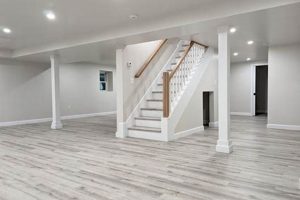
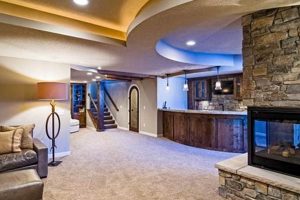
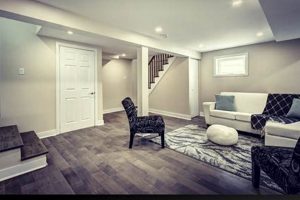
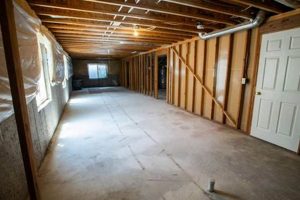
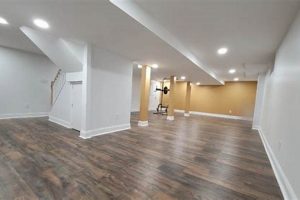
The concept describes renovation projects in basements that are not fully complete. These spaces typically have essential infrastructure in place, such as framing, basic electrical wiring, and possibly rudimentary plumbing. However, they lack finished walls, flooring, ceilings, and dedicated functional areas. For example, a basement with framed walls, exposed insulation, and a concrete floor would fall under this category.
Undertaking such a project offers a cost-effective means of expanding living space without the expense of a full home addition. It allows homeowners to prioritize which aspects of the basement are finished, aligning with budget constraints and immediate needs. Historically, unfinished basements served primarily as utilitarian spaces; however, increased property values and a desire for expanded living areas have prompted homeowners to explore the potential of partial completion.
The following sections will detail strategies for maximizing the potential of these spaces, focusing on design considerations, cost management, and project phasing to achieve optimal functionality and aesthetic appeal.
Strategies for Partially Finished Basements
Maximizing the utility and value of a partially finished basement requires careful planning and execution. The following tips outline essential considerations for transforming these spaces into functional and aesthetically pleasing areas.
Tip 1: Prioritize Essential Infrastructure: Ensure that fundamental systems like electrical wiring, plumbing, and HVAC are professionally installed and compliant with local building codes before proceeding with cosmetic improvements. Addressing these elements upfront prevents costly rework later.
Tip 2: Define Clear Zones: Designate specific areas for different functions, such as a home office, recreational space, or storage. Employ partial walls, strategic furniture placement, or variations in flooring to delineate these zones visually.
Tip 3: Control Moisture: Basements are prone to dampness. Invest in proper waterproofing measures, including sealing cracks in the foundation, installing a sump pump (if necessary), and using moisture-resistant materials for flooring and walls. Dehumidifiers can also help manage humidity levels.
Tip 4: Optimize Lighting: Basements often lack natural light. Implement a layered lighting scheme incorporating ambient, task, and accent lighting to create a bright and welcoming environment. Consider using light wells or egress windows to introduce natural light.
Tip 5: Select Durable Flooring: Choose flooring materials that are resistant to moisture and can withstand heavy use. Options include engineered wood, laminate, vinyl, or epoxy coatings. Raised flooring systems can provide an additional barrier against dampness and improve insulation.
Tip 6: Embrace Open Ceilings: Leaving the ceiling exposed can create a more spacious feel and allows for easy access to utilities. Painting the joists and ductwork a uniform color can create a cohesive and industrial-chic aesthetic.
Tip 7: Incorporate Flexible Storage: Integrate storage solutions that can adapt to changing needs. Modular shelving units, storage benches, and under-stair organizers maximize space utilization and minimize clutter.
Successfully implementing these strategies will result in a basement that is not only functional and comfortable but also enhances the overall value of the property.
The next section will discuss specific design styles and material choices appropriate for basements.
1. Cost-Effective Solutions

The implementation of cost-effective solutions is intrinsically linked to the concept of partially finished basements. Because the space is not fully completed upfront, homeowners have the flexibility to manage expenses through phased improvements. This approach allows for prioritizing essential structural elements and infrastructure initially, deferring cosmetic upgrades or less critical features to subsequent stages. This strategy mitigates the financial burden associated with a complete renovation, making it a more accessible project for many homeowners. For example, a homeowner might initially focus on framing, electrical work, and moisture mitigation, postponing the installation of drywall, flooring, and decorative finishes until additional funds are available. This approach aligns expenditures with available resources and allows for a more controlled financial commitment.
The selection of materials and construction techniques also plays a significant role in achieving cost-effectiveness. Opting for readily available, less expensive materials, such as basic drywall, standard lighting fixtures, and durable yet affordable flooring options, can significantly reduce overall project costs. Employing DIY skills for tasks such as painting or basic carpentry, while ensuring adherence to building codes and safety standards, further contributes to cost savings. Real-world examples include homeowners utilizing reclaimed materials, such as repurposed lumber or salvaged fixtures, to add character to the space while minimizing expenditures. Additionally, carefully comparing bids from multiple contractors ensures competitive pricing and maximizes the value obtained for each dollar spent.
In summary, cost-effective solutions are not merely an optional consideration but rather an integral aspect of realizing the potential of a partially finished basement. By strategically phasing the project, carefully selecting materials, and utilizing available skills, homeowners can create functional and aesthetically pleasing living spaces within a manageable budget. Challenges may arise in accurately estimating project costs and adhering to a predetermined budget; however, thorough planning and diligent monitoring of expenditures are crucial for successful implementation. This approach empowers homeowners to transform underutilized spaces into valuable assets, enhancing both the quality of life and the property’s overall value.
2. Functional Zoning

Functional zoning, the strategic division of space to accommodate distinct activities, is paramount in partially finished basement environments. Because these basements often present open layouts with limited pre-existing divisions, thoughtful zoning is essential for maximizing usability and creating a cohesive living area.
- Defining Activity Zones
Functional zoning begins with identifying intended activities. This might include a home office, recreational area, storage space, or guest sleeping quarters. The allocation of space should reflect the frequency and importance of each activity, ensuring sufficient area for intended use without compromising overall flow. For example, a dedicated home office necessitates a quiet, well-lit space separated from high-traffic areas, whereas a recreational zone may benefit from proximity to entertainment systems.
- Employing Visual and Physical Dividers
Once activity zones are defined, employing dividers is crucial for creating separation and defining boundaries. This can be achieved through physical barriers, such as partial walls, strategically placed furniture, or changes in flooring materials. Visual dividers, including area rugs, paint color variations, or lighting schemes, can also effectively delineate zones without creating a sense of confinement. For instance, a change from carpet to vinyl flooring can visually distinguish a children’s play area from a relaxation zone.
- Optimizing Circulation and Flow
Careful consideration of circulation paths is critical for ensuring smooth transitions between zones. Avoid creating bottlenecks or obstructing natural traffic flow. Open pathways and strategically placed doorways facilitate movement and prevent the space from feeling cramped. For example, ensure that access to essential areas like storage or utilities is not impeded by furniture or zone dividers.
- Integrating Storage Solutions
Storage is an integral component of functional zoning in basements. Integrating storage solutions within defined zones helps maintain organization and minimizes clutter. This can include built-in shelving, storage benches, or modular storage units. Consider the specific storage needs of each zone. A home office may require filing cabinets and shelving, while a recreational area may benefit from toy storage and media consoles.
The successful implementation of functional zoning in a partially finished basement transforms an often-underutilized space into a valuable extension of the home. It enhances usability, promotes organization, and contributes to a more aesthetically pleasing and functional living environment.
3. Moisture Management

The presence of moisture is a primary concern in basement environments, directly impacting the feasibility and longevity of partially finished spaces. Basements, often situated below grade, are susceptible to hydrostatic pressure, groundwater infiltration, and condensation. Failure to adequately address these sources of moisture can lead to a cascade of detrimental effects, including mold growth, wood rot, compromised structural integrity, and diminished air quality. Consequently, effective moisture management is not merely a desirable feature but a prerequisite for successful partial basement finishing. Consider a scenario where a homeowner completes framing and installs insulation without first addressing a persistent leak; the insulation will become saturated, promoting mold proliferation and necessitating costly remediation. This illustrates the cause-and-effect relationship between neglected moisture and compromised finishing efforts.
Effective moisture management encompasses several key strategies. These include exterior waterproofing measures, such as sealing foundation cracks and improving drainage around the perimeter of the house. Interior solutions include installing vapor barriers, utilizing moisture-resistant materials (e.g., closed-cell foam insulation, cement board), and employing dehumidifiers to control humidity levels. Furthermore, proper ventilation is crucial for preventing condensation buildup. The selection of appropriate flooring is also paramount; materials like vinyl or epoxy coatings are less susceptible to moisture damage than carpet or hardwood. Consider a situation where a homeowner chooses to install carpet directly on a concrete slab without a moisture barrier; the carpet will absorb moisture from the slab, creating a breeding ground for mold and mildew. This demonstrates the practical significance of material selection in moisture management.
In summary, moisture management is an indispensable component of partially finished basement projects. Neglecting this aspect undermines the entire endeavor, leading to potential health hazards, structural damage, and financial losses. A proactive approach, encompassing both preventative measures and ongoing monitoring, is essential for ensuring the long-term success and habitability of these spaces. The challenge lies in accurately identifying and addressing all potential sources of moisture; however, thorough inspection, professional consultation, and diligent implementation of appropriate mitigation strategies are crucial for transforming a damp basement into a dry, comfortable, and valuable living area.
4. Strategic Lighting

Strategic lighting plays a critical role in transforming partially finished basements into functional and aesthetically pleasing spaces. Due to their below-grade location, these areas often lack natural light, making artificial illumination a primary design consideration.
- Layered Illumination
Layered illumination involves combining ambient, task, and accent lighting to achieve optimal brightness and visual interest. Ambient lighting provides overall illumination, while task lighting focuses on specific work areas (e.g., a desk or workbench). Accent lighting highlights architectural features or decorative elements. In a partially finished basement, ambient lighting might consist of recessed lights or track lighting, task lighting could include under-cabinet lights in a kitchenette area, and accent lighting could illuminate artwork or shelving. The combination creates a more inviting and functional environment than relying on a single type of lighting.
- Color Temperature Considerations
The color temperature of light, measured in Kelvin (K), significantly impacts the mood and perceived warmth of a space. Lower color temperatures (e.g., 2700K-3000K) produce a warm, inviting glow suitable for relaxation areas, while higher color temperatures (e.g., 4000K-5000K) create a brighter, more energetic ambiance appropriate for workspaces or recreational areas. Strategically selecting color temperatures for different zones within the partially finished basement enhances functionality and visual comfort. For example, a home theater might benefit from warmer tones, while a home office requires cooler, brighter light.
- Light Placement and Distribution
Proper placement and distribution of light fixtures are essential for minimizing shadows and maximizing illumination efficiency. Careful consideration should be given to ceiling height, room dimensions, and furniture placement. In a low-ceilinged basement, recessed lighting or flush-mounted fixtures can maximize headroom. Positioning light fixtures strategically to avoid glare and provide even illumination across work surfaces is critical. For example, placing task lighting directly above a workbench eliminates shadows and enhances visibility.
- Energy Efficiency and Control
Implementing energy-efficient lighting solutions, such as LED fixtures, reduces energy consumption and lowers operating costs. Incorporating dimmers and smart lighting controls allows for adjusting light levels to suit different activities and preferences. This not only conserves energy but also enhances the versatility of the space. For instance, dimmable lighting can create a relaxed atmosphere in a home theater or provide brighter illumination for cleaning and maintenance.
These facets of strategic lighting directly influence the usability and appeal of a partially finished basement. By carefully considering layering, color temperature, placement, and energy efficiency, homeowners can transform a dark, uninviting space into a well-lit, functional, and aesthetically pleasing extension of their home. This deliberate approach to illumination enhances both the perceived value and the practical utility of the basement.
5. Durable Material Selection

The selection of robust materials is a foundational aspect of realizing value in partially finished basements. These spaces, typically subject to unique environmental conditions, require materials capable of withstanding moisture, temperature fluctuations, and potential physical stresses. The longevity and functionality of a partially finished basement are directly correlated with the durability of the materials employed.
- Moisture-Resistant Flooring
Flooring in basements is particularly vulnerable to moisture infiltration. Materials such as epoxy coatings, vinyl flooring, and certain types of tile offer superior resistance compared to traditional options like carpet or hardwood. For instance, in areas prone to flooding, epoxy-coated concrete provides a waterproof barrier, preventing water damage and inhibiting mold growth. The application of moisture-resistant flooring contributes directly to the habitability and lifespan of the basement space.
- Waterproof Wall Treatments
Basement walls are susceptible to moisture seepage from the surrounding soil. Using waterproof paints, sealants, and specialized drywall products designed for basement environments is crucial. Cement board, for example, provides a durable and moisture-resistant substrate for tiling or other finishes. Ignoring this aspect can lead to water damage, mold infestations, and structural deterioration of the wall assembly.
- Mold-Inhibiting Insulation
Insulation plays a vital role in temperature regulation and energy efficiency in basements. However, traditional insulation materials like fiberglass can absorb moisture, creating a breeding ground for mold. Closed-cell spray foam insulation offers superior moisture resistance and effectively seals air leaks, preventing condensation. The use of mold-inhibiting insulation directly contributes to improved air quality and prevents costly remediation efforts.
- Rot-Resistant Framing Lumber
When constructing framing for walls or other structures in a basement, employing pressure-treated lumber or alternative rot-resistant materials is essential. Untreated wood can quickly deteriorate in damp conditions, compromising the structural integrity of the framing. Utilizing appropriate lumber types ensures the longevity and stability of the finished space.
The integration of durable materials throughout the construction or renovation process is vital for transforming a partially finished basement into a functional and sustainable living area. These material choices not only enhance the space’s resistance to environmental stressors but also contribute to its long-term value and habitability, offering a tangible return on investment through reduced maintenance and remediation costs.
6. Flexible Storage

The concept of flexible storage is inextricably linked to partially finished basement ideas due to the inherent characteristics of these spaces. Partially finished basements often serve as transitional areas, evolving in function as needs change. Consequently, storage solutions must adapt accordingly. Unlike fixed, built-in storage, flexible systems offer modularity and reconfigurability, allowing homeowners to adjust storage capacity and layout as the basement’s purpose evolves from a simple storage area to a recreational space or a home office. This adaptability is essential for maximizing the utility of a space that is not fully defined or permanently configured. The cause-and-effect relationship is evident: a lack of flexible storage leads to clutter and inefficient space utilization, diminishing the overall value and functionality of the partially finished basement.
Consider a scenario where a homeowner initially uses a partially finished basement for storing seasonal decorations and infrequently used items. Implementing a system of adjustable shelving units and stackable bins allows for efficient organization and easy access. As the homeowner’s needs evolve, perhaps transitioning the space into a playroom, these same storage solutions can be reconfigured to accommodate toys, games, and art supplies. Conversely, permanently installed shelving might become obsolete or require costly modifications, highlighting the practical advantage of flexible storage. The importance of this component is further underscored by its impact on the perceived value of the basement; a well-organized and adaptable space is more attractive to potential buyers than a cluttered and inflexible one.
In conclusion, flexible storage is not merely an ancillary consideration but an integral aspect of successfully implementing partially finished basement ideas. It addresses the inherent challenge of adapting to evolving needs and maximizes the long-term utility of the space. While challenges may arise in selecting appropriate systems and maintaining organization, the benefits of adaptability, efficient space utilization, and enhanced property value far outweigh the potential drawbacks. This approach ensures that the basement remains a valuable and functional asset, regardless of its evolving purpose.
7. Phased Completion
Phased completion is a strategic approach to basement renovation, particularly relevant to the concept of partially finished basements. It acknowledges that completing a basement transformation in a single endeavor may not be feasible or desirable for all homeowners, allowing for a more manageable and budget-conscious approach.
- Budgetary Control
Phased completion allows for the distribution of renovation expenses over time. This mitigates the financial burden associated with a large-scale project, enabling homeowners to allocate resources strategically. For example, a homeowner might initially focus on addressing critical structural issues and basic infrastructure, postponing cosmetic upgrades until subsequent phases. This approach aligns expenditures with available funds and minimizes the need for extensive financing.
- Prioritization of Needs
This strategy enables homeowners to prioritize functional needs. The initial phases can address essential aspects such as moisture mitigation, electrical wiring, and plumbing, ensuring the basement is structurally sound and code-compliant. Subsequent phases can then focus on adding living space, recreational areas, or storage solutions, tailoring the basement to specific lifestyle requirements. This prioritized approach ensures that critical issues are addressed before investing in less essential amenities.
- Adaptability to Changing Circumstances
Phased completion provides flexibility to adapt to changing circumstances. Homeowners may encounter unforeseen issues during the renovation process, such as hidden structural problems or unexpected code requirements. A phased approach allows for addressing these issues incrementally, minimizing the impact on the overall budget and timeline. Furthermore, changing family needs or evolving lifestyle preferences can be accommodated more easily within a phased completion plan.
- Reduced Disruption
Completing a basement renovation in phases minimizes disruption to the household. Instead of enduring a prolonged period of construction and inconvenience, homeowners can divide the project into smaller, more manageable segments. This reduces the impact on daily routines and minimizes the need for temporary relocation. For example, completing the framing and insulation in one phase allows the homeowners to utilize the space for basic storage before proceeding with more extensive finishing work.
In summary, phased completion is a pragmatic and adaptable strategy for transforming a partially finished basement. It empowers homeowners to manage costs, prioritize needs, adapt to changing circumstances, and minimize disruption, ultimately achieving a functional and valuable living space incrementally.
Frequently Asked Questions
The following section addresses common inquiries and misconceptions regarding the planning and execution of projects in basements that are partially complete. The responses aim to provide clear and concise information, promoting informed decision-making.
Question 1: What constitutes a “partially finished” basement?
The term refers to a basement that possesses some essential structural elements, such as framing, basic electrical wiring, or rudimentary plumbing, but lacks fully finished walls, flooring, ceilings, and dedicated functional areas. Exposed insulation, unfinished concrete floors, and visible utilities are characteristic of such spaces.
Question 2: Is it necessary to obtain permits for work done in a partially finished basement?
Compliance with local building codes and regulations is mandatory. Depending on the scope of work, permits may be required for electrical, plumbing, and structural modifications. Contacting the local building department is advisable to determine specific requirements and avoid potential penalties.
Question 3: How can moisture problems be effectively addressed in a basement environment?
Effective moisture management involves a multi-faceted approach. Exterior waterproofing measures, such as sealing foundation cracks and improving drainage, are crucial. Interior solutions include installing vapor barriers, utilizing moisture-resistant materials, and employing dehumidifiers to control humidity levels. Proper ventilation is also essential.
Question 4: What are some cost-effective flooring options suitable for basements?
Several flooring materials offer a balance of durability, affordability, and moisture resistance. Vinyl flooring, epoxy coatings, and certain types of tile are commonly employed. Engineered wood flooring can also be suitable, provided that appropriate moisture mitigation measures are in place.
Question 5: How can natural light be maximized in a below-grade basement space?
While basements inherently lack natural light, strategies can mitigate this deficiency. Installing egress windows or light wells introduces natural light and provides emergency exits. Reflective surfaces, such as light-colored paint and mirrors, can amplify the available light. Employing a layered artificial lighting scheme is also essential.
Question 6: What are the key considerations for selecting contractors to work on a basement renovation project?
Thorough vetting of potential contractors is essential. Verify licenses and insurance, request references from previous clients, and obtain multiple bids to ensure competitive pricing. A detailed contract outlining the scope of work, payment schedule, and project timeline is crucial for protecting the homeowner’s interests.
The information presented addresses fundamental concerns regarding the transformation of partially completed basement spaces. Prioritizing code compliance, moisture management, and informed material selection contributes to the long-term value and usability of the renovated area.
The subsequent sections will examine specific design styles appropriate for these spaces.
Partially Finished Basement Ideas
This exploration has detailed the complexities of realizing the potential inherent within partially finished basement ideas. Careful consideration of cost-effective solutions, functional zoning, moisture management, strategic lighting, durable material selection, flexible storage, and phased completion is paramount for transforming these spaces into valuable assets. Successfully integrating these elements requires diligent planning and execution.
The long-term success of any basement transformation hinges upon a commitment to quality and adherence to established building practices. The information presented serves as a foundation for informed decision-making, enabling homeowners to approach such projects with confidence and foresight. Further research and professional consultation are encouraged to tailor these concepts to specific circumstances, ensuring a functional and sustainable outcome.