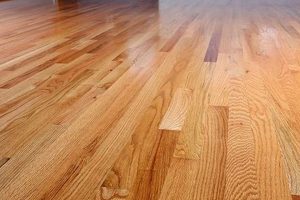
Surfaces treated with a synthetic resin known for its durability and protective qualities, applied over timber substrates, create a robust and aesthetically pleasing walking surface. This treatment seals the wood, enhancing its resistance to scratches, stains, and water damage. The resulting surface requires less frequent maintenance compared to other treatments.
The application of this protective layer significantly extends the lifespan of wooden surfaces, preserving their inherent beauty while minimizing wear and tear from daily use. Its resistance to moisture prevents warping and other water-related damage, maintaining the floor’s integrity. Historically, such finishes have represented a significant advancement over traditional waxing methods, offering superior protection and longevity.
The following sections will delve deeper into the types of synthetic resin options available, proper application techniques, maintenance procedures, and considerations for selecting the appropriate product based on specific needs and environmental factors.
Essential Considerations for Surfaces Treated with Protective Resin
The following tips offer guidance on selecting, applying, and maintaining surfaces treated with protective resin, ensuring optimal performance and longevity.
Tip 1: Prioritize surface preparation. Thorough sanding and cleaning are crucial for achieving proper adhesion and a smooth, uniform finish. Inadequate preparation can lead to bubbling, peeling, or uneven gloss levels.
Tip 2: Select the appropriate product formulation based on traffic levels and environmental conditions. High-traffic areas necessitate formulations designed for enhanced abrasion resistance. Consider water-based options for reduced VOC emissions and faster drying times.
Tip 3: Apply thin, even coats to avoid runs and drips. Multiple thin coats provide superior protection and clarity compared to a single thick coat. Allow sufficient drying time between coats, as specified by the manufacturer.
Tip 4: Maintain consistent environmental conditions during application and curing. Temperature and humidity can significantly impact the curing process. Consult product guidelines for optimal environmental parameters.
Tip 5: Use appropriate application tools. High-quality brushes or rollers designed for the chosen finish will ensure a smooth, even application and minimize imperfections. Clean applicators thoroughly after each use.
Tip 6: Protect the treated surface from excessive moisture and abrasion during the curing process. Allow ample time for the finish to fully harden before subjecting it to heavy traffic or cleaning.
Tip 7: Implement a regular maintenance schedule to prolong the life of the protective layer. Regular sweeping or vacuuming to remove dirt and debris will minimize scratching and wear. Use pH-neutral cleaners specifically formulated for finished wood to avoid damaging the surface.
Adhering to these guidelines will contribute to the enhanced durability, aesthetic appeal, and long-term performance of surfaces treated with protective resin. Proper selection, application, and maintenance are essential for maximizing the investment in this flooring solution.
The subsequent sections will delve into common issues encountered with these finishes and offer practical solutions for addressing them.
1. Durability and Protection

The selection of timber surfaces coated with synthetic resin is intrinsically linked to the inherent need for durability and protection against various environmental and mechanical stressors. The synthetic resin acts as a barrier, shielding the wood from moisture, impact, abrasion, and chemical spills. The degree of durability afforded is directly proportional to the type and quality of the resin used, as well as the proper application of the coating. For instance, in high-traffic residential areas or commercial spaces, formulations with enhanced abrasion resistance are crucial to prevent premature wear and maintain the aesthetic appeal of the surface.
Consider a residential kitchen where spills and foot traffic are frequent. Without a robust protective layer, the wood is susceptible to staining from liquids, scratches from utensils, and dents from dropped objects. The coating mitigates these risks, preserving the underlying material’s integrity and minimizing the need for frequent repairs or replacements. In a commercial setting, such as a retail store, the constant movement of customers and merchandise places even greater demands on the flooring. Selecting a high-performance formulation is critical to avoid costly downtime for refinishing or replacement.
In summary, the primary motivation for choosing synthetic resin-coated timber surfaces often stems from the desire to enhance durability and provide a protective shield. The proper selection and application of this coating directly influence the lifespan, appearance, and maintenance requirements of the flooring. Failure to prioritize these factors can result in diminished performance and increased long-term costs, negating the initial investment in a supposedly durable flooring solution.
2. Application Techniques

The performance and longevity of timber substrates treated with synthetic resin are inextricably linked to the application techniques employed. The process extends beyond simply spreading a coating across a surface; it encompasses meticulous preparation, precise application, and controlled curing procedures. A deficiency in any of these stages can compromise the integrity of the protective layer, leading to premature failure and diminished aesthetic appeal.
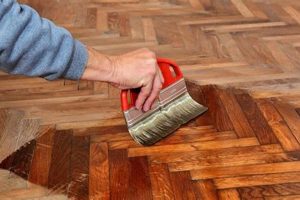
Surface preparation is paramount. Prior to application, the wood must be thoroughly sanded to create a smooth, uniform substrate free of contaminants. Residual sanding dust, for example, can impede adhesion, resulting in blistering or peeling. The application method itself is equally critical. Whether applied via brush, roller, or spray, each coat must be thin, even, and free of imperfections such as runs or air bubbles. Multiple thin coats, properly cured between applications, generally yield a more durable and visually appealing result than a single thick coat. Environmental factors, such as temperature and humidity, also exert a significant influence on the curing process. Deviations from the manufacturer’s recommended conditions can alter the curing rate and compromise the film’s properties.
In conclusion, the application techniques employed during the installation of synthetic resin coatings on timber surfaces are not merely procedural steps but critical determinants of the flooring’s ultimate performance. A thorough understanding and meticulous execution of these techniques are essential for realizing the full benefits of this protective treatment. The correlation between proper application and long-term durability underscores the importance of skilled installation and adherence to best practices.
3. Maintenance Protocols

The sustained aesthetic appeal and longevity of timber surfaces treated with synthetic resin are contingent upon the implementation of rigorous and consistent maintenance protocols. These protocols are not merely superficial cleaning routines; rather, they constitute a proactive strategy designed to mitigate the effects of wear, prevent damage, and preserve the integrity of the protective layer.
- Regular Cleaning Regimen
A consistent cleaning schedule is paramount to prevent the accumulation of dirt, dust, and debris that can abrade the surface and dull the finish. Routine sweeping or vacuuming, followed by damp mopping with a pH-neutral cleaner specifically formulated for finished wood, is essential. Abrasive cleaners or harsh chemicals should be strictly avoided, as they can damage the synthetic resin and compromise its protective properties. Frequency should be dictated by traffic levels and environmental conditions.
- Spill Management
Prompt response to spills is crucial to prevent staining and moisture damage. Liquids should be immediately blotted with a clean, absorbent cloth. Prolonged exposure to moisture can cause the wood to swell or the synthetic resin to delaminate. Certain substances, such as acidic liquids or dyes, can permanently stain the finish if not addressed promptly.
- Protection Against Abrasion
Preventive measures to minimize abrasion are critical to prolonging the life of the finish. Placement of area rugs in high-traffic zones can significantly reduce wear and tear. Felt pads should be affixed to the feet of furniture to prevent scratching. Exercise caution when moving heavy objects across the surface.
- Recoating Considerations
Despite diligent maintenance, the protective layer will inevitably degrade over time. Periodic recoating may be necessary to restore the finish and maintain its protective qualities. The frequency of recoating depends on traffic levels and the type of synthetic resin used. Signs that indicate the need for recoating include visible scratches, dullness, and a loss of gloss. Surface preparation is essential for recoating.
In conclusion, the maintenance protocols applied to timber surfaces treated with synthetic resin are integral to their long-term performance and aesthetic value. Consistent cleaning, prompt spill management, protection against abrasion, and timely recoating considerations are essential components of a comprehensive maintenance strategy. By adhering to these protocols, property owners can maximize their investment in this flooring solution and ensure its enduring beauty and functionality.
4. Aesthetic Options
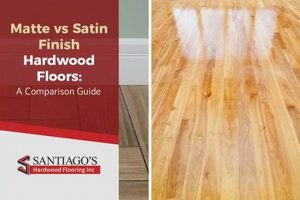
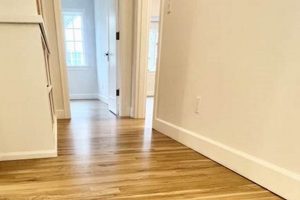
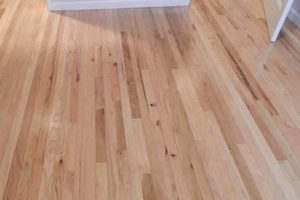
The selection of synthetic resin for finishing timber substrates is inextricably linked to the desired aesthetic outcome. This decision directly influences the visual characteristics of the surface, including gloss level, color, and grain clarity. The choice of synthetic resin, whether oil-based or water-based, directly affects the final appearance. Oil-based products generally impart a richer, warmer tone and tend to amber over time, which may be desirable for some applications. Water-based products offer greater clarity, preserving the natural color of the wood, and exhibit less yellowing over time. Furthermore, the available range of sheen levels, from matte to high gloss, allows for customization to suit specific design preferences. For instance, a matte finish may be preferred in a contemporary setting to minimize glare and create a more subdued ambiance, while a high-gloss finish can enhance the perceived value and create a sense of formality in a more traditional space.
The practical significance of understanding these aesthetic options is evident in various applications. Consider a historical restoration project where maintaining the authenticity of the original flooring is paramount. The selection of a synthetic resin that closely replicates the appearance of traditional finishes is crucial. In contrast, a modern architectural design may prioritize a clean, minimalist aesthetic, necessitating the use of a water-based product with a matte finish to minimize visual distractions and complement the overall design scheme. The ability to manipulate the aesthetic properties of the finished surface through the selection of synthetic resin empowers designers and property owners to achieve their desired visual outcomes.
In summary, aesthetic options are a critical component of synthetic resin-finished timber surfaces, influencing both the visual appeal and the overall design intent. The careful consideration of gloss level, color, and grain clarity allows for customization to meet specific aesthetic requirements. The practical significance of understanding these options lies in the ability to create surfaces that are not only durable and protective but also visually harmonious with the surrounding environment. Choosing the appropriate synthetic resin is thus essential for achieving a cohesive and aesthetically pleasing design.
5. Cost Considerations

The economic dimension of timber surfaces coated with synthetic resin extends beyond the initial purchase price and application. Understanding these economic factors is crucial for informed decision-making and long-term financial planning. The total cost encompasses material expenses, labor charges, and the projected costs of maintenance and repairs over the lifespan of the flooring. Synthetic resin formulations vary in price depending on their composition, durability, and volatile organic compound (VOC) content. Higher-performance, low-VOC options may command a premium but offer advantages in longevity and environmental compliance. Labor costs are influenced by the complexity of the installation, the skill of the installer, and geographic location. The long-term maintenance expenses are primarily driven by the frequency of cleaning, the need for repairs, and the potential for refinishing or recoating. The economic significance of these factors is exemplified in commercial settings where flooring choices directly impact operational costs.
In a retail environment, for instance, the selection of an inexpensive but less durable synthetic resin may lead to frequent repairs or premature replacement, disrupting business operations and incurring significant costs in downtime and lost revenue. A higher initial investment in a more robust and long-lasting formulation can mitigate these risks and provide a more favorable return on investment over time. Similarly, in residential applications, the long-term maintenance requirements of various synthetic resin types can significantly impact homeowner expenses. Products requiring frequent specialized cleaning or recoating will necessitate ongoing expenditure, while those with superior stain resistance and durability will reduce maintenance costs. The economic realities of timber substrates treated with synthetic resin therefore necessitate a holistic perspective that considers both upfront costs and long-term operational expenses.
In summary, economic considerations are integral to the selection and maintenance of timber substrates treated with synthetic resin. The total cost of ownership extends beyond the initial purchase price and includes labor, maintenance, and potential repair or replacement expenses. Informed decision-making requires a comprehensive analysis of these factors to ensure long-term economic value. By considering the economic dimension alongside aesthetic preferences and performance requirements, property owners can optimize their investment and achieve a sustainable flooring solution.
Frequently Asked Questions
The following section addresses common inquiries and clarifies critical aspects regarding surfaces treated with synthetic resin, providing a comprehensive understanding of this flooring option.
Question 1: What is the typical lifespan of a surface treated with synthetic resin?
The lifespan varies significantly depending on the type of resin used, the level of foot traffic, and the adherence to proper maintenance protocols. High-quality formulations, properly maintained, can last for several decades. However, heavy use and inadequate maintenance can drastically reduce the lifespan.
Question 2: Are surfaces treated with synthetic resin susceptible to water damage?
While the coating provides a degree of water resistance, it is not impervious to moisture. Prolonged exposure to standing water can penetrate the coating and damage the wood substrate. Prompt spill cleanup and moisture control are essential.
Question 3: How does the sheen level of the synthetic resin affect its performance?
The sheen level primarily affects the aesthetic appearance, but it can also influence the perceived durability. Matte finishes tend to conceal scratches and imperfections better than high-gloss finishes, which can highlight surface damage. However, the actual durability is primarily determined by the resin’s formulation.
Question 4: Can synthetic resin be applied over existing finishes?
Proper adhesion requires thorough surface preparation, which typically involves sanding down to bare wood. Applying synthetic resin over existing finishes without proper preparation can lead to adhesion failures, such as peeling or blistering.
Question 5: What are the environmental considerations associated with synthetic resin finishes?
Some synthetic resin formulations contain volatile organic compounds (VOCs), which can contribute to air pollution. Low-VOC or water-based options are available and offer a more environmentally friendly alternative. Proper ventilation during application and curing is essential.
Question 6: How can scratches and minor damage be repaired on surfaces treated with synthetic resin?
Minor scratches can often be concealed with touch-up kits specifically designed for synthetic resin finishes. More extensive damage may require professional refinishing or recoating. Prevention is key: use area rugs, felt pads on furniture, and avoid dragging heavy objects across the floor.
Understanding these key aspects ensures the proper selection, care, and maintenance, leading to optimal performance and longevity.
The next section will explore common misconceptions.
In Summary
The preceding sections have explored critical facets of timber surfaces treated with synthetic resin. From the fundamental aspects of durability and protection to the nuanced considerations of aesthetic options and economic factors, a comprehensive understanding of this flooring solution is essential for informed decision-making. The analysis of application techniques and maintenance protocols underscores the importance of diligent practices in maximizing the lifespan and visual appeal of these surfaces. Furthermore, the addressed frequently asked questions clarify common concerns and provide practical guidance for owners and professionals.
Ultimately, the successful implementation of surfaces treated with synthetic resin requires a holistic approach that integrates careful selection, meticulous application, and consistent maintenance. The long-term value and aesthetic benefits of this flooring option are directly proportional to the investment in knowledge and proper practices. Future advancements in resin technology and sustainable formulations promise to further enhance the appeal and environmental compatibility of these surfaces, solidifying their position as a durable and aesthetically versatile flooring choice.