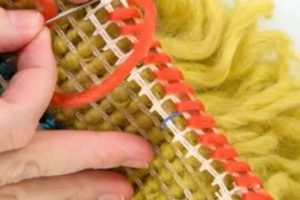
The concluding phase of quilt construction encompasses the processes that secure the quilt layersthe top, batting, and backingtogether, transforming individual pieces into a cohesive and durable textile. This stage includes techniques such as tying, machine quilting, or hand quilting. For example, a basic running stitch, carefully executed across the quilt’s surface, permanently unites the layers, preventing shifting and ensuring longevity.
Properly executed, this concluding step enhances the quilt’s aesthetic appeal, provides structural integrity, and can significantly impact its lifespan. Historically, these final processes were crucial for creating warm, functional bedding from repurposed materials. Beyond functionality, it allows for artistic expression, adding texture and visual interest to the completed work, turning it into a unique heirloom.
The subsequent sections will delve into specific techniques employed to achieve a professionally completed quilt. Topics explored will include different methods, considerations for choosing the right approach based on quilt size and design, and best practices for achieving optimal results.
Quilt Finishing
This section outlines critical considerations for achieving a successful and durable result. Adhering to these tips will enhance the overall quality and longevity of the finished textile.
Tip 1: Fabric Preparation is Paramount: Prior to commencing, ensure all fabrics have been pre-washed and pressed. This prevents subsequent shrinkage and distortion, maintaining the quilt’s integrity over time.
Tip 2: Batting Selection Dictates Drape and Warmth: Carefully select batting based on desired thickness, loft, and fiber content. Cotton batting offers breathability, while polyester provides warmth and resilience.
Tip 3: Thread Choice Impacts Durability: Opt for high-quality thread specifically designed for quilting. A durable thread, matching or complementing the quilt top, ensures seams remain secure.
Tip 4: Consistent Stitch Length Promotes Uniformity: Maintain a consistent stitch length, whether machine or hand quilting. This creates a visually appealing texture and evenly distributes stress across the quilt.
Tip 5: Secure Starts and Ends: Adequately secure all thread starts and ends, either by backstitching or burying the threads within the batting. This prevents unraveling and ensures a professional finish.
Tip 6: Binding Application Requires Precision: Apply binding meticulously, ensuring even corners and a secure attachment to all layers. Bias binding is recommended for curved edges.
Tip 7: Consider Density and Spacing: Assess the density and spacing required based on the type of project and usage. The closer stitch, the more stable quilt will be.
Applying these guidelines enhances the structural integrity and visual appeal of the completed quilt. Meticulous attention to detail ensures a long-lasting and cherished textile.
The subsequent sections will explore advanced techniques, including custom design patterns.
1. Secure layer adhesion

Secure layer adhesion represents a critical determinant in the overall success and longevity of a quilt. Insufficient or improper adhesion techniques during the final stages compromise structural integrity, impacting the quilt’s usability and aesthetic presentation.
- Stitch Density and Pattern
The density and pattern of stitches directly influence the strength of layer adhesion. A higher stitch density and a well-chosen pattern distribute stress evenly, preventing shifting or separation of the top, batting, and backing. Conversely, sparse stitching or poorly designed patterns create weak points prone to failure under stress or during washing. For instance, closely spaced parallel lines provide superior adhesion compared to widely spaced decorative stitches.
- Thread Selection and Tension
The type of thread used and its tension during the quilting process are paramount. Incompatible thread, such as a delicate thread for a heavy quilt, can lead to breakage and subsequent layer separation. Improper tension results in either overly tight stitches that pucker the fabric or loose stitches that fail to secure the layers effectively. Employing a durable thread appropriate for the fabric weight, coupled with balanced tension, ensures lasting adhesion.
- Batting Properties and Compatibility
The properties of the batting material must be considered in relation to the chosen quilting technique. Some battings, such as those with a high loft, require closer stitching to prevent shifting. Incompatible batting, such as a bonded batting used with overly dense stitching, can create stiffness and diminish the quilt’s drape. The correct selection of batting, in conjunction with appropriate stitch density, promotes optimal layer adhesion and overall quilt comfort.
- Addressing Pre-Existing Fabric Instabilities
Pre-existing instabilities in the fabric, such as bias stretch or loosely woven areas, require special attention during the quilting process. These areas are inherently more susceptible to shifting and distortion. Stabilizing techniques, such as adding extra stitching or using a temporary adhesive spray, may be necessary to ensure secure adhesion. Failing to address these instabilities can lead to uneven quilting and eventual layer separation in these compromised areas.
Therefore, the selection of appropriate techniques and materials for layer adhesion is integral to the successful completion of a durable and aesthetically pleasing quilt. By carefully considering stitch density, thread selection, batting properties, and addressing any pre-existing fabric instabilities, the quilter ensures the layers remain securely bonded for the life of the textile.
2. Binding edge protection

Binding edge protection is an essential component of completing a quilt. It not only encases the raw edges of the layered textile, securing the quilt layers together, but also provides a durable, finished perimeter that withstands use and wear. The selection and application of binding directly impact the quilt’s longevity and overall appearance.
- Material Selection and Durability
The choice of binding material significantly affects the edge’s resilience. Cotton fabric, often cut on the bias for flexibility around curves, is a common choice. However, thicker fabrics like denim or canvas may be employed for quilts intended for heavy use. The selected material’s weave density and fiber strength must withstand abrasion and repeated washing, preventing fraying and disintegration of the binding edge over time. For example, using a loosely woven fabric for binding on a frequently used baby quilt would result in premature wear and potential unraveling.
- Application Technique and Seam Integrity
The method of applying the binding influences its protective capabilities. Machine stitching provides a secure attachment, while hand stitching allows for greater control and precision, particularly around intricate corners or curves. Regardless of the technique, maintaining a consistent seam allowance and ensuring a tight, even stitch line are crucial. A poorly applied binding with inconsistent seams is vulnerable to separation and fraying, negating its protective function. Mitered corners, precisely executed, enhance both the aesthetic appeal and the structural integrity of the finished edge.
- Width and Layer Coverage
The width of the binding directly correlates to the degree of edge protection offered. A wider binding provides greater coverage of the raw edges, minimizing the risk of fraying. The binding must fully encase all layers of the quilt, including the top fabric, batting, and backing. Insufficient width leaves portions of the raw edges exposed, rendering them susceptible to damage. Consideration must be given to the overall thickness of the quilt layers when determining the appropriate binding width to ensure complete and secure coverage.
- Maintenance and Repair Considerations
Even with proper application, binding may require occasional maintenance or repair. Regular inspection for signs of wear, such as fraying or loose stitching, is essential. Promptly addressing minor issues, such as re-stitching loose seams, prevents more significant damage. Providing clear instructions to the quilt’s recipient regarding appropriate washing and handling practices prolongs the life of the binding and the quilt as a whole. The ability to easily repair or replace the binding is a testament to a well-designed and thoughtfully executed final touch.
Ultimately, effective binding edge protection is integral to the overall success of quilt finishing. It is not merely a decorative element but a critical structural component that safeguards the quilt’s perimeter against damage, ensuring its longevity and preserving its aesthetic value. Therefore, careful consideration of material selection, application technique, width, and maintenance is paramount in achieving a professionally completed quilt.
3. Stitch quality assurance

Stitch quality assurance forms a cornerstone of successful quilt finishing, influencing both the structural integrity and aesthetic presentation of the completed textile. Rigorous attention to stitch parameters is critical for achieving a durable and visually appealing result.
- Tension Consistency and Seam Strength
Maintaining consistent thread tension throughout the quilting process directly impacts seam strength and fabric stability. Balanced tension prevents puckering or loosening of stitches, ensuring secure adhesion of the quilt layers. Insufficient tension leads to weak seams prone to breakage, while excessive tension distorts the fabric, compromising the overall appearance. For instance, uneven tension during machine quilting can result in wavy or rippled seams, detracting from the quilt’s visual appeal and structural integrity.
- Stitch Length Uniformity and Aesthetic Impact
Uniform stitch length contributes significantly to the quilt’s aesthetic quality and even distribution of stress across seams. Consistent stitch length creates a visually appealing texture and prevents distortion of the fabric. Variations in stitch length can create uneven surfaces and detract from the overall appearance. Hand-quilted projects, in particular, benefit from meticulous attention to stitch length uniformity, showcasing the quilter’s skill and enhancing the quilt’s visual harmony.
- Thread Selection and Durability Requirements
The choice of thread significantly affects the long-term durability of the quilt. High-quality threads designed for quilting offer superior strength and resistance to abrasion, ensuring the seams withstand repeated use and washing. Inappropriate thread, such as a delicate thread used for a heavy quilt, is prone to breakage and seam failure. For example, a quilt intended for frequent use, such as a child’s playmat, requires a robust thread capable of withstanding rigorous wear and tear.
- Backstitching and Securing Thread Ends
Properly securing thread ends is essential to prevent unraveling and maintain seam integrity. Backstitching at the beginning and end of each seam, or burying thread tails within the quilt layers, ensures the stitches remain secure over time. Neglecting to secure thread ends can lead to progressive unraveling, compromising the quilt’s overall structure and appearance. This practice is particularly crucial for areas subject to high stress, such as corners and edges.
These facets of stitch quality assurance are fundamental to producing a quilt that is both visually appealing and structurally sound. Diligent attention to tension, stitch length, thread selection, and securing techniques ensures the quilt will withstand the test of time, becoming a cherished heirloom rather than a quickly deteriorated item.
4. Squaring and blocking accuracy
The precision of squaring and blocking during quilt finishing fundamentally impacts the final product’s aesthetic and functional integrity. These processes, often underestimated, are essential for ensuring the quilt lays flat, exhibits even dimensions, and aligns with its intended design.
- Dimensional Stability and Pattern Integrity
Squaring ensures that the quilt’s sides are perpendicular, establishing a rectangular or square shape. Blocking, conversely, manipulates the fabric to achieve these dimensions, particularly after quilting may have caused distortion. Accurate squaring and blocking maintain the intended pattern, preventing skewed lines or misshapen motifs. For instance, if a quilt block featuring geometric shapes is not properly squared, the resulting quilt will exhibit a visually jarring distortion, diminishing its overall aesthetic appeal. Proper preparation is therefore fundamental to the project.
- Seam Alignment and Reduced Stress
When a quilt is accurately squared and blocked, seams align correctly, reducing stress on the fabric and stitching. This alignment minimizes the likelihood of seam distortion or breakage over time. A quilt that is not properly squared experiences uneven tension, placing undue stress on certain seams and potentially leading to premature wear. Proper squaring distributes stress evenly, enhancing the quilt’s durability.
- Accurate Binding Application
A squared and blocked quilt provides a consistent and even edge for binding application. This allows for a smooth and uniform binding, enhancing both the quilt’s appearance and its durability. An uneven or distorted quilt edge makes binding application difficult, resulting in a warped or puckered finish. Precise squaring and blocking simplify the binding process, resulting in a professional-looking edge that protects the quilt’s raw edges.
- Professional Presentation and Appraisal Value
Squaring and blocking contribute significantly to the quilt’s overall presentation and perceived value. A well-squared and blocked quilt exudes a sense of professionalism and attention to detail. This enhances its aesthetic appeal, making it more desirable for display or sale. Inaccurate squaring and blocking, conversely, detract from the quilt’s appearance, diminishing its perceived quality and potentially impacting its appraisal value.
In summary, squaring and blocking are not merely cosmetic touch-ups but integral processes in quilt finishing. Their accuracy influences the quilt’s dimensional stability, seam integrity, binding application, and overall presentation, ultimately contributing to a more durable, aesthetically pleasing, and valuable finished product. This demonstrates the importance of attention to detail.
5. Thread concealment methods
Thread concealment methods represent a critical, often overlooked, aspect of quilt finishing. The successful execution of these techniques contributes significantly to the overall aesthetic quality and perceived professionalism of the finished textile. These methods aim to secure and hide thread ends, preventing unraveling and maintaining a clean, polished appearance.
- Needle Threading and Burying
Needle threading and burying involves threading the needle with the loose thread end and carefully inserting it into the quilt layers, drawing it out a short distance away, and then trimming the excess. This technique effectively hides the thread end within the batting layer, preventing it from being visible on the quilt’s surface. When executed properly, this method creates a seamless transition and eliminates the risk of unraveling. For example, after tying off a hand-quilted section, the thread ends are buried using this method to ensure a clean, professional finish.
- Micro-Stitch Securing
Micro-stitch securing employs a sewing machine to create a series of tiny, closely spaced stitches over the existing seam to lock the thread in place. This method is particularly useful for securing thread ends in machine-quilted projects. The micro-stitches are virtually invisible, providing a secure hold without detracting from the quilt’s overall appearance. This technique is often used when completing machine-applied binding to reinforce the seam and prevent unraveling.
- Knotting and Tucking
Knotting and tucking involves creating a small, secure knot at the thread end and then carefully tucking the knot between the fabric layers, concealing it from view. This technique is commonly used in hand quilting and tying. The knot must be small and tight to prevent it from working its way loose over time. This method is frequently employed to secure the ends of yarn used in tied quilts, ensuring the ties remain firmly in place.
- Use of Fusible Interfacing
A less common, but viable, approach involves applying small pieces of fusible interfacing over the thread ends on the quilt’s back. The heat from an iron melts the fusible web, adhering the thread ends to the fabric and preventing them from pulling out. This method is best suited for quilts that will not be subjected to high heat during washing or drying. This ensures a professional finished quilt.
In conclusion, the skillful application of thread concealment methods elevates the quality of quilt finishing, resulting in a more durable and visually appealing textile. The choice of method depends on the quilting technique employed and the desired level of security. The ultimate goal remains consistent: to secure thread ends effectively while maintaining a seamless, professional finish.
Frequently Asked Questions About Quilt Finishing
The following addresses common inquiries regarding the concluding phases of quilt construction. Understanding these points is essential for achieving a durable and aesthetically pleasing outcome.
Question 1: What constitutes ‘quilt finishing’?
The term encompasses all processes undertaken after the quilt top is pieced, including layering with batting and backing, securing the layers through quilting, binding the edges, and any final embellishments. These steps transform the individual components into a unified and functional textile.
Question 2: Why is proper layering crucial during quilt finishing?
Correct layering of the quilt top, batting, and backing ensures even distribution of stress during quilting and use. Wrinkles or misalignments at this stage can lead to puckering, distortion, and reduced durability of the finished product.
Question 3: What factors influence the selection of a quilting method?
The choice of quilting method, whether hand quilting, machine quilting, or tying, depends on factors such as the quilt’s size, desired aesthetic, skill level of the quilter, and intended use. Each method offers distinct advantages in terms of speed, texture, and durability.
Question 4: How does binding contribute to a quilt’s longevity?
Binding provides a protective edge that prevents fraying and wear of the quilt’s raw edges. Properly applied binding encases all layers, securing them together and preventing separation over time. The material and application technique of the binding directly impact its effectiveness.
Question 5: What are the potential consequences of neglecting squaring and blocking?
Neglecting squaring and blocking can result in a quilt that is misshapen, with uneven edges and distorted patterns. This not only detracts from the quilt’s aesthetic appeal but also compromises its functionality and ease of use.
Question 6: Why is thread selection important for quilt finishing?
The thread used in quilting and binding must be strong and durable enough to withstand repeated use and washing. Inappropriate thread can break, leading to seam failure and compromising the structural integrity of the quilt. Thread color should also be carefully considered to complement or enhance the quilt’s design.
These questions highlight the importance of meticulous attention to detail in these finishing processes. Each step contributes significantly to the overall quality and longevity of the textile.
The subsequent section will explore common mistakes to avoid when completing a quilting project.
Conclusion
This exploration has illuminated the critical aspects of quilt finishing, emphasizing its significance in transforming pieced components into durable and aesthetically pleasing textiles. From the secure adhesion of layers to the precise application of binding and meticulous attention to stitch quality, each phase contributes directly to the finished product’s integrity and longevity. The importance of squaring, blocking, and proper thread concealment methods should not be understated, as these processes refine the quilt’s appearance and ensure its enduring functionality.
The successful execution of these tasks represents a commitment to quality and craftsmanship. Understanding and implementing these principles, textile artists can ensure their creations stand as testaments to both skill and dedication, preserving them for generations to come. Continued vigilance and refinement of these essential techniques will further elevate the art of quilt making and its impact on cultural heritage.