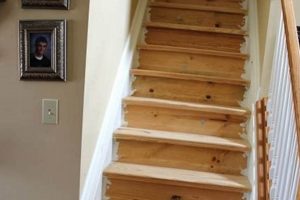
The process of eliminating existing surface coatings from timber substrates encompasses a range of techniques designed to reveal the bare wood beneath. These methods may involve chemical solvents, mechanical abrasion, heat application, or a combination thereof. An example includes stripping paint from antique furniture to restore its original appearance.
Effective removal of coatings is crucial for preparing wood surfaces for refinishing, repair, or restoration. It allows for proper adhesion of new finishes, reveals underlying defects or damage, and can enhance the aesthetic appeal of the wood by exposing its natural grain and character. Historically, various methods have been employed, evolving from rudimentary hand tools to sophisticated chemical formulations.
The subsequent sections will detail specific techniques employed in coating elimination, including considerations for safety, environmental impact, and the types of wood and finishes involved. Guidance on selecting appropriate tools and materials will also be provided, along with best practices for achieving optimal results.
Essential Guidelines for Coating Elimination from Timber
The following recommendations aim to optimize the procedure of eliminating prior surface treatments from timber, ensuring effective results and preserving the integrity of the wood substrate.
Tip 1: Prioritize Safety: Always utilize appropriate personal protective equipment, including gloves, eye protection, and respiratory protection, particularly when using chemical strippers. Adequate ventilation is crucial to mitigate the inhalation of harmful vapors.
Tip 2: Identify the Existing Coating: Determining the type of finish varnish, lacquer, paint, etc. will dictate the most effective removal method. Different coatings respond differently to various solvents and techniques. A test area is recommended.
Tip 3: Employ the Least Aggressive Method First: Start with the gentlest approach, such as a citrus-based stripper or gentle scraping, before resorting to more aggressive chemicals or power tools. This minimizes the risk of damage to the wood.
Tip 4: Neutralize Chemical Residue: After using a chemical stripper, thoroughly neutralize the surface according to the manufacturer’s instructions. Residual chemicals can interfere with the adhesion of subsequent finishes.
Tip 5: Control Heat Application: When using heat guns, maintain a consistent distance and movement to avoid scorching the wood. Excessive heat can alter the wood’s structure and make it more difficult to refinish.
Tip 6: Sand with Care: If sanding is necessary, use progressively finer grits of sandpaper to achieve a smooth surface without scratching the wood. Follow the grain of the wood to avoid cross-grain scratches.
Tip 7: Dispose of Waste Responsibly: Properly dispose of used chemical strippers, rags, and sandpaper according to local regulations. Many strippers contain hazardous chemicals that require special handling.
Adhering to these guidelines ensures a more efficient, safer, and ultimately more successful project. Careful planning and execution are vital for preserving the quality and longevity of the wood.
The subsequent section will provide a detailed discussion on the application of these principles in diverse restoration scenarios.
1. Surface Preparation

Surface preparation constitutes a foundational element in the effective execution of coating elimination from wooden surfaces. The quality of preparation directly influences the efficacy of subsequent steps, determining the uniformity and completeness of coating removal.
- Cleaning the Surface
Prior to the application of any removal agents, the surface must be thoroughly cleaned. This entails removing loose debris, dust, grease, and any contaminants that may impede the penetration of chemical strippers or the effectiveness of mechanical abrasion. Neglecting this step can result in uneven coating removal, necessitating additional effort and potentially damaging the wood. For example, wax buildup can create a barrier, preventing the stripper from reaching the finish beneath.
- Assessing the Existing Finish
A critical component of surface preparation is the assessment of the existing coating. Identifying the type of finish – whether varnish, lacquer, polyurethane, or paint – is essential for selecting the appropriate removal method and materials. Multi-layered finishes require a different approach than single-layer applications. Understanding the finish’s composition also informs the choice of chemical stripper, as some strippers are more effective on certain types of finishes than others.
- Protecting Surrounding Areas
Surface preparation extends to protecting areas adjacent to the intended work surface. This involves masking off areas that should not be affected by the removal process, such as hardware, glass, or other delicate materials. Failure to adequately protect these areas can lead to damage or discoloration, requiring additional repair work. For instance, chemical strippers can etch glass surfaces or damage the finish on nearby furniture.
- Repairing Minor Damage
Addressing minor damage, such as chips or gouges, before finish removal can streamline the restoration process. Filling these imperfections with wood filler allows for a more uniform surface to work with, ensuring a consistent finish after the new coating is applied. Attempting to fill imperfections after the finish is removed can be more challenging, as the bare wood may absorb filler differently, leading to noticeable inconsistencies.
Effective surface preparation, encompassing cleaning, assessment, protection, and minor repairs, ensures that the subsequent coating elimination process is more efficient and yields a higher-quality result. This foundational step is paramount for achieving a smooth, uniform surface ready for refinishing or restoration.
2. Chemical Application

The application of chemical agents constitutes a primary method for eliminating existing surface coatings from wooden substrates. The efficacy of this technique hinges on the chemical’s ability to dissolve or soften the finish, thereby facilitating its removal. The selection of the appropriate chemical stripper is paramount, as different formulations are designed for specific types of finishes, such as varnish, lacquer, polyurethane, or paint. Inappropriate chemical selection can result in ineffective stripping, damage to the underlying wood, or the release of hazardous fumes. For example, using a water-based stripper on an oil-based finish may prove ineffective, whereas using a highly aggressive solvent on delicate veneer could cause delamination.
The application process itself is critical to success. Even distribution of the chemical stripper ensures uniform softening of the finish, preventing uneven patches or areas that are difficult to remove. Allowing sufficient dwell time, as specified by the manufacturer, is also essential for the chemical to penetrate and break down the coating. Premature removal can result in residual finish clinging to the wood, requiring repeated applications. Consider a scenario where an antique dresser is being restored; insufficient dwell time of the chemical stripper could leave remnants of the old varnish embedded in the wood grain, compromising the adhesion of the new finish and detracting from the overall appearance.
Ultimately, chemical application in the context of surface coating elimination demands meticulous attention to detail, careful selection of appropriate chemicals, and adherence to safety protocols. Improper execution can lead to unsatisfactory results and potential harm to the wood or the operator. Therefore, a comprehensive understanding of chemical properties, application techniques, and safety precautions is indispensable for achieving a successful outcome.
3. Mechanical Abrasion

Mechanical abrasion, encompassing sanding, scraping, and media blasting, is a process employed to physically remove existing coatings from wood surfaces. The direct application of force, typically through an abrasive material, causes the finish to erode and detach from the substrate. The selection of abrasion method and grit level is crucial; aggressive techniques risk damaging the wood itself, while insufficient abrasion fails to effectively eliminate the coating. For instance, using coarse-grit sandpaper on delicate veneer can result in irreparable scratches, whereas fine-grit sandpaper may prove ineffective in removing multiple layers of hardened paint. The cause-and-effect relationship is clear: inappropriate application of mechanical abrasion results in compromised wood integrity and unsatisfactory coating removal.
The importance of mechanical abrasion lies in its versatility and its ability to address coatings that resist chemical stripping. In cases where chemical strippers are ineffective or undesirable due to safety or environmental concerns, mechanical abrasion provides a viable alternative. Furthermore, it allows for targeted removal of finish from specific areas, such as intricate carvings or tight corners, where chemical application may be impractical. An example is the restoration of antique furniture, where careful hand-scraping is used to remove old varnish from detailed ornamentation without affecting adjacent areas. The practical significance of understanding mechanical abrasion lies in the ability to tailor the technique to the specific wood species, finish type, and desired outcome, ensuring optimal results and minimal damage.
Effective utilization of mechanical abrasion necessitates careful control over pressure, speed, and abrasive material. Over-abrasion can lead to uneven surfaces, loss of detail, and the creation of dust, posing both health and environmental hazards. The integration of dust collection systems and the use of appropriate personal protective equipment are essential for mitigating these risks. Successful application of mechanical abrasion ultimately relies on a balance between aggressive removal and preservation of the wood’s structural integrity, requiring skill, experience, and adherence to best practices. Achieving this balance presents a significant challenge in the process of finish removal from wood.
4. Wood Type

The characteristics of the wood species significantly influence the method and outcome of coating elimination. Wood density, grain pattern, and resin content dictate its response to chemical strippers, mechanical abrasion, and heat application. Dense hardwoods, such as oak and maple, generally withstand more aggressive techniques compared to softwoods like pine or cedar. The open grain of oak, for example, can trap finish and require more thorough cleaning, while the softness of pine makes it susceptible to scratching during sanding. Therefore, understanding the wood type is crucial for selecting the appropriate methods and materials to minimize damage and achieve effective coating removal.
Specific examples illustrate this connection. When dealing with veneer, the thin layer of wood bonded to a substrate, aggressive sanding or chemical strippers can easily cause delamination. In such cases, gentle hand-scraping or controlled heat application may be more appropriate. Similarly, woods with high resin content, such as pine, can react unpredictably to certain chemical strippers, leading to discoloration or uneven removal. Consequently, testing a small, inconspicuous area is advisable to assess compatibility and avoid unintended consequences. The identification of the wood species before commencing any coating elimination process is, therefore, a critical step.
In conclusion, the success of removing existing coatings from wood is inextricably linked to the wood type. Recognizing the physical and chemical properties of the wood enables informed decisions regarding the most effective and least damaging removal techniques. This understanding minimizes the risk of irreversible damage, ensures uniform coating removal, and ultimately contributes to a more successful restoration or refinishing project. Failure to consider wood type introduces significant challenges and increases the likelihood of unsatisfactory results.
5. Safety Protocols

The elimination of existing surface coatings from wood substrates inherently involves potential hazards necessitating stringent safety protocols. These protocols mitigate risks associated with exposure to hazardous chemicals, airborne particulates, and physical injuries. The use of chemical strippers, for example, presents inhalation and dermal exposure risks, potentially leading to respiratory irritation, skin burns, or systemic toxicity. Mechanical abrasion, such as sanding or media blasting, generates airborne dust containing finish particles and potentially hazardous substances like lead or asbestos. Physical injuries, including cuts, abrasions, and eye damage, can arise from handling tools and materials without proper protection. Therefore, adherence to safety protocols is not merely a precautionary measure but a fundamental component of the process.
Effective safety protocols encompass several key elements. Appropriate personal protective equipment (PPE), including respirators, eye protection, gloves, and protective clothing, is essential for minimizing exposure to hazardous substances. Adequate ventilation, achieved through the use of exhaust fans or respirators, reduces the concentration of airborne contaminants. Safe work practices, such as avoiding skin contact with chemical strippers and using power tools with caution, further mitigate risks. Proper disposal of waste materials, including used chemical strippers, rags, and sanding dust, prevents environmental contamination and potential health hazards. For instance, improper disposal of rags soaked in flammable solvents can create a fire hazard. A comprehensive understanding and implementation of these protocols are critical for preventing accidents and safeguarding worker health.
In conclusion, safety protocols are indispensable when eliminating coatings from wooden surfaces. Their implementation minimizes the risks associated with hazardous materials and unsafe work practices, protecting workers and the environment. Lack of adherence to these protocols can lead to serious health consequences and environmental damage. Therefore, integrating safety protocols into every stage of the process is not only a matter of compliance but a moral imperative, contributing to a safer and more sustainable practice.
Frequently Asked Questions
The following section addresses common inquiries and misconceptions regarding the process of removing existing coatings from wooden surfaces. The information provided aims to clarify key aspects and promote informed decision-making.
Question 1: What is the most effective method for eliminating varnish from antique furniture?
The effectiveness depends on the varnish type and substrate. Gentle chemical stripping, followed by careful scraping with hand tools, is generally recommended to preserve the wood’s integrity. Avoid aggressive sanding, which can damage delicate details.
Question 2: How can the risk of damaging wood during coating elimination be minimized?
Employ the least aggressive method first. Start with mild chemical strippers or gentle hand tools before resorting to power tools or harsh abrasives. Test methods in inconspicuous areas to assess compatibility.
Question 3: What safety precautions should be observed when using chemical strippers?
Always wear appropriate personal protective equipment, including gloves, eye protection, and a respirator. Ensure adequate ventilation to minimize inhalation of hazardous vapors. Follow the manufacturer’s instructions carefully.
Question 4: Is it necessary to neutralize wood after using a chemical stripper?
Neutralization is often essential to remove residual chemicals that can interfere with the adhesion of subsequent finishes. Follow the stripper manufacturer’s recommendations regarding neutralization procedures.
Question 5: How should the waste materials generated during coating elimination be disposed of?
Dispose of used chemical strippers, rags, and sanding dust in accordance with local environmental regulations. Many strippers contain hazardous chemicals requiring special handling.
Question 6: Can heat guns be used effectively to eliminate coatings from wood?
Heat guns can soften finishes for easier removal, but excessive heat can scorch or damage the wood. Maintain a consistent distance and movement to avoid overheating. Use caution with antique or delicate pieces.
The information provided aims to address frequently encountered questions regarding the process. However, specific project requirements may necessitate consulting with a professional.
The subsequent section will delve into case studies, illustrating the practical application of these principles in various restoration scenarios.
Concluding Remarks on Coating Elimination from Wood
This exploration has detailed the intricacies of removing finish from wood, encompassing various techniques, safety considerations, and the critical influence of wood type on the process. The information presented underscores the importance of careful planning, appropriate method selection, and meticulous execution in achieving successful and sustainable results. Understanding the characteristics of the existing coating and the underlying wood is paramount for preventing damage and ensuring the integrity of the substrate.
The effective removal of coatings is not merely an aesthetic endeavor but a fundamental step in preserving and restoring wooden objects. The insights provided aim to empower practitioners with the knowledge necessary to approach such projects with competence and responsibility. Continued adherence to best practices and ongoing research in sustainable materials will further refine this craft, ensuring the longevity and beauty of wooden artifacts for generations to come.