Applying treatments to exposed construction material within a building’s envelope results in a diverse range of aesthetically pleasing and durable surfaces. Examples include polished floors, textured walls, and countertops that exhibit unique characteristics derived from the inherent properties of the raw components.
These modified surfaces offer longevity, require minimal upkeep, and can contribute to the thermal mass of a structure, potentially reducing energy consumption. Historically, the use of such materials was limited to industrial and utilitarian applications. However, evolving design trends have embraced its versatility, leading to wider adoption in residential and commercial spaces.
The subsequent sections will delve into the specific types of treatments available, their application processes, and the design considerations relevant to achieving desired outcomes. These elements are crucial for understanding the possibilities and limitations associated with this design choice.
Guidance on Interior Applications
The successful incorporation of treated construction material requires careful planning and execution. The following guidelines offer practical advice for achieving optimal results.
Tip 1: Surface Preparation: Proper preparation is paramount. Ensure the surface is clean, free of debris, and properly cured before applying any treatment. Failure to do so can compromise adhesion and longevity.
Tip 2: Sealing is Essential: Application of a high-quality sealant protects against staining, moisture penetration, and abrasion. Select a sealant appropriate for the intended use and traffic level of the space.
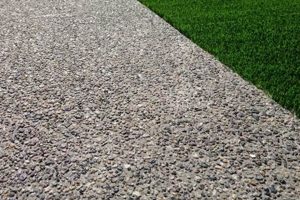
Tip 3: Consider Aggregate Exposure: The intentional exposure of aggregate within the mixture can add visual interest and texture. Determine the desired level of exposure through techniques such as grinding or polishing.
Tip 4: Color Integration: Integrate color during the mixing process for a uniform appearance. Alternatively, surface staining techniques offer greater flexibility for achieving nuanced color variations.
Tip 5: Expansion Joints: Incorporate expansion joints to mitigate cracking due to thermal expansion and contraction. Proper placement of these joints is crucial in large areas.
Tip 6: Mock-Ups: Always create mock-ups of the selected treatments to evaluate aesthetics and performance before committing to the final installation. This allows for adjustments to color, texture, and application techniques.
Tip 7: Professional Installation: Engage experienced professionals for installation. Proper execution requires specialized knowledge and equipment to ensure a durable and visually appealing outcome.
Adhering to these guidelines promotes the realization of durable, aesthetically pleasing surfaces in interior environments. Careful planning and skilled execution are critical to maximizing the benefits of this design approach.
The subsequent section will examine specific design considerations related to integrating these materials into various architectural styles and spatial contexts.
1. Polished Surface Durability

Polished surface durability is a critical factor in evaluating the long-term suitability of concrete finishes in interior environments. The ability of a polished surface to withstand wear, abrasion, and staining directly impacts its aesthetic appeal and maintenance requirements over time.
- Abrasion Resistance
Abrasion resistance dictates the surface’s capacity to resist scratching and wear from foot traffic, furniture movement, and other physical contact. Higher abrasion resistance translates to a longer lifespan for the polished surface, reducing the need for frequent refinishing or repairs. For example, commercial spaces with high foot traffic necessitate a higher level of abrasion resistance compared to residential environments.
- Stain Resistance
Stain resistance is crucial for preventing discoloration and permanent damage from spills and contaminants. Polished surfaces treated with effective sealants exhibit enhanced stain resistance, protecting against common household and commercial stains such as oil, grease, and food spills. Selecting appropriate sealants and implementing regular cleaning protocols are essential for maintaining stain resistance over time.
- Impact Resistance
Impact resistance refers to the surface’s ability to withstand sudden impacts without cracking or chipping. While polished surfaces are generally durable, heavy impacts can cause damage. The density and strength of the concrete substrate, as well as the application of reinforcing agents, contribute to impact resistance. In areas prone to heavy impact, additional protective measures may be necessary.
- Maintenance Requirements
The durability of a polished surface directly influences its maintenance requirements. Surfaces with higher durability necessitate less frequent cleaning, polishing, and resealing. Conversely, surfaces with lower durability require more intensive maintenance to preserve their aesthetic appeal and prevent premature deterioration. A well-maintained polished surface can retain its beauty and functionality for many years, making it a cost-effective and sustainable flooring option.
The interconnectedness of abrasion resistance, stain resistance, impact resistance, and maintenance requirements underscores the importance of considering polished surface durability when specifying concrete finishes for interior spaces. Selecting appropriate materials, applying effective sealants, and implementing proper maintenance protocols are essential for maximizing the long-term performance and aesthetic appeal of these surfaces.
2. Textural Variation Possibilities

The utilization of concrete treatments in interior design provides a broad spectrum of textural variation, significantly influencing the aesthetic and tactile qualities of a space. The inherent plasticity of the raw material allows for numerous manipulations during and after the setting process, resulting in diverse surface characteristics. This variability is not merely an aesthetic choice; it directly impacts the acoustic properties, slip resistance, and perceived warmth of the interior environment. For instance, a heavily textured wall finish can diffuse sound, reducing echo and reverberation in a large open space. Conversely, a smooth, polished surface may amplify sound, necessitating additional acoustic treatments.
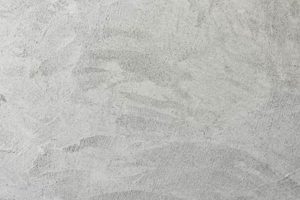
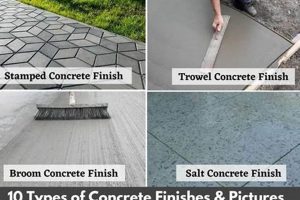
Techniques such as stamping, troweling, and the addition of aggregates create distinct surface textures. Stamping, employing molds to impart patterns onto the material before it hardens, replicates natural stone or geometric designs, adding visual interest to flooring or vertical surfaces. Troweling, varying the application pressure and angle, produces subtle undulations that catch light differently, enhancing the visual depth of the surface. The inclusion of aggregates, such as pebbles or glass, introduces another layer of texture as these materials are exposed through grinding and polishing. A practical application of textural variation is observed in commercial kitchens, where a slightly rough surface provides increased slip resistance, minimizing workplace accidents.
Understanding and effectively utilizing textural variation possibilities is crucial for achieving desired aesthetic and functional outcomes in interior applications. The selection of appropriate techniques depends on the intended use of the space, the desired aesthetic, and the required performance characteristics. While offering significant design flexibility, creating the desired texture requires expertise and careful planning to ensure durability and maintainability. Neglecting these considerations can result in surfaces that are visually unappealing, functionally inadequate, or require excessive maintenance. Therefore, a comprehensive understanding of the relationship between textural variation and material application is essential for successful integration of these finishes.
3. Color Integration Techniques

The successful implementation of concrete finishes within interior spaces hinges significantly on the effective application of color integration techniques. Color profoundly influences the perceived temperature, spatial dimensions, and overall aesthetic of a room. Therefore, the method by which color is introduced to the construction material directly impacts the final result and its harmony with the surrounding environment. Pigment introduction during the mixing process, for example, allows for consistent color distribution throughout the entire slab or element. This approach mitigates surface-level scratching or chipping, as the color remains consistent even if the surface is slightly damaged. Conversely, surface staining provides greater flexibility for achieving varied hues and intricate designs, but requires careful sealing to prevent uneven absorption or fading.
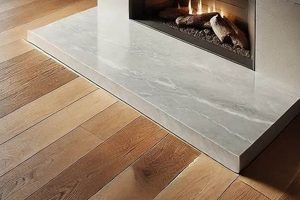
The selection of specific color integration techniques must consider the intended use of the space and the desired design aesthetic. Integral coloring is well-suited for large-scale projects requiring uniform color, such as flooring in commercial environments or feature walls. Staining, on the other hand, allows for the creation of unique visual effects, such as simulating the appearance of natural stone or creating intricate patterns. Real-world examples include the use of acid staining to achieve a marbled effect on countertops, adding depth and character, or incorporating dyes into polished floors to complement the overall color scheme of a contemporary office space. The practical significance lies in the ability to precisely control the final appearance, allowing designers to tailor the material to meet specific project requirements.
In summary, color integration techniques are an indispensable component of achieving desired aesthetic and functional outcomes with concrete finishes in interior environments. While integral coloring offers consistency and durability, surface staining provides greater design flexibility. The selection of the most appropriate technique depends on the specific project requirements and the desired visual effect. A thorough understanding of these techniques, coupled with careful planning and execution, is essential for creating durable, aesthetically pleasing surfaces that enhance the overall design of the interior space. Challenges may arise in matching colors accurately or preventing uneven color distribution, underscoring the need for experienced professionals and meticulous quality control.
4. Sealing Compound Selection
The selection of an appropriate sealing compound is a critical determinant in the long-term performance and aesthetic preservation of interior surfaces treated with construction materials. This selection process directly impacts the material’s resistance to staining, moisture penetration, and abrasion, influencing its overall lifespan and maintenance requirements.
- Penetrating vs. Topical Sealants
Penetrating sealants permeate the material, creating a hydrophobic barrier that repels liquids from within. Topical sealants form a protective layer on the surface, providing a barrier against physical damage and staining. The choice between these depends on the porosity of the material and the desired level of protection. For example, porous flooring benefits from penetrating sealants to prevent deep staining, while countertops may benefit from topical sealants for enhanced scratch resistance. Incorrect selection can lead to inadequate protection and premature deterioration.
- Type of Traffic & Usage
The anticipated level of foot traffic and the intended use of the space directly influence the required durability of the sealing compound. High-traffic areas, such as commercial lobbies, necessitate sealants with superior abrasion resistance and stain protection. Residential spaces may require sealants with a focus on aesthetic preservation and resistance to common household spills. Failure to account for traffic patterns can result in premature wear and the need for frequent resealing.
- Chemical Resistance
Chemical resistance is a crucial consideration in environments where the material may be exposed to cleaning agents, solvents, or other potentially corrosive substances. Kitchen countertops, for example, require sealants that are resistant to acids and alkalis. Industrial settings may necessitate sealants with resistance to specific chemicals used in the manufacturing process. Selecting a sealant with inadequate chemical resistance can lead to discoloration, etching, and structural damage.
- Aesthetic Considerations
Sealing compounds can affect the final appearance of the material, altering its sheen, color, and texture. Some sealants enhance the natural color and depth of the material, while others create a matte or glossy finish. The selection of a sealant should align with the desired aesthetic and complement the overall design of the space. Inappropriate sealant selection can result in an undesirable finish that detracts from the intended visual appeal.
The interconnectedness of sealant type, traffic levels, chemical exposure, and aesthetic considerations underscores the complexity of the selection process. A thorough assessment of the intended use and environmental conditions is essential for choosing a sealing compound that provides optimal protection, durability, and aesthetic preservation. Employing a qualified professional with expertise in material science and application techniques is crucial for ensuring successful long-term performance.
5. Maintenance Protocol Adherence

Adherence to prescribed maintenance protocols is paramount in preserving the integrity and aesthetic appeal of interior surfaces treated with construction material. The inherent durability of these finishes is contingent upon consistent and appropriate upkeep, influencing their lifespan and visual characteristics.
- Regular Cleaning Regimen
A scheduled cleaning routine is essential for removing surface contaminants that can degrade the protective sealants and compromise the material’s appearance. The frequency and intensity of cleaning should correspond to the level of traffic and the type of contaminants present. For instance, a commercial space may require daily cleaning with neutral pH detergents, while a residential setting may only necessitate weekly cleaning. Neglecting this aspect can lead to the accumulation of dirt and grime, accelerating wear and diminishing visual clarity.
- Prompt Spill Response
The immediate removal of spills is critical for preventing staining and etching, particularly from acidic or caustic substances. The composition of the spilled material dictates the appropriate cleaning method, ranging from simple blotting with absorbent cloths to the application of specialized cleaning solutions. Failure to address spills promptly can result in permanent discoloration or surface damage, requiring costly repairs or replacements.
- Protective Measures Implementation
The implementation of protective measures, such as the use of mats, rugs, and furniture pads, minimizes the risk of abrasion and impact damage. These measures create a barrier between the surface and potential sources of wear, extending the lifespan of the finish. In high-traffic areas, strategically placed mats can trap dirt and debris, reducing the abrasive effects of foot traffic. The absence of these measures significantly increases the likelihood of surface scratches, dents, and other forms of physical damage.
- Periodic Sealant Reapplication
The periodic reapplication of sealant is necessary to maintain the protective barrier against moisture penetration and staining. Over time, sealants degrade due to exposure to UV radiation, cleaning agents, and physical abrasion. The frequency of reapplication depends on the type of sealant used and the environmental conditions to which the surface is exposed. A well-maintained sealant layer preserves the material’s aesthetic appeal and prevents irreversible damage from moisture and contaminants.
These maintenance facets are interwoven, each contributing to the overall preservation of interior surfaces finished with construction material. Disregarding these protocols diminishes the inherent durability of these finishes, resulting in accelerated wear, increased maintenance costs, and a compromised aesthetic. Therefore, adherence to a comprehensive maintenance plan is an investment in the longevity and beauty of the treated surfaces.
Frequently Asked Questions
This section addresses common inquiries regarding the application, performance, and maintenance of concrete finishes within interior spaces.
Question 1: What factors influence the cost of interior surfaces?
The final cost is influenced by several variables, including surface area, complexity of the desired finish (e.g., polished vs. textured), material costs, labor rates, and any necessary surface preparation. More intricate finishes, such as those involving multiple layers or specialized aggregates, will generally incur higher costs.
Question 2: How durable are concrete finishes compared to other flooring materials?
Concrete finishes, when properly sealed and maintained, offer exceptional durability. They exhibit high resistance to abrasion, impact, and moisture. Compared to materials like hardwood or tile, these finishes can withstand heavy foot traffic and resist damage from spills or stains, making them suitable for high-use areas.
Question 3: What types of maintenance are required to preserve the appearance?
Maintenance primarily involves regular cleaning with neutral pH detergents and the periodic reapplication of sealant. The frequency of sealant reapplication depends on the level of traffic and exposure to staining agents. Promptly addressing spills and implementing protective measures, such as mats in high-traffic zones, further minimizes the need for extensive maintenance.
Question 4: Are these finishes susceptible to cracking?
While cracking can occur due to factors such as substrate movement or improper installation, it can be mitigated through proper surface preparation, the use of expansion joints, and the application of flexible epoxy coatings. The presence of minor hairline cracks is not uncommon and generally does not compromise the structural integrity or aesthetic appeal of the surface.
Question 5: Can these finishes be used in bathrooms or other moisture-prone areas?
Yes, these finishes are suitable for bathrooms and other moisture-prone areas provided that a high-quality sealant is applied. The sealant creates a waterproof barrier that prevents moisture penetration and protects the surface from water damage. Proper ventilation is also recommended to minimize humidity levels.
Question 6: What are the potential environmental benefits?
These finishes can contribute to sustainable design practices by utilizing locally sourced materials, reducing the need for resource-intensive manufacturing processes, and providing thermal mass, which can lower heating and cooling costs. Additionally, existing concrete slabs can be repurposed, minimizing construction waste.
Understanding these common concerns ensures that informed decisions are made regarding the implementation of this design element.
The subsequent section explores case studies illustrating the effective application of these finishes in diverse interior settings.
Conclusion
This exploration has detailed the various aspects of “concrete finishes interior,” encompassing surface treatments, application guidelines, design considerations, and maintenance requirements. The successful integration of this material requires a comprehensive understanding of its properties and potential limitations. Specific attention must be paid to surface preparation, sealant selection, and adherence to maintenance protocols to ensure longevity and aesthetic preservation.
The information presented underscores the importance of informed decision-making when incorporating this material into interior design projects. Future advancements in sealing technology and application techniques may further enhance the durability and versatility of “concrete finishes interior,” expanding their potential applications. Continued research and development in this area are essential to optimize performance and promote sustainable design practices.