Decorative painting techniques designed to replicate the appearance of other materials, such as wood, stone, or marble, offer a cost-effective alternative to using the genuine articles. For example, a skilled artisan can create the illusion of aged wood grain on a painted surface, adding character and depth to a room without the expense of installing reclaimed lumber.
The appeal of these imitation finishes lies in their versatility and ability to transform spaces. They allow for the creation of unique and personalized aesthetics, enhancing the visual impact of interiors and exteriors. Historically, these methods have provided access to luxurious looks for those with budget constraints, democratizing design and fostering creativity in home improvement.
The following sections will outline several common approaches to achieving these effects, detailing the materials and techniques involved in realizing the desired aesthetic. These include techniques like sponging, rag rolling, and strie, each producing a distinct visual texture and effect.
Guidance for Decorative Painting Techniques
Successful implementation of these techniques necessitates careful planning and execution. Attention to detail during each stage of the process will yield the most desirable results.
Tip 1: Surface Preparation is Paramount. Ensure the substrate is clean, dry, and primed before commencing any imitation finish application. A properly prepared surface promotes optimal adhesion and prevents premature failure of the finish.
Tip 2: Select Appropriate Materials. Employ high-quality paints, glazes, and tools suited to the specific technique. Inferior materials may compromise the outcome, leading to unsatisfactory results and increased maintenance.
Tip 3: Practice on Sample Boards. Before applying a technique to the final surface, experiment on sample boards to refine the application method and color selection. This allows for adjustments and minimizes the risk of errors.
Tip 4: Control Glaze Application. When using glazes, apply them thinly and evenly. Excess glaze can obscure the base coat and diminish the desired effect. Use appropriate tools such as brushes, rags, or sponges to manipulate the glaze.
Tip 5: Consider Ambient Lighting. Evaluate the effect under the intended lighting conditions. The appearance of the finish can change significantly depending on the light source. Natural and artificial light should be considered.
Tip 6: Seal the Finished Surface. Protect the imitation finish with a clear sealant to enhance its durability and resistance to wear. Select a sealant compatible with the paint and glaze used.
Tip 7: Maintain Consistent Technique. Strive for consistency in application to achieve a uniform appearance across the entire surface. Variations in technique can result in noticeable inconsistencies.
Adhering to these guidelines enhances the likelihood of achieving a professional-quality, long-lasting decorative finish. Diligence and precision are essential for successful implementation.
The following sections will delve into specific application methods and address common challenges encountered during the process.
1. Application Techniques

The diverse array of imitation finishing effects is intrinsically linked to the application techniques employed. Each technique, ranging from simple to complex, dictates the final visual texture and overall aesthetic. The choice of application method, therefore, becomes a foundational element in determining the specific type of imitation finish achieved. For instance, the dragging technique, characterized by pulling a dry brush through wet paint, results in a striated pattern simulating linen or textured wallpaper. Conversely, sponging, achieved by dabbing a sponge loaded with paint onto a surface, yields a mottled, variegated appearance, often replicating the look of stone or textured plaster. The selection of an application technique thus directly causes the creation of a specific surface treatment.
Furthermore, proficiency in application techniques is paramount for successful execution. The depth of color, the texture imparted, and the overall realism of the finish are all directly influenced by the skill and precision of the applicator. Consider marbling, a technique designed to mimic the veined appearance of natural marble. Achieving a convincing marble effect requires a nuanced understanding of layering, blending, and feathering paints using specialized brushes and tools. Without proper mastery of these application techniques, the resulting imitation will lack authenticity and visual appeal. This underlines the practical significance of dedicated training and practice in imitation finishing.
In conclusion, application techniques represent a crucial component of imitation finishing, inextricably linking the chosen method to the final surface effect. Understanding and mastering these techniques are essential for realizing desired aesthetic goals. Challenges in application, such as uneven coverage or inconsistent texture, can compromise the entire project, highlighting the need for careful planning, meticulous execution, and a thorough understanding of the relationship between application and visual outcome. This intricate relationship underscores the importance of considering application techniques as an integral part of the overall design process.
2. Material Selection

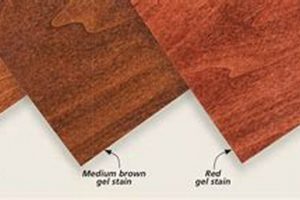
The selection of appropriate materials exerts a deterministic influence on the success and aesthetic outcome of imitation finishing projects. The type of paint, glaze, tool, and sealant utilized directly affects the durability, visual texture, and overall realism of the replicated surface. For example, achieving a convincing Venetian plaster imitation necessitates the use of specific lime-based plasters, specialized trowels, and waxes. Substituting these materials with acrylic paints and standard application tools would yield a distinctly inferior result, failing to capture the characteristic depth and luminosity of authentic Venetian plaster. The properties of the selected materials dictate the achievable visual characteristics. Similarly, simulating wood grain relies on specific gel stains, graining tools, and varnishes; a failure to use these prescribed components will result in a superficial and unconvincing wood effect.
Further consideration must be given to the compatibility of materials to ensure long-term performance. The interaction between the base coat, glaze, and topcoat is critical; incompatible combinations may lead to cracking, peeling, or discoloration over time. For instance, applying an oil-based glaze over a water-based paint without proper preparation can result in poor adhesion and subsequent failure. The choice of tools also significantly influences the outcome. Using a natural sea sponge for a sponging technique will create a different texture compared to using a synthetic sponge. The density, porosity, and shape of the sponge affect the distribution of paint and the resulting pattern. Understanding these subtle nuances in material properties and their effect on the final result is essential for achieving professional-quality imitation finishes.
In summary, material selection is not merely a procedural step but a crucial determinant of the visual quality and longevity of the imitation finish. The successful replication of textures, patterns, and colors depends on the informed selection of compatible and appropriate paints, glazes, tools, and sealants. Challenges arise from a lack of understanding of material properties or from the use of inferior substitutes. Therefore, meticulous attention to material selection forms an integral part of any successful project. This ensures a realistic and durable outcome that captures the intended aesthetic effect. The selection of these materials is thus an important and necessary element for a project of this nature.
3. Color palettes

The selection and application of color palettes are integral to achieving a realistic and aesthetically pleasing implementation of imitation finishing techniques. Color profoundly influences the perceived texture, depth, and overall authenticity of the replicated material, demanding careful consideration to ensure harmonious integration within the intended environment.
- Historical Accuracy
Many imitation finishing techniques aim to replicate historical materials, such as aged plaster or distressed wood. Accurate color palettes are crucial for conveying the intended historical period and style. For example, mimicking the color of 18th-century Venetian plaster requires a specific blend of pigments, often derived from natural sources, to achieve the subtle variations and aged appearance characteristic of that era. Deviations from historically accurate colors can diminish the realism of the finish.
- Illusion of Depth and Texture
Color palettes can be strategically employed to create the illusion of depth and texture, essential for replicating materials like marble or stone. Gradations of color, subtle shading, and contrasting hues can simulate the natural variations found in these materials. For example, a marble imitation often utilizes multiple layers of paint, each with slightly different tones, to create the veining and depth that define natural marble. A poorly chosen color palette can flatten the finish and negate the illusion of three-dimensionality.
- Environmental Harmony
The chosen color palette must harmonize with the surrounding environment, considering factors such as natural lighting, existing architectural features, and furniture. A color palette that clashes with the existing decor can detract from the overall aesthetic. For example, a warm-toned wood grain imitation might complement a room with traditional furnishings, while a cool-toned palette might be more suitable for a modern space. Contextual awareness is therefore critical.
- Technique-Specific Considerations
Different imitation finishing techniques require tailored color palettes to achieve optimal results. For instance, sponging techniques often benefit from contrasting colors to create a textured effect, while rag rolling might utilize more subtle color variations. The specific application method dictates the ideal color combinations. Venetian plaster imitations, for instance, rely heavily on subtle tonal variations to create depth and luminosity, while wood graining requires contrasting shades to accentuate the grain pattern.
In essence, color palettes in imitation finishing are not merely decorative additions but fundamental elements that contribute to the success of the overall technique. A deep understanding of color theory, historical context, and the specific demands of each imitation technique is essential for achieving realistic and aesthetically pleasing results. Strategic utilization of color ensures that the replicated material integrates seamlessly with its surroundings, enhancing the visual appeal of the space.
4. Surface Preparation
The successful application and long-term performance of any imitation finish is predicated upon meticulous surface preparation. The substrate’s condition directly influences the adhesion, texture, and overall visual quality of the applied finish, making it a non-negotiable step in the process.
- Adhesion and Longevity
Proper surface preparation ensures adequate adhesion of the imitation finish to the substrate. Contaminants such as dirt, grease, and loose paint can compromise adhesion, leading to premature peeling, cracking, or blistering. A clean, dry, and sound surface is essential. For instance, when applying a Venetian plaster imitation, a properly primed surface ensures the plaster bonds securely, preventing delamination over time.
- Texture Uniformity
An uneven or damaged surface will telegraph through the imitation finish, compromising its realism. Imperfections such as cracks, holes, or bumps must be addressed prior to application. Skim coating or patching compounds are frequently employed to create a smooth, uniform base. A wood grain imitation applied over an uneven surface will appear distorted and unnatural, detracting from the desired effect.
- Color Consistency
The existing color of the substrate can influence the final color of the imitation finish, particularly when using translucent glazes or thin layers of paint. A uniform base color is crucial for achieving consistent and predictable results. Priming the surface with a neutral-toned primer helps to block out any underlying colors and provides a consistent canvas for the imitation finish. For example, applying a glaze over a surface with varying color patches can result in an uneven and blotchy appearance.
- Specific Technique Requirements
Different imitation finishing techniques have distinct surface preparation requirements. For example, techniques that involve layering multiple glazes may require a smoother surface than techniques that are designed to create a heavily textured effect. A marble imitation, which often involves intricate veining and subtle color variations, demands a perfectly smooth and level surface to ensure the veins appear seamless and natural. The specific surface preparation method must align with the demands of the selected imitation finish.
The importance of surface preparation cannot be overstated; it forms the foundation upon which the entire imitation finish is built. Neglecting this step can result in costly repairs and unsatisfactory aesthetic outcomes. Meticulous attention to detail during surface preparation ensures that the finished product is both visually appealing and durable, providing long-lasting enhancement to the space.
5. Protective coatings
Protective coatings constitute an indispensable element in the application and preservation of imitation finishes. The deliberate selection and application of a suitable protective layer directly impact the longevity, maintainability, and overall visual integrity of the finished surface. Each imitation finish, due to its unique composition and textural properties, necessitates a specific type of protective coating to ensure optimal performance. For example, a Venetian plaster imitation, often characterized by its porous surface and subtle sheen, typically requires a breathable wax or sealant that protects against moisture penetration while maintaining its characteristic texture. A wood grain imitation, conversely, may benefit from a durable polyurethane coating to resist scratches and abrasion, particularly in high-traffic areas. The failure to apply an appropriate protective coating can lead to premature degradation of the imitation finish, resulting in discoloration, cracking, or delamination. The direct result of improper protection is decreased lifespan.
The selection of protective coatings must also consider the intended use and environmental conditions of the space. A wall in a bathroom, subject to high humidity and frequent cleaning, will require a different protective coating than a wall in a living room. Water-based acrylic sealers are generally suitable for interior walls, providing good protection against moisture and stains while maintaining a low odor. Oil-based polyurethane coatings offer enhanced durability and resistance to abrasion, making them suitable for floors or furniture. Furthermore, the compatibility between the protective coating and the underlying imitation finish is crucial. Certain coatings may react negatively with specific paints or glazes, causing discoloration or adhesion problems. Therefore, it is imperative to consult the manufacturer’s recommendations and perform compatibility tests prior to application. Considerations related to VOC content and environmental impact also influence product selection.
In conclusion, protective coatings represent a critical component of imitation finishing, directly influencing the durability, maintainability, and aesthetic longevity of the finished surface. The selection of the appropriate coating must consider the specific type of imitation finish, the intended use of the space, and the compatibility of the coating with the underlying materials. A well-chosen and properly applied protective coating safeguards the investment in the imitation finish, ensuring its continued beauty and functionality for years to come. The challenge lies in properly assessing these factors to choose a product for its task effectively.
Frequently Asked Questions About Imitation Finishes
The following addresses common inquiries regarding the application, durability, and maintenance of imitation finishes.
Question 1: How durable are imitation finishes compared to the materials they emulate?
Durability varies based on the specific technique and protective coatings used. Generally, imitation finishes are less durable than the solid materials they replicate but can offer acceptable longevity with proper application and maintenance. Protective topcoats significantly enhance resistance to wear and tear.
Question 2: Can imitation finishes be applied to any surface?
While versatile, imitation finishes are not universally applicable. Proper surface preparation is crucial. Smooth, clean, and primed surfaces typically yield the best results. Porous or uneven surfaces may require additional preparation steps to ensure proper adhesion and visual quality.
Question 3: What is the typical lifespan of an imitation finish?
The lifespan depends on several factors, including the technique, materials used, and environmental conditions. Well-maintained finishes can last for many years, but high-traffic areas or exposure to moisture may shorten their lifespan. Periodic touch-ups or reapplication may be necessary to maintain their appearance.
Question 4: Are imitation finishes easy to clean and maintain?
Cleaning and maintenance requirements vary depending on the finish and protective coating. Generally, gentle cleaning with mild soap and water is recommended. Abrasive cleaners or harsh chemicals should be avoided to prevent damage to the finish. Re-waxing or re-sealing may be required periodically to maintain protection.
Question 5: How much do imitation finishes typically cost compared to real materials?
Imitation finishes generally cost less than the materials they imitate. However, the cost can vary significantly depending on the complexity of the technique, the materials used, and the skill of the applicator. Labor costs often constitute a significant portion of the overall expense.
Question 6: Can imitation finishes be used in exterior applications?
Some imitation finishes are suitable for exterior applications, but the selection is limited. Exterior-grade paints, glazes, and sealants are necessary to withstand weather conditions and UV exposure. Proper preparation and application are critical for ensuring durability and preventing premature failure.
In summary, imitation finishes offer a cost-effective alternative to solid materials, providing aesthetic enhancement and design flexibility. However, their durability and lifespan depend on proper application, maintenance, and the selection of appropriate materials.
The subsequent article section will examine potential challenges and troubleshooting techniques in the application of these finishes.
Conclusion
This article has explored the diverse landscape of decorative painting techniques, detailing the methods, materials, and considerations critical to successful implementation. Emphasis has been placed on the importance of surface preparation, material compatibility, color palette selection, and the application of protective coatings in achieving realistic and durable results.
The information presented serves as a guide for understanding the complexities inherent in these techniques. Continued research and practice are essential for mastering these skills and harnessing their potential to transform interior and exterior spaces. The effective use of these techniques hinges on thorough planning and meticulous execution.