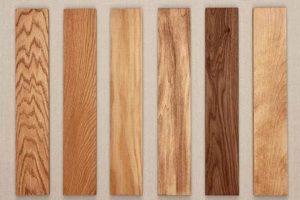
The term describes lumber derived from a specific deciduous tree, prepared for use in various applications. This preparation typically involves processes such as sanding, sealing, and the application of a topcoat, resulting in a smooth and protected surface. For example, cabinet doors constructed of this material are often painted or stained to enhance their aesthetic appeal and durability.
This type of treated wood offers several advantages. Its relatively low cost and ease of workability make it a popular choice for projects where budget and efficiency are important. Historically, it has been favored in furniture making and millwork due to its acceptance of paints and finishes, allowing for a wide range of design possibilities. Furthermore, the smooth surface achieved through finishing enhances its resistance to moisture and wear, extending the lifespan of the project.
Understanding these properties is crucial before delving into specific considerations for selecting the appropriate type for interior trim, furniture construction, or other woodworking endeavors. Subsequent sections will elaborate on suitable finishes, application techniques, and best practices for maintaining its integrity and appearance over time.
Working with Finished Poplar
Achieving optimal results with finished poplar requires careful consideration of preparation, finishing techniques, and environmental factors. Adhering to best practices ensures a durable and aesthetically pleasing outcome.
Tip 1: Proper Surface Preparation: Before applying any finish, ensure the surface is meticulously sanded. Start with a coarser grit sandpaper (e.g., 120-grit) and gradually move to finer grits (e.g., 220-grit) to achieve a uniformly smooth surface. Dust thoroughly between each sanding stage.
Tip 2: Utilize a Sealer or Primer: Apply a quality sealer or primer specifically designed for wood. This step helps to create a uniform base, preventing uneven absorption of subsequent finishes and enhancing adhesion. Allow the sealer or primer to dry completely according to the manufacturer’s instructions before proceeding.
Tip 3: Choose the Appropriate Finish: Select a finish appropriate for the intended use and environment. For high-traffic areas, consider a durable finish such as polyurethane or lacquer. For decorative pieces, paint or stain may be preferred. Always test the finish on a small, inconspicuous area first.
Tip 4: Apply Thin, Even Coats: Avoid applying the finish in thick coats, which can lead to runs, drips, and uneven drying. Apply multiple thin, even coats, allowing each coat to dry completely before applying the next. Lightly sand between coats with a fine-grit sandpaper (e.g., 320-grit) to remove any imperfections.
Tip 5: Control the Environment: Apply finishes in a well-ventilated area with a stable temperature and humidity level. Avoid applying finishes in direct sunlight or in excessively humid conditions, as this can affect the drying time and the final appearance.
Tip 6: Sanding Between Coats: Lightly sand the wood between each coat of finish with fine-grit sandpaper (320-grit or higher). This helps to create a smooth surface for the next coat and removes any imperfections.
Tip 7: Proper Drying Time: Adhere to the manufacturer’s recommended drying times for each coat of finish. Rushing the drying process can lead to problems such as clouding, peeling, or cracking.
By following these guidelines, one can maximize the aesthetic appeal and longevity when utilizing finished poplar in various projects.
The subsequent sections of this resource will provide a detailed discussion of specific applications and considerations for the long-term maintenance of surfaces made using finished poplar.
1. Smooth Surface

The attainment of a smooth surface is a defining characteristic of finished poplar. This quality is not inherent in the raw material but is the direct result of meticulous surface preparation during the finishing process. This preparation typically involves sanding, filling imperfections, and often applying a primer or sealer. The outcome is a surface that is free from prominent grain patterns, splinters, or roughness, making it exceptionally suitable for paint and other decorative coatings. The smooth texture is a key reason finished poplar is frequently specified for applications where aesthetic appeal and a flawless finish are paramount, such as in interior trim, cabinet doors, and furniture components.
The relationship between a smooth surface and finished poplar is one of cause and effect. The act of finishing, with its emphasis on surface refinement, directly creates the smooth surface. The importance of this smoothness extends beyond aesthetics. It directly influences the adhesion and evenness of the applied finish, impacting both the durability and visual quality of the final product. For example, a poorly sanded piece will exhibit uneven paint absorption, highlighting surface imperfections and compromising the protective qualities of the coating. In practical terms, achieving a professional-grade smooth surface translates to a longer-lasting, more visually appealing outcome, reducing the likelihood of chipping, peeling, or other forms of finish degradation.
In summary, the smooth surface is not merely a desirable attribute of finished poplar but a crucial element achieved through dedicated preparation and finishing techniques. This smooth texture is essential for optimal paint adhesion, enhanced aesthetics, and improved durability. Understanding this connection is fundamental for anyone working with this material, ensuring a high-quality and lasting finished product, thereby maximizing its utility in a variety of woodworking and construction applications.
2. Paint Acceptance

Paint acceptance is a critical attribute directly associated with lumber that has undergone finishing processes. This quality denotes the material’s capacity to readily and uniformly receive paint coatings, resulting in a consistent and aesthetically pleasing surface. The relationship is causal; proper finishing techniques, including sanding and priming, prepare the surface to be receptive to paint. The significance of paint acceptance is paramount because it dictates the final visual outcome and durability of painted objects. For instance, in the manufacture of painted kitchen cabinets, the lumber’s ability to evenly accept paint is crucial for achieving a professional and long-lasting finish. Without adequate paint acceptance, the final result may exhibit uneven color distribution, premature peeling, or other imperfections.
The practical implications of understanding paint acceptance in the context of this lumber extend to a wide range of applications. In furniture construction, for example, a surface that accepts paint well allows for a broader range of design options and color schemes. Similarly, in architectural millwork, achieving consistent paint application is vital for maintaining aesthetic uniformity throughout a building’s interior. The selection of appropriate primers and paints is also essential to optimize paint acceptance. Latex-based paints often adhere effectively to primed, creating a durable and visually appealing surface. The selection of the paint to use is very important to be main concern.
In summary, paint acceptance is an indispensable characteristic of treated lumber, impacting both the aesthetic qualities and longevity of finished products. Adequate surface preparation and the selection of compatible paints are crucial for maximizing paint acceptance. Comprehending these factors enables woodworkers and manufacturers to achieve superior results, ensuring that the final product meets both functional and aesthetic requirements. Proper paint acceptance increases the overall quality and value of various construction and woodworking projects.
3. Cost-Effectiveness

Cost-effectiveness is a significant consideration when selecting materials for construction and woodworking projects. The economic advantages associated with finished poplar, particularly when compared to hardwoods or more specialized materials, make it an attractive option for a variety of applications.
- Lower Material Cost
The raw material itself is generally less expensive than hardwoods such as oak, maple, or cherry. This lower initial cost allows for more budget flexibility, especially in large-scale projects where material expenses can quickly accumulate. For example, when constructing a series of cabinets or furniture pieces, the savings from using instead of a hardwood can be substantial.
- Reduced Labor Costs
Finished poplar is known for its workability, making it easier to cut, shape, and assemble. This ease of use can translate to reduced labor costs, as projects can be completed more quickly and with less specialized tooling. A contractor installing baseboards in a home might choose this material over a more difficult hardwood to save on installation time and labor.
- Minimized Waste
The uniform grain and relatively consistent density of treated wood contribute to minimized waste during the cutting and shaping processes. This reduces the amount of unusable material, further enhancing cost-effectiveness. In a manufacturing setting, less waste means lower overall material consumption and improved efficiency.
- Lower Finishing Costs
The smooth surface achieved through finishing requires less effort and fewer coats of paint or stain to achieve a professional-looking result. This translates to lower finishing material costs and reduced labor time. For example, painting a pre-finished door requires less paint than a raw wood surface.
These facets collectively contribute to the cost-effectiveness of surfaces made with treated lumber. When comparing material options for a project, the potential savings in material, labor, waste, and finishing expenses can make it a financially prudent choice. This economic advantage, combined with its other desirable properties, makes it a popular selection for a broad spectrum of applications.
4. Workability
Workability, in the context of materials science and woodworking, refers to the ease with which a material can be shaped, cut, joined, and finished. The workability of finished poplar is a significant factor in its widespread use across various applications, from furniture construction to interior trim. Its favorable characteristics in this regard contribute to reduced labor costs and increased project efficiency.
- Ease of Cutting and Shaping
Finished poplar exhibits a relatively soft and uniform texture, facilitating smooth cutting and shaping using both hand tools and power tools. This characteristic reduces the risk of splintering or tearing, resulting in cleaner edges and more precise dimensions. For example, carpenters can achieve intricate profiles on molding and trim with greater ease compared to denser hardwoods.
- Superior Gluing Properties
The cellular structure of poplar wood allows for effective adhesive bonding. Finished poplar readily accepts wood glues, forming strong and durable joints. This is particularly advantageous in furniture construction, where solid and reliable joints are essential for structural integrity. Consequently, projects involving intricate joinery benefit significantly from this property.
- Effective Fastening
Finished poplar accommodates screws and nails with minimal risk of splitting. This feature simplifies assembly processes and ensures secure connections. The wood’s ability to hold fasteners firmly contributes to the longevity and stability of finished products. An example is the ease with which finished poplar frames can be assembled using screws or nails, providing strong support for artwork or mirrors.
- Acceptance of Finishing Processes
Finished poplar, by definition, is prepared to readily accept paints, stains, and sealants. The smooth surface, achieved through sanding and priming, ensures even coating and optimal adhesion. This property minimizes the need for extensive surface preparation and enhances the aesthetic quality of the final product. A common example is the application of paint to pre-finished cabinet doors, resulting in a uniform and durable finish.
These facets of workability, combined with its relatively low cost, contribute to the popularity of finished poplar in a wide range of woodworking and construction projects. The materials ease of use translates to reduced labor time and material waste, making it a practical and economical choice for both professional craftsmen and DIY enthusiasts.
5. Stability
Dimensional stability is a critical attribute for any material used in construction or woodworking. In the context of finished poplar, it refers to the material’s ability to maintain its shape and size under varying environmental conditions, particularly changes in temperature and humidity. The inherent properties of poplar, coupled with the finishing process, influence its stability and suitability for specific applications.
- Reduced Moisture Absorption
Finishing processes, such as sealing and painting, create a barrier that minimizes moisture absorption by the wood. Poplar, in its untreated state, is moderately susceptible to moisture-related dimensional changes. However, a properly applied finish significantly reduces this tendency, enhancing its stability. For instance, painted poplar trim in a bathroom is less likely to warp or swell compared to unfinished poplar in the same environment.
- Minimized Warping and Twisting
Dimensional stability directly impacts the likelihood of warping and twisting, common issues in wood construction. Finished poplar, with its reduced moisture absorption, exhibits a lower propensity for these undesirable deformations. Properly kiln-dried lumber that is finished on all sides provides optimal resistance to warping. This makes it suitable for applications where flatness and straightness are crucial, such as cabinet doors and drawer fronts.
- Consistent Performance over Time
The long-term performance of wood-based products depends on their ability to maintain dimensional integrity over time. Finished poplar, due to its enhanced stability, provides consistent performance, reducing the need for frequent repairs or replacements. Properly finished components in furniture and millwork projects are less likely to exhibit gaps, cracks, or other signs of dimensional change over years of use.
- Influence of Finish Type
The type of finish applied plays a crucial role in the dimensional stability of poplar. Film-forming finishes, such as polyurethane and lacquer, provide a more effective moisture barrier compared to penetrating oils. The selection of an appropriate finish, therefore, directly impacts the material’s long-term stability. This is particularly relevant in environments with fluctuating humidity levels, where a robust moisture barrier is essential for preserving dimensional integrity.
In conclusion, the dimensional stability of finished poplar is a product of both its inherent properties and the applied finishing processes. By minimizing moisture absorption and reducing the likelihood of warping and twisting, finished poplar offers consistent performance and long-term reliability in a variety of applications. Understanding these factors is crucial for selecting the appropriate materials and finishing techniques to ensure project success.
6. Versatility

The term “versatility,” when applied to finished poplar, denotes its capacity to serve effectively in a wide array of applications due to its combined properties of workability, affordability, and aesthetic adaptability. The finishing process, involving sanding, sealing, and the application of a topcoat, is a primary cause of this versatility by creating a smooth, paint-ready surface. This inherent characteristic is paramount because it allows finished poplar to function across diverse contexts, from structural elements to decorative trim. A practical example is its widespread use in both paint-grade cabinetry and furniture construction, where its ability to be easily shaped and finished to match various design schemes is highly valued.
Furthermore, the material’s versatility extends to its compatibility with various finishing techniques. It readily accepts paint, stain, and clear coatings, enabling it to mimic the appearance of more expensive hardwoods or to achieve unique aesthetic effects. This adaptability is particularly beneficial in large-scale projects where a consistent look must be maintained while adhering to budgetary constraints. For instance, in commercial construction, finished poplar can be used to create cost-effective millwork that seamlessly integrates with the overall design, providing both functionality and visual appeal. The material’s workability also allows it to be used in intricate designs and custom projects.
In summary, the versatility of finished poplar stems from its combination of physical properties and the effects of the finishing process, making it a valuable material for a broad spectrum of applications. Understanding this versatility is crucial for project planning and material selection, enabling cost-effective and aesthetically pleasing outcomes. While finished poplar may not possess the inherent durability of certain hardwoods, its versatility makes it a practical and reliable choice when properly utilized.
Frequently Asked Questions About Finished Poplar
The following section addresses common inquiries regarding finished poplar, providing clear and concise information to assist in understanding its properties and applications.
Question 1: What distinguishes finished poplar from raw poplar lumber?
Finished poplar undergoes a specific preparation process, typically involving sanding, sealing, and the application of a topcoat. Raw poplar lumber, conversely, is untreated and lacks these surface enhancements.
Question 2: What are the primary advantages of using finished poplar in woodworking projects?
Key advantages include its smooth surface, ease of accepting paint, cost-effectiveness, and workability. These factors make it suitable for various applications, particularly where a painted finish is desired.
Question 3: Is finished poplar suitable for outdoor applications?
Finished poplar is generally not recommended for exterior use unless properly treated with weather-resistant finishes and sealants. Its susceptibility to moisture damage makes it more appropriate for interior applications.
Question 4: How should finished poplar be maintained to ensure its longevity?
Regular cleaning with a mild detergent and water is recommended. Avoid abrasive cleaners or excessive moisture exposure. Periodic reapplication of finish may be necessary to maintain its protective qualities.
Question 5: Can finished poplar be stained effectively?
While primarily used for painted finishes, finished poplar can be stained. However, due to its closed grain structure, it may require a pre-stain conditioner to ensure even stain absorption and prevent blotchiness.
Question 6: What is the typical cost comparison between finished poplar and other hardwood options?
Finished poplar is generally less expensive than hardwoods such as oak, maple, or cherry. This cost-effectiveness makes it an attractive alternative for budget-conscious projects.
In summary, finished poplar offers a balance of affordability, workability, and aesthetic appeal, making it a versatile choice for a range of interior woodworking applications. Proper understanding of its properties and appropriate maintenance practices are essential for maximizing its benefits.
The subsequent sections will explore specific applications of finished poplar and provide detailed guidance on its utilization in various projects.
Conclusion
This exploration of finished poplar has highlighted its significant attributes, including its smooth surface, acceptance of paint, cost-effectiveness, workability, stability, and versatility. The material presents a viable option for numerous interior applications, particularly where a painted finish is desired and budgetary constraints are a consideration.
Continued research into advanced finishing techniques and sustainable sourcing practices will likely further enhance the value proposition of finished poplar in the future. The responsible and informed utilization of this material ensures both aesthetic appeal and functional longevity in diverse construction and woodworking endeavors.