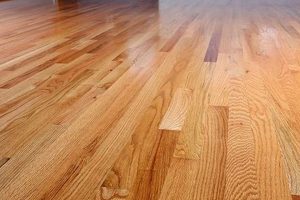
A protective coating designed for wooden floors, utilizing a specific formulation dissolved in water. This product offers a durable, transparent layer that shields the underlying wood from wear, scratches, and stains. As an example, it is applied over newly sanded hardwood to enhance its aesthetic appeal and extend its lifespan.
The significance of this type of coating lies in its low volatile organic compound (VOC) content, contributing to improved indoor air quality and environmental responsibility. Its use offers a balance between robust protection and a more sustainable application process. Historically, solvent-based options were prevalent, but increasing environmental awareness has driven the adoption of these newer, more eco-conscious solutions.
The remainder of this article will delve into the application techniques, durability characteristics, and maintenance requirements associated with achieving optimal results from this widely utilized flooring solution. Further discussion will cover its advantages and disadvantages compared to alternative coatings, and explore factors influencing the selection process for specific applications.
Application and Maintenance Guidelines
The following guidelines offer crucial considerations for achieving optimal performance and longevity when using this type of floor sealant. Adherence to these recommendations ensures both the aesthetic appeal and protective qualities are maximized.
Tip 1: Surface Preparation is Paramount: Prior to application, meticulous preparation is essential. The floor surface must be thoroughly sanded to a uniform smoothness, free of any existing finishes, waxes, or contaminants. Insufficient preparation can compromise adhesion and result in an uneven finish.
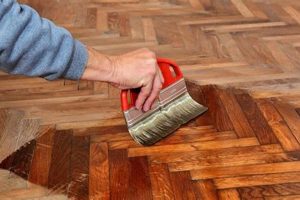
Tip 2: Proper Application Techniques: Apply thin, even coats using a high-quality applicator, such as a synthetic pad or brush specifically designed for water-based products. Avoid over-application, which can lead to pooling, drips, and prolonged drying times. Each coat should be allowed to dry completely according to the manufacturer’s instructions.
Tip 3: Sanding Between Coats: Lightly sand between coats using fine-grit sandpaper (220-320 grit) to create a smooth surface for subsequent layers. This process, known as “de-nibbing,” removes any imperfections and promotes optimal adhesion. Vacuum thoroughly after sanding to remove all dust particles.
Tip 4: Environmental Control: Maintain a consistent temperature and humidity level during application and drying. Extreme temperatures or high humidity can affect drying times and the final finish. Optimal conditions typically range between 65-75F (18-24C) with relative humidity between 40-60%.
Tip 5: Adequate Drying Time: Allow sufficient drying time between coats and before placing furniture or heavy objects on the finished floor. Rushing this process can result in scratching, denting, and a compromised finish. Consult the product’s specifications for recommended drying times.
Tip 6: Regular Maintenance: Implement a regular cleaning routine using products specifically formulated for floors treated with this solution. Avoid using harsh chemicals, abrasive cleaners, or excessive water, as these can damage the finish over time.
Tip 7: Consider a Test Area: Prior to applying to the entire floor, test the product in an inconspicuous area to ensure compatibility with the wood species and desired aesthetic outcome. This step can prevent potential issues and ensure satisfaction with the final result.
Following these guidelines maximizes the protective capabilities, enhances the visual appeal, and extends the lifespan of floors treated with water-based protective coating. Proper application and maintenance are critical to achieving long-term satisfaction.
The following sections will delve into specific product selection considerations, address common issues encountered during application, and provide a comprehensive guide to troubleshooting potential problems.
1. Durability and protection

The effectiveness of a water-based polyurethane floor coating is fundamentally linked to its durability and protective qualities. This connection represents a primary determinant of the coating’s value and long-term performance. The core function of such a coating is to provide a resilient barrier against everyday wear, including abrasion, impacts, and chemical exposure. Inadequate durability results in premature scratching, chipping, and staining, necessitating more frequent refinishing. For instance, in high-traffic areas like hallways or kitchens, a coating with subpar durability will quickly show signs of damage, detracting from the floor’s appearance and requiring costly repairs. Conversely, a robust coating extends the lifespan of the floor, preserving its aesthetic appeal and minimizing maintenance requirements.
The formulation of the product directly influences the level of durability and protection achieved. Higher-quality formulations often incorporate additives such as aluminum oxide or ceramic particles to enhance scratch resistance and impact strength. These additives increase the coating’s ability to withstand the rigors of daily use. Furthermore, the number of applied coats and the adherence to proper application techniques significantly affect the overall protective layer. A sufficient number of coats, correctly applied, ensures adequate film thickness and complete coverage, maximizing the protective barrier. As an example, a coating applied too thinly or unevenly may not provide sufficient protection against spills or heavy foot traffic, leading to localized damage.
In summary, durability and protection are integral components of a quality water-based polyurethane floor coating. Their presence or absence directly impacts the floor’s longevity, appearance, and maintenance demands. The understanding of this relationship guides selection toward products capable of withstanding intended use conditions, safeguarding the investment and minimizing future expenses. While advancements in coating technology continue to enhance these attributes, the challenges lie in balancing durability with environmental considerations and application ease.
2. Low VOC emissions

Volatile Organic Compounds (VOCs) are gases emitted from certain solids or liquids, with various potential health effects. The connection between minimal VOC emissions and water-based polyurethane floor coatings resides in the formulation’s solvent composition. Traditional solvent-based coatings utilize high levels of VOCs, released during and after application, contributing to indoor air pollution. Water-based formulations, by design, use water as the primary solvent, significantly reducing the VOC content. This reduction minimizes the emission of harmful gases into the environment and inhabited spaces. The effect is a marked improvement in air quality, reducing the risk of respiratory irritation and other adverse health reactions, particularly for individuals sensitive to chemical fumes.
The importance of diminished VOC emissions as an intrinsic feature of water-based polyurethane is evident in regulatory mandates and increasing consumer demand for environmentally responsible products. Governmental bodies, such as the EPA, have implemented stricter regulations regarding VOC limits in coatings. Compliance with these regulations has driven the development and adoption of water-based alternatives. Furthermore, consumers are becoming increasingly aware of the health and environmental implications of building materials and finishes, actively seeking options with lower VOC content. For instance, schools and hospitals often specify low-VOC coatings to safeguard the health of students, patients, and staff. This preference directly impacts product selection and market trends within the flooring industry.
In summary, the inherent low VOC emissions characteristic of water-based polyurethane floor coatings represents a critical advantage. It mitigates potential health risks, aligns with environmental regulations, and caters to evolving consumer preferences. The challenges lie in continually improving the performance characteristics of these coatingssuch as durability and claritywhile maintaining minimal VOC levels. The understanding of this relationship is crucial for selecting floor coatings that prioritize both environmental stewardship and occupant well-being.
3. Clarity and sheen

The visual attributes of clarity and sheen are integral to the overall aesthetic appeal of floors finished with water-based polyurethane. These characteristics directly influence the perceived quality and elegance of the treated surface. The interplay between the coating’s transparency and its reflective properties determines the final visual impression.
- Intrinsic Color Preservation
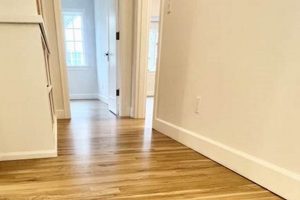
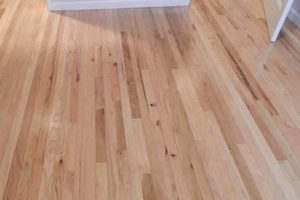
The clarity of a water-based polyurethane allows the natural color and grain of the underlying wood to be fully expressed. Unlike some solvent-based coatings that may impart an amber hue, these formulations are designed to be nearly invisible, preserving the wood’s inherent beauty. For example, on a light-colored maple floor, a high-clarity finish will maintain the wood’s subtle tones without alteration, while a less clear finish might introduce undesirable color casts.
- Sheen Level Variability
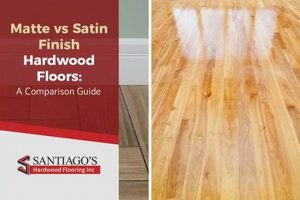
Water-based polyurethanes are available in a range of sheen levels, from matte to high gloss, allowing for customization of the floor’s reflective properties. Matte finishes minimize light reflection, creating a more subdued and natural look, suitable for rustic or contemporary designs. Gloss finishes, conversely, maximize light reflection, creating a brighter, more dramatic effect, often preferred in formal settings. The selection of sheen level dictates the visual impact and maintenance requirements of the finished floor.
- Impact on Perceived Cleanliness
The sheen level also influences the perceived cleanliness of the floor. Glossy finishes tend to highlight dust and imperfections more readily than matte finishes. Therefore, while gloss finishes may enhance the floor’s brightness, they also necessitate more frequent cleaning to maintain a pristine appearance. Matte finishes, by contrast, offer greater concealment of minor imperfections, requiring less frequent maintenance.
- Long-Term Appearance Retention
The clarity and sheen of a water-based polyurethane can be affected by wear and tear over time. Scratches and abrasions can dull the finish, reducing its clarity and altering its sheen level. Regular maintenance, including cleaning and recoating, is essential to preserve the original visual characteristics of the floor. The formulation’s durability directly influences the long-term retention of clarity and sheen.
In conclusion, the careful consideration of clarity and sheen is paramount in selecting a water-based polyurethane floor coating. These visual attributes significantly impact the floor’s aesthetic appeal, maintenance demands, and long-term performance. The selection process should account for the desired visual effect, the anticipated level of foot traffic, and the frequency of maintenance to ensure a satisfactory and enduring result. The balance between clarity, sheen, and durability is critical for achieving a floor finish that is both visually appealing and functionally resilient.
4. Application process

The application process is a critical determinant of the final quality and performance of water-based polyurethane floor coatings. Proper execution directly influences the coating’s adhesion, uniformity, and overall protective capabilities, impacting the longevity and aesthetic appeal of the finished floor.
- Surface Preparation Protocols
Thorough surface preparation is paramount for successful application. This entails removing existing finishes, sanding the wood to a smooth, even surface, and eliminating all dust and contaminants. Improper preparation can compromise adhesion, leading to peeling, bubbling, or an uneven finish. As an example, failing to remove wax residue prior to coating can create a barrier that prevents the polyurethane from properly bonding with the wood.
- Environmental Condition Management
Maintaining optimal environmental conditions during application and drying is essential. Temperature and humidity levels can significantly affect the coating’s drying time, flow characteristics, and overall finish quality. For instance, high humidity can prolong drying times and promote the formation of a cloudy or hazy film. Manufacturers typically specify recommended temperature and humidity ranges for their products, which should be strictly adhered to.
- Application Technique Precision
The manner in which the coating is applied directly influences the uniformity and appearance of the finished floor. Thin, even coats are generally preferable to thick, uneven applications. Proper application techniques, such as using a high-quality applicator and maintaining a consistent wet edge, minimize the risk of brush marks, streaks, or pooling. Overlapping strokes or excessive application pressure can also lead to undesirable results.
- Inter-Coat Preparation Methods
Sanding between coats of polyurethane, often referred to as “de-nibbing,” is a crucial step in achieving a smooth, professional finish. Lightly sanding the surface with fine-grit sandpaper removes any imperfections, such as dust particles or air bubbles, and creates a better bonding surface for subsequent coats. Thorough dust removal after sanding is essential to prevent contamination of the next coat.
The application process is not merely a procedural step but an integral factor in realizing the full potential of water-based polyurethane floor coatings. Diligent adherence to recommended preparation, environmental control, application techniques, and inter-coat preparation methods significantly enhances the durability, appearance, and longevity of the finished floor. The success of the application is directly proportional to the expertise and meticulousness applied throughout the process.
5. Maintenance requirements

The maintenance regimen for floors coated with water-based polyurethane directly impacts their longevity, aesthetic appeal, and overall performance. Consistent and appropriate maintenance preserves the protective qualities of the finish, safeguarding the underlying wood from damage and wear.
- Regular Cleaning Protocols
Consistent removal of dirt, dust, and debris is paramount. Utilizing a microfiber mop or soft-bristled broom on a regular basis prevents the accumulation of abrasive particles that can scratch the finish. For example, in a household with pets, daily sweeping or vacuuming may be necessary to remove pet hair and dander, preventing them from embedding in the finish and causing scratches over time. Neglecting this aspect results in premature wear and a dull appearance.
- Appropriate Cleaning Agents
Selecting cleaning products specifically formulated for water-based polyurethane finishes is critical. Harsh chemicals, abrasive cleaners, or excessive water can damage or degrade the finish over time. Neutral pH cleaners are generally recommended to avoid stripping the protective layer or leaving behind a residue. For instance, using vinegar-based solutions, while often touted as natural cleaners, can etch the finish and diminish its sheen.
- Moisture Management Strategies
Excessive moisture exposure poses a significant threat to water-based polyurethane finishes. Promptly wiping up spills and avoiding prolonged exposure to dampness prevents water from penetrating the finish and causing damage to the underlying wood. Placing mats at entryways reduces the amount of moisture tracked onto the floor. In environments prone to humidity, using a dehumidifier can mitigate potential issues.
- Periodic Recoating Schedules
Over time, the protective layer of water-based polyurethane will inevitably wear down. Periodic recoating, typically every 3-7 years depending on traffic levels, restores the finish’s protective qualities and rejuvenates its appearance. This process involves lightly sanding the existing finish to create a bonding surface and applying a new coat of polyurethane. Delaying recoating can result in the finish wearing through completely, exposing the wood to damage and necessitating a full refinishing.
These maintenance facets, when consistently implemented, ensure the continued performance and aesthetic qualities of floors finished with water-based polyurethane. Neglecting these requirements can lead to premature degradation of the finish, necessitating costly repairs or refinishing. The adherence to a proper maintenance schedule constitutes a crucial aspect of preserving the investment in a water-based polyurethane floor coating.
Frequently Asked Questions
The following addresses prevalent inquiries concerning the selection, application, and maintenance of water-based polyurethane coatings for wooden floors, offering detailed and fact-based responses.
Question 1: Is water-based polyurethane as durable as solvent-based alternatives?
While earlier formulations exhibited lower durability compared to solvent-based options, contemporary water-based polyurethanes, particularly those incorporating advanced resin technologies and additives like aluminum oxide, offer comparable or even superior abrasion resistance and overall durability. Performance varies by product and application technique; therefore, reviewing product specifications and adhering to manufacturer instructions are essential.
Question 2: What is the typical drying time for a water-based polyurethane floor finish?
Drying times vary depending on the specific product, environmental conditions (temperature, humidity), and application thickness. Generally, water-based polyurethanes dry faster than solvent-based counterparts. A typical drying time between coats ranges from 2 to 6 hours. Complete curing, which is required before heavy use, typically takes 24 to 72 hours. Consulting the manufacturer’s specifications for precise drying and curing times is imperative.
Question 3: Can water-based polyurethane be applied over an existing solvent-based finish?
Application over an existing solvent-based finish is generally not recommended without proper preparation. The existing finish must be thoroughly sanded to ensure adequate adhesion. Compatibility testing in an inconspicuous area is advisable to assess potential issues such as lifting, wrinkling, or delamination. In many cases, complete removal of the existing finish is the most reliable approach.
Question 4: What is the best method for cleaning floors finished with water-based polyurethane?
The optimal cleaning method involves using a microfiber mop and a pH-neutral cleaner specifically designed for polyurethane finishes. Avoid abrasive cleaners, harsh chemicals, and excessive water. Promptly wipe up spills to prevent staining or water damage. Regular sweeping or vacuuming to remove loose dirt and debris is also essential.
Question 5: How many coats of water-based polyurethane are recommended?
A minimum of two coats is typically recommended, with three coats often preferred for enhanced durability and protection, particularly in high-traffic areas. The specific number of coats may vary depending on the product and the intended use of the floor. Applying thin, even coats, as per the manufacturer’s instructions, is crucial for achieving optimal results.
Question 6: Does water-based polyurethane yellow over time?
Unlike some solvent-based polyurethanes, water-based formulations generally resist yellowing over time. This characteristic helps preserve the natural color of the wood and ensures a consistent appearance throughout the floor’s lifespan. However, prolonged exposure to ultraviolet (UV) light may still cause subtle color changes in certain wood species. Using window treatments and UV-resistant coatings can help mitigate this effect.
In conclusion, water-based polyurethane floor finishes offer a viable, and often preferable, alternative to traditional solvent-based coatings. Careful consideration of product specifications, proper application techniques, and consistent maintenance practices are essential for maximizing the benefits and ensuring long-term satisfaction.
The following sections explore comparative analyses of water-based polyurethane relative to other floor finishing options, providing a comprehensive understanding of available choices.
Conclusion
The preceding discussion has illuminated key characteristics of water-based poly floor finish, including its durability, low VOC emissions, clarity, application process, and maintenance requirements. Understanding these facets is crucial for informed decision-making in floor finishing projects. The advantages of reduced environmental impact and resistance to yellowing, coupled with advancements in durability, position it as a strong contender among available options.
Careful consideration of the specific needs of each project remains paramount. Professionals and homeowners should rigorously evaluate product specifications and adhere to recommended application and maintenance protocols to ensure optimal performance and longevity. Continued innovation in water-based polyurethane technology promises further enhancements in durability and ease of use, solidifying its role in sustainable and high-quality floor finishing solutions.