The treatment of a metallic substrate to achieve a desired texture, smoothness, or appearance is a critical step in manufacturing processes. This process, often involving techniques such as polishing, grinding, or coating, directly influences the properties of the final product. For instance, achieving a highly reflective surface can be necessary for optical applications, while a textured surface might be required to improve adhesion for subsequent coatings or to enhance tactile feel.
The selection and implementation of appropriate methods significantly impact performance, durability, and aesthetics. Benefits can include improved corrosion resistance, reduced friction, increased wear resistance, and enhanced visual appeal. Historically, artisans relied on manual techniques; however, advancements in technology have led to automated processes that provide greater precision and consistency, improving the efficiency and cost-effectiveness of achieving specific requirements.
Understanding the relationship between surface properties and the intended application is paramount. Subsequent sections will delve into specific methods, measurement techniques, and the impact of this crucial step on various industries, outlining the criteria for selection and showcasing real-world examples where particular approaches are employed to solve specific challenges.
Enhancing Product Quality
This section provides practical guidance for optimizing the selection and application of specific techniques, contributing to enhanced product performance and longevity.
Tip 1: Select the Appropriate Method Based on Material. Certain alloys respond better to specific treatment processes than others. For instance, aluminum may benefit from anodization for enhanced corrosion resistance, while steel might require passivation or plating to achieve similar results. A thorough understanding of the material’s properties is crucial.
Tip 2: Define Clear Surface Roughness Requirements. Quantify desired surface characteristics using appropriate measurement tools and metrics (e.g., Ra, Rz). Specify acceptable tolerance ranges to ensure consistency across manufactured parts. Inaccurate specification can lead to unnecessary costs or compromised functionality.
Tip 3: Consider the Environmental Impact of Treatment Processes. Evaluate the environmental footprint associated with each method, including waste generation and energy consumption. Explore environmentally friendly alternatives, such as dry blasting or water-based coatings, where feasible.
Tip 4: Prioritize Pre-Treatment Preparation. Proper cleaning and degreasing are essential before applying any treatment. Contaminants can interfere with adhesion and prevent uniform coverage, leading to premature failure or aesthetic defects.
Tip 5: Implement Robust Quality Control Procedures. Regularly inspect finished components to verify compliance with specified requirements. Use non-destructive testing methods, such as visual inspection, profilometry, or adhesion testing, to ensure consistent results.
Tip 6: Optimize Process Parameters for Efficiency. Carefully control variables such as temperature, pressure, and duration to maximize efficiency and minimize defects. Implement statistical process control (SPC) to monitor and adjust parameters in real-time.
Tip 7: Consult with Experts for Complex Applications. For specialized requirements or unfamiliar materials, seek guidance from experienced professionals. Their expertise can help identify the optimal solution and prevent costly mistakes.
Implementing these tips will contribute to improved product quality, extended service life, and reduced manufacturing costs. Proper execution ensures optimal performance and delivers enhanced value.
The subsequent discussion will explore specific applications across different industries, demonstrating the practical implications of proper treatment and its contribution to overall product success.
1. Aesthetics and Appearance

The aesthetic qualities of a metallic component are inextricably linked to its final treatment. This aspect extends beyond mere visual appeal, influencing perceived quality, brand identity, and consumer perception. Achieving the desired look requires careful selection and control of treatment processes.
- Reflectivity and Gloss
The ability of a surface to reflect light is a critical factor in determining its perceived brightness and shine. High levels of polish create mirror-like finishes, often employed in decorative applications or optical instruments. Conversely, matte finishes reduce glare and provide a more subtle aesthetic. Examples include the highly polished exterior of luxury vehicles versus the bead-blasted, low-glare housings of industrial equipment.
- Texture and Pattern
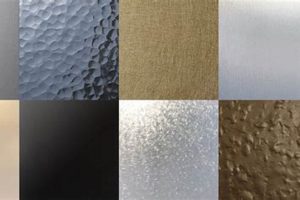
The tactile and visual characteristics of a surface contribute significantly to its overall appeal. Textures can range from smooth and seamless to rough and patterned. Techniques such as brushing, etching, or knurling can create specific visual effects and enhance grip. The brushed finish on stainless steel appliances provides a modern aesthetic, while the textured surface of hand tools improves usability.
- Color and Coating
The application of paints, coatings, or dyes allows for precise color matching and aesthetic customization. These processes not only alter the visual appearance but also can impart functional properties, such as UV resistance or corrosion protection. The vibrant colors of powder-coated architectural elements demonstrate the breadth of aesthetic possibilities.
- Defect Visibility
The process can either conceal or accentuate pre-existing imperfections on the material surface. Highly polished finishes can highlight even minor scratches or blemishes, requiring meticulous surface preparation. Conversely, textured or coated surfaces can mask underlying defects, offering a more forgiving aesthetic solution.
The careful manipulation of reflectivity, texture, color, and defect visibility through controlled finishing methods directly translates into the perceived value and desirability of metal products. A well-executed texture enhances visual qualities and adds practical benefits, solidifying the importance of understanding and controlling the process.
2. Corrosion Resistance

The susceptibility of metals to degradation due to environmental factors necessitates protective measures. The application of appropriate techniques is a critical strategy for mitigating corrosion and extending the lifespan of metallic components. Understanding the interplay between material properties, environmental conditions, and treatment methods is essential for achieving optimal corrosion resistance.
- Protective Coatings
The application of a barrier layer to isolate the metal from corrosive agents is a prevalent method. Coatings, such as paints, powder coatings, or specialized films, prevent direct contact with moisture, salts, and other environmental contaminants. For example, applying a specialized epoxy coating on steel structures in marine environments significantly reduces the rate of rust formation, ensuring structural integrity.
- Surface Passivation
Certain methods induce the formation of a thin, inert oxide layer on the metal surface, inhibiting further corrosion. This process is particularly effective for stainless steel and aluminum alloys. The naturally forming chromium oxide layer on stainless steel provides exceptional corrosion resistance, allowing its use in demanding applications like surgical instruments and food processing equipment.
- Galvanic Protection
Sacrificial coatings, such as zinc, are applied to provide cathodic protection to the underlying metal. The zinc corrodes preferentially, protecting the more noble metal from degradation. Galvanized steel is widely used in construction and infrastructure projects to prevent corrosion of steel components, even when the coating is partially damaged.
- Electropolishing and Chemical Treatments
These techniques remove surface imperfections and contaminants that can act as initiation sites for corrosion. Electropolishing smooths the surface, reducing the surface area exposed to corrosive agents. Chemical treatments, such as pickling, remove scale and oxides, creating a clean surface for subsequent treatments. These techniques are commonly employed in the pharmaceutical and semiconductor industries to ensure the purity and longevity of equipment.
These strategies, employed individually or in combination, demonstrate the diverse range of approaches for enhancing corrosion resistance through targeted treatments. The specific requirements of the application, including the operating environment and the desired lifespan, dictate the selection and implementation of the most suitable method. Understanding the underlying principles of corrosion and the capabilities of each treatment is essential for ensuring the long-term performance and reliability of metal components.
3. Friction and Wear

The characteristics of a treated metallic substrate directly influence frictional forces and the rate of material loss due to abrasion, adhesion, and other wear mechanisms. A controlled texture or the application of specialized coatings can significantly reduce friction, minimizing energy losses and preventing premature component failure. Conversely, inadequate surface preparation or the selection of an inappropriate process can exacerbate friction and accelerate wear, leading to decreased performance and reduced lifespan. The implementation of appropriate finishing techniques is therefore crucial for optimizing the tribological properties of metal components. A real-life example is a piston cylinder in an engine which requires minimal friction and minimum wear for proper work of the car engine.
Surface treatments to manage friction and wear include techniques such as polishing, which reduces surface roughness and minimizes adhesive wear, and the application of hard coatings, such as titanium nitride (TiN), which provide enhanced wear resistance. Texturing, through processes like laser surface texturing, can create micro-reservoirs for lubricant retention, further reducing friction. The selection of a surface treatment must consider the specific operating conditions, including load, speed, temperature, and the presence of lubricants. The proper use of treatment leads to extended product durability, reduced energy consumption, and diminished maintenance costs. An inadequate approach will lead to premature part deterioration and system malfunction.
The interplay between treatment and friction and wear presents a complex engineering challenge. The appropriate strategy depends on a thorough understanding of the materials involved, the operating environment, and the desired performance characteristics. Proper implementation of correct treatments requires both a detailed scientific understanding and meticulous control of process parameters. The investment in careful surface engineering yields substantial benefits in terms of component reliability, energy efficiency, and overall system performance. Careful management of the characteristics are key to unlocking the full potential of metal components in demanding applications. It enhances machine efficiency by reducing energy loss due to the wear of the material.
4. Adhesion Properties
The ability of coatings, adhesives, or other materials to effectively bond to a metallic substrate is critically dependent on its characteristics. The final surface state, dictated by finishing processes, profoundly influences the strength and durability of these bonds. The nature of the preparation determines the available surface area for interaction, the presence of contaminants that might weaken adhesion, and the surface energy that governs the chemical or physical attraction between materials. For instance, a rough, oxide-free area created by abrasive blasting provides a significantly better foundation for paint adhesion than a smooth, oily one. The success of many industrial applications, from automotive coatings to structural adhesives, hinges on optimizing its properties through controlled processes.
Effective implementation involves selecting treatments that maximize the number of active bonding sites and minimize the presence of weak boundary layers. Techniques such as chemical etching or plasma treatment can increase surface energy and improve wettability, facilitating stronger adhesive interactions. Furthermore, the introduction of specific functional groups onto the metallic area can promote chemical bonding with the applied material. In aerospace applications, for example, meticulous surface preparation protocols, including acid etching and anodization, are employed to ensure the reliable adhesion of structural adhesives used in aircraft assembly. This translates to enhanced structural integrity and improved aircraft safety.
In summary, understanding the complex interplay between these adhesion properties and the techniques is paramount for achieving robust and long-lasting bonds. Challenges arise from variations in material composition, environmental conditions, and the specific requirements of the application. Nevertheless, a systematic approach, combining appropriate surface treatments with careful selection of adhesives or coatings, can reliably enhance the overall performance and durability of finished products.
5. Manufacturing Cost
The selection and implementation of metallic substrate treatments exert a significant influence on overall manufacturing expenses. Cost considerations are not limited to the direct expenditure on materials and processes but also encompass factors such as production efficiency, rejection rates, and long-term product performance. A balanced approach is essential to optimize both the aesthetic and functional qualities of finished components while maintaining cost-effectiveness.
- Material Selection
The choice of substrate material profoundly impacts finishing costs. Certain alloys require specialized treatments, incurring higher expenses than readily workable metals. For example, high-strength alloys often necessitate complex preparation procedures. An informed decision on raw materials based on the application reduces the need for costly and extensive texture enhancement processes.
- Process Complexity
The intricacy of the surface preparation procedure directly correlates with manufacturing expenses. Multi-step processes, involving multiple surface treatments or tightly controlled parameters, invariably lead to increased costs. Conversely, simpler methods such as basic cleaning or passivation offer cost-effective solutions for less demanding applications. Opting for a minimally acceptable process helps reduce expenditure.
- Equipment and Labor
Advanced equipment and skilled labor contribute significantly to overall treatment costs. Automated processes, while requiring substantial initial investment, can reduce labor expenses and enhance production throughput. Manual operations, although potentially cheaper in terms of equipment, demand skilled technicians and may be subject to inconsistencies. Weighing the costs and benefits of automation is key to controlling budget.
- Quality Control and Rejection Rates
Stringent quality control measures are crucial for ensuring that components meet specified requirements. High rejection rates due to inadequate procedures or process inconsistencies can inflate manufacturing costs. Investing in robust quality control mechanisms, including regular inspections and process monitoring, minimizes the likelihood of defects and reduces waste. Consistent product quality is vital for cost-effectiveness.
The foregoing considerations underscore the importance of a holistic approach to surface treatments. Understanding the interplay between material properties, process parameters, and quality control measures is essential for optimizing manufacturing costs while achieving desired performance characteristics. A strategic approach, encompassing informed material selection, streamlined processes, and robust quality control, ensures that the benefits of enhancement are realized without incurring excessive expenses.
Frequently Asked Questions About Metal Surface Finish
This section addresses common inquiries regarding achieving a desired texture, smoothness, or appearance on metallic materials. The answers provided aim to clarify misconceptions and provide accurate information.
Question 1: What is the primary purpose of applying a particular process?
The primary purpose is to modify the properties of a metallic surface to achieve a desired function. This may involve enhancing corrosion resistance, improving aesthetic appeal, increasing wear resistance, or preparing the substrate for subsequent coatings or adhesives.
Question 2: How does the material selection impact the achievable texture?
Different alloys respond differently to various treatment techniques. Some metals exhibit superior polishing characteristics, while others are more amenable to texturing or coating processes. Material selection is a critical factor in determining the achievable results.
Question 3: What factors influence the choice of treatment?
The selection of the appropriate treatment is influenced by numerous factors, including the base metal’s composition, the intended application, the operating environment, desired aesthetics, budget constraints, and required durability.
Question 4: How is surface roughness measured and specified?
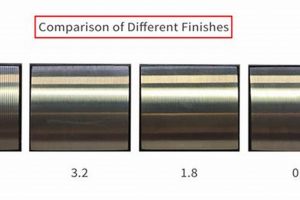
Surface roughness is typically measured using profilometers or atomic force microscopes. Common metrics include Ra (average roughness), Rz (maximum height of the profile), and Rq (root mean square roughness). Specifications should clearly define the acceptable range for these parameters.
Question 5: What are some common mistakes to avoid?
Common mistakes include inadequate surface preparation, selecting an incompatible treatment for the base metal, failing to control process parameters, neglecting quality control measures, and overlooking the environmental impact of the chosen method.
Question 6: How does a specific process enhance corrosion resistance?
Corrosion resistance is enhanced through various mechanisms, including the formation of protective oxide layers (passivation), the application of barrier coatings (paints, powder coatings), and the use of sacrificial coatings (galvanization). The specific mechanism depends on the selected method and the operating environment.
Understanding the nuances of surface texture is crucial for ensuring that metallic components meet the functional and aesthetic requirements of their intended applications. Careful consideration of these factors leads to improved product quality and longevity.
The subsequent section will delve into case studies illustrating the application of specific processes across diverse industries, showcasing the practical implications of these considerations.
Conclusion
Throughout this exploration, “metal surface finish” has emerged as a critical determinant of material properties, influencing aesthetics, corrosion resistance, friction, adhesion, and manufacturing costs. Proper selection and application of specific methods are not merely cosmetic enhancements; they are fundamental to ensuring product performance and longevity.
The continued advancement of treatments, driven by the pursuit of improved performance and sustainability, necessitates ongoing research and development. A thorough understanding of the principles governing these processes, coupled with rigorous quality control, will remain essential for realizing their full potential across diverse industrial applications. The future of material science relies on informed decisions and meticulous execution to optimize these crucial treatment processes.