A cementitious coating applied to the interior of a swimming pool provides a durable and aesthetically versatile surface. This material, typically a mixture of cement, aggregates, and additives, creates a waterproof barrier while offering a range of design possibilities. Consider, for instance, a pool featuring a smooth, colored application providing both structural integrity and visual appeal.
The application of these surfaces is crucial for the longevity and safety of a swimming pool. It provides a watertight seal protecting the underlying structure from water damage and chemical erosion. Historically, the use of these materials represents a significant advancement over earlier pool construction techniques, leading to more resilient and visually appealing aquatic environments.
The subsequent sections will delve into the various types available, the installation process, maintenance considerations, and factors influencing their selection for a given project. The composition, properties, and appropriate application techniques will also be discussed to aid in informed decision-making.
Guidance on Cementitious Pool Interior Applications
The following recommendations are designed to optimize the selection, installation, and maintenance of these materials, ensuring both durability and aesthetic satisfaction.
Tip 1: Surface Preparation is Critical: Prior to application, meticulous surface preparation is essential. Any existing imperfections, cracks, or loose material must be addressed to ensure proper adhesion and prevent future failures. Acid etching or other mechanical abrasion methods may be necessary.
Tip 2: Consider the Aggregate: The selection of aggregate influences the appearance, texture, and slip resistance of the final finish. Quartz, pebble, or colored glass aggregates offer distinct aesthetic profiles and functional benefits. Evaluate the pool’s intended use and aesthetic goals when choosing an aggregate.
Tip 3: Proper Mixing is Imperative: Strict adherence to the manufacturer’s mixing instructions is non-negotiable. Incorrect water ratios or mixing times can compromise the structural integrity and durability of the resulting surface. Use calibrated equipment to ensure accurate measurements.
Tip 4: Controlled Curing is Essential: Controlled curing processes prevent premature drying and cracking. Consistent moisture levels during the initial curing phase are crucial for achieving optimal strength and hardness. Misting or covering the newly applied surface may be necessary, especially in hot or windy conditions.
Tip 5: Water Chemistry Management: Balanced water chemistry is vital for the longevity of any pool surface. Improper pH levels, excessive chlorine concentrations, or calcium hardness imbalances can lead to degradation, staining, or scaling. Regular testing and adjustment are required.
Tip 6: Professional Installation is Recommended: While DIY applications are possible, professional installation is generally advised. Experienced installers possess the knowledge, skills, and specialized equipment necessary to ensure proper application techniques and minimize the risk of defects.
Tip 7: Sealing and Protection: Applying a sealant can enhance stain resistance and prolong the lifespan. Choose a sealant compatible with the specific composition. Regular inspections and re-application of sealant as needed will further protect the surface.
Effective implementation of these guidelines will contribute significantly to the long-term performance and visual appeal. Careful attention to each detail contributes to a durable and aesthetically pleasing pool environment.
The subsequent sections will explore the intricacies of maintenance protocols, addressing common issues and preventative measures to preserve the integrity of the aquatic environment.
1. Durability
The correlation between structural endurance and cementitious interior is fundamental to the lifecycle of swimming pools. The ability to resist degradation from constant water exposure, chemical treatments, and fluctuating temperatures dictates the long-term performance of the pool structure. Failure of a material to maintain its integrity results in costly repairs, potential structural damage, and compromised user safety. A common consequence of poor endurance is cracking, which leads to water intrusion and subsequent corrosion of the reinforcement steel.
Materials comprising the finish directly affect the final product endurance. Options such as quartz aggregate offer improved resistance to abrasion compared to traditional plaster mixes. Epoxy-modified compositions enhance the material’s ability to withstand chemical attack from chlorine and other sanitizers. Selection of appropriate compositions, alongside skilled implementation, are paramount in mitigating potential points of vulnerability.
The relationship between resistance to degradation and interior products is a critical aspect of pool design and maintenance. An understanding of this interdependency allows for informed material selection, application, and maintenance strategies, which, in turn, prolongs the lifespan of the pool structure and minimizes lifecycle costs. Prioritizing endurance is not merely an aesthetic concern but a fundamental principle of sound engineering and responsible ownership.
2. Waterproof

The primary function is to establish a watertight barrier, preventing water from penetrating the underlying structure. Cementitious materials, by their nature, are porous. Therefore, achieving a truly waterproof state necessitates careful attention to mix design, application techniques, and often, the inclusion of waterproofing additives. Without adequate water resistance, water intrusion leads to a cascade of detrimental effects, including structural weakening due to freeze-thaw cycles, efflorescence, and the corrosion of reinforcing steel. For instance, a failure to properly seal a pool’s interior surface can result in water seeping behind the , ultimately causing cracks and delamination.
The composition plays a critical role in determining its overall water resistance. Modified with polymers or other additives, the resulting material exhibits a reduced permeability, thereby enhancing its barrier properties. Furthermore, meticulous application techniques, such as multiple thin layers and proper curing, contribute significantly to the creation of an impervious seal. Real-world examples demonstrate that pools with properly applied and maintained barriers experience significantly fewer structural issues and require less frequent repairs compared to those where waterproofing is compromised. Pools featuring hydrostatic valves that alleviate external water pressure benefit from added protection, reducing stress on the coating.
In summary, the water-resistant property is not merely an ancillary benefit but a fundamental requirement for pool longevity and structural health. Overlooking this crucial aspect leads to premature degradation and costly remediation. A comprehensive understanding of the factors influencing waterproofing capabilities, coupled with diligent installation and maintenance practices, ensures a durable and long-lasting aquatic environment. The practical significance of prioritizing water resistance cannot be overstated, as it directly impacts the financial investment and long-term usability of the pool.
3. Aesthetics

The visual appearance imparted by a pool’s interior directly influences the overall ambiance of the surrounding environment. The interplay between texture, color, and reflectivity contributes significantly to the aesthetic appeal, rendering it a critical consideration in pool design and construction.
- Color Palette and Water Hue
The selected color of the material profoundly affects the perceived hue of the water. Lighter shades, such as white or light blue, typically result in a clear, inviting water appearance, while darker tones create a deeper, more reflective surface. The selection hinges on the desired aesthetic whether a vibrant, tropical feel or a tranquil, naturalistic environment. The chemical interaction of water and the material can subtly affect the color over time; therefore, colorfastness is a key material attribute. For example, a dark grey surface may give the pool water the impression of a deep, endless ocean, while a bright blue finish may create a more classic, refreshing ambience.
- Texture and Visual Depth
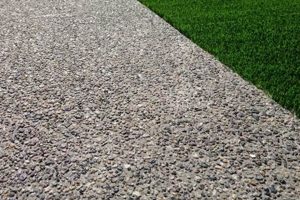
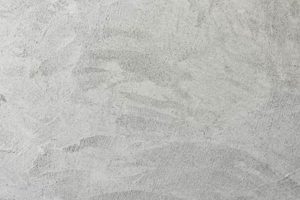
The texture of the surface contributes to the visual depth and tactile experience. Smooth offer a sleek, modern appearance, while exposed aggregate finishes, such as pebble or glass beads, introduce texture and visual interest. The chosen texture also influences the water’s reflectivity and perceived clarity. Rougher may require additional maintenance to prevent algae growth. Consider a pool with a polished interior that will reflect sunlight and create a brilliant, almost mirror-like water surface, offering a modern luxurious feel. Conversely, exposed aggregate can scatter light for a more natural, less reflective appearance.
- Material Consistency and Uniformity
The uniform distribution of materials within the finish directly impacts the overall aesthetic quality. Variations in color, aggregate density, or application thickness can result in an uneven appearance, detracting from the intended design. Proper mixing techniques, skilled application, and rigorous quality control are essential for achieving a consistent and visually pleasing outcome. Improper preparation and application may result in patches of varying darkness or smoothness. A consistent material application shows uniformity and seamless blending of hues.
- Integration with Surrounding Landscape
An aesthetically pleasing material complements the architectural style of the surrounding structures and the natural landscape. The selected color, texture, and reflectivity should harmonize with the surrounding environment, creating a cohesive and visually appealing outdoor space. Incongruent material selections can disrupt the overall aesthetic balance, diminishing the pool’s contribution to the overall landscape. For instance, a pool constructed with a natural stone coping and a dark finish may seamlessly blend with a rustic, wooded landscape. In contrast, a modern, minimalist pool might feature a bright and polished surface.
These aesthetic considerations work in conjunction to define a pool’s overall visual impact. The chosen material, alongside careful attention to detail, can transform a simple swimming pool into a visually stunning and inviting aquatic environment. Therefore, it is essential to consider all relevant design elements to achieve a cohesive look, promoting user enjoyment.
4. Installation

Proper installation is a critical determinant of the longevity, performance, and aesthetic quality of interior pool surfaces. The installation process directly impacts the material’s ability to adhere to the underlying structure, resist water intrusion, and maintain its visual appeal over time. Deviation from established installation protocols invariably leads to premature failure and costly remediation.
- Surface Preparation
Meticulous preparation of the pool’s substrate is paramount. This involves removing existing finishes, cleaning the surface to eliminate contaminants (oils, debris), and profiling the concrete to ensure adequate mechanical adhesion. Insufficient surface preparation will compromise the bond strength, leading to delamination and cracking. For instance, residual curing compounds or loose concrete particles left on the surface prevent proper bonding, resulting in blistering and eventual failure of the coating. Acid etching or media blasting are often employed to achieve the necessary surface profile.
- Mixing and Application Techniques
Adherence to the manufacturer’s specified mixing ratios and application techniques is non-negotiable. Incorrect water-to-cement ratios, inadequate mixing times, or improper application thicknesses compromise the material’s structural integrity and water resistance. The use of calibrated mixing equipment is essential for consistency. The application technique whether troweled, sprayed, or hand-applied must be executed with precision to ensure uniform coverage and avoid weak points. For example, applying the material too thinly can create areas susceptible to cracking, while applying it too thickly can lead to uneven curing and potential shrinkage cracks.
- Curing Process
The curing process is essential for achieving optimal strength and hardness. Controlled curing involves maintaining consistent moisture levels for a specified period, typically through water curing or the application of curing compounds. Premature drying or excessive temperature fluctuations during curing can induce cracking and reduce the material’s overall durability. In hot or windy climates, measures such as misting the surface or covering it with plastic sheeting are necessary to prevent rapid moisture loss. Failure to properly cure results in a surface that is weaker, more susceptible to staining, and less resistant to chemical attack.
- Environmental Conditions
Environmental conditions during installation significantly impact the outcome. Extreme temperatures, high humidity, or the presence of rain can interfere with the curing process and compromise the material’s adhesion. Installation should be scheduled to avoid periods of inclement weather. The substrate temperature must also be within the manufacturer’s recommended range to ensure proper bonding and curing. For example, installing interior during freezing temperatures will prevent proper hydration of the cement, resulting in a weak and brittle .
The preceding facets highlight the crucial interdependence between the material’s inherent properties and the execution of the installation process. Flawless installation practices are crucial for realizing the intended benefits and avoiding premature degradation. Therefore, competent installation is a non-negotiable requirement for realizing the desired performance characteristics. Without skilled execution, even the highest-quality will fail to deliver the expected longevity and aesthetic appeal.
5. Maintenance

Sustained performance and aesthetic integrity of a cementitious pool surface are inextricably linked to diligent maintenance practices. Neglecting proper upkeep precipitates premature degradation, necessitating costly repairs and potentially compromising the structural integrity of the pool. Effective maintenance protocols encompass regular water chemistry management, physical cleaning, and periodic inspections.
- Water Chemistry Balance
Maintaining balanced water chemistry is paramount to preserving the pool surface. Improper pH levels, alkalinity, and calcium hardness can lead to etching, staining, scaling, and the dissolution of the cementitious matrix. Regular testing and adjustment of water parameters are essential. For instance, consistently low pH levels cause the pool surface to dissolve, resulting in a rough texture and calcium leaching. Conversely, high calcium hardness promotes scale formation, detracting from the pool’s aesthetic appeal and potentially clogging filtration systems.
- Physical Cleaning and Debris Removal
Regular physical cleaning removes organic debris, dirt, and algae, preventing staining and the accumulation of harmful microorganisms. Brushing, vacuuming, and the use of appropriate cleaning agents are necessary to maintain a clean and sanitary pool environment. The accumulation of leaves and other organic matter promotes algae growth, which can stain the pool surface and create an unsightly appearance. The type of brush used should be appropriate for the , as abrasive brushes can damage certain types. Pool cleaners and vacuums should be well-maintained for reliable and effective debris removal.
- Algae Prevention and Treatment
Algae growth is a persistent threat to the appearance and integrity of pool surfaces. Regular application of algaecides, along with diligent water chemistry management and physical cleaning, is necessary to prevent algae infestations. Different types of algae require different treatment approaches. For example, black algae are particularly resistant and require aggressive treatment strategies, including scrubbing and the use of specialized algaecides. Neglecting algae prevention leads to staining, surface discoloration, and potentially unsanitary swimming conditions.
- Periodic Inspections and Repairs
Regular visual inspections identify potential problems early, allowing for prompt repairs and preventing minor issues from escalating into major structural damage. Cracks, delamination, and discoloration are all signs of potential problems that warrant further investigation. Addressing minor cracks with appropriate patching compounds prevents water intrusion and further damage. Periodic professional inspections are recommended to assess the overall condition of the surface and identify potential hidden problems.
These maintenance facets collectively contribute to the long-term preservation of a cementitious pool . Neglecting any one of these areas leads to accelerated deterioration and increased maintenance costs. A proactive and consistent maintenance approach ensures a durable, aesthetically pleasing, and safe swimming pool environment.
6. Cost

The economic implications of selecting a cementitious pool surface are multifaceted, encompassing initial material expenses, labor charges, and long-term maintenance expenditures. The initial investment varies considerably depending on the selected aggregate, complexity of the design, and size of the pool. More elaborate options, such as those incorporating exotic aggregates or intricate patterns, inherently command higher upfront costs compared to standard plaster finishes. Labor costs are influenced by the skill level required for application and the prevailing market rates for skilled tradespeople. For instance, a basic plaster application may cost significantly less than a pebble-based that demands experienced installers capable of achieving a uniform, aesthetically pleasing result. Neglecting to account for these initial costs leads to budgetary overruns and potentially forces compromises in material quality or installation expertise.
Long-term cost considerations extend beyond the initial installation. Factors such as durability, resistance to chemical degradation, and ease of maintenance contribute significantly to the overall economic burden. A that is susceptible to cracking or staining requires more frequent repairs and resurfacing, offsetting any initial cost savings. Proper water chemistry management and routine cleaning are essential for prolonging the lifespan of any pool . However, the frequency and intensity of these maintenance tasks vary depending on the material properties. For example, a non-porous tends to resist algae growth and staining more effectively than a porous , reducing the need for aggressive chemical treatments and frequent cleaning. Consequently, selecting a material with inherent resistance to degradation translates to lower long-term operating costs.
In summary, a comprehensive cost analysis is crucial when selecting a cementitious pool . The initial investment represents only a fraction of the total economic commitment. Long-term maintenance expenditures, influenced by material durability and resistance to chemical degradation, often constitute a significant portion of the overall cost. A balanced approach, considering both upfront expenses and projected operating costs, ensures a cost-effective and sustainable pool design.
7. Longevity
The lifespan of a cementitious pool surface is a critical parameter influencing the overall value proposition and life-cycle cost of a swimming pool. The ability to withstand the rigors of constant water exposure, chemical treatments, and fluctuating temperatures directly dictates the long-term performance and economic viability of the aquatic structure. Various factors contribute to or detract from the extended service life of these surfaces, warranting careful consideration during the design and maintenance phases.
- Material Composition and Durability
The inherent properties of the constituent materials profoundly influence the surface’s resilience to degradation. Cement type, aggregate selection, and the inclusion of additives play a significant role in determining resistance to cracking, staining, and chemical attack. Surfaces incorporating high-quality aggregates, such as quartz or glass beads, typically exhibit greater resistance to abrasion and weathering compared to traditional plaster mixes. Similarly, the incorporation of polymers can enhance the material’s ability to withstand chemical imbalances and temperature fluctuations. Consequently, material selection should prioritize durability to maximize the lifespan and minimize the need for premature repairs or resurfacing. For example, a pool with an epoxy-modified and properly balanced water chemistry can reasonably expect a lifespan exceeding 15 years, while a standard plaster surface subjected to aggressive chemical treatments may require resurfacing within 5 to 7 years.
- Installation Quality and Adhesion
The skill and precision with which the surface is installed directly impacts its long-term performance. Proper surface preparation, mixing techniques, and curing procedures are essential for achieving a strong bond between the and the underlying substrate. Inadequate surface preparation, such as the presence of loose debris or contaminants, compromises adhesion and leads to delamination and cracking. Similarly, improper mixing ratios or curing processes can weaken the material, making it more susceptible to water intrusion and chemical attack. Therefore, engaging experienced and qualified installers is critical to ensuring a durable and long-lasting. A pool with a meticulously prepared surface and properly cured experiences significantly fewer problems compared to one installed with subpar techniques.
- Water Chemistry Management and Maintenance
Maintaining balanced water chemistry is paramount to preserving the surface and preventing premature degradation. Improper pH levels, alkalinity imbalances, and excessive chlorine concentrations can cause etching, staining, scaling, and the dissolution of the cementitious matrix. Regular testing and adjustment of water parameters are essential for prolonging the lifespan of the surface. Similarly, routine cleaning and debris removal prevent the accumulation of organic matter and minimize the risk of algae growth, which can stain and damage the material. Neglecting proper water chemistry and maintenance leads to accelerated deterioration and the need for more frequent repairs or resurfacing. A pool owner who diligently monitors and adjusts water parameters can significantly extend the lifespan of their pool.
- Environmental Factors and Geographic Location
Environmental conditions, such as temperature fluctuations, freeze-thaw cycles, and exposure to ultraviolet (UV) radiation, can influence the surface’s long-term performance. Pools located in regions with extreme temperature variations are more susceptible to cracking and spalling due to expansion and contraction. Similarly, prolonged exposure to UV radiation can cause fading and discoloration. Geographic location also plays a role, as pools in coastal areas are exposed to higher levels of salt, which can accelerate corrosion. Therefore, selecting materials that are resistant to the specific environmental challenges of the region is crucial. A pool located in a warm, sunny climate may benefit from a incorporating UV-resistant additives to prevent fading, while a pool in a cold climate may require a with enhanced freeze-thaw resistance.
In conclusion, achieving a long-lasting cementitious pool requires a holistic approach encompassing careful material selection, skilled installation, diligent maintenance, and consideration of environmental factors. While each of these facets plays a distinct role, they are interconnected and mutually reinforcing. By prioritizing these factors, pool owners can maximize the lifespan of their pool surface, minimize long-term costs, and ensure a safe and aesthetically pleasing aquatic environment for years to come.
Frequently Asked Questions
The subsequent queries address prevalent concerns regarding the selection, application, and upkeep of pool interiors. This section aims to provide clarity and guide informed decision-making.
Question 1: What factors determine the durability of cementitious pool interiors?
The longevity is influenced by several factors. These include the composition of the material (cement type, aggregate, and additives), the quality of the installation, water chemistry management, and environmental conditions. High-quality materials, proper installation techniques, and consistent maintenance contribute to increased durability.
Question 2: How does water chemistry impact the integrity of a pool surface?
Imbalanced water chemistry accelerates the degradation. Improper pH levels, alkalinity, and calcium hardness lead to etching, staining, scaling, and dissolution of the cementitious matrix. Regular monitoring and adjustment of water parameters are essential for preserving the surface.
Question 3: What maintenance practices are required to prolong the life?
Consistent maintenance protocols include regular physical cleaning, debris removal, algae prevention, and water chemistry management. Periodic inspections should be performed to identify potential problems early and facilitate prompt repairs. Following recommended maintenance schedules is crucial for maximizing its lifespan.
Question 4: Can a pool interior truly be waterproof?
Cementitious materials are inherently porous. Achieving a watertight barrier necessitates careful mix design, proper application techniques, and the possible inclusion of waterproofing additives. Strict adherence to these factors is vital to minimizing water intrusion.
Question 5: What are the advantages of using aggregates over traditional plaster?
Aggregates, such as quartz or glass beads, generally offer enhanced durability and stain resistance compared to traditional plaster mixes. The selection of the suitable aggregate determines the pool’s look and functional benefit.
Question 6: Is professional installation required, or can it be a DIY project?
While DIY applications are possible, professional installation is strongly recommended. Experienced installers possess the knowledge, skills, and specialized equipment necessary to ensure proper application and minimize the risk of defects. Improperly installed may lead to premature failure.
In summary, informed decisions regarding material selection, installation practices, and maintenance routines are crucial for ensuring the longevity and performance of cementitious pool interior surfaces.
The succeeding section will delve into case studies illustrating the practical application of these principles in real-world scenarios.
Concrete Pool Finishes
The preceding exploration has elucidated the multifaceted considerations surrounding cementitious pool interiors. The analysis encompasses crucial aspects such as durability, waterproof characteristics, aesthetic variables, installation intricacies, maintenance protocols, cost analyses, and anticipated longevity. Each of these parameters contributes significantly to the long-term performance and economic viability of a swimming pool.
Recognizing the critical interdependencies between material composition, skilled execution, and diligent upkeep is paramount. Proper application of knowledge, rigorous quality control, and a commitment to preventative maintenance are essential. Only through such diligence can the full potential of concrete pool finishes be realized, ensuring a durable, safe, and visually appealing aquatic environment for years to come. The responsible selection and management of these resources represents a significant commitment to both structural integrity and aesthetic excellence.