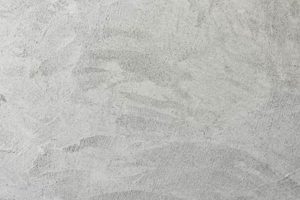
A textured wall coating applied to concrete surfaces, mimicking the appearance of traditional stucco, offers a durable and aesthetically pleasing exterior or interior finish. This technique involves applying layers of a cementitious mixture to concrete, creating a varied surface texture that can range from subtly rough to highly pronounced. The resulting surface is often painted or colored to achieve the desired aesthetic. As an example, a modern home might employ this application to create a rustic or Mediterranean-inspired facade on a concrete block structure.
The utilization of this textured coating on concrete provides several advantages, including enhanced visual appeal, improved weather resistance, and increased structural integrity. Its durability contributes to longevity, reducing the need for frequent maintenance and repair. Historically, similar techniques have been used to protect and decorate buildings across various cultures, demonstrating the enduring appeal of textured wall finishes. The ability to customize the texture and color allows for a wide range of design options, enhancing the overall value and character of the structure.
Subsequent sections will delve into the specific materials used in the application of this coating, detailing best practices for surface preparation and application techniques. Furthermore, different texture options and coloring methods will be explored, providing a comprehensive guide to achieving optimal results. Finally, maintenance and repair procedures will be addressed to ensure the long-term preservation of this architectural feature.
Application Insights
The following guidelines are crucial for achieving a durable and aesthetically pleasing application, ensuring the longevity and performance of the finish.
Tip 1: Surface Preparation is Paramount: Concrete surfaces must be thoroughly cleaned and free of any contaminants, such as dirt, oil, or loose particles. Acid etching or pressure washing may be necessary to ensure proper adhesion. Failure to adequately prepare the surface can result in delamination or premature failure of the applied layer.
Tip 2: Use a High-Quality Bonding Agent: Applying a bonding agent to the concrete surface before application significantly enhances adhesion. Select a bonding agent compatible with both the concrete substrate and the specific coating being used. Incompatible materials may compromise the bond strength and lead to future issues.
Tip 3: Mix Materials Consistently: Adhere strictly to the manufacturer’s mixing instructions regarding water-to-cement ratio and mixing time. Inconsistent mixing can lead to variations in color, texture, and strength, affecting the overall appearance and durability of the finished surface.
Tip 4: Apply in Multiple Thin Coats: Multiple thin coats are preferable to a single thick coat. Thin coats allow for better control of texture and reduce the risk of cracking or sagging. Each coat should be allowed to dry sufficiently before applying the next, as per the product specifications.
Tip 5: Control Environmental Conditions: Avoid applying in extreme temperatures or direct sunlight, as these conditions can cause rapid drying and cracking. Optimal application temperatures are typically between 50F and 80F (10C and 27C). Also, protection from rain is required until the coating has fully cured.
Tip 6: Employ Proper Curing Techniques: Curing is essential for achieving maximum strength and durability. Keep the surface moist for the recommended curing period by misting with water or covering with plastic sheeting. Premature drying can result in reduced strength and increased susceptibility to cracking.
Tip 7: Select Appropriate Texture Tools: The choice of texture tools significantly impacts the final appearance. Experiment with different trowels, sponges, or brushes to achieve the desired texture. Consistent application techniques are crucial for uniform results.
Adherence to these guidelines will promote a durable and visually appealing finish, enhancing the aesthetic and protective qualities of the concrete structure. Proper planning, meticulous application, and diligent curing are essential components of a successful project.
The following sections will address specific application techniques in more detail, providing step-by-step instructions for achieving various finishes and textures.
1. Adhesion

Adhesion, the ability of a coating to bond securely to its substrate, is a critical factor in the successful application and long-term performance of stucco concrete finishes. Without adequate adhesion, the applied layer is susceptible to detachment, compromising both the aesthetic appeal and protective functionality of the finish. Several factors influence the adhesive bond, demanding careful consideration during material selection and application.
- Surface Preparation’s Influence
The condition of the concrete surface directly impacts adhesion. Contaminants such as dirt, oil, laitance, or existing coatings impede bonding. Proper surface preparation, involving cleaning, etching, or mechanical abrasion, creates a textured profile that enhances the mechanical keying of the stucco material. Failure to properly prepare the surface is a primary cause of adhesion failure, resulting in peeling or blistering of the finish. For instance, applying stucco over a concrete surface contaminated with form release agents will inevitably lead to delamination.
- Bonding Agent Chemistry
The use of a bonding agent, typically a liquid polymer applied before the stucco, significantly enhances adhesion. These agents chemically react with both the concrete substrate and the stucco mix, creating a stronger and more durable bond. Selection of the appropriate bonding agent is crucial, ensuring compatibility with both materials and the specific application conditions. Using an incompatible bonding agent, or failing to use one when required, can negate the benefits of surface preparation and lead to premature failure. Acrylic-based bonding agents are commonly used but specific project requirements may necessitate alternatives.
- Stucco Mix Composition
The composition of the stucco mix itself affects adhesion. The type and quantity of cement, sand, and additives influence the mixture’s ability to properly wet and bond to the concrete surface. Overly rich mixes, with excessive cement content, can exhibit shrinkage and cracking, weakening the adhesive bond. Conversely, lean mixes may lack the necessary strength for adequate adhesion. Following recommended mix designs and utilizing quality materials are essential for optimizing adhesive performance. The inclusion of polymers in the stucco mix can further improve its bonding properties.
- Curing Conditions and their Effect
Proper curing is crucial for the development of a strong adhesive bond. Premature drying, caused by high temperatures or low humidity, can lead to surface cracking and reduced bond strength. Maintaining adequate moisture levels during the curing process allows the cementitious materials to fully hydrate and form a robust bond with the concrete. Curing methods such as misting, covering with plastic sheeting, or applying curing compounds are essential for maximizing the adhesive properties of the stucco finish. Neglecting proper curing can result in a weak and brittle finish that is prone to failure.
These considerations collectively highlight the importance of a systematic approach to ensuring adequate adhesion in stucco concrete finish applications. From meticulous surface preparation and judicious use of bonding agents to careful material selection and controlled curing, each step plays a vital role in creating a durable and aesthetically pleasing result. The consequences of neglecting adhesion are significant, potentially leading to costly repairs and diminished structural integrity. Therefore, a thorough understanding of these principles is essential for architects, contractors, and homeowners alike.
2. Texture

Texture is a defining characteristic of stucco concrete finishes, directly influencing the aesthetic appeal and tactile qualities of the resulting surface. The manipulation of texture provides a wide range of design possibilities, allowing for customization and the creation of visually interesting architectural elements. The selection and application of specific texturing techniques are crucial considerations in achieving the desired outcome.
- Trowel Application Techniques
Trowel application techniques offer a diverse range of textures, depending on the type of trowel used and the application method employed. Smooth trowel finishes create a subtle, refined surface, while textured trowels, such as notched or swirl trowels, impart a more pronounced pattern. The angle and pressure applied during troweling also affect the final texture. For example, a skilled applicator can create a “Spanish lace” texture by using a flexible trowel and applying irregular strokes. These techniques are frequently employed in residential construction to create visually distinctive facades.
- Float Finishes and their Impact
Float finishes utilize a specialized tool known as a float, typically made of wood, rubber, or foam, to create a uniform and slightly rough texture. Floating is often performed after the initial trowel application to refine the surface and create a consistent appearance. The type of float used and the amount of pressure applied will influence the final texture. A coarse float will produce a rougher texture than a fine float. Float finishes are commonly used on commercial buildings to provide a durable and visually appealing surface.
- Spray-Applied Textures
Spray-applied textures offer a quick and efficient method for creating a variety of textures on large surfaces. Specialized spray equipment is used to apply the stucco mix in a controlled manner, producing textures ranging from fine “orange peel” to coarse “knockdown.” The viscosity of the stucco mix, the nozzle size, and the air pressure all influence the final texture. Spray-applied textures are often used on large residential developments and commercial projects to achieve consistent and cost-effective results.
- Hand-Applied Textures and Customization
Hand-applied textures offer the greatest degree of customization and artistic expression. Techniques such as sponging, stippling, or using specialized stamps allow for the creation of unique and intricate textures. These techniques are labor-intensive but provide unparalleled control over the final appearance. Hand-applied textures are frequently used in high-end residential projects and custom architectural designs where a unique and personalized aesthetic is desired.
The choice of texture significantly impacts the overall aesthetic of the stucco concrete finish, influencing its visual appeal, tactile qualities, and perceived value. Careful consideration of the desired texture, the application techniques required, and the overall design context is essential for achieving a successful and enduring result. The interplay between texture and color further enhances the design possibilities, allowing for the creation of truly unique and visually stunning architectural surfaces.
3. Durability

The durability of a stucco concrete finish dictates its capacity to withstand environmental stressors and maintain structural integrity over an extended lifespan. This characteristic is not merely aesthetic; it is fundamental to the economic viability and long-term performance of the structure. A compromised coating, lacking durability, will exhibit premature cracking, delamination, and water intrusion, potentially leading to costly repairs and structural damage to the underlying concrete. The selection of appropriate materials and the meticulous execution of application techniques directly influence the resilience of the finish against weathering, freeze-thaw cycles, and physical impacts. A substandard application, for example, can result in a finish that succumbs to cracking within a few years, necessitating costly remediation.
Consider the application of a stucco concrete finish in a coastal environment. Constant exposure to saltwater and high humidity accelerates the degradation of materials that are not specifically formulated for such conditions. A durable formulation, incorporating appropriate additives and sealants, will resist chloride penetration and minimize the risk of corrosion within the reinforcing steel of the concrete structure. Similarly, in regions experiencing significant temperature fluctuations, a durable finish must possess the ability to expand and contract without cracking or losing adhesion. The inclusion of flexible polymers in the stucco mix enhances its ability to accommodate thermal stresses, thereby extending its service life. Furthermore, proper curing is essential in achieving the desired strength and density, making the finish more resistant to abrasion and impact damage.
In summary, durability is an indispensable attribute of a successful stucco concrete finish. Its absence directly translates to increased maintenance costs, potential structural issues, and a diminished aesthetic appeal. The careful selection of materials, adherence to best practices during application, and diligent curing procedures are all essential for maximizing the longevity and performance of the finish. Failure to prioritize durability represents a false economy, potentially leading to significant long-term expenses and compromising the overall value of the structure. Achieving a durable finish requires a thorough understanding of material science, application techniques, and the specific environmental conditions to which the structure will be exposed.
4. Weather Resistance

Weather resistance is a critical performance characteristic of stucco concrete finishes, directly impacting its longevity and protective capability. The effectiveness of a finish in withstanding environmental elements determines its ability to safeguard the underlying concrete structure and maintain its aesthetic appeal over time. Failures in weather resistance manifest as cracking, spalling, discoloration, and ultimately, structural degradation of both the finish and the concrete substrate.
- Water Intrusion Prevention
The primary function of weather resistance is to prevent water intrusion into the concrete. Water penetration can lead to freeze-thaw damage in colder climates, causing the concrete to crack and deteriorate. Furthermore, moisture within the concrete can promote the corrosion of reinforcing steel, leading to structural weakening. Stucco concrete finishes formulated with water-repellent additives provide a barrier against water absorption, minimizing these risks. For instance, the addition of hydrophobic polymers can significantly reduce the rate of water penetration, extending the lifespan of the finish and the underlying concrete.
- UV Radiation Resistance
Exposure to ultraviolet (UV) radiation from sunlight can degrade the organic components of stucco concrete finishes, leading to discoloration, cracking, and a reduction in overall strength. Finishes formulated with UV-resistant pigments and stabilizers are better able to withstand the damaging effects of sunlight. Pigments that are inorganic, such as iron oxides, are notably more resistant to UV degradation compared to many organic colorants. Selecting materials with demonstrated UV resistance is crucial for maintaining the aesthetic appearance and structural integrity of the finish in sun-exposed environments.
- Freeze-Thaw Cycle Endurance
In regions experiencing frequent freeze-thaw cycles, the ability of a stucco concrete finish to withstand repeated cycles of freezing and thawing is paramount. When water penetrates the finish and freezes, it expands, exerting pressure that can cause cracking and spalling. Air-entraining agents incorporated into the stucco mix create microscopic air bubbles that provide relief for this pressure, improving the finish’s resistance to freeze-thaw damage. The proper application and curing of the finish are also essential for ensuring its ability to withstand these environmental stresses. Improperly cured finishes are more susceptible to water penetration and subsequent freeze-thaw damage.
- Wind-Driven Rain Protection
Wind-driven rain can be particularly damaging to stucco concrete finishes, as it forces water into even the smallest cracks and imperfections. The use of a breathable water-resistant membrane behind the stucco layer can provide an additional layer of protection against wind-driven rain. This membrane allows water vapor to escape from the wall assembly while preventing liquid water from penetrating, mitigating the risk of moisture damage within the wall cavity. Overlapping the membrane properly at seams and penetrations is crucial for ensuring its effectiveness in preventing water intrusion.
These interconnected facets of weather resistance highlight its integral role in preserving the integrity and appearance of stucco concrete finishes. The careful consideration of material selection, application techniques, and environmental factors is essential for achieving a durable and long-lasting finish that effectively protects the underlying concrete structure from the damaging effects of the elements. By prioritizing weather resistance, stakeholders can ensure the sustained performance and aesthetic value of their stucco concrete finishes.
5. Color Consistency

Color consistency in stucco concrete finishes is paramount to achieving the intended aesthetic and ensuring a uniform visual appearance across the entire surface. Variations in color can detract from the overall design, creating an impression of poor workmanship and potentially diminishing the perceived value of the structure. Factors influencing color consistency range from the inherent properties of the raw materials used in the stucco mix to the application techniques employed and the prevailing environmental conditions during curing. Inconsistent pigment dispersion, variations in cement hydration rates, and uneven exposure to sunlight can all contribute to noticeable color differences across the finished surface. For example, a large wall treated with different batches of pre-mixed stucco, even from the same manufacturer, may exhibit subtle but discernible color shifts if not properly blended during application, especially under direct sunlight.
The practical implications of understanding color consistency are significant for both contractors and property owners. Proper batch mixing techniques, including dry blending different lots of stucco mix before adding water, minimize the risk of color variations. Consistent water-to-cement ratios are crucial for uniform hydration and color development. Application techniques, such as maintaining a consistent stucco thickness and avoiding feathering edges, also contribute to a uniform color. Furthermore, environmental factors such as temperature and humidity during curing can impact color. Protective measures, such as shading the surface during application and misting to control drying rates, can mitigate color inconsistencies. Specialized color-matching tools and techniques allow for corrections in minor color discrepancies after the stucco has cured, though these corrections are often labor-intensive and may not achieve perfect uniformity.
In conclusion, color consistency is an indispensable aspect of stucco concrete finish quality. Achieving a uniform color requires careful attention to material selection, mixing procedures, application methods, and curing practices. While complete uniformity can be challenging to attain due to inherent variations in raw materials and environmental factors, a thorough understanding of the factors influencing color and the implementation of best practices significantly reduces the risk of noticeable color inconsistencies. Addressing this aspect enhances the aesthetic appeal, perceived value, and overall satisfaction with the completed stucco concrete finish.
6. Application Technique

The successful execution of a stucco concrete finish hinges significantly on the application technique employed. This phase directly translates material properties and design intentions into a tangible and visually impactful surface. Proper technique is not merely procedural but a determinant of durability, aesthetic quality, and overall project success.
- Surface Preparation’s Role
Surface preparation forms the foundation for adhesion and long-term performance. Techniques include cleaning to remove contaminants, profiling to enhance mechanical bonding, and application of bonding agents. Inadequate preparation, such as applying stucco to an uncleaned concrete surface, inevitably leads to delamination and premature failure. Abrasive blasting or chemical etching are commonly used methods to create a suitable profile, essential for achieving optimal adhesion.
- Mixing and Material Handling
Proper mixing of stucco components is crucial for achieving consistent color, texture, and workability. Techniques involve accurate measurement of ingredients, thorough blending to ensure uniform dispersion of pigments and additives, and maintaining a consistent water-to-cement ratio. Improper mixing, such as adding too much water, can result in a weak and porous finish prone to cracking. Batch-to-batch consistency is also critical for large projects to avoid discernible color variations.
- Layering and Application Methods
Stucco is typically applied in multiple layers, each serving a specific purpose. The scratch coat provides the primary bond to the substrate, the brown coat establishes the desired plane and thickness, and the finish coat imparts the final texture and color. Application methods vary, including hand-troweling, spraying, and specialized techniques for creating unique textures. Uneven application, such as applying excessively thick layers, can lead to cracking and sagging. Each layer must be properly cured before the subsequent layer is applied to prevent moisture entrapment and promote proper hydration.
- Curing and Protection
Curing is essential for achieving maximum strength and durability. Techniques involve maintaining a moist surface for a specified period to allow for complete cement hydration. Methods include misting with water, covering with plastic sheeting, or applying curing compounds. Proper protection from extreme temperatures, direct sunlight, and wind is also crucial during the curing phase. Premature drying, such as allowing the stucco to dry too quickly in direct sunlight, can result in surface cracking and reduced bond strength.
These facets of application technique demonstrate their integral connection to the success of stucco concrete finishes. Each step, from surface preparation to curing, demands meticulous attention to detail and adherence to established best practices. The combined effect of these techniques determines the long-term performance, aesthetic appeal, and overall value of the finished surface.
Frequently Asked Questions
The following section addresses common inquiries regarding stucco concrete finish applications, providing detailed explanations to clarify misconceptions and offer practical guidance.
Question 1: Is a stucco concrete finish suitable for all climates?
The suitability of a stucco concrete finish depends on specific climate conditions. In regions with frequent freeze-thaw cycles, a finish formulated with air-entraining agents and water-repellent additives is essential to prevent cracking and spalling. In humid climates, proper ventilation and moisture management are crucial to avoid mold growth. Coastal environments necessitate finishes resistant to salt spray and high humidity. Consulting with a qualified professional to determine the appropriate finish for the local climate is recommended.
Question 2: How does a stucco concrete finish compare to traditional stucco?
A stucco concrete finish differs from traditional stucco primarily in its application substrate. Traditional stucco is typically applied over lath attached to wood framing, while a stucco concrete finish is applied directly to a concrete surface. The concrete substrate provides a more rigid and durable base, potentially reducing the risk of cracking and improving impact resistance. However, proper surface preparation is even more critical with concrete to ensure adequate adhesion of the stucco finish.
Question 3: What are the typical maintenance requirements for a stucco concrete finish?
Maintenance requirements vary depending on environmental factors and the quality of the initial application. Regular cleaning with a mild detergent and water is recommended to remove dirt and stains. Inspecting the finish annually for cracks or damage and promptly addressing any issues is crucial for preventing further deterioration. Reapplication of a sealant every few years may be necessary to maintain water repellency and protect against UV degradation.
Question 4: Can a stucco concrete finish be applied to interior walls?
A stucco concrete finish can be applied to interior walls, providing a textured and visually appealing surface. However, considerations differ from exterior applications. Interior applications do not require the same level of weather resistance, but moisture management remains important in bathrooms and kitchens. The choice of texture and color should complement the overall interior design. Proper ventilation during application and curing is necessary to minimize the accumulation of volatile organic compounds (VOCs).
Question 5: What are the primary causes of stucco concrete finish failure?
Primary causes of failure include inadequate surface preparation, improper mixing of materials, incorrect application techniques, and insufficient curing. Moisture intrusion due to cracking or poor detailing can also lead to significant damage. Using incompatible materials or neglecting to follow manufacturer’s instructions are common contributing factors. Addressing these potential pitfalls through careful planning and execution is essential for ensuring a durable and long-lasting finish.
Question 6: Is it possible to repair a damaged stucco concrete finish?
Repairing a damaged stucco concrete finish is possible, but the success of the repair depends on the extent of the damage and the skill of the repair technician. Small cracks can often be filled with a patching compound that matches the existing texture and color. Larger areas may require the removal and replacement of the damaged stucco, followed by blending the new material with the existing finish. Identifying and addressing the underlying cause of the damage is crucial for preventing recurrence.
These FAQs provide a foundational understanding of stucco concrete finishes. Consulting with experienced professionals and thoroughly researching the specific requirements of each project are highly recommended for optimal results.
The following section will delve into case studies of successful and unsuccessful stucco concrete finish applications, providing real-world examples of the principles discussed.
Stucco Concrete Finish
This exploration of the stucco concrete finish has illuminated its multifaceted nature, encompassing material composition, application techniques, performance characteristics, and long-term maintenance considerations. The critical importance of meticulous surface preparation, precise mixing, skillful application, and appropriate curing has been emphasized. Furthermore, the impact of environmental factors, particularly moisture and temperature fluctuations, on the durability and aesthetic longevity of the finish has been thoroughly addressed.
The enduring success of any stucco concrete finish application hinges on a comprehensive understanding of these principles and a commitment to their diligent implementation. Continued advancements in material science and application technology promise to further enhance the performance and versatility of this architectural finish. Stakeholders involved in construction and design are therefore encouraged to remain informed and prioritize best practices to ensure the continued relevance and effectiveness of stucco concrete finish in both contemporary and future building projects.