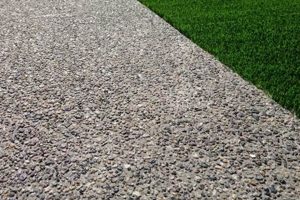
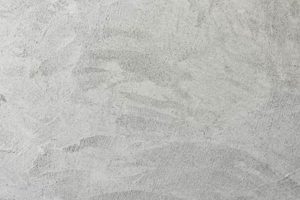
A textured surface treatment for concrete, resulting in a speckled appearance. It is achieved by embedding coarse particles into the freshly poured concrete surface and subsequently removing them, leaving behind indentations. This technique offers a visually appealing and slip-resistant walking surface.
This method offers enhanced traction, making it suitable for areas prone to wet conditions, such as patios, pool decks, and walkways. The textured surface also adds visual interest, providing an alternative to smoother, more uniform concrete finishes. Historically, it provided a cost-effective method for creating visually diverse surfaces compared to more elaborate stamped or colored concrete options.
The subsequent sections will delve into the specifics of the application process, discuss appropriate sealant options, and address common maintenance considerations for achieving a long-lasting and aesthetically pleasing result.
Application Tips for Textured Concrete Surfaces
The following are crucial considerations during the application of textured concrete, ensuring optimal results and longevity of the finished surface.
Tip 1: Aggregate Selection is Paramount. The size and type of aggregate directly influence the final aesthetic. Smaller aggregates yield a finer texture, while larger aggregates produce a more pronounced, rustic look. Ensure the chosen aggregate is clean and free of contaminants that could compromise the concrete’s integrity.
Tip 2: Precise Timing for Aggregate Embedding. The aggregate must be applied while the concrete is still pliable but firm enough to support the weight of the particles without excessive sinking. Premature application leads to aggregate submergence; delayed application results in poor adhesion.
Tip 3: Uniform Aggregate Distribution is Essential. Employ a consistent application technique to ensure even distribution of the aggregate across the entire surface. Overlapping or sparse coverage leads to visual inconsistencies in the finished product.
Tip 4: Controlled Aggregate Removal is Key. Timing the removal of the aggregate is critical. Test a small, inconspicuous area to determine the optimal time for removal. Premature removal can dislodge surrounding concrete, while delayed removal renders the aggregate difficult to extract.
Tip 5: Thorough Cleaning Post-Removal is Necessary. After aggregate removal, meticulously clean the concrete surface to eliminate any residual aggregate particles or cement slurry. A pressure washer with a wide fan nozzle is generally effective for this purpose.
Tip 6: Proper Curing is Indispensable. Adequate curing is vital for achieving maximum concrete strength and durability. Utilize appropriate curing methods, such as wet curing or the application of a curing compound, to prevent premature drying and cracking.
Tip 7: Sealant Application Provides Protection. Applying a concrete sealant helps protect the surface from staining, moisture penetration, and freeze-thaw damage. Select a sealant specifically designed for exterior concrete applications and apply according to the manufacturer’s instructions.
By adhering to these application guidelines, a durable and aesthetically pleasing textured concrete surface can be achieved, enhancing the functionality and visual appeal of the designated area.
The next section will discuss common issues encountered with textured concrete surfaces and address effective solutions for their remediation.
1. Texture

The surface characteristic created via the concrete rock salt finish method is defined by its texture. This texture is not merely a superficial element; it is a fundamental property influencing both the aesthetic and functional attributes of the finished concrete.
- Aggregate Size and Roughness
The dimensions of the particles used during the process directly determine the perceived roughness. Larger aggregates result in a more pronounced, deeply pitted surface, while smaller particles produce a finer, less aggressive texture. This variation in roughness dictates the tactile feel and visual impact of the concrete.
- Slip Resistance and Safety
The textured surface inherently improves slip resistance compared to smooth concrete. The indentations provide increased friction, reducing the likelihood of slips and falls, especially in wet or icy conditions. This aspect is crucial in areas exposed to the elements or high foot traffic, enhancing overall safety.
- Shadow and Light Interaction
The three-dimensional nature of the texture creates interplay between light and shadow. This interaction enhances the visual depth and adds visual interest to the surface. Depending on the angle of incidence, the shadows can accentuate the texture, making it a dynamic element that changes throughout the day.
- Durability and Surface Area
The indented texture can potentially increase the overall surface area of the concrete. This increased surface area may affect the concrete’s resistance to weathering and abrasion over extended periods. The exposed edges of the aggregate pockets are subject to wear and tear, which can influence the long-term durability and require periodic maintenance.
In summary, the texture achieved through the concrete rock salt finish is a complex characteristic that impacts appearance, safety, and durability. Careful consideration of aggregate size and proper application techniques are essential to optimize the texture for specific applications and desired outcomes.
2. Application Method

The application method is integral to achieving the desired aesthetic and functional properties of a concrete surface treated with a rock salt finish. The success of this technique relies heavily on the precision and timing of each step within the application process. Deviation from established best practices can significantly impact the final result.
- Concrete Placement and Initial Screeding
The initial stage involves placing and screeding the concrete to the desired level. Uniformity in the concrete mix and proper screeding techniques are essential to ensure a consistent base for the subsequent application of the rock salt. Uneven concrete placement will result in inconsistent aggregate distribution and an unsatisfactory finish. The concrete needs to reach a stage where it can support the weight of the aggregate without it sinking too deep, typically described as the ‘thumbprint’ stage.
- Aggregate Distribution Techniques
The application of the aggregate, commonly rock salt, requires a uniform distribution across the concrete surface. This can be achieved manually by broadcasting the aggregate or mechanically using a spreader. Uneven distribution will result in areas with concentrated texture and areas with minimal texture. The goal is to achieve an even and visually appealing distribution before the concrete sets further.
- Embedding and Surface Integration
Following distribution, the aggregate needs to be lightly pressed into the concrete surface to ensure proper embedment. This can be accomplished using a float or roller. The degree of embedment influences the depth of the resulting indentations after the aggregate is removed. Over-embedding can reduce the texture, while insufficient embedment may lead to premature aggregate dislodgement.
- Aggregate Removal and Surface Washing
The final stage involves removing the aggregate once the concrete has sufficiently hardened. This is typically done using pressurized water or a stiff brush. The timing of this step is crucial; premature removal can damage the surrounding concrete, while delayed removal can make the aggregate difficult to extract. Thorough washing is necessary to remove any remaining aggregate particles and cement residue, revealing the textured surface.
The application method is, therefore, not merely a procedural sequence but a critical determinant of the final appearance and performance of the concrete rock salt finish. Careful attention to each stage, from concrete placement to aggregate removal, is essential to achieve a consistent, durable, and aesthetically pleasing textured surface.
3. Aggregate Size

Aggregate size serves as a primary determinant of the final aesthetic outcome in a concrete rock salt finish. The term “aggregate size” refers to the physical dimensions of the particles embedded in the concrete surface, and its selection has a direct influence on the texture, appearance, and functional characteristics of the finished product. The choice of aggregate size is not arbitrary; it must align with the intended use, design specifications, and desired visual impact of the concrete surface. Smaller aggregates, typically ranging from pea gravel to coarse sand, create a finer, more subtle texture. This yields a smoother surface that may be preferred for areas where a less abrasive finish is desired. Conversely, larger aggregates, such as coarse gravel or even irregularly shaped stones, result in a more pronounced and rugged texture. This type of finish is commonly utilized in applications where enhanced slip resistance is paramount or where a bolder visual statement is sought.
For example, walkways or patios designed with smaller aggregate sizes provide a comfortable walking surface while still offering some degree of slip resistance. In contrast, pool decks or areas prone to frequent wetting often benefit from larger aggregates, creating a high-traction surface that minimizes the risk of accidents. The visual effect also differs significantly; smaller aggregates create a more uniform and subtle appearance, blending seamlessly with the surrounding environment. Larger aggregates, on the other hand, provide a more distinct and eye-catching texture, adding visual interest and character to the concrete surface. From a practical standpoint, the selection of aggregate size also impacts the ease of application and the longevity of the finish. Larger aggregates are generally easier to embed and remove, but they may also be more susceptible to dislodgement over time. Smaller aggregates require more careful attention during application to ensure even distribution and proper embedment.
In conclusion, aggregate size is a critical variable in achieving the desired outcome in a concrete rock salt finish. It not only dictates the aesthetic appearance but also influences the functional properties, such as slip resistance and durability. Proper consideration of aggregate size, in conjunction with other factors such as concrete mix design and application techniques, is essential to ensuring a successful and long-lasting concrete surface. Challenges may arise in sourcing aggregates of consistent size and quality, requiring careful selection and quality control measures. The understanding of this connection between aggregate size and the resulting concrete finish is of practical significance to contractors, designers, and property owners involved in concrete construction and landscaping projects.
4. Durability
The long-term performance of a concrete rock salt finish is intrinsically linked to its inherent durability, acting as a cornerstone for its overall viability. Durability, in this context, refers to the concrete’s ability to resist degradation and maintain its structural integrity and aesthetic appearance over time, despite exposure to environmental stressors such as freeze-thaw cycles, abrasion, chemical exposure, and ultraviolet radiation. The rock salt finishing technique, by its very nature, introduces vulnerabilities that can compromise durability if proper precautions are not observed. The process involves creating indentations in the concrete surface by removing aggregate, resulting in an increased surface area susceptible to moisture intrusion and subsequent freeze-thaw damage, particularly in colder climates. Furthermore, the edges of these indentations are potential points of weakness, prone to chipping or spalling under abrasive forces. The choice of concrete mix design, including the water-cement ratio, aggregate type, and the use of admixtures, plays a pivotal role in mitigating these risks. A well-proportioned mix with low permeability reduces water absorption and enhances resistance to freeze-thaw damage. For instance, the addition of air-entraining agents creates microscopic air bubbles within the concrete matrix, providing space for water to expand upon freezing, thus preventing internal pressure build-up and cracking.
Proper application techniques also significantly impact the durability of the finish. Ensuring adequate concrete curing is essential for achieving maximum strength and minimizing shrinkage cracking. The application of a high-quality concrete sealant provides an additional layer of protection against moisture penetration, chemical attack, and ultraviolet degradation. Sealants with UV inhibitors can prevent discoloration and maintain the aesthetic appeal of the finish over time. For example, in high-traffic areas such as walkways or driveways, the use of a penetrating sealant with abrasion resistance can significantly extend the lifespan of the finish by reducing wear and tear. The type of aggregate used also contributes to durability. Harder, more durable aggregates, such as granite or basalt, are less susceptible to abrasion and weathering compared to softer aggregates like limestone or sandstone. Selecting an appropriate aggregate type, based on local environmental conditions and traffic levels, is crucial for ensuring long-term performance. Real-world examples demonstrate the importance of these considerations. Concrete surfaces with poorly executed rock salt finishes, lacking proper mix design, curing, or sealant application, often exhibit premature deterioration, including cracking, spalling, and discoloration. Conversely, well-executed finishes, incorporating best practices and appropriate materials, can withstand decades of exposure, maintaining their structural integrity and aesthetic appeal.
In summary, the durability of a concrete rock salt finish is not an inherent property but rather a result of careful planning, material selection, and execution. Challenges remain in ensuring consistent quality control and addressing site-specific environmental conditions. A thorough understanding of the factors influencing durability, coupled with adherence to industry best practices, is essential for maximizing the lifespan and minimizing the maintenance requirements of this popular concrete finishing technique. Future research should focus on developing more sustainable and durable concrete mixes and sealants, further enhancing the longevity and environmental friendliness of rock salt finishes.
5. Slip Resistance

Slip resistance is a critical performance characteristic of concrete surfaces, particularly in exterior applications where exposure to moisture is common. The concrete rock salt finish inherently enhances slip resistance compared to smooth concrete, offering improved safety underfoot. The effectiveness of this enhancement depends on several factors, including aggregate size, application technique, and environmental conditions.
- Surface Texture and Friction Coefficient
The textured surface created by the rock salt finish provides a higher coefficient of friction compared to smooth concrete. The indentations disrupt the surface tension of water, reducing the potential for hydroplaning or slipping. For example, surfaces with a higher density of indentations generally exhibit greater slip resistance. This attribute is especially relevant in areas prone to spills, rain, or snow.
- Aggregate Size and Profile
The size and shape of the aggregate used in the rock salt finish influence the degree of slip resistance. Larger, more angular aggregates create a more aggressive texture, providing enhanced grip. However, excessively coarse textures may become uncomfortable for pedestrian traffic. The optimal aggregate size balances slip resistance with user comfort.
- Environmental Factors and Maintenance
The effectiveness of slip resistance can be compromised by environmental factors such as the accumulation of dirt, algae, or ice. Regular cleaning and maintenance are essential to preserve the intended slip-resistant properties. Pressure washing or scrubbing with appropriate cleaning agents can remove contaminants and restore the surface’s original grip. In colder climates, de-icing salts can further degrade the concrete surface, potentially reducing long-term slip resistance.
- Code Compliance and Safety Standards
Many building codes and safety standards specify minimum slip resistance requirements for exterior surfaces, particularly in public spaces. The concrete rock salt finish can be an effective method for meeting these requirements, but it is essential to verify that the specific application meets the relevant standards. Testing the surface’s slip resistance using standardized methods can ensure compliance and minimize liability concerns.
In summary, the rock salt finish significantly improves the slip resistance of concrete surfaces, making it a desirable choice for areas where safety is a primary concern. However, the effectiveness of this enhancement is contingent upon careful material selection, proper application, and ongoing maintenance. Regular inspection and cleaning are necessary to preserve the intended slip-resistant properties and ensure long-term safety.
6. Maintenance
The longevity and aesthetic appeal of a concrete rock salt finish are directly contingent upon consistent and appropriate maintenance practices. The textured surface, while aesthetically pleasing and providing enhanced slip resistance, presents unique challenges regarding upkeep. The indentations created by the rock salt technique tend to accumulate dirt, debris, and organic matter, leading to discoloration and potentially fostering the growth of mold or mildew. This necessitates regular cleaning to preserve the intended visual characteristics. Furthermore, the open surface pores are more susceptible to water penetration and subsequent freeze-thaw damage in colder climates, accelerating deterioration. Failure to address these issues proactively can result in surface spalling, cracking, and a compromised structural integrity. Real-life examples abound: neglected concrete surfaces with a rock salt finish often exhibit a mottled appearance due to uneven staining and may display signs of surface degradation within a relatively short timeframe, particularly in regions with harsh weather conditions. The practical significance of diligent maintenance, therefore, cannot be overstated in ensuring the long-term performance of this finishing technique.
Regular cleaning constitutes the cornerstone of effective maintenance. Pressure washing is generally recommended to remove embedded dirt and grime, though care must be taken to avoid excessive pressure that could dislodge aggregate particles or damage the concrete matrix. The frequency of pressure washing depends on the environmental conditions and traffic volume, but at least annual cleaning is advisable in most cases. In addition to pressure washing, the application of a concrete sealant provides a crucial barrier against moisture penetration and staining. Sealants should be selected based on their compatibility with the concrete and their resistance to the anticipated environmental stressors. Reapplication is typically required every few years, depending on the sealant type and the level of exposure. Moreover, prompt removal of spills and stains is essential to prevent permanent discoloration. The use of mild detergents and appropriate cleaning agents can effectively address most spills, but harsh chemicals should be avoided as they can damage the concrete surface. Addressing cracks and surface imperfections in a timely manner is crucial to prevent further deterioration. Small cracks can be repaired with concrete patching compounds, while larger cracks may require professional intervention to ensure structural integrity.
In conclusion, the link between maintenance and the longevity of a concrete rock salt finish is undeniable. Challenges persist in educating property owners about the importance of proactive maintenance and in selecting appropriate cleaning and sealing products. However, by adopting a proactive maintenance strategy, including regular cleaning, sealing, and timely repairs, the aesthetic appeal and structural integrity of this popular concrete finishing technique can be preserved for many years. Future advancements in sealant technology and cleaning methods promise to further enhance the ease and effectiveness of maintaining concrete rock salt finishes, ensuring their continued viability in a wide range of applications.
7. Aesthetics
Aesthetic considerations are central to the selection and application of a concrete rock salt finish. The textured surface offers a distinct visual alternative to smoother, more conventional concrete finishes, influencing the overall perception and appeal of the built environment.
- Texture and Visual Interest
The defining characteristic of the rock salt finish is its textured surface, creating visual interest through the interplay of light and shadow. The degree of texture can be controlled by the size and type of aggregate used, allowing for customization to suit various design preferences. For example, a densely textured surface can evoke a rustic or natural aesthetic, while a more subtle texture provides a refined, contemporary look.
- Color and Material Harmony
The color of the concrete and the aggregate contribute significantly to the overall aesthetic. Natural aggregates, such as river rock or granite, can introduce a range of colors and patterns, enhancing the visual complexity of the surface. The choice of color should complement the surrounding architectural elements and landscaping, creating a cohesive and harmonious design. Integrally colored concrete can further expand the aesthetic possibilities, allowing for a wide range of hues and tones.
- Surface Uniformity and Consistency
Achieving a uniform and consistent texture is essential for a successful aesthetic outcome. Uneven distribution of aggregate or inconsistent removal techniques can result in a patchy or irregular appearance, detracting from the overall visual appeal. Careful attention to detail during the application process is crucial for ensuring a balanced and visually pleasing surface.
- Integration with Landscape Design
The rock salt finish can be effectively integrated with landscape design to create visually appealing outdoor spaces. The textured surface provides a natural, non-slip surface for patios, walkways, and pool decks, blending seamlessly with the surrounding environment. The choice of aggregate and color can further enhance the integration, creating a harmonious transition between the built and natural elements.
These aesthetic facets are interconnected, influencing the final visual impression and overall design impact. The concrete rock salt finish presents a versatile option, offering a unique combination of visual appeal, functionality, and durability. Successful implementation demands careful planning and execution, reflecting a comprehensive understanding of both the technical and aesthetic considerations.
Frequently Asked Questions
The following section addresses common inquiries regarding concrete surfaces finished using the rock salt method. This information aims to provide clarity and understanding of this popular technique.
Question 1: Is the rock salt finish suitable for all climates?
While adaptable, its performance varies. In regions with pronounced freeze-thaw cycles, appropriate sealing is crucial to prevent moisture ingress and subsequent damage to the concrete matrix.
Question 2: How does the rock salt finish compare to stamped concrete in terms of cost?
Generally, the rock salt finish is less expensive than stamped concrete due to the simpler application process and lower material costs.
Question 3: What is the typical lifespan of a concrete rock salt finish?
With proper installation and regular maintenance, a rock salt finish can last for several decades. However, factors such as climate, traffic volume, and sealant application frequency influence its longevity.
Question 4: Can the rock salt finish be applied to existing concrete surfaces?
Applying the finish to existing surfaces is generally not recommended. The technique requires embedding aggregate into freshly poured concrete.
Question 5: What are the primary maintenance requirements for a concrete rock salt finish?
Regular cleaning to remove dirt and debris is essential. Periodic resealing is necessary to protect the surface from moisture penetration and staining.
Question 6: Does the rock salt finish provide adequate slip resistance for pool decks?
The finish offers improved slip resistance compared to smooth concrete. However, the degree of resistance depends on the aggregate size and density. Larger aggregates provide greater traction.
Key takeaway: The rock salt finish provides a cost-effective, aesthetically pleasing, and relatively durable concrete surfacing option. Its longevity is tied to diligent maintenance and environmental factors.
The following section will explore case studies where the concrete rock salt finish was successfully implemented in construction and landscaping projects.
Conclusion
This exploration has illuminated the multifaceted nature of the concrete rock salt finish. The technique, characterized by its textured surface, offers a balance of aesthetic appeal and functional performance, notably enhancing slip resistance. While cost-effective and relatively simple to execute, the long-term viability of a concrete rock salt finish hinges on meticulous application and consistent maintenance. Factors such as aggregate selection, sealant application, and environmental conditions exert a significant influence on its durability and aesthetic retention.
The informed application of this finishing method necessitates a comprehensive understanding of its inherent advantages and limitations. As infrastructure and landscaping projects continue to prioritize both visual appeal and safety, a judicious assessment of the concrete rock salt finish, considering its practical implications and life-cycle costs, remains paramount for achieving enduring and satisfactory results.