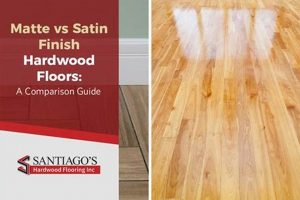
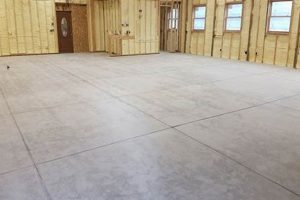
The selection of sheen level significantly impacts the appearance and performance of a hardwood floor. Two popular choices, satin and semi-gloss, offer distinct aesthetic qualities and varying degrees of durability. A satin finish presents a low-luster surface, minimizing light reflection and concealing imperfections. Conversely, a semi-gloss finish exhibits a moderate shine, enhancing the wood’s natural grain while providing a smoother, more reflective surface.
The decision between these sheen levels is crucial due to its influence on perceived cleanliness, maintenance requirements, and overall room ambiance. Higher gloss levels, while visually appealing, tend to highlight dust, scratches, and footprints, demanding more frequent cleaning. Lower gloss options offer greater forgiveness, hiding these imperfections and providing a more relaxed, understated look. Historically, finish preferences have shifted with evolving design trends and advancements in floor care technology.
This discussion will delve into the specific characteristics of each finish type, examining factors such as light reflection, maintenance needs, durability, and suitability for different environments. By understanding these nuances, homeowners and design professionals can make informed decisions that align with their aesthetic preferences and practical considerations.
Practical Considerations for Hardwood Floor Finish Selection
Selecting the appropriate finish is paramount for longevity and aesthetic satisfaction. The following tips offer guidance when evaluating the merits of each option.
Tip 1: Evaluate Room Lighting: Prior to selection, assess the ambient lighting in the room. Semi-gloss finishes amplify light, potentially creating glare in brightly lit spaces. Satin finishes offer a more subdued appearance, ideal for areas with abundant natural light.
Tip 2: Consider Traffic Levels: High-traffic areas benefit from the increased durability of semi-gloss finishes. The harder surface resists scratches and scuffs more effectively than satin. However, increased maintenance to conceal imperfections is usually needed.
Tip 3: Analyze Maintenance Needs: Lower-sheen satin finishes are more forgiving regarding dust and minor imperfections. These are concealed by the finish. Semi-gloss finishes require more frequent cleaning to maintain their pristine appearance, as they highlight even small particles.
Tip 4: Assess Existing Dcor: Integrate finish choice with the existing design scheme. Satin finishes complement rustic or traditional styles, while semi-gloss can enhance modern or contemporary aesthetics.
Tip 5: Sample Before Committing: Obtain samples of each finish and apply them to a small, inconspicuous area of the hardwood. Observe the appearance under varying lighting conditions to make an informed decision. This allows for assessment of the sheen impact.
Tip 6: Consider the Wood Species: The natural grain and color of the hardwood influence the final appearance of the finish. Lighter wood species may benefit from the enhanced depth of a semi-gloss finish, while darker woods may exhibit excessive reflectivity. Consult a flooring expert.
Tip 7: Understand Refinishing Implications: The chosen finish will impact future refinishing efforts. The process will be influenced by the original sheen. Semi-gloss may require additional preparation to ensure proper adhesion of subsequent coats.
Careful deliberation of these factors ensures the selected finish aligns with practical needs and stylistic preferences. The proper selection can extend the life of the floor.
These tips provide a foundation for informed decision-making. The next section addresses the longevity aspects and maintenance of different finishes.
1. Light Reflectance

Light reflectance is a crucial characteristic differentiating satin and semi-gloss hardwood floor finishes. The degree to which a surface reflects light directly influences perceived brightness, visibility of imperfections, and overall room ambiance.
- Specular Reflection
Specular reflection, prominent in semi-gloss finishes, refers to the mirror-like reflection of light from a surface. This creates a glossy appearance, enhancing the wood’s natural grain and color. However, it also amplifies the visibility of dust, scratches, and other imperfections, demanding increased maintenance. For instance, a semi-gloss floor in a brightly lit room may exhibit excessive glare, requiring careful consideration of furniture placement and window treatments.
- Diffuse Reflection
Satin finishes exhibit diffuse reflection, scattering light in multiple directions. This results in a softer, matte appearance that minimizes glare and conceals imperfections more effectively. Diffuse reflection is advantageous in high-traffic areas or homes with pets, as it reduces the visibility of scratches and scuffs. A satin finish, therefore, offers a more forgiving surface that requires less frequent cleaning.
- Gloss Meter Readings
Gloss meters quantify the amount of light reflected at a specific angle, providing an objective measure of a finish’s sheen level. Satin finishes typically exhibit gloss meter readings between 20-40, while semi-gloss finishes range from 40-60. These readings offer a standardized method for comparing different finishes and ensuring consistency across large flooring projects. These also enable professionals to select the proper sheen based on client requests.
- Impact on Room Perception
The level of light reflectance significantly impacts the perceived size and brightness of a room. Semi-gloss finishes can make smaller spaces appear larger and more open by reflecting light throughout the area. Conversely, satin finishes create a warmer, more intimate atmosphere. Therefore, selecting the appropriate finish requires careful consideration of the room’s dimensions, natural lighting, and desired aesthetic.
In summary, light reflectance serves as a key differentiator between satin and semi-gloss hardwood floor finishes. The choice between specular and diffuse reflection depends on individual preferences, room characteristics, and maintenance expectations. Understanding the implications of each option ensures optimal floor appearance and performance. Understanding how light interacts with these finishes helps guide smart design choices.
2. Durability

The durability of a hardwood floor finish is directly correlated to its ability to withstand wear, abrasion, and chemical exposure over time. The choice between a satin and semi-gloss finish significantly impacts this characteristic. A semi-gloss finish, due to its higher resin content and tighter surface structure, generally exhibits greater resistance to scratches and scuffs than a satin finish. This inherent hardness protects the underlying wood from damage caused by foot traffic, pet claws, and dropped objects. Consequently, semi-gloss finishes are often preferred in high-traffic areas such as hallways and kitchens where surfaces are subject to frequent use and potential impacts. For instance, a family with active children and pets may find that a semi-gloss finish maintains its appearance longer and requires less frequent refinishing compared to a satin finish.
However, it’s crucial to recognize that the perceived durability is also influenced by how well the finish conceals imperfections. While a semi-gloss finish may be inherently harder, its high reflectivity can accentuate scratches and dents, making them more visible. A satin finish, with its lower sheen, diffuses light and masks surface blemishes, providing a more forgiving appearance over time. This means that even though a satin finish may scratch more easily, the scratches are less noticeable, potentially extending the perceived lifespan of the floor. For instance, a home with minimal foot traffic but susceptible to fine scratches from dust and furniture may benefit from the concealment properties of a satin finish, despite its slightly lower intrinsic hardness.
Ultimately, the optimal choice between satin and semi-gloss hinges on a balance between inherent resistance and aesthetic resilience. Semi-gloss finishes offer superior protection but require diligent maintenance to minimize visible imperfections. Satin finishes, while less resistant to initial damage, provide a more forgiving surface that conceals wear, potentially extending the perceived lifespan of the floor. Considering the specific environmental conditions, usage patterns, and aesthetic preferences is essential for selecting a finish that aligns with the desired durability and long-term appearance of the hardwood floor. Ignoring these factors could lead to dissatisfaction with the floor’s appearance and the cost of premature refinishing.
3. Maintenance

Maintenance demands represent a significant differentiating factor when choosing between satin and semi-gloss hardwood floor finishes. The level of care required to preserve the aesthetic appeal and structural integrity of the floor varies substantially based on the selected sheen level. Lower gloss finishes generally require less intensive maintenance regimens compared to their higher gloss counterparts.
- Visibility of Imperfections
A primary consideration is the visibility of dust, scratches, and scuffs. Semi-gloss finishes, with their reflective surfaces, amplify these imperfections, necessitating more frequent cleaning to maintain a pristine appearance. Satin finishes, due to their matte quality, conceal such blemishes more effectively, reducing the required cleaning frequency. For example, a semi-gloss floor in a high-traffic entryway will demand daily sweeping or vacuuming to prevent the accumulation of visible dust and footprints, while a satin finish in the same location may only require cleaning every few days.
- Cleaning Products and Techniques
The choice of cleaning products and techniques is also influenced by the finish. Semi-gloss floors often require specialized cleaning solutions designed to enhance shine and prevent streaking. Furthermore, gentle cleaning methods are essential to avoid scratching or dulling the surface. In contrast, satin finishes are generally more forgiving and can be cleaned with a wider range of products and techniques. For example, using an abrasive cleaner on a semi-gloss floor can permanently damage its sheen, whereas a satin finish is less susceptible to such damage.
- Refinishing Frequency
The frequency of refinishing is indirectly affected by the chosen finish. While both satin and semi-gloss floors will eventually require refinishing due to wear and tear, the perceived need for refinishing may differ. The heightened visibility of imperfections on semi-gloss floors may prompt homeowners to refinish sooner than those with satin finishes, even if the underlying wood is in similar condition. Therefore, the long-term cost of maintaining a semi-gloss floor may be higher due to more frequent refinishing requirements.
- Spot Treatment
Spot treatment of spills and stains is another area where satin finishes offer an advantage. The matte surface of a satin finish is less prone to water spots and discoloration compared to a semi-gloss finish. This means that spills can often be cleaned up more easily without leaving a visible trace. In contrast, semi-gloss floors may require immediate attention to prevent staining and water damage, potentially necessitating specialized spot-cleaning products and techniques.
In summary, the maintenance implications of satin versus semi-gloss hardwood floor finishes are substantial. Semi-gloss floors demand more frequent and meticulous cleaning to maintain their aesthetic appeal, while satin floors offer a more forgiving surface that conceals imperfections and requires less intensive care. The selection of finish should therefore consider the homeowner’s willingness and ability to dedicate time and resources to floor maintenance.
4. Aesthetics

Aesthetics plays a pivotal role in the selection of hardwood floor finishes, significantly influencing the perceived character and atmosphere of a space. The choice between satin and semi-gloss finishes directly affects the visual impact and overall design cohesion of an interior.
- Sheen Level and Light Interaction
Sheen level dictates how a surface interacts with light, thereby shaping the perceived brightness and depth of color. Satin finishes, characterized by their matte appearance, diffuse light to minimize glare and create a warm, understated ambiance. In contrast, semi-gloss finishes reflect light more directly, enhancing the vibrancy of the wood grain and creating a sense of spaciousness. For instance, in a room with abundant natural light, a satin finish may provide a softer, more comfortable visual experience, while a semi-gloss finish could amplify the light to create a brighter, more energetic atmosphere.
- Formality and Style
The selected finish can reinforce the intended style and formality of a room. Satin finishes often complement traditional or rustic decors, lending a sense of timeless elegance and subtle sophistication. Semi-gloss finishes, on the other hand, are frequently favored in modern or contemporary settings, adding a touch of glamour and visual interest. For example, a historic home with period furnishings may benefit from the understated charm of a satin finish, while a minimalist apartment with sleek lines could be enhanced by the reflective qualities of a semi-gloss finish.
- Concealment of Imperfections
The aesthetic impact of a floor finish is also influenced by its ability to conceal imperfections. Satin finishes, with their lower reflectivity, are more forgiving and effectively mask minor scratches, dents, and dust particles. Semi-gloss finishes, however, accentuate these flaws, requiring meticulous maintenance to preserve their polished appearance. For instance, in a high-traffic area or a home with pets, a satin finish may maintain its aesthetic appeal longer than a semi-gloss finish, as it conceals the inevitable wear and tear associated with daily use.
- Color Perception
Finish impacts the perception of the wood’s natural color. A semi-gloss will often enrich deeper hues. Satin finishes may mute, or soften, very vibrant colors, emphasizing the grain and texture. Therefore, matching color samples against the potential finish is important. This small step offers a more comprehensive view.
These aesthetic considerations underscore the importance of aligning the chosen finish with the overall design vision and practical needs of the space. The careful consideration of sheen level, style, concealment properties, and color perception ensures that the hardwood floor finish enhances the aesthetic appeal and contributes to the desired atmosphere of the interior.
5. Application

The process of applying a hardwood floor finish directly influences its ultimate appearance, durability, and longevity. The correct application techniques are paramount in achieving the desired aesthetic characteristics of either a satin or semi-gloss sheen. Improper surface preparation, uneven coating distribution, or insufficient drying time can negate the inherent advantages of either finish type, resulting in a subpar outcome. For example, inadequate sanding prior to the application of a semi-gloss finish will accentuate imperfections, negating its intended smooth, reflective appearance. Similarly, applying a satin finish too thickly can result in an undesirable build-up and a loss of its intended matte effect. Therefore, meticulous attention to detail during each stage of the application process is essential.
Specific application requirements can also vary depending on the formulation of the finish product itself. Water-based finishes, commonly used for their low VOC content, often require multiple thin coats to achieve optimal durability and sheen. Oil-based finishes, conversely, may offer greater build-up and require fewer coats, but necessitate longer drying times. Furthermore, the method of application, whether using a brush, roller, or sprayer, can impact the final result. Spraying, for instance, can provide a more uniform coating, particularly for semi-gloss finishes where consistent light reflection is crucial. Choosing the appropriate application method and adhering to the manufacturer’s recommendations are critical steps in ensuring a successful outcome. For instance, failing to properly agitate a satin finish can lead to uneven distribution of the matting agents, resulting in inconsistent sheen levels across the floor.
Ultimately, a comprehensive understanding of the application process is as important as the choice between satin and semi-gloss finishes. The skill and expertise of the applicator, combined with adherence to best practices, directly determines the final appearance and performance of the hardwood floor. Substandard application can compromise even the highest quality finish, resulting in increased maintenance requirements, reduced durability, and dissatisfaction with the overall aesthetic. Therefore, engaging experienced professionals and prioritizing proper application techniques are essential for maximizing the benefits of the selected hardwood floor finish.
6. Cost
The financial aspect of hardwood floor finishing encompasses both the initial investment and long-term expenditure. When evaluating satin versus semi-gloss options, cost considerations extend beyond the price per gallon of finish. Material costs, labor expenses, and anticipated maintenance significantly contribute to the total lifecycle cost of each option. For instance, while the price of satin and semi-gloss finishes from the same manufacturer may be comparable, the application process and maintenance requirements can introduce financial disparities. Semi-gloss finishes, requiring more meticulous surface preparation and potentially additional coats to achieve a uniform, high-shine appearance, may incur higher labor costs during installation. Conversely, satin finishes, being more forgiving regarding minor imperfections, may necessitate less intensive labor, resulting in lower initial expenses. The interplay between these factors renders a comprehensive cost analysis essential for informed decision-making.
The maintenance phase presents another layer of cost implications. Semi-gloss floors, due to their tendency to highlight dust and scratches, often demand more frequent cleaning and specialized cleaning products to retain their aesthetic appeal. This translates to recurring expenses for cleaning supplies and potentially increased labor costs if professional cleaning services are engaged. Satin finishes, on the other hand, conceal imperfections more effectively, reducing the need for frequent cleaning and specialized products, thus minimizing long-term maintenance costs. Refinishing frequency also impacts lifecycle costs. A semi-gloss floor, exhibiting wear and tear more prominently, may require refinishing sooner than a satin floor, leading to a higher total cost over the floor’s lifespan. For example, a homeowner might spend less initially on a satin finish, but the cumulative savings on cleaning and delayed refinishing could be substantial over a decade compared to a semi-gloss alternative.
In summary, the cost associated with “satin vs semi gloss hardwood floor finish” is multifaceted, encompassing material expenses, labor, maintenance, and refinishing. A comprehensive financial evaluation necessitates considering not only the upfront price of the finish but also the long-term implications of each option. This holistic approach ensures that the selected finish aligns with budgetary constraints while delivering optimal value and performance over the lifespan of the hardwood floor. Failure to account for these long-term costs can lead to budget overruns and dissatisfaction with the overall investment.
7. Environment
The selection of a hardwood floor finish carries environmental implications, directly related to volatile organic compound (VOC) emissions, resource utilization, and waste generation. Traditional oil-based finishes, often employed to achieve the durability and sheen associated with semi-gloss surfaces, typically exhibit higher VOC content. These compounds, released during application and curing, contribute to air pollution and potentially pose health risks to installers and occupants. In contrast, water-based finishes, increasingly formulated to replicate the performance of oil-based counterparts, generally offer lower VOC emissions. Choosing a low-VOC satin or semi-gloss finish mitigates the environmental impact by reducing air quality degradation and promoting healthier indoor environments. For example, opting for a water-based semi-gloss finish certified by organizations such as GreenGuard demonstrates a commitment to minimizing VOC emissions and safeguarding air quality.
Beyond VOCs, the extraction and processing of raw materials used in hardwood floor finishes contribute to environmental burdens. The sourcing of resins, solvents, and additives impacts resource depletion, energy consumption, and waste generation. Selecting finishes derived from renewable resources or incorporating recycled content can reduce this environmental footprint. Furthermore, the longevity of the finish directly influences resource utilization. Durable finishes, whether satin or semi-gloss, extend the lifespan of the flooring, delaying the need for replacement and minimizing waste. For instance, investing in a high-quality, durable finish, regardless of sheen level, reduces the frequency of refinishing or replacement, thereby conserving resources and minimizing landfill waste. Disposal methods are also critical. Environmentally responsible disposal of used finish containers and application materials reduces pollution and promotes resource recovery.
In conclusion, the environmental considerations surrounding hardwood floor finishes are multifaceted, encompassing VOC emissions, resource utilization, waste generation, and disposal practices. Choosing low-VOC finishes, prioritizing sustainably sourced materials, and extending floor lifespan through durable products minimizes the environmental impact. This holistic approach aligns with principles of environmental stewardship, promoting healthier indoor environments and conserving natural resources. The selection of floor finish, satin or semi-gloss, involves a responsibility to minimize the ecological consequences of construction and interior design choices, showcasing how aesthetic decisions can be harmonized with environmental sustainability.
Frequently Asked Questions
This section addresses common inquiries and misconceptions regarding satin and semi-gloss hardwood floor finishes, providing objective information for informed decision-making.
Question 1: Are semi-gloss finishes inherently more durable than satin finishes?
While semi-gloss finishes often possess a higher resin content, contributing to increased scratch resistance, the perceived durability is also influenced by the finish’s ability to conceal imperfections. Satin finishes effectively mask minor scratches, potentially extending the floor’s perceived lifespan despite a slightly lower intrinsic hardness.
Question 2: Does a higher gloss level equate to easier cleaning?
No, the opposite is generally true. Semi-gloss finishes accentuate dust and imperfections, demanding more frequent cleaning to maintain a pristine appearance. Satin finishes, with their matte surface, conceal such blemishes more effectively, reducing cleaning frequency.
Question 3: Can a satin finish be applied over an existing semi-gloss finish without sanding?
Proper adhesion requires surface preparation. Applying a satin finish over a semi-gloss finish without thorough sanding is not recommended, as it can compromise adhesion and result in premature peeling or flaking. Sanding creates a mechanical bond for the new finish.
Question 4: Do semi-gloss finishes make a room appear larger?
The reflective properties of semi-gloss finishes can enhance the perceived size of a room by amplifying light. However, this effect is most pronounced in well-lit spaces and may not be noticeable in dimly lit areas.
Question 5: Are low-VOC options available for both satin and semi-gloss finishes?
Yes, both satin and semi-gloss finishes are available in low-VOC formulations. These finishes utilize water-based or modified oil-based technologies to minimize the emission of volatile organic compounds, promoting healthier indoor air quality.
Question 6: How does finish choice affect the cost of refinishing hardwood floors?
The existing finish impacts the refinishing process. Switching from semi-gloss to satin requires more intensive sanding to ensure proper adhesion and a uniform sheen. Therefore, refinishing costs can vary based on the original finish and the desired outcome.
In summary, selecting between satin and semi-gloss finishes necessitates considering multiple factors beyond simple aesthetic preferences. The optimal choice balances durability, maintenance requirements, environmental impact, and budget considerations.
The following section provides a concluding overview, summarizing key insights and offering final recommendations.
Satin vs Semi Gloss Hardwood Floor Finish
The preceding analysis has explored the multifaceted considerations inherent in the selection between “satin vs semi gloss hardwood floor finish.” Key distinctions were highlighted, encompassing light reflectance, durability, maintenance obligations, aesthetic impact, application techniques, cost implications, and environmental ramifications. A judicious decision necessitates a thorough evaluation of these factors, aligning them with specific needs and priorities.
The ultimate selection should reflect a comprehensive understanding of trade-offs and long-term consequences. Prioritizing informed decision-making, based on objective criteria rather than subjective preferences, ensures optimal performance and enduring satisfaction. Therefore, rigorous assessment remains paramount in achieving the desired balance between aesthetic appeal and practical functionality. The process should remain the final decider.