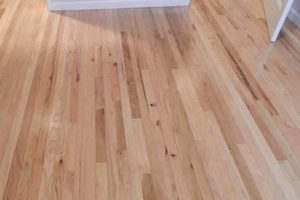
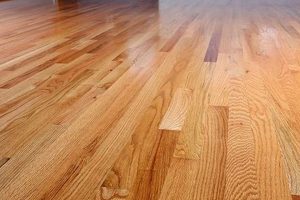
Wood flooring characterized by a clear, protective coating that allows the inherent color and grain of the oak to be prominently displayed exemplifies a minimalist approach to interior design. This type of flooring emphasizes the raw beauty of the material, offering a warm and inviting aesthetic to residential and commercial spaces. The absence of heavy stains or tints ensures the unique characteristics of each plank are visible, showcasing the natural variations in color and pattern that make hardwood so desirable.
The selection of this type of flooring offers several advantages. It provides a timeless elegance that complements a wide range of interior design styles, from traditional to contemporary. The light, natural tones tend to brighten rooms, creating an open and airy feel. Historically, oak has been a preferred material for flooring due to its durability and resistance to wear, and when paired with a clear finish, it maintains its appeal while requiring relatively simple maintenance. It also offers a degree of versatility allowing it to be seamlessly integrated with other wood elements throughout a space.
The subsequent sections will delve deeper into the practical aspects of selecting this type of flooring, including factors such as the various types of oak available, the different clear finish options, and considerations for installation and ongoing care. This article aims to provide a comprehensive understanding of the material and finish, empowering informed decision-making for homeowners and professionals alike.
Guidance on Natural Finish Oak Floors
The following outlines essential considerations for selecting, installing, and maintaining oak flooring treated with a clear, protective coating. Adhering to these points will contribute to the longevity and aesthetic appeal of the flooring investment.
Tip 1: Material Selection: Differentiate between red and white oak. White oak possesses tighter grain patterns and increased water resistance, making it more suitable for moisture-prone areas. Red oak, while more porous, readily accepts stain if future color alterations are desired.
Tip 2: Finish Type Evaluation: Investigate the properties of various clear finishes. Oil-based polyurethane offers durability but can amber over time. Water-based polyurethane provides a clearer appearance and lower VOC emissions. Consider UV-cured finishes for enhanced scratch resistance.
Tip 3: Subfloor Preparation: Ensure the subfloor is level, dry, and free of debris before installation. Inadequate subfloor preparation will result in uneven flooring and potential structural issues. Moisture testing is critical prior to installation to avoid warping or cupping.
Tip 4: Acclimation Period: Allow the oak flooring to acclimate to the ambient temperature and humidity of the installation environment for a minimum of 72 hours. This minimizes expansion and contraction post-installation, preventing gaps and buckling.
Tip 5: Professional Installation: Engage a qualified flooring contractor for installation. Proper nailing or gluing techniques are essential for a secure and long-lasting floor. A professional will also be equipped to address any unforeseen challenges that may arise.
Tip 6: Routine Maintenance: Implement a regular cleaning schedule using pH-neutral floor cleaners specifically formulated for hardwood floors. Avoid excessive water exposure, which can damage the finish and underlying wood. Use mats at entryways to minimize dirt and grit tracked onto the floor.
Tip 7: Preventative Measures: Employ furniture pads beneath all furniture legs to prevent scratches and dents. Trim pet nails regularly to minimize surface damage. Address spills promptly to prevent staining or water damage.
These guidelines underscore the importance of careful planning and execution when working with oak flooring and a clear finish. Proper material selection, installation, and maintenance are crucial for preserving the floor’s natural beauty and extending its lifespan.
The subsequent sections will explore specific product recommendations and advanced maintenance techniques, providing further insights for optimizing the value and longevity of oak floors with clear finishes.
1. Species Variation

The selection of oak species exerts a significant influence on the final appearance and performance characteristics of naturally finished floors. Red oak and white oak, the two primary varieties employed in flooring applications, exhibit distinct physical properties that necessitate careful consideration. Red oak possesses a more open grain structure and a pinkish hue, resulting in a higher degree of texture visibility beneath a clear finish. This characteristic can enhance the rustic aesthetic of a space. Conversely, white oak features a tighter grain pattern and a tan to light brown coloration. Its closed cellular structure renders it more resistant to moisture penetration, making it a preferred choice for environments prone to humidity fluctuations. Therefore, species variation constitutes a fundamental determinant of the floor’s visual identity and suitability for specific environmental conditions. For instance, a beach house would benefit from white oak and its natural resistant, rather than red oak.
The impact of species variation extends beyond aesthetics and moisture resistance. Different oak species exhibit varying degrees of hardness, as measured by the Janka hardness scale. White oak typically registers a higher Janka rating than red oak, indicating greater resistance to indentation and wear. Consequently, white oak may be favored in high-traffic areas where durability is paramount. Furthermore, the inherent color variations within each species can influence the perception of cleanliness and brightness within a room. Lighter-toned white oak tends to create a more open and airy feel, while the warmer tones of red oak can impart a sense of warmth and coziness. Understanding these nuances allows for a more informed selection process, aligning the flooring choice with the desired ambiance and functional requirements of the space.
In summary, the choice between red and white oak is not merely a matter of preference but a decision rooted in practical considerations. Species variation directly affects the floor’s appearance, durability, moisture resistance, and overall suitability for a given application. By carefully evaluating the characteristics of each species and aligning them with the intended use and environmental conditions, individuals can ensure a successful and long-lasting flooring installation. The careful consideration of this one aspect of natural finish oak floors can either make or break a room.
2. Finish Durability
The longevity and aesthetic appeal of natural finish oak floors are inextricably linked to the durability of the applied finish. The finish serves as a protective barrier, shielding the wood from everyday wear, moisture, and environmental factors. Therefore, the selection of an appropriate and robust finish is paramount to preserving the integrity and appearance of the flooring surface over time.
- Abrasion Resistance
Abrasion resistance refers to the finish’s capacity to withstand scratching, scuffing, and general wear from foot traffic, furniture movement, and other abrasive forces. Polyurethane finishes, known for their hardness and resistance to abrasion, are commonly employed on oak floors. The quality and thickness of the polyurethane layer directly impact its ability to withstand these forces. Inadequate abrasion resistance leads to visible scratches and a dulling of the finish, diminishing the natural beauty of the oak. For instance, a high-traffic hallway requires a finish with superior abrasion resistance compared to a lightly used bedroom.
- Moisture Resistance
Oak, while a durable hardwood, is susceptible to moisture damage. The finish acts as a sealant, preventing water penetration and minimizing the risk of warping, swelling, or staining. Finishes with poor moisture resistance can allow water to seep into the wood, leading to structural damage and discoloration. Applying multiple coats of finish, particularly in areas prone to spills or high humidity, enhances moisture protection. A kitchen area, for example, requires a finish that provides a strong barrier against water and other liquids.
- UV Protection
Exposure to ultraviolet (UV) light can cause certain finishes to yellow or fade over time, altering the natural color of the oak. Finishes containing UV inhibitors offer a degree of protection against this color change, preserving the original appearance of the floor. This is particularly important in rooms with large windows or significant sunlight exposure. Failure to utilize a UV-resistant finish can result in uneven color fading, detracting from the overall aesthetic appeal of the flooring.
- Chemical Resistance
Household cleaning products, spills, and certain substances can damage the finish on oak floors. Finishes with good chemical resistance can withstand exposure to these materials without staining, etching, or dissolving. Selecting a finish that is resistant to common household chemicals is essential for maintaining the floor’s appearance and preventing irreversible damage. A finish rated for chemical resistance will be better protected from spills of cleaning supplies, and other accidents common to domestic environments.
The various facets of finish durability are crucial considerations for ensuring the longevity and aesthetic preservation of oak floors featuring a natural finish. Selecting a finish that offers adequate abrasion resistance, moisture protection, UV protection, and chemical resistance is paramount to protecting the wood from damage and maintaining its natural beauty for years to come. The characteristics of the finish directly influence the lifecycle cost and overall satisfaction with the flooring investment.
3. Subfloor Preparation

The successful installation and long-term performance of natural finish oak floors are intrinsically linked to the quality of the subfloor preparation. The subfloor serves as the foundation upon which the finished flooring rests; deficiencies in its condition directly translate into problems with the oak surface above. Improper preparation leads to unevenness, instability, and accelerated wear of the oak, ultimately diminishing its aesthetic appeal and functional lifespan. A concrete subfloor with excessive moisture, for example, can cause the oak planks to warp, cup, or buckle. Similarly, a plywood subfloor that is not level will result in an uneven finished surface, potentially creating tripping hazards and affecting furniture stability.
Effective subfloor preparation involves several critical steps. First, the subfloor must be thoroughly cleaned and free of debris, including dust, nails, and old adhesive residue. Any imperfections, such as cracks, holes, or uneven areas, must be addressed with appropriate leveling compounds or patching materials. Moisture content testing is paramount, especially for concrete subfloors, to ensure it falls within the manufacturer’s specified range for oak flooring installation. Installation of a moisture barrier may also be necessary, depending on the subfloor material and environmental conditions. In cases where the subfloor is significantly uneven, self-leveling underlayments can provide a smooth and stable surface. The cost of neglecting these preparatory steps far outweighs the expense of proper subfloor remediation. Imagine a situation where a homeowner skips moisture testing, installs the oak flooring, only to find warping occurring across the floor a few months later.
In conclusion, subfloor preparation is not merely a preliminary step, but an integral component of a successful natural finish oak floor installation. A properly prepared subfloor ensures a stable, level, and moisture-resistant foundation, maximizing the longevity and aesthetic value of the oak flooring. Neglecting this crucial phase invites potential problems that can compromise the entire flooring investment. Therefore, adherence to best practices in subfloor preparation is essential for achieving optimal results and realizing the full potential of natural finish oak floors. Proper subfloor preparation will ensure that the finished floors will not only look good, but also last for many years to come.
4. Acclimation Period

The acclimation period represents a critical phase in the installation process of natural finish oak floors, directly impacting their dimensional stability and long-term performance. This period allows the wood to adjust to the ambient temperature and humidity levels of the installation environment, minimizing the risk of expansion, contraction, and associated structural issues.
- Moisture Content Equilibrium
Oak, a hygroscopic material, naturally absorbs and releases moisture based on the surrounding environment. The acclimation period allows the oak flooring to reach equilibrium with the prevailing humidity levels. Failure to acclimate results in the wood retaining a moisture content that is inconsistent with the installation environment. Consequently, the oak will continue to adjust after installation, leading to gaps, cupping, or buckling as it expands or contracts to reach equilibrium. For instance, if oak flooring with a high moisture content is installed in a dry environment without acclimation, it will gradually lose moisture, causing the planks to shrink and creating unsightly gaps between them.
- Dimensional Stability and Stress Reduction
Wood flooring undergoes dimensional changes with fluctuations in moisture content. The acclimation period minimizes internal stresses within the wood by allowing it to gradually adjust to the new environment. Rapid changes in moisture content create internal stresses that can lead to warping or cracking. A gradual acclimation process ensures the wood adjusts uniformly, reducing the likelihood of these issues. A sudden shift in climate, such as from a humid warehouse to a climate-controlled home, can create significant stress within the oak, which is mitigated by a proper acclimation period.
- Manufacturer Specifications and Warranty Compliance
Oak flooring manufacturers typically provide specific acclimation guidelines, including minimum duration and acceptable humidity ranges. Adhering to these specifications is often a prerequisite for warranty coverage. Failure to comply with the manufacturer’s recommendations voids the warranty and leaves the installer or homeowner liable for any subsequent problems arising from improper acclimation. These guidelines are based on extensive research and are essential for ensuring the long-term performance of the flooring.
- Subfloor Interaction and Bonding
The acclimation period also influences the interaction between the oak flooring and the subfloor. When using adhesives for installation, the moisture content of both the oak and the subfloor must be within acceptable limits to ensure proper bonding. Excessive moisture in either material can interfere with the adhesive’s ability to create a strong and durable bond. By allowing the oak to acclimate, the moisture content is stabilized, promoting optimal adhesion and preventing future bonding failures. If the subfloor and the oak are not properly moisture matched, there is a higher risk of installation failures that can involve the entire flooring system.
The importance of the acclimation period in natural finish oak floor installations cannot be overstated. By allowing the wood to reach equilibrium with the environment, reducing internal stresses, complying with manufacturer specifications, and promoting optimal bonding, this phase significantly contributes to the longevity, stability, and overall aesthetic appeal of the flooring. Failing to account for the acclimation process can undermine the entire installation, resulting in costly repairs and diminished satisfaction with the finished product. The end result of natural finish oak floors is only as good as the underlying steps taken to ensure it is installed correctly, with no shortcuts.
5. Maintenance Protocol
The maintenance protocol for natural finish oak floors is a critical determinant of their long-term appearance, structural integrity, and overall value. Establishing and adhering to a consistent maintenance regimen is essential for preserving the natural beauty of the wood and mitigating the effects of daily wear and tear.
- Regular Cleaning Practices
Routine cleaning is fundamental to preventing the accumulation of dirt, dust, and debris, which can act as abrasives and scratch the finish. Sweeping, vacuuming (with a soft brush attachment), or using a microfiber mop should be performed regularly, ideally several times per week, depending on the traffic level. The frequency of cleaning directly correlates with the preservation of the finish and the prevention of embedded dirt that is difficult to remove later. A doormat placed inside entrances reduces the amount of dirt tracked onto the floor.
- Appropriate Cleaning Agents
The selection of cleaning agents is crucial for maintaining the integrity of the finish. Harsh chemicals, abrasive cleaners, and excessive water can damage the finish and potentially discolor the wood. Instead, use pH-neutral hardwood floor cleaners specifically formulated for natural finishes. Apply cleaning solutions sparingly, following the manufacturer’s instructions. Over-wetting the floor can lead to water damage and warping. Never use steam mops on hardwood floors, as the excessive moisture can penetrate the finish and cause irreversible damage.
- Preventative Measures
Implementing preventative measures minimizes the risk of scratches, dents, and other forms of damage. Placing felt pads beneath furniture legs is essential to prevent scratches when moving furniture. Avoid wearing shoes with high heels or cleats indoors, as they can indent the surface. Trim pet nails regularly to prevent scratches from animal activity. Area rugs in high-traffic areas provide additional protection. These preventive actions reduce the rate of wear and extend the time before refinishing is required.
- Refinishing Considerations
Even with meticulous maintenance, natural finish oak floors may require refinishing over time to restore their original luster and address accumulated wear. The frequency of refinishing depends on traffic levels, maintenance practices, and the thickness of the original finish. When refinishing, it is essential to use compatible finishes and follow proper application techniques. Consider consulting with a professional flooring contractor to ensure optimal results. The appropriate time to refinish can depend on whether the traffic has been minimal or excessive, which translates to refinishing requirements.
In summary, the maintenance protocol is not merely a perfunctory task but an investment in the long-term value and beauty of natural finish oak floors. Regular cleaning, the use of appropriate cleaning agents, preventative measures, and timely refinishing all contribute to preserving the inherent characteristics of the wood and ensuring its enduring appeal. A proactive and informed approach to maintenance significantly extends the life of the flooring and minimizes the need for costly repairs or replacements. All of these maintenance steps contribute to maintaining the beauty of natural finish oak floors.
6. Light Reflectance
The inherent characteristic of light reflectance plays a crucial role in the visual perception and ambient brightness of spaces incorporating natural finish oak floors. This attribute dictates the amount of light a surface reflects, influencing the overall luminance and perceived spaciousness of a room. Light-colored oak, combined with a clear, non-tinted finish, maximizes light reflection, effectively brightening interiors and creating an airy atmosphere. Conversely, darker stains or matte finishes reduce light reflectance, resulting in a dimmer, potentially more intimate ambiance. For example, a small room with limited natural light would benefit significantly from natural finish oak floors that enhance light distribution and reduce shadows. Therefore, understanding and strategically manipulating light reflectance becomes a critical element in interior design and space planning, especially when working with this type of flooring.
Strategic application of light reflectance principles extends to minimizing energy consumption and enhancing visual comfort. Higher light reflectance values decrease the need for artificial lighting, contributing to energy savings and reducing reliance on electric sources during daylight hours. Additionally, even light distribution minimizes glare and eye strain, creating a more comfortable and productive environment. Practical application includes selecting flooring with an appropriate sheen level. A high-gloss finish will reflect more light but can also create distracting glare in certain lighting conditions. A satin or matte finish offers a more diffused reflection, reducing glare while still contributing to overall brightness. Consider also the impact of surrounding wall colors and furniture choices, as they interact with the flooring’s light reflectance to shape the overall ambiance of the space. A careful balance of these elements is essential for achieving the desired aesthetic and functional outcome.
Conclusively, light reflectance stands as a pivotal factor influencing the overall impact of natural finish oak floors on an interior space. It dictates not only the perceived brightness and spaciousness but also contributes to energy efficiency and visual comfort. While selecting specific flooring with appropriate finishes, is crucial, the interplay of wall colors, furniture, and lighting further defines the ultimate effect. The complexities of light interaction necessitate a well-considered approach to interior design, ensuring that the selection and arrangement of elements harmonize to achieve the desired ambiance. Future challenges lie in developing sustainable flooring materials with optimized light reflectance properties and in enhancing public awareness of the impact of light on well-being and environmental consciousness, to that end this article is helpful and informative.
Frequently Asked Questions
The following addresses common inquiries and misconceptions surrounding oak flooring that features a clear, protective coating, designed to showcase the material’s inherent characteristics.
Question 1: Does a natural finish provide adequate protection compared to stained alternatives?
A natural finish, typically a polyurethane or similar sealant, provides substantial protection against wear, moisture, and scratching, comparable to that offered by stained finishes. The key factor is the quality and number of coats applied, not the presence of a stain. Regular maintenance is essential for preserving the finish’s protective qualities, so consider cleaning the surface on a regular basis.
Question 2: Are natural finish oak floors suitable for high-traffic areas?
Oak, a hardwood, is inherently durable and well-suited for high-traffic areas. However, the longevity of the floor depends on the specific species (red vs. white oak, white oak being slightly more durable), the type of finish applied, and the frequency of maintenance. Regular sweeping and the use of protective mats in high-traffic zones will extend the floor’s lifespan.
Question 3: How does direct sunlight affect natural finish oak floors?
Prolonged exposure to direct sunlight can cause certain finishes to yellow or fade over time. Utilizing finishes with UV inhibitors mitigates this effect, preserving the natural color of the oak. Implementing window treatments, such as blinds or curtains, during peak sunlight hours provides additional protection.
Question 4: What is the best method for cleaning floors featuring this type of finish?
The recommended cleaning method involves regular sweeping or vacuuming to remove debris, followed by damp mopping with a pH-neutral hardwood floor cleaner. Avoid excessive water exposure and the use of abrasive cleaners, which can damage the finish. Consult the finish manufacturer’s guidelines for specific cleaning recommendations.
Question 5: Can this flooring type be installed over radiant heating systems?
Installation over radiant heating systems is possible, but requires careful consideration and adherence to specific guidelines. The moisture content of the oak must be carefully controlled during acclimation and installation to prevent warping or gapping due to the heat. Consult with a qualified flooring installer and the heating system manufacturer for compatibility recommendations.
Question 6: How often does this type of flooring need to be refinished?
The frequency of refinishing depends on various factors, including traffic levels, maintenance practices, and the thickness of the finish. Under normal conditions, refinishing may be required every 7-10 years. Signs of wear, such as scratches, dullness, or finish damage, indicate the need for refinishing. This work should be done by professionals and qualified individuals to prevent more significant damage.
Understanding these key aspects ensures informed decision-making and proper care for oak flooring with a clear finish, maximizing its longevity and aesthetic appeal.
The subsequent section will explore advanced techniques for repairing and restoring natural finish oak floors.
Conclusion
Throughout this exploration, the selection, installation, maintenance, and various considerations surrounding natural finish oak floors have been thoroughly examined. From the nuanced distinctions between red and white oak to the critical importance of subfloor preparation and acclimation, a comprehensive understanding of these elements proves essential for achieving optimal results and ensuring the longevity of the flooring investment. Furthermore, the significance of finish durability, appropriate maintenance protocols, and the influence of light reflectance have been underscored, emphasizing their roles in preserving the aesthetic appeal and structural integrity of oak floors.
The information presented serves as a foundation for informed decision-making, empowering individuals to approach natural finish oak floor projects with confidence and foresight. By carefully considering the factors outlined herein, stakeholders can maximize the value of their investment, achieving a lasting and visually appealing flooring solution. The enduring appeal of oak, coupled with a transparent finish, makes the best choice for homes and businesses around the world. Careful selection will ultimately lead to more peace of mind and satisfaction of the beautiful results of natural finish oak floors.