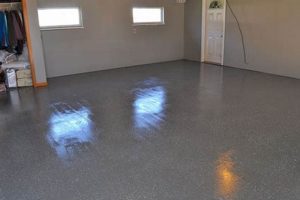
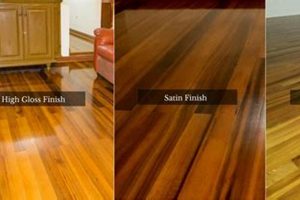
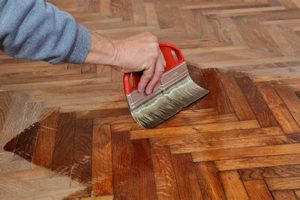
The process of completing the lower level’s flooring involves a series of steps designed to transform an unfinished space into a usable and aesthetically pleasing area. This typically includes preparing the existing concrete slab, addressing any moisture issues, and installing a chosen flooring material. Examples range from applying a waterproof sealant and laying down vinyl tiles to constructing a subfloor and installing engineered hardwood.
Completing the lower level’s floor enhances the value of the property by increasing its usable living space. It also improves comfort, reduces energy costs by providing insulation, and protects against moisture damage, which can lead to mold growth. Historically, this practice has evolved from simply covering bare concrete to incorporating advanced moisture barriers and a wider selection of flooring options.
The subsequent sections detail the necessary preparation steps, outline various suitable flooring materials, and provide guidance on installation techniques. Emphasis is placed on ensuring proper moisture management and selecting materials appropriate for a below-grade environment.
Key Considerations for Basement Floor Completion
The following are important considerations when planning the completion of a basement floor. Proper execution of these steps will lead to a more durable and comfortable finished space.
Tip 1: Moisture Assessment is Critical. Before any work begins, assess the concrete slab for moisture. Conduct a calcium chloride test or use a moisture meter to determine the moisture vapor emission rate. If excessive moisture is present, a moisture barrier or mitigation system is required.
Tip 2: Leveling the Subfloor Ensures Stability. A self-leveling concrete compound may be necessary to correct uneven surfaces. This ensures a stable and even base for the finished flooring, preventing future issues such as cracking or uneven wear.
Tip 3: Select Moisture-Resistant Materials. Opt for flooring materials specifically designed for basement environments. Vinyl, epoxy coatings, and closed-cell foam underlayment are examples of moisture-resistant options that will prevent water damage and inhibit mold growth.
Tip 4: Consider Subfloor Options for Insulation. Installing a subfloor, such as a dimpled membrane or a raised panel system, provides an air gap and insulation value. This improves comfort and reduces the likelihood of condensation.
Tip 5: Expansion Gaps are Essential. When installing flooring materials, leave appropriate expansion gaps around the perimeter of the room. This allows for the natural expansion and contraction of the materials due to temperature and humidity changes, preventing buckling or warping.
Tip 6: Vapor Barriers are Necessary. Install a vapor barrier between the concrete slab and any organic flooring materials, such as carpet or engineered hardwood. This will minimize moisture migration and prevent mold and mildew growth.
Tip 7: Proper Ventilation is Key. Ensure adequate ventilation in the basement to further reduce moisture buildup. Use a dehumidifier if necessary to maintain optimal humidity levels.
Addressing these aspects of basement floor completion safeguards against moisture issues, guarantees a comfortable and durable flooring system, and improves the overall value of the finished basement space.
The concluding section will discuss material selection in greater depth, providing more nuanced guidance to completing the project effectively.
1. Moisture Mitigation

Moisture mitigation is paramount to completing a basement floor. Below-grade environments are inherently susceptible to moisture intrusion, which, if unaddressed, compromises the integrity of the floor and leads to various problems. Effective moisture mitigation strategies protect the investment in the finished floor and promote a healthy living environment.
- Hydrostatic Pressure Management
Hydrostatic pressure from groundwater surrounding the foundation can force moisture through the concrete slab. Mitigation involves installing a perimeter drain system to redirect water away from the foundation and applying a waterproof membrane to the exterior of the foundation walls. These measures reduce the amount of water in contact with the concrete, thereby lessening the potential for moisture intrusion.
- Vapor Barrier Installation
A vapor barrier, typically a polyethylene sheet, is installed directly over the concrete slab before any flooring materials are laid. This barrier prevents moisture vapor from rising through the slab and damaging the flooring above. Overlapping seams and sealing the barrier to the walls are essential for effective performance.
- Concrete Sealer Application
Applying a concrete sealer to the slab surface can reduce its porosity and prevent moisture from being absorbed. Penetrating sealers are preferred as they react with the concrete to create a waterproof barrier within the slab itself. Surface sealers, while less effective, provide an additional layer of protection.
- Dehumidification Systems
Even with preventative measures, some moisture may still enter the basement. Installing a dehumidification system helps maintain a low humidity level, preventing mold growth and creating a more comfortable environment. A properly sized dehumidifier removes excess moisture from the air, protecting the flooring and improving air quality.
These moisture mitigation strategies are essential for completing a basement floor. Combining these approaches maximizes protection against moisture damage, ensuring the longevity and comfort of the finished space. Failing to address moisture issues before finishing the floor almost invariably leads to costly repairs and health concerns in the future.
2. Subfloor installation

Subfloor installation is an essential aspect of completing a basement floor. It establishes a stable and level foundation upon which the finished flooring material is placed, directly influencing the floor’s longevity, comfort, and resistance to moisture.
- Moisture Barrier Enhancement
Many subfloor systems incorporate a built-in moisture barrier or are designed with an air gap underneath to promote ventilation. This reduces the risk of moisture accumulating beneath the finished floor, preventing mold growth and extending the lifespan of materials. Examples include dimpled membrane subfloors and raised panel systems with integrated vapor barriers. The impact is a drier, healthier basement environment.
- Thermal Insulation Improvement
Certain subfloor options provide added insulation, increasing the floor’s thermal performance. This reduces heat loss through the concrete slab, resulting in a warmer and more comfortable floor surface. Insulated subfloor panels are often used in colder climates to improve energy efficiency and reduce heating costs. The result is improved comfort and energy savings.
- Surface Leveling and Support
Subfloors compensate for minor irregularities in the concrete slab, creating a level surface for the finished flooring. This prevents uneven wear and tear on the finished material and enhances its overall appearance. Self-leveling compounds can be used in conjunction with a subfloor system to address more significant variations in the slab’s surface. A stable and level surface ensures longevity of the flooring.
- Comfort and Sound Dampening
Subfloor installation can improve the comfort of the finished floor by providing a slight cushioning effect. It also helps to dampen sound transmission between floors, reducing noise levels in the basement and the rooms above. Foam or rubber underlayments incorporated into the subfloor system enhance comfort and sound insulation. The result is a quieter and more comfortable living space.
In summary, the implementation of a subfloor system is a critical component in the process of completing a basement floor. Its benefits range from enhancing moisture protection and improving thermal insulation to leveling the surface and increasing comfort. These factors contribute to a more durable, comfortable, and valuable finished basement space.
3. Material selection

The selection of materials is a critical decision point in the process of completing a basement floor. The unique characteristics of below-grade environments necessitate careful consideration of moisture resistance, durability, and suitability for the intended use of the space. Choosing appropriate materials minimizes the risk of moisture-related damage, ensures long-term performance, and maximizes the comfort and usability of the finished basement.
- Moisture Resistance Considerations
Basements are prone to moisture intrusion, making the selection of moisture-resistant materials paramount. Options such as vinyl flooring, epoxy coatings, and ceramic tile are impermeable to water and can withstand high humidity levels. These materials prevent water absorption, which can lead to mold growth, structural damage, and unhealthy indoor air quality. The use of porous materials, such as some types of wood or carpet without a waterproof backing, is generally discouraged in basement floor finishing.
- Durability and Traffic Load
The intended use of the basement space dictates the required level of durability for the flooring material. High-traffic areas, such as hallways or playrooms, necessitate more resilient options like concrete, tile, or luxury vinyl plank (LVP). These materials can withstand heavy foot traffic, resist scratches and dents, and maintain their aesthetic appeal over time. Conversely, less durable materials may be suitable for infrequently used areas, such as storage rooms.
- Thermal Comfort and Insulation Value
The choice of flooring material influences the thermal comfort of the basement. Materials like carpet and engineered wood provide a degree of insulation, making the floor feel warmer underfoot. Conversely, concrete and tile can feel cold, particularly in colder climates. Incorporating an insulated subfloor or using area rugs can mitigate the coldness of these materials. The selection must balance durability with desired thermal performance.
- Maintenance and Cleanliness
Maintenance requirements vary significantly among different flooring materials. Vinyl and tile are relatively easy to clean and maintain, requiring only routine sweeping and mopping. Carpet, on the other hand, requires regular vacuuming and occasional professional cleaning to prevent the accumulation of dust, allergens, and mold. Epoxy coatings offer seamless and easy-to-clean surfaces but may require specialized maintenance products. These factors are to be considered when deciding best Material selection.
These considerations highlight the crucial role of material selection in successfully completing a basement floor. The proper choice of materials protects against moisture damage, ensures durability, enhances thermal comfort, and simplifies maintenance. A thorough assessment of these factors leads to a finished basement floor that is both functional and aesthetically pleasing, adding value and usability to the property.
4. Leveling compound

Leveling compound plays a critical role in the process of completing a basement floor. The existence of an uneven or damaged concrete slab can significantly impede the successful installation of finished flooring. Leveling compound addresses this issue by creating a smooth, uniform surface, thereby ensuring proper adhesion and support for subsequent flooring materials. Failure to adequately level the subfloor can result in uneven flooring, premature wear, and potential structural issues. For example, installing vinyl tile on an uneven surface may cause tiles to crack or loosen over time due to inadequate support.
The application of leveling compound typically involves preparing the existing concrete surface by cleaning and priming it to promote adhesion. The compound, a self-flowing mixture, is then poured and spread evenly across the floor. It seeks its own level, filling in low spots and smoothing out imperfections. The type of leveling compound used often depends on the severity of the unevenness and the type of finished flooring being installed. For example, a thinner self-leveling underlayment may suffice for minor imperfections beneath vinyl or laminate flooring, while a thicker, more robust compound may be necessary for larger irregularities before installing tile or stone.
In summary, leveling compound is an indispensable component of properly completing a basement floor when the existing concrete slab is not perfectly level. Its correct application ensures a durable, aesthetically pleasing, and structurally sound finished floor. Neglecting this crucial step can lead to costly repairs and compromises the overall quality of the basement finishing project. Therefore, assessment of the existing floor’s condition and the subsequent use of leveling compound are integral to successful outcomes.
5. Vapor barrier

A vapor barrier’s role in completing a basement floor is paramount, providing a critical defense against moisture migration from the concrete slab into the finished living space. Its effectiveness directly influences the longevity and health of the floor assembly.
- Moisture Migration Prevention
A primary function of a vapor barrier is to impede the movement of water vapor from the soil through the concrete and into the flooring materials. Without a barrier, moisture can saturate organic materials like wood or carpet, creating a breeding ground for mold and mildew. For example, polyethylene sheeting installed beneath a wood subfloor prevents moisture from causing rot and decay.
- Material Protection
Vapor barriers safeguard the integrity of flooring materials susceptible to moisture damage. Engineered hardwood, laminate, and even some types of vinyl can warp, buckle, or delaminate when exposed to excessive moisture. A properly installed vapor barrier maintains these materials’ dimensional stability and prevents costly replacements. Installing a vapor barrier is more crucial for materials, when considering how to finish a basement floor project.
- Indoor Air Quality Improvement
By preventing mold and mildew growth, vapor barriers contribute to improved indoor air quality. Mold spores can trigger allergic reactions and respiratory problems in sensitive individuals. A vapor barrier helps maintain a healthier living environment by minimizing the presence of these contaminants. For example, families with asthma or allergies benefit from a properly sealed basement floor.
- Code Compliance and Best Practices
Building codes in many jurisdictions mandate the installation of a vapor barrier beneath basement floors to protect against moisture damage. Compliance with these codes ensures the safety and habitability of the living space. Even in areas where it is not strictly required, installing a vapor barrier is considered a best practice for ensuring the long-term performance of the finished floor. Following best practices and building codes, when considering how to finish a basement floor project.
The implementation of a vapor barrier is an indispensable step when finishing a basement floor. Its multifaceted benefits extend from preventing structural damage and material degradation to improving indoor air quality and ensuring code compliance. Inadequate attention to this aspect compromises the long-term success of the finishing project, when thinking about how to finish a basement floor.
6. Insulation

Insulation is an indispensable element in the process of completing a basement floor. Its inclusion directly affects thermal comfort, energy efficiency, and the prevention of moisture-related problems. Uninsulated basement floors contribute significantly to heat loss, increasing heating costs and creating an uncomfortable living environment. Properly installed insulation mitigates these issues. For example, a homeowner who installs rigid foam insulation beneath a new basement floor in a cold climate will experience a noticeable reduction in heating bills and a warmer floor surface during winter months. The decision to incorporate insulation is, therefore, a financially and practically significant one.
The benefits of basement floor insulation extend beyond thermal performance. Insulation acts as a barrier against moisture condensation, preventing water vapor from contacting the cold concrete slab, thereby reducing the risk of mold and mildew growth. This is particularly important in humid climates or basements prone to moisture intrusion. Various insulation materials are available, including rigid foam boards, spray foam, and fiberglass batts. The selection of material depends on factors such as the level of insulation required, the presence of moisture, and budget constraints. For instance, closed-cell spray foam offers superior moisture resistance and insulation value compared to fiberglass but comes at a higher cost. Furthermore, insulation can contribute to sound dampening, reducing noise transmission between floors.
In summary, the integration of insulation when completing a basement floor is crucial for achieving thermal comfort, reducing energy consumption, and preventing moisture-related damage. The selection of appropriate insulation materials and installation techniques is paramount to maximizing these benefits. Neglecting insulation compromises the long-term performance and habitability of the finished basement. Careful consideration of insulation options is, therefore, an essential aspect of effective basement finishing strategies.
7. Proper ventilation

In basement finishing, proper ventilation directly impacts the success and longevity of the project. Due to their subterranean nature, basements inherently possess limited natural airflow, making them prone to moisture accumulation. Completing a basement floor without adequate ventilation can exacerbate these conditions, leading to various adverse consequences. Moisture buildup fosters mold and mildew growth, compromising indoor air quality and potentially leading to structural damage to flooring materials. For instance, trapped moisture beneath carpet or behind drywall can create a hidden breeding ground for mold, resulting in costly remediation and health hazards. Proper ventilation, therefore, serves as a proactive measure to control humidity levels and prevent moisture-related issues.
Adequate ventilation in a finished basement can be achieved through several methods. Installing exhaust fans in bathrooms and laundry areas helps remove moisture generated from showering and washing. Dehumidifiers can be used to actively extract moisture from the air, particularly during humid seasons. Strategically placed air vents connected to the home’s HVAC system ensure consistent airflow throughout the basement, preventing stagnant air pockets. Furthermore, ensuring proper grading and drainage around the foundation minimizes water intrusion from the outside, reducing the burden on ventilation systems. Implementing a combination of these strategies provides a comprehensive approach to moisture control and air quality management.
In conclusion, proper ventilation is not merely an optional add-on but an essential component in completing a basement floor. Its role in preventing moisture accumulation and promoting healthy indoor air quality cannot be overstated. Neglecting ventilation during the finishing process can lead to significant problems down the line, negating the benefits of an otherwise well-executed project. Therefore, integrating effective ventilation strategies is a vital investment in the long-term success and habitability of the finished basement. It is of great importance to consider how to finish a basement floor with good ventilation.
Frequently Asked Questions
The following questions address common concerns and misconceptions associated with basement floor completion. The provided answers aim to offer clear and informative guidance.
Question 1: Is a vapor barrier always necessary before completing a basement floor?
Yes, a vapor barrier is generally required. It mitigates moisture migration from the concrete slab, preventing potential mold growth and damage to flooring materials. Local building codes may dictate specific requirements.
Question 2: What are the most suitable flooring materials for basements?
Moisture-resistant materials such as vinyl, tile, and epoxy coatings are generally recommended. These options withstand damp conditions and are less susceptible to water damage compared to carpet or hardwood.
Question 3: How does one address an uneven concrete slab before flooring installation?
A self-leveling concrete compound can be applied to correct minor irregularities. Significant unevenness may necessitate professional evaluation and more extensive repairs before any flooring is installed.
Question 4: Is insulation necessary when completing a basement floor?
Insulation is highly recommended to improve thermal comfort, reduce energy costs, and prevent condensation. Rigid foam board or spray foam insulation are common choices, depending on specific requirements and budget.
Question 5: What steps should be taken to ensure proper ventilation in a finished basement?
Installing exhaust fans, utilizing a dehumidifier, and ensuring adequate airflow from the home’s HVAC system are critical. These measures help control humidity levels and prevent mold growth.
Question 6: What are the consequences of neglecting moisture mitigation before basement floor completion?
Failure to address moisture issues can lead to mold growth, structural damage to flooring materials, unhealthy indoor air quality, and potentially costly repairs. A thorough moisture assessment is, therefore, essential.
Basement floor completion necessitates careful attention to moisture control, appropriate material selection, and proper installation techniques. Addressing these factors ensures a durable, comfortable, and healthy finished space.
The subsequent content explores specific challenges encountered during basement floor completion and provides tailored solutions.
Concluding Observations on Basement Floor Completion
This exposition on how to finish a basement floor emphasizes the critical importance of moisture mitigation, appropriate material selection, proper subfloor preparation, and effective ventilation. The successful completion of this undertaking hinges upon diligent adherence to these key principles, ensuring a durable, comfortable, and healthy living space. Understanding and implementing best practices are essential for long-term satisfaction.
The responsible completion of basement floors represents a significant investment in property value and habitable space. Prioritizing careful planning and execution mitigates potential risks and maximizes the benefits of this endeavor. Homeowners and contractors must recognize the long-term consequences of both diligent and negligent practices in this crucial aspect of home improvement.