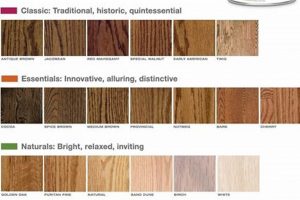
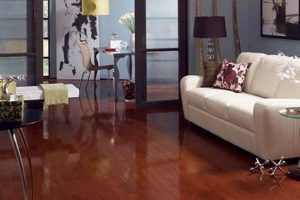
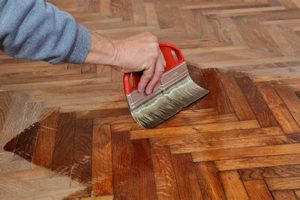
This flooring choice features planks derived from the red oak tree, exhibiting the wood’s inherent color and grain patterns. A transparent sealant is applied, preserving the wood’s original appearance rather than altering it with stains or pigments. The result is a surface that showcases the oak’s natural beauty, with variations in tone and texture remaining visible.
This approach to flooring offers several advantages. It provides a warm and inviting aesthetic, seamlessly integrating into diverse interior design styles. Historically, clear finishes have been favored for their durability and ability to highlight the wood’s unique character, creating a timeless and sophisticated ambiance. The absence of stain allows for easier refinishing in the future, as the original wood tone is preserved.
Subsequent sections will delve into specific considerations for maintaining this type of flooring, explore the various types of clear coatings available, and discuss the environmental impact of choosing sustainably harvested red oak.
Maintenance and Care Recommendations
The longevity and aesthetic appeal of this flooring depend heavily on proper maintenance. Consistent cleaning and preventative measures are essential to protect the surface from wear and damage.
Tip 1: Regular Dust Removal: Implement a consistent schedule for removing dust and debris. Use a microfiber mop or a vacuum cleaner with a soft brush attachment to prevent scratching the finish.
Tip 2: Immediate Spill Cleanup: Address spills immediately with a clean, absorbent cloth. Prolonged exposure to liquids can penetrate the finish and cause staining or warping of the wood.
Tip 3: Use Appropriate Cleaning Products: Employ cleaning solutions specifically designed for wood floors with polyurethane finishes. Avoid harsh chemicals, abrasive cleaners, and excessive water.
Tip 4: Strategic Mat Placement: Position mats at entryways to trap dirt and moisture from shoes. This reduces the amount of abrasive material tracked onto the floor surface.
Tip 5: Furniture Protection: Apply felt pads to the legs of furniture to prevent scratching and indentation. Regularly inspect and replace worn pads.
Tip 6: Humidity Control: Maintain consistent humidity levels within the home to minimize expansion and contraction of the wood. A humidifier or dehumidifier may be necessary depending on the climate.
Tip 7: Periodic Professional Refinishing: Consider professional refinishing every 7-10 years, or as needed, to restore the finish and address any accumulated wear and tear.
Adhering to these recommendations will contribute significantly to preserving the beauty and integrity of this flooring over time. Proactive care minimizes the need for extensive repairs and maintains the wood’s inherent luster.
The following section will explore the selection of compatible area rugs and discuss their role in protecting high-traffic areas and enhancing the overall design aesthetic.
1. Durability

Durability, a critical factor in flooring selection, is significantly influenced by the inherent properties of red oak and the type of finish applied. Red oak itself is a hardwood, known for its resistance to dents and scratches. The application of a transparent sealant, while showcasing the wood’s natural appearance, provides a protective layer against daily wear and tear. The specific sealant employed, its hardness, and the number of coats applied directly correlate with the floor’s ability to withstand abrasion, impact, and moisture penetration. A properly applied, high-quality finish can significantly extend the lifespan of the red oak floor.
However, the choice of a “natural finish” introduces a trade-off. Unlike darker stains, a clear coat offers less UV protection. Prolonged exposure to sunlight can cause the wood to lighten or yellow over time, a process that is more evident with a transparent finish. Furthermore, while the finish protects the wood, it is still susceptible to scratches and scuffs from sharp objects or heavy foot traffic. Regular maintenance, including dust removal and the prompt cleanup of spills, is crucial to preserving the finish and minimizing damage to the underlying wood. High-traffic areas may require more frequent refinishing to maintain their appearance and protective qualities.
In summary, while red oak offers inherent durability, the longevity of flooring with a transparent finish relies on the quality of the sealant, proper installation, and diligent maintenance. Understanding this relationship allows for informed decision-making, balancing the desired aesthetic with practical considerations of wear and longevity. Consistent upkeep is vital to mitigating the risks associated with UV exposure and surface damage, ensuring the floor retains its beauty and integrity for an extended period.
2. Aesthetics

Aesthetics constitute a primary consideration in flooring selection, playing a pivotal role in shaping the overall ambiance and design scheme of a space. With flooring showcasing a natural finish, aesthetic implications are particularly pronounced, directly influencing the perceived warmth, character, and visual appeal of the interior.
- Natural Grain Variation
The absence of stain accentuates the inherent grain patterns and color variations within the red oak. Each plank possesses a unique character, contributing to a floor that is both visually dynamic and authentically organic. This characteristic is often favored in designs aiming to evoke a sense of naturalness and rustic charm. Examples include minimalist Scandinavian interiors where the floor provides subtle texture and visual interest, or farmhouse-style homes where the wood’s natural imperfections contribute to a sense of lived-in comfort.
- Color Tone Warmth
Red oak, in its natural state, exhibits warm, reddish-brown tones. This inherent warmth can significantly influence the perceived temperature of a room, creating a more inviting and comfortable atmosphere. When paired with neutral color palettes, the floor provides a subtle contrast, adding depth and visual interest. The warmth of the wood complements earth-toned furnishings and natural materials, enhancing the overall cohesiveness of the design. Conversely, it can be used to soften the starkness of contemporary interiors, injecting a touch of organic warmth into minimalist spaces.
- Light Reflection
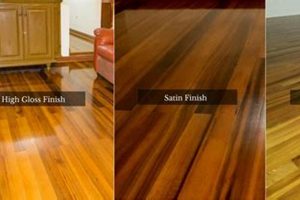
The finish applied to the floor directly impacts its light reflectivity. A matte or satin finish minimizes glare and creates a softer, more diffused light, contributing to a relaxed and inviting atmosphere. Conversely, a high-gloss finish reflects more light, creating a brighter and more modern aesthetic. The choice of finish should be carefully considered in relation to the room’s natural lighting conditions and the desired level of brightness. Rooms with limited natural light may benefit from a higher sheen finish to maximize light reflection, while rooms with abundant natural light may benefit from a matte finish to reduce glare.
- Versatility in Design Styles
The neutral palette inherent in flooring of this style renders it highly versatile, seamlessly integrating into a range of design aesthetics. It complements both traditional and contemporary styles, providing a neutral backdrop that allows other design elements to take center stage. It can be paired with a variety of furniture styles and color palettes, making it a flexible choice for evolving design preferences. This versatility is particularly appealing to homeowners who value the freedom to update their dcor without needing to replace their flooring.
The aesthetics stemming from utilizing this particular flooring solution are characterized by a harmonious balance between natural beauty and design flexibility. The wood’s inherent warmth, grain patterns, and light reflection characteristics contribute significantly to the overall ambiance of a space, while its neutral palette allows for seamless integration into diverse design styles. Understanding these aesthetic dimensions is crucial for making informed decisions that align with desired visual outcomes and personal preferences.
3. Maintenance

The necessity for consistent and appropriate maintenance stems directly from the inherent properties of red oak and the characteristics of a natural finish. Unlike flooring protected by dark stains which inherently offer UV protection and can conceal minor imperfections, flooring with a transparent sealant showcases the wood’s natural tone and grain, making it more susceptible to the effects of sunlight and revealing surface blemishes with greater clarity. Consequently, preventative care and routine cleaning become paramount to preserving the floor’s appearance and extending its lifespan. For example, neglecting regular dust removal can result in fine scratches from abrasive particles, gradually dulling the finish and diminishing the floor’s natural luster. Spills, if not addressed promptly, can seep into the wood, leading to staining or warping, necessitating costly repairs or refinishing.
The selection of cleaning products also plays a crucial role in proper upkeep. Harsh chemicals and abrasive cleaners can strip the protective sealant, leaving the wood vulnerable to damage. The implementation of entry mats to trap dirt and moisture and the application of felt pads to furniture legs are simple yet effective strategies for minimizing wear and tear. Furthermore, maintaining stable humidity levels within the home is essential to prevent excessive expansion and contraction of the wood, which can lead to cracking and gapping. In environments with fluctuating humidity, the use of a humidifier or dehumidifier may be necessary to mitigate these risks. Areas with heavy foot traffic will also likely require more frequent refinishing.
In summary, the relationship between flooring with a natural finish and its required maintenance is one of direct consequence. The inherent visibility of imperfections and susceptibility to environmental factors necessitates diligent care and the use of appropriate cleaning methods. While the initial investment in such flooring may be appealing due to its aesthetic qualities, the long-term preservation of its beauty relies on a commitment to consistent and proactive maintenance. Failure to address these needs can result in diminished appearance, increased repair costs, and a reduced lifespan for the flooring.
4. Cost

The economic considerations associated with flooring made of red oak and bearing a natural finish involve multiple facets, encompassing initial procurement expenses, installation fees, ongoing maintenance expenditures, and potential long-term replacement costs. The price of unfinished red oak lumber often falls within a moderate range relative to other hardwood species, rendering it a competitively priced option for many homeowners. However, the selection of a clear, protective coating adds to the overall material costs. Furthermore, installation labor charges may increase if the subfloor requires significant preparation to ensure a level and stable surface. Example: A homeowner opting for a natural-finish red oak floor in a 1,500 sq ft home can expect to spend on material costs of wood, finish, and sundries which will effect the bottomline.
Long-term cost considerations extend beyond the initial purchase and installation. Flooring requiring a natural finish, while highlighting the wood’s inherent character, necessitates a more diligent maintenance regimen to prevent staining, scratching, and UV-induced fading. The periodic application of maintenance coats or a complete refinishing may be required to preserve the floor’s aesthetic appeal and protective qualities, adding to the overall lifecycle cost. The frequency of these interventions depends on foot traffic, the quality of the finish applied, and the homeowner’s commitment to routine cleaning. For example, a household with pets or young children may require more frequent refinishing compared to a home occupied by adults only.
In summary, the economic implications of a natural-finish red oak floor extend beyond the initial purchase price. While the material costs are often competitive, the long-term maintenance requirements and potential for refinishing necessitate a comprehensive cost analysis. Homeowners must consider not only the upfront investment but also the ongoing expenses associated with preserving the floor’s appearance and extending its lifespan. Balancing initial cost considerations with long-term maintenance obligations is essential for informed decision-making and optimal value realization.
5. Installation

The successful installation of a floor featuring red oak with a natural finish is paramount to achieving both aesthetic appeal and long-term durability. Proper installation techniques mitigate potential issues arising from moisture, subfloor irregularities, and expansion/contraction cycles, directly influencing the floor’s longevity and performance.
- Subfloor Preparation
A level, clean, and dry subfloor is non-negotiable. Any imperfections, such as unevenness or moisture, will telegraph through the finished floor, leading to squeaking, cupping, or buckling. Moisture testing is critical; exceeding recommended moisture levels necessitates remediation before installation can proceed. Examples of inadequate preparation include installing over a damp concrete slab or a subfloor with protruding fasteners. The implications are significant, potentially requiring costly repairs or complete replacement.
- Acclimation
Red oak, like all wood, expands and contracts with changes in humidity. Acclimation involves allowing the wood to adjust to the ambient conditions of the installation environment for a specific period, typically several days. Failure to acclimate can result in gaps forming between planks during drier seasons or buckling during periods of high humidity. Proper acclimation minimizes these dimensional changes, ensuring a stable and aesthetically pleasing floor.
- Fastening Methods
The choice of fastening method, whether nailing, stapling, or gluing, directly impacts the floor’s stability and resistance to movement. Nailing or stapling is generally preferred for solid hardwood, while gluing is often used for engineered wood floors or installations over concrete. The correct fastener size and spacing are crucial to prevent cupping or loosening over time. Improper fastening can lead to squeaking, uneven surfaces, and premature failure of the floor.
- Expansion Gaps
Leaving adequate expansion gaps around the perimeter of the room and against fixed objects is essential to accommodate the natural expansion and contraction of the wood. These gaps allow the floor to move freely without putting pressure on walls or other structures, preventing buckling or cracking. The size of the expansion gap depends on the width of the room and the species of wood. Neglecting expansion gaps can result in significant structural damage to both the floor and the surrounding building elements.
These facets of installation, while seemingly disparate, are interconnected and critical to the overall success of a flooring project utilizing red oak with a natural finish. Proper subfloor preparation, acclimation, fastening techniques, and attention to expansion gaps are essential to mitigating potential issues and ensuring a long-lasting and aesthetically pleasing floor. These considerations highlight the importance of engaging qualified and experienced installers who possess the knowledge and skills necessary to execute the installation correctly, safeguarding the investment and maximizing the floor’s potential.
6. Sustainability

The concept of sustainability is increasingly relevant in flooring choices, demanding consideration of environmental impact and responsible resource management. A flooring solution that features red oak with a natural finish presents a unique intersection of environmental concerns and aesthetic preferences.
- Responsible Forestry Practices
The sourcing of red oak lumber directly impacts the sustainability of this flooring option. Lumber harvested from well-managed forests, certified by organizations such as the Forest Stewardship Council (FSC), ensures that trees are harvested responsibly, biodiversity is protected, and reforestation efforts are prioritized. Conversely, sourcing lumber from unsustainable sources contributes to deforestation and habitat loss. Example: A flooring manufacturer committed to sustainability might only source red oak from FSC-certified forests, demonstrating a commitment to responsible forestry practices. The implications include long-term forest health and the preservation of ecological balance.
- Low-VOC Finishes
Traditional floor finishes often contain volatile organic compounds (VOCs), which are released into the air during and after application, contributing to indoor air pollution and posing health risks. Opting for low- or zero-VOC finishes significantly reduces these emissions, improving indoor air quality and minimizing environmental impact. Example: A natural-finish red oak floor sealed with a water-based polyurethane finish with minimal VOC content promotes a healthier indoor environment. The implications extend to improved respiratory health and reduced contribution to smog formation.
- Life Cycle Assessment
A comprehensive life cycle assessment (LCA) evaluates the environmental impact of a flooring product from cradle to grave, considering factors such as resource extraction, manufacturing, transportation, installation, use, and disposal. This assessment provides a holistic view of the product’s environmental footprint and identifies opportunities for improvement. Example: An LCA of a flooring option featuring red oak with a natural finish might reveal that transportation from the mill to the point of sale is a significant contributor to greenhouse gas emissions, prompting the manufacturer to explore more localized sourcing options. The implications involve minimizing overall environmental impact and promoting more sustainable business practices.
- Durability and Longevity
The durability of a flooring option directly influences its sustainability. A floor that is prone to damage or requires frequent replacement has a higher environmental impact than a floor that is durable and long-lasting. Red oak, with its inherent hardness and resistance to wear, offers a relatively durable flooring option, particularly when properly maintained. Example: Flooring well-maintained might last for decades, reducing the need for replacement and conserving resources. The implications include reduced waste generation and minimized environmental impact over the long term.
These considerations collectively underscore the complexities of evaluating the sustainability of flooring solution. While red oak itself is a renewable resource, responsible sourcing, low-VOC finishes, life cycle assessments, and durability all contribute to a more sustainable flooring option. The integration of these factors into decision-making promotes environmentally conscious choices and supports the long-term health of both the environment and the occupants of the space.
Frequently Asked Questions About Red Oak Flooring with a Natural Finish
This section addresses common inquiries and misconceptions regarding flooring crafted from red oak and treated with a transparent sealant, offering clarity on its characteristics, maintenance, and suitability.
Question 1: Is this flooring suitable for high-traffic areas?
Red oak is a hardwood known for its durability. However, the longevity in high-traffic areas depends on the quality of the finish applied and the consistency of maintenance practices. Regular cleaning and the prompt addressing of spills are crucial to preserving the floor’s integrity.
Question 2: How does a natural finish impact the color of the wood over time?
Exposure to ultraviolet light can cause the wood to lighten or yellow over time. This effect is more pronounced with a transparent sealant compared to floors stained with darker pigments. Strategies to mitigate this include the use of UV-resistant finishes and the implementation of window treatments to reduce sunlight exposure.
Question 3: What is the recommended cleaning protocol for this type of flooring?
The use of cleaning products specifically designed for wood floors with polyurethane finishes is advised. Harsh chemicals, abrasive cleaners, and excessive water should be avoided. Regular dust removal with a microfiber mop is essential.
Question 4: Can scratches and dents be repaired?
Minor scratches can often be addressed with touch-up kits or by applying additional coats of finish. Deeper dents may require professional repair techniques, such as steaming or wood filler. The extent of the damage dictates the appropriate repair method.
Question 5: Is this flooring compatible with radiant heating systems?
While compatible with radiant heating, specific installation guidelines must be followed to prevent warping or cracking. The wood must be properly acclimated, and the heating system should be gradually introduced to avoid abrupt temperature changes.
Question 6: What are the long-term maintenance costs associated with this flooring?
Long-term costs include routine cleaning supplies, periodic application of maintenance coats, and potential refinishing every 7-10 years, or as needed. The frequency of refinishing depends on foot traffic and the effectiveness of preventative maintenance measures.
The answers provided offer a foundational understanding of flooring composed of red oak and enhanced with a transparent sealant. Prioritizing maintenance and understanding the inherent properties of the wood are crucial for sustained satisfaction.
The following section will explore design considerations for complementing this flooring with suitable furniture and dcor elements.
Conclusion
This examination of flooring derived from red oak and bearing a natural finish has illuminated critical aspects influencing its selection, installation, maintenance, and long-term viability. The analysis has underscored the importance of considering factors such as wood sourcing, finish selection, subfloor preparation, and routine care to maximize the floor’s aesthetic appeal and extend its lifespan. Furthermore, it has emphasized the need to balance aesthetic preferences with practical considerations of durability, maintenance, and overall cost.
The informed application of these insights allows for a strategic decision-making process, ensuring that a flooring investment featuring red oak with a natural finish yields sustained value and satisfaction. Continued diligence in maintenance practices and adherence to recommended installation protocols will contribute significantly to the long-term preservation of its inherent beauty and structural integrity. The enduring relevance of this flooring option lies in its capacity to combine natural aesthetics with functional performance, contingent upon a thorough understanding and implementation of best practices.