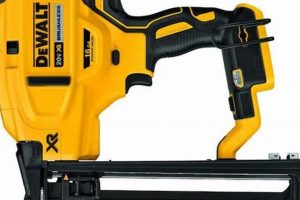
The process encompasses diagnostics, troubleshooting, and restoration of a specific pneumatic fastening tool designed for driving 16-gauge straight finish nails, manufactured by Milwaukee Tool. This procedure is required when the tool malfunctions, leading to inconsistent nail driving, air leaks, or complete operational failure. Addressing such issues involves careful examination of internal components, including the piston, O-rings, and driver blade, followed by cleaning, part replacement, and reassembly to ensure proper function.
Proper maintenance and timely attention to malfunctions of this equipment are crucial for professionals in carpentry, woodworking, and construction. A functioning tool ensures efficiency, reduces material waste caused by misfired nails, and maintains a high standard of finish quality in projects. Historically, pneumatic nailers revolutionized fastening processes, offering increased speed and precision compared to manual methods; therefore, keeping them operational contributes to productivity gains in related trades.
The following sections will detail common problems encountered during the servicing of this specific tool, provide step-by-step guidance on diagnostic procedures, outline the necessary tools and materials for repair, and offer preventative maintenance strategies to extend the equipment’s lifespan.
Servicing Procedures
This section outlines best practices for maintaining the operational integrity of the specified pneumatic tool.
Tip 1: Consistent Lubrication: Employ a high-quality pneumatic tool oil daily, injecting a few drops into the air inlet. This minimizes internal friction and wear on critical components such as the piston and O-rings.
Tip 2: Air Compressor Maintenance: Ensure the air compressor delivering power to the tool is regularly drained of moisture. Excess water in the air line can cause corrosion and damage the nailer’s internal mechanisms.
Tip 3: Regular Cleaning: Periodically disassemble and clean the nailer, removing any accumulated debris, nail fragments, or dried lubricant. This prevents jamming and ensures smooth operation.
Tip 4: O-Ring Inspection and Replacement: Inspect O-rings for signs of wear, cracking, or damage. Replace them as needed with manufacturer-recommended replacements to maintain proper air seal.
Tip 5: Fastener Quality: Use only recommended 16-gauge straight finish nails that meet the tool’s specifications. Incorrect fasteners can cause jamming and damage the driver blade.
Tip 6: Air Pressure Regulation: Operate the tool within the manufacturer-specified air pressure range. Excessive pressure can lead to premature wear and damage, while insufficient pressure results in misfires.
Tip 7: Driver Blade Examination: Inspect the driver blade for signs of bending, chipping, or wear. A damaged driver blade can cause inconsistent nail driving and should be replaced promptly.
Adherence to these maintenance procedures ensures the tool maintains its functionality, enhances performance, and extends its operational lifespan, contributing to improved productivity and reduced downtime.
The subsequent section addresses frequently asked questions about the proper care and troubleshooting strategies for this particular model.
1. Diagnostics

The diagnostic process is fundamental to addressing malfunctions and maintaining the operational efficiency of the Milwaukee 16g straight finish nailer. A systematic approach to problem identification allows for targeted repairs and minimizes unnecessary component replacement, ultimately reducing downtime and costs.
- Air Leak Identification
Air leaks are a common issue, manifesting as reduced power or the tool’s inability to cycle properly. Diagnostic procedures involve inspecting air fittings, hoses, and internal seals using soapy water to locate the source of the leak. Repair requires replacing damaged O-rings or fittings. Unaddressed air leaks lead to increased air compressor usage and decreased tool performance.
- Fastener Jamming Analysis
Inconsistent nail feeding or fastener jams necessitate a thorough examination of the nail magazine and driver assembly. Diagnostics involve visually inspecting the magazine for obstructions and verifying the proper alignment of the driver blade. Adjustments or cleaning may resolve the issue. Persistent jamming can indicate a damaged magazine or driver blade requiring replacement.
- Piston and Cylinder Inspection
Reduced power or a complete lack of function may stem from issues within the piston and cylinder assembly. Diagnostic steps include disassembling the nailer and inspecting the piston for wear, scoring, or damage to the piston seal. The cylinder should be examined for scratches or deformities. Replacement of the piston or cylinder may be necessary. Failure to address these issues results in irreparable tool damage.
- Trigger and Firing Mechanism Assessment
A non-responsive trigger or inconsistent firing behavior requires assessment of the trigger valve and firing mechanism. Diagnostics involve checking for obstructions, corrosion, or damage to the trigger valve and associated linkages. Cleaning, lubrication, or component replacement may be required. A malfunctioning trigger mechanism renders the nailer unusable and poses a safety hazard.
These diagnostic facets represent critical aspects of troubleshooting malfunctions in the Milwaukee 16g straight finish nailer. Accurate and methodical diagnostics enable targeted repairs, maximizing the tool’s lifespan and ensuring consistent performance in professional applications.
2. Component Replacement
Component replacement is an essential facet of maintaining and restoring the functionality of the Milwaukee 16g straight finish nailer. Malfunctions within the tool frequently originate from the degradation or failure of specific components, such as O-rings, driver blades, pistons, or trigger mechanisms. Addressing these issues necessitates the identification of the faulty component and its subsequent replacement with a new or refurbished part to restore optimal operating conditions. For instance, consistent use can cause O-rings to dry out and crack, leading to air leaks and a reduction in the tool’s driving power. Replacing these worn O-rings restores the tool’s pneumatic seal, ensuring consistent nail firing and efficient operation.
The effectiveness of the repair process is directly tied to the selection of appropriate replacement components. Employing manufacturer-recommended parts or high-quality equivalents is crucial for ensuring compatibility and durability. Substituting generic or inferior components can lead to premature failure, compromised performance, and potentially damage other parts within the nailer. For example, using an improperly hardened driver blade can result in bending or breakage under normal operating conditions, requiring further repairs and increasing downtime. Therefore, proper component assessment and part selection are paramount.
In summary, component replacement forms a critical part of a comprehensive maintenance strategy for the Milwaukee 16g straight finish nailer. Accurate diagnosis, coupled with the use of quality replacement parts, is essential for restoring tool functionality and preventing recurring issues. This approach ensures the tool maintains its performance standards, contributing to increased productivity and reduced overall costs associated with tool maintenance.
3. Air System Integrity
Air system integrity is paramount to the proper functioning and longevity of a pneumatic nailer such as the Milwaukee 16g straight finish nailer. The tool relies entirely on compressed air to drive fasteners; therefore, any compromise to the air system directly impacts its performance and necessitates repair. For example, an air leak within the tool’s internal seals or at connection points results in reduced driving power, inconsistent nail depth, and increased air compressor cycling. This inefficiency not only affects work quality but also accelerates wear on the compressor, leading to further maintenance requirements.
The significance of air system integrity extends beyond the nailer itself. The quality of the compressed air delivered to the tool is equally crucial. Contaminants, such as water and oil, present in the air supply can corrode internal components, degrade seals, and cause malfunctions. Regularly draining the air compressor’s tank and utilizing an inline air filter/regulator is vital for maintaining a clean and dry air supply. Failure to do so can lead to premature failure of the nailer’s internal components, requiring extensive repair or even replacement. Consider the case of a carpenter using the tool in a humid environment without proper air filtration; the accumulated moisture within the nailer quickly leads to rust formation on the piston and cylinder, rendering the tool inoperable.
In conclusion, maintaining air system integrity is not merely a preventative measure but a fundamental aspect of ensuring the reliable operation of the Milwaukee 16g straight finish nailer. Addressing air leaks promptly, ensuring a clean and dry air supply, and regularly inspecting air lines and fittings are essential for preventing costly repairs and maximizing the tool’s lifespan. A proactive approach to air system maintenance is, therefore, a critical element of responsible tool ownership and professional practice.
4. Lubrication Procedures

Appropriate lubrication is critical to the longevity and operational efficiency of the Milwaukee 16g straight finish nailer. Neglecting lubrication, or employing incorrect lubrication methods, directly contributes to premature wear, reduced performance, and the need for subsequent servicing or repair. This section details the essential aspects of lubrication procedures relevant to maintaining the tool’s functionality.
- Importance of Pneumatic Tool Oil
Pneumatic tool oil, specifically formulated for air-powered tools, is essential for reducing friction between moving parts within the nailer, such as the piston and cylinder. This specialized oil contains additives that prevent corrosion and resist the formation of sludge, which can impede operation. A lack of appropriate pneumatic tool oil leads to increased friction, elevated operating temperatures, and accelerated wear of internal components. This directly increases the likelihood of component failure and necessitates repairs. For instance, consistent use without proper lubrication results in scoring of the cylinder walls, requiring replacement of the entire cylinder assembly.
- Application Methods and Frequency
The recommended method for lubricating the Milwaukee 16g straight finish nailer involves introducing a few drops of pneumatic tool oil into the air inlet before each use. Some users may opt for an inline oiler installed in the air hose, providing continuous lubrication during operation. However, it is essential to monitor the oiler to ensure it is dispensing the correct amount of lubricant. Over-oiling can cause residue buildup and contribute to other operational issues. The frequency of lubrication should also be increased in high-use environments or in conditions where the tool is exposed to excessive dust or moisture.
- Consequences of Improper Lubrication
The use of incorrect lubricants, such as general-purpose oils or penetrating oils, is detrimental to the tool’s performance and lifespan. These lubricants often lack the necessary viscosity and additives to provide adequate protection against wear and corrosion. Furthermore, some lubricants can degrade rubber seals and O-rings, leading to air leaks and a loss of power. The use of inappropriate lubricants directly contributes to the need for more frequent repairs and can ultimately result in irreversible damage to the nailer’s internal components. An example is the swelling and eventual failure of O-rings caused by the use of non-compatible oils, which necessitates a complete O-ring replacement to restore proper functioning.
- Impact on Component Lifespan
Consistent and proper lubrication significantly extends the lifespan of critical components within the nailer. Adequate lubrication reduces friction and wear, minimizing the stress on moving parts. This translates to fewer instances of component failure, reduced downtime, and lower overall maintenance costs. For example, a well-lubricated piston and cylinder assembly will maintain a proper seal and exhibit minimal wear, allowing the tool to operate efficiently for an extended period. Conversely, neglecting lubrication results in accelerated wear, premature component failure, and the need for more frequent servicing and parts replacement. This directly increases the total cost of ownership and reduces the tool’s overall value.
In summary, the correlation between appropriate lubrication procedures and the need for Milwaukee 16g straight finish nailer repair is direct and significant. Adherence to recommended lubrication practices, including the use of pneumatic tool oil, proper application methods, and avoidance of inappropriate lubricants, is essential for maintaining the tool’s functionality, extending its lifespan, and minimizing the potential for costly repairs.
5. Preventative Measures

Proactive maintenance strategies significantly reduce the frequency and severity of malfunctions in pneumatic tools, directly mitigating the necessity for servicing. Consistent adherence to preventative measures minimizes wear, prevents component degradation, and ensures optimal performance, thereby lowering the likelihood of requiring intervention.
- Regular Cleaning and Inspection
Routine cleaning removes debris, dust, and accumulated grime that can impede the tool’s mechanical operation. Visual inspections detect early signs of wear, damage, or loose components. This process allows for timely intervention, such as tightening fasteners or replacing worn parts before they cause a complete failure. For instance, regular cleaning of the nail magazine prevents jams and ensures smooth nail feeding, reducing stress on the driving mechanism.
- Proper Lubrication Practices
Consistent and appropriate lubrication reduces friction between moving parts, minimizing wear and extending the life of critical components, such as the piston and cylinder. The use of pneumatic tool oil, applied regularly to the air inlet, ensures smooth operation and prevents corrosion. Failure to lubricate properly leads to increased friction, overheating, and accelerated wear, increasing the probability of internal damage and the need for repairs.
- Air System Maintenance
Maintaining a clean and dry air supply is crucial for preventing internal corrosion and damage. Regularly draining the air compressor tank and utilizing an inline air filter/regulator removes moisture and contaminants from the air stream. These contaminants can degrade seals, corrode internal components, and reduce the tool’s overall performance. Implementing these measures significantly reduces the risk of internal component failure and the associated repair costs.
- Correct Storage Procedures
Proper storage protects the tool from environmental factors, such as moisture, dust, and extreme temperatures, that can contribute to corrosion, component degradation, and overall reduced lifespan. Storing the nailer in a clean, dry environment, preferably in a protective case, minimizes exposure to these elements. Incorrect storage practices, such as leaving the tool exposed to the elements or storing it in a damp environment, accelerates wear and increases the likelihood of requiring repair.
The consistent application of these preventative measures serves as a proactive strategy for minimizing the need for maintenance on pneumatic tools. By addressing potential issues before they escalate, adhering to these practices reduces the likelihood of critical component failure, extending the tool’s lifespan, and ensuring consistent performance in professional applications. This proactive approach translates to reduced downtime, lower maintenance costs, and increased productivity.
Frequently Asked Questions
This section addresses common inquiries regarding the upkeep, troubleshooting, and potential servicing of the specified pneumatic fastening tool.
Question 1: What constitutes evidence of a malfunctioning driver blade?
Indications include inconsistent nail depth, bent or broken nail shanks, and visible damage such as bending, chipping, or cracking on the blade itself. Furthermore, the nailer may fail to fully recess the nail head into the material.
Question 2: How frequently should pneumatic tool oil be applied?
Pneumatic tool oil should be introduced into the air inlet prior to each use. In environments with high usage, or significant dust and debris, more frequent lubrication may be required to maintain optimal performance.
Question 3: What are the potential consequences of utilizing an air compressor without a functioning water separator?
The introduction of moisture into the nailer’s internal mechanisms can lead to corrosion, rust formation, and the degradation of O-rings and seals. This results in reduced power, air leaks, and premature component failure.
Question 4: Which factors contribute to premature O-ring failure?
Contributing factors include inadequate lubrication, the use of incompatible lubricants, exposure to extreme temperatures, and the presence of contaminants in the air supply. Physical damage during assembly can also compromise O-ring integrity.
Question 5: What diagnostic steps should be taken when a nailer consistently misfires?
The diagnostic process should include an assessment of the air pressure, inspection of the nail magazine for proper loading and alignment, examination of the driver blade for damage, and verification of the trigger mechanism’s functionality.
Question 6: What role does fastener quality play in preventing tool malfunctions?
Using fasteners that do not meet the nailer’s specifications, or fasteners that are damaged or bent, can cause jamming, damage to the driver blade, and inconsistent nail driving. Only manufacturer-recommended or equivalent quality fasteners should be used.
These FAQs highlight critical aspects of maintenance and troubleshooting. Understanding these factors can prolong the tool’s life and optimize performance.
The subsequent section provides guidelines for selecting qualified service technicians.
Milwaukee 16g Straight Finish Nailer Repair
This exploration of milwaukee 16g straight finish nailer repair underscores the multifaceted nature of maintaining pneumatic fastening tools. From preventative lubrication to meticulous diagnostics and component replacements, the discussed procedures are essential for sustaining operational efficiency. The integrity of the air system and the quality of consumables further influence tool performance and longevity.
Proficient execution of milwaukee 16g straight finish nailer repair not only restores functionality but also safeguards the investment in professional-grade equipment. Prioritizing proper maintenance protocols and addressing malfunctions promptly will minimize downtime, maximize tool lifespan, and contribute to consistent project outcomes. Continued vigilance and adherence to recommended procedures remain crucial for optimal tool performance and reduced long-term operational costs.