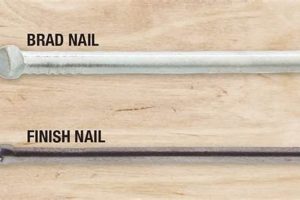
These slender fasteners, often employed in woodworking and trim carpentry, possess a specific diameter indicated by their gauge number. A higher gauge signifies a thinner nail. Consequently, these nails leave a smaller hole, which is especially advantageous when concealment is paramount. They find common use in applications such as attaching delicate moldings, securing cabinet face frames, and installing fine trim work where minimizing visual impact is essential. An example includes attaching shoe molding to a baseboard where a virtually invisible fastening solution is desired.
Their significance stems from the ability to provide a secure hold without detracting from the aesthetic appeal of the finished product. Historically, the preference for these fasteners grew alongside advancements in woodworking techniques that emphasized clean lines and seamless transitions. They provide a balance between holding power and minimal surface disruption. This attribute is particularly valuable in projects involving expensive hardwoods or intricate designs, ensuring the integrity of the piece while maintaining its visual elegance.
The following sections will delve further into the selection criteria, optimal usage techniques, and safety considerations associated with these specialized fasteners, providing a comprehensive guide for both professional carpenters and DIY enthusiasts.
Tips for Optimal Usage
The effective use of these fasteners hinges on selecting the appropriate length and employing proper driving techniques to ensure a secure and aesthetically pleasing finish.
Tip 1: Select the Correct Length: Choosing the correct length is paramount. The fastener should penetrate at least two-thirds of the way into the underlying material to ensure adequate holding power. For instance, when attaching 1/2-inch trim to a solid wood surface, a 1 1/4-inch nail is generally suitable.
Tip 2: Utilize a Nail Set: To avoid marring the surrounding wood surface, employ a nail set to countersink the head of the fastener slightly below the surface. This allows for a seamless filling of the resulting hole. A pilot test should be undertaken to determine the required depth.
Tip 3: Adjust Air Pressure on Nail Guns: When using a pneumatic nail gun, carefully adjust the air pressure to prevent overdriving or underdriving the fasteners. Too much pressure can result in the nail penetrating too deeply, leaving an unsightly mark. Insufficient pressure can leave the nail protruding, which will need to be addressed.
Tip 4: Consider Grain Direction: When fastening into wood, pay attention to the grain direction. Driving these fasteners parallel to the grain can increase the risk of splitting the wood, particularly in hardwoods. Angling the nail slightly against the grain can mitigate this risk.
Tip 5: Pre-Drilling Pilot Holes: In dense hardwoods or when working near the edge of a board, pre-drilling pilot holes can prevent splitting and ensure the nail enters straight. The pilot hole should be slightly smaller than the diameter of the nail shank.
Tip 6: Check for Consistent Head Depth: Periodically inspect the depth of the nail heads after each drive, especially when using a nail gun. Inconsistent depths can indicate an adjustment is needed on the tool or that the wood density is varying.
Tip 7: Use Appropriate Safety Gear: Eye protection is a necessity when using pneumatic nailers. Errant projectiles are a real hazard when using compressed air. It’s also good practice to wear hearing protection to prevent hearing loss in the long term.
Implementing these tips will enhance both the structural integrity and the visual quality of projects, ensuring the fasteners perform their intended function without compromising the finished appearance.
The concluding sections will address common challenges, troubleshooting advice, and maintenance tips related to equipment involved. This will support the reader in ensuring longevity and consistent performance.
1. Material

The material composition of these fasteners directly influences their strength, durability, and suitability for various applications. Steel, stainless steel, and copper are common choices, each offering distinct properties. Steel provides a high degree of strength but is susceptible to corrosion without protective coatings. Stainless steel offers superior corrosion resistance, making it ideal for humid environments or outdoor applications. Copper, while softer than steel, is highly resistant to corrosion and possesses aesthetic appeal, often used in decorative trim work. A steel nail used in an outdoor application without a protective coating will rust, potentially weakening the connection and staining the surrounding wood.
The selection of material must align with the specific demands of the project. For instance, when installing trim in a bathroom, stainless steel fasteners are preferable due to the elevated humidity levels. Similarly, in marine environments, copper or specialized marine-grade stainless steel variants are essential to prevent premature failure. Failure to consider the corrosive potential of the environment can lead to premature fastener degradation, resulting in structural instability and costly repairs. For projects where fastener visibility is a concern, material selection can also impact aesthetics. Copper nails offer a warm, natural aesthetic that complements certain wood types.
In summary, the material composition represents a crucial factor in determining the longevity and performance of these fasteners. Careful consideration of the application environment and desired aesthetic qualities ensures the selection of a material that provides both structural integrity and visual appeal. Overlooking material properties can lead to compromised structural integrity, necessitating corrective measures and increased project costs.
2. Length

The length of these fasteners is a critical parameter influencing the strength and stability of a joint. Selection must be based on the combined thickness of the materials being joined to ensure adequate penetration into the substrate.
- Holding Power and Penetration Depth
The fastener’s length directly affects its holding power. Insufficient length results in inadequate penetration into the underlying material, leading to a weak joint prone to failure. Conversely, excessive length can cause the nail to protrude through the back of the material, creating an unsightly and potentially hazardous condition. A minimum penetration depth of two-thirds into the receiving material is generally recommended to achieve a secure bond. For example, when attaching 1/2-inch trim to a 3/4-inch substrate, a 1 1/4-inch length would be appropriate.
- Material Thickness Considerations
The combined thickness of the materials being joined dictates the minimum acceptable nail length. A length that is too short will not adequately engage the substrate, compromising the integrity of the connection. The calculation should account for both the material being attached and the material receiving the fastener. A common mistake is to only consider the thickness of the top layer, neglecting the necessary penetration into the base material. This oversight can lead to joints that fail under stress.
- Avoiding Clinching and Protrusion
Selecting the correct length minimizes the risk of the nail protruding through the backside of the material, which is particularly important in finished surfaces. Protruding nails create a safety hazard and detract from the aesthetic quality of the work. Similarly, excessive length can cause the nail to bend or clinch within the wood, reducing its holding power. Precise measurement and consideration of material thickness are essential to avoid these issues.
- Impact on Visual Appearance
While primarily a structural consideration, length also influences the final visual appearance. Nails that are too short may not be fully concealed by wood filler or paint, resulting in visible defects. Nails that are excessively long, even when countersunk, may create larger holes that require more extensive filling. Optimal length ensures a clean, professional finish with minimal visible evidence of the fastening.
In summary, careful consideration of material thickness, desired holding power, and aesthetic considerations is paramount when selecting the appropriate length. Incorrect length selection can compromise the structural integrity of the joint, diminish the visual appeal of the finished product, and increase the risk of injury. Accurate assessment and adherence to established guidelines are essential for achieving optimal results with these fasteners.
3. Head Type

The head type of a 16 gauge finishing nail directly influences its intended application and the resulting aesthetic of the finished project. Variations in head design offer specific advantages in terms of concealment, holding power, and ease of setting. Choosing the appropriate head type is crucial for achieving a secure and visually appealing result.
- Brad Head
Brad heads are characterized by their minimal size, designed to be nearly invisible once set. These are ideal for delicate trim work and applications where concealment is paramount. A common example is attaching small decorative moldings to furniture. Due to their small surface area, brad heads offer limited holding power, making them unsuitable for structural applications. The primary advantage lies in their ability to minimize the appearance of the fastener, allowing the wood’s natural beauty to take precedence.
- Slightly Countersunk Head
Slightly countersunk heads are designed to be set flush with or slightly below the surface of the material. This allows for easy filling and sanding, creating a seamless finish. These heads offer a balance between holding power and concealment, making them versatile for various applications, such as attaching baseboards or door casings. Their design facilitates efficient filling with wood putty or similar compounds, ensuring a smooth, paintable surface. The slight recess provided by the countersunk design also helps prevent the nail from protruding over time.
- Headless
So-called “headless” or pin nails, lack a traditional head and are designed to be driven completely into the material. Pin nails are usually 23 gauge, but the principle applies to 16 gauge fasteners where the head is very small. They are often used for temporary fastening or in situations where minimal visual impact is required, such as holding intricate pieces together while glue dries. Their primary drawback is limited holding strength, making them unsuitable for load-bearing applications.
- T-Head
T-heads have a perpendicular bar sitting above the nail shank. This allows them to be driven into a surface material with the majority of the head hidden. The slight remainder of the T-Head can be cut or filled in, and gives the nail additional holding power. This allows for the nail to carry more load than a brad head, while still retaining much of the ability to have the fastener be unnoticed.
In summary, the choice of head type significantly impacts the functionality and appearance of projects involving 16 gauge finishing nails. Selecting the appropriate head requires careful consideration of the desired balance between holding power, concealment, and ease of finishing. Understanding the characteristics of each head type allows for informed decisions that contribute to a professional and aesthetically pleasing result. The selection directly influences the structural integrity and visual harmony of the finished product, emphasizing the importance of careful consideration during the planning phase.
4. Driving Method

The driving method employed significantly impacts the performance and aesthetic outcome when utilizing 16 gauge finishing nails. The choice between manual and pneumatic methods influences precision, efficiency, and the potential for damage to the surrounding material. A thorough understanding of each method is essential for optimal results.
- Manual Hammering
Manual hammering involves the direct application of force using a hammer to drive the nail. This method provides a high degree of control, allowing for precise placement and depth adjustment. It is particularly suitable for delicate work where minimizing the risk of splitting or damaging the wood is paramount. However, manual hammering is a slower and more labor-intensive process, less suitable for large-scale projects or repetitive tasks. Examples include intricate trim work or attaching small moldings where precision is more important than speed. Improper technique can easily lead to bent nails or surface damage.
- Pneumatic Nail Guns
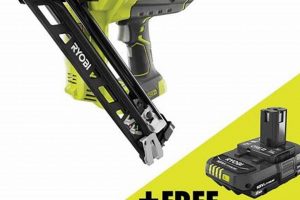
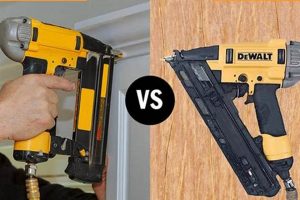
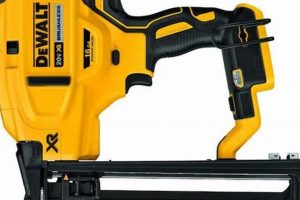
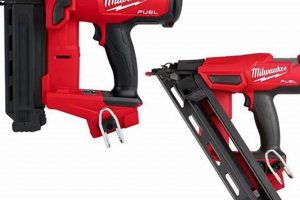
Pneumatic nail guns utilize compressed air to drive the nail, significantly increasing speed and efficiency. These tools are ideal for large projects or repetitive tasks, such as installing baseboards or door casings. However, they offer less control than manual hammering, increasing the risk of overdriving the nail or splitting the wood. Adjusting the air pressure and using a depth control setting can mitigate these risks. Pneumatic nail guns are a common choice for professional carpenters due to their speed and ease of use, allowing for rapid completion of tasks.
- Considerations for Wood Type
The choice of driving method should also consider the type of wood being used. Hardwoods, such as oak or maple, are more prone to splitting and may require pre-drilling pilot holes, regardless of the driving method. Softwoods, such as pine or fir, are more susceptible to damage from overdriving. When working with hardwoods, manual hammering or a pneumatic nail gun with careful pressure adjustment is recommended. For softwoods, a pneumatic nail gun with a depth control setting can help prevent damage.
The selection of the appropriate driving method is therefore a critical decision, influenced by factors such as project scale, material type, and desired level of precision. While pneumatic nail guns offer speed and efficiency, manual hammering provides greater control and minimizes the risk of damage, particularly in delicate applications. A balanced approach, considering the specific requirements of each project, is essential for achieving optimal results with 16 gauge finishing nails.
5. Coating
Coatings applied to these fasteners significantly influence their corrosion resistance, ease of driving, and compatibility with different materials. The selection of an appropriate coating is critical for ensuring the longevity and performance of the installed fasteners, particularly in environments prone to moisture or chemical exposure.
- Galvanization
Galvanization involves coating the steel nail with a layer of zinc, providing sacrificial corrosion protection. If the coating is scratched or damaged, the zinc will corrode preferentially to the steel, preventing rust. Galvanized nails are commonly used in outdoor applications or in areas with high humidity. However, galvanized coatings can react with certain wood preservatives, potentially leading to premature coating failure. Hot-dipped galvanization offers a thicker and more durable coating compared to electrogalvanization.
- Polymer Coatings
Polymer coatings provide a barrier between the steel and the surrounding environment, offering resistance to corrosion and chemical attack. These coatings also reduce friction during driving, making the nail easier to install. Polymer-coated nails are often color-matched to the trim or siding, enhancing the aesthetic appearance of the finished project. The durability of polymer coatings varies depending on the specific polymer used, with some being more resistant to abrasion and UV exposure than others.
- Phosphate Coating
Phosphate coatings, often dark gray or black in appearance, provide a slightly improved surface for paint adhesion and offer mild corrosion resistance. These coatings are typically used in interior applications where exposure to moisture is limited. Phosphate coatings are less durable than galvanization or polymer coatings and are more susceptible to rusting in humid environments. However, their enhanced paint adhesion makes them suitable for projects where a painted finish is desired.
- Bright Finish (Uncoated)
Bright finish nails lack any protective coating and are primarily intended for interior applications where corrosion is not a significant concern. These nails are generally less expensive than coated alternatives but offer minimal resistance to rust or other forms of corrosion. The lack of a coating can also make them more difficult to drive, particularly in hardwoods. Bright finish nails are commonly used for temporary fastening or in applications where the fastener will be concealed and protected from the environment.
In summary, the choice of coating for these fasteners represents a critical decision that influences their long-term performance and suitability for specific applications. Considerations should include the environmental conditions, the type of wood being used, and the desired aesthetic appearance of the finished project. Selecting an appropriate coating ensures that the fasteners provide a secure and durable connection while minimizing the risk of corrosion or other forms of degradation. The long-term structural integrity of the work piece is often ensured with an adequate coating.
6. Application

The intended application dictates the selection of appropriate gauge, length, head type, coating, and driving method for 16 gauge finishing nails. Matching the fastener to the task is crucial for structural integrity and aesthetic outcome. Diverse applications necessitate tailored approaches to ensure optimal performance and prevent premature failure.
- Trim Carpentry
Trim carpentry, encompassing baseboards, door casings, and decorative moldings, demands fasteners that provide a secure hold while minimizing visibility. In this context, 16 gauge finishing nails offer a balance between holding power and a small head size, allowing for easy concealment with wood filler and paint. For instance, attaching shoe molding often necessitates a fastener that can penetrate both the molding and the baseboard without splitting the wood. The application further influences the choice of head type, where brad heads are favored for their near invisibility.
- Cabinetry
In cabinet construction, 16 gauge finishing nails are frequently used for assembling face frames, attaching cabinet backs, and securing drawer fronts. These nails provide adequate holding power for these non-structural elements, while their smaller diameter reduces the risk of splitting the wood, particularly when working with hardwoods. Selecting the correct length is critical in this application to avoid protruding through the back of the cabinet or drawer. The coating is also an important consideration, with galvanized or polymer-coated nails preferred in areas prone to moisture.
- Furniture Making
Furniture making often involves intricate joinery and delicate materials. 16 gauge finishing nails can be employed for temporary fastening during glue-up or for attaching non-structural elements, such as decorative trim. The choice of nail length and driving method is crucial to avoid damaging the wood. Manual hammering provides greater control and reduces the risk of splitting, while a brad head ensures minimal visual impact. The application might also involve pre-drilling pilot holes in denser woods to ensure smooth nail insertion and prevent cracking.
- Staircase Construction
While not typically used for structural components of staircases, 16 gauge finishing nails find application in attaching decorative elements, such as handrail moldings or shoe molding along the treads. These nails provide a secure hold without compromising the aesthetic appeal of the staircase. Careful selection of nail length and a countersinking technique are essential to create a seamless finish. Polymer-coated nails that match the color of the wood can further enhance the visual integration of the fasteners.
Each application presents unique demands that necessitate careful consideration of the properties of 16 gauge finishing nails. From the delicate precision of trim carpentry to the structural considerations of cabinetry, the selection of appropriate fasteners is paramount for achieving durable and visually appealing results. Disregarding the specific requirements of the application can lead to compromised structural integrity, aesthetic flaws, and ultimately, project failure.
Frequently Asked Questions
The following questions address common inquiries and misconceptions surrounding the use of 16 gauge finishing nails in various applications.
Question 1: What is the primary advantage of using 16 gauge finishing nails compared to larger gauge nails?
16 gauge finishing nails create a smaller hole, resulting in less visible evidence of the fastener. This is particularly advantageous in applications where aesthetics are a primary concern.
Question 2: Are 16 gauge finishing nails suitable for structural applications?
16 gauge finishing nails are generally not recommended for structural applications where high load-bearing capacity is required. Their smaller diameter limits their holding power. They are best suited for trim work, cabinetry, and other non-structural elements.
Question 3: What factors should be considered when selecting the appropriate length of 16 gauge finishing nails?
The length should be determined by the combined thickness of the materials being joined, ensuring adequate penetration into the substrate. A general rule of thumb is to select a length that allows for at least two-thirds of the nail to penetrate the receiving material.
Question 4: What type of coating is recommended for 16 gauge finishing nails used in outdoor applications?
Galvanized or stainless steel 16 gauge finishing nails are recommended for outdoor applications to provide corrosion resistance. Galvanization provides sacrificial protection, while stainless steel inherently resists corrosion.
Question 5: Can a standard hammer be used to drive 16 gauge finishing nails, or is a pneumatic nail gun required?
Both a standard hammer and a pneumatic nail gun can be used. A hammer provides greater control but is more labor-intensive. A pneumatic nail gun increases speed and efficiency, but requires careful adjustment to prevent overdriving or splitting the wood.
Question 6: What steps can be taken to prevent 16 gauge finishing nails from bending or splitting the wood during installation?
Pre-drilling pilot holes, especially in hardwoods, can prevent splitting. Ensuring the nail is driven straight and avoiding excessive force can minimize bending. Blunt-nosed nails have an easier time finding the pre-drilled pilot hole without bending.
In summary, successful utilization of 16 gauge finishing nails requires careful consideration of factors such as application type, material thickness, environmental conditions, and driving method. Adherence to best practices ensures both structural integrity and a visually appealing outcome.
The following section will delve into troubleshooting common issues encountered when working with these fasteners, providing practical solutions for resolving potential problems.
Conclusion
This exposition has explored the multifaceted considerations surrounding 16 gauge finishing nails. From material selection and length determination to head type, driving method, and appropriate coatings, a comprehensive understanding of these fasteners has been presented. Successful implementation hinges on aligning these factors with the specific demands of each application, recognizing the balance between structural integrity and aesthetic considerations. Improper selection or application can compromise project longevity and visual appeal.
The information presented serves as a foundation for informed decision-making in woodworking and trim carpentry. Consistent application of these principles promotes quality workmanship and enduring results. Continued adherence to best practices will ensure the reliable performance of these fasteners across diverse projects, contributing to structural soundness and visual excellence.