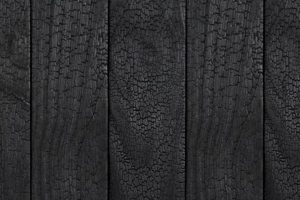
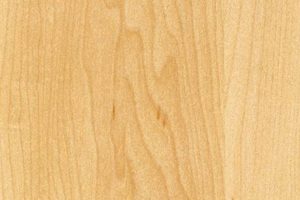
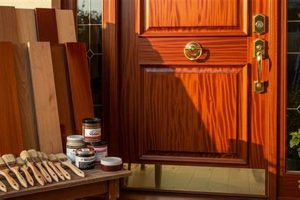
A dark brown, almost black, coating applied to wooden surfaces is often referred to as having an appearance evocative of concentrated coffee. This treatment enhances the wood grain, providing a rich, deep tone. Consider, for instance, a dining table constructed from oak, subsequently treated to achieve this dark, sophisticated look.
The appeal of this particular aesthetic lies in its versatility and ability to complement a variety of design styles. From traditional to contemporary, the shade offers a sense of elegance and depth. Historically, darker wood tones have been associated with luxury and formality, providing a sense of grounding and stability within a space. The effect is to create an upscale ambience.
The following sections will delve into specific applications for this surface treatment, exploring suitable wood types, application techniques, and maintenance considerations to achieve a lasting and desirable outcome in various interior design projects.
Enhancing Wood Surfaces
Achieving a professional result requires careful planning and execution. The following guidance ensures optimal application and longevity, resulting in a consistently high-quality surface.
Tip 1: Wood Selection. Prioritize hardwoods with tight grain patterns. Maple, birch, or alder provide a smooth, uniform base for the dark pigment. Softwoods, while potentially acceptable, may absorb the stain unevenly, leading to inconsistent coloration.
Tip 2: Surface Preparation. Thoroughly sand the wood surface, progressing from coarse to fine grit sandpaper. This removes imperfections and creates an ideal surface for accepting the stain. Skipping this step will result in noticeable blemishes in the finished product.
Tip 3: Pre-Stain Wood Conditioner. Apply a pre-stain wood conditioner, particularly when working with softwoods or blotch-prone hardwoods. This controls the absorption rate, preventing uneven staining and blotchiness. Follow the manufacturer’s instructions for application and drying times.
Tip 4: Stain Application Technique. Apply the stain evenly, using a brush, rag, or foam applicator. Work in the direction of the wood grain. Avoid excessive build-up, which can lead to a muddy or opaque appearance. Wipe off excess stain within the recommended timeframe, typically specified by the stain manufacturer.
Tip 5: Multiple Thin Coats. Achieving the desired depth of color is best accomplished with multiple thin coats, rather than a single heavy coat. Allow each coat to dry completely before applying the next. Lightly sand between coats with fine-grit sandpaper to ensure a smooth surface.
Tip 6: Quality Topcoat Selection. Protect the stained surface with a durable topcoat, such as polyurethane or lacquer. Select a topcoat with the appropriate sheen level (matte, satin, semi-gloss, or gloss) to achieve the desired aesthetic. Apply multiple coats, allowing each to dry thoroughly and lightly sanding between coats.
Tip 7: Proper Ventilation. Ensure adequate ventilation during the staining and finishing processes. Many stains and topcoats contain volatile organic compounds (VOCs) that can be harmful if inhaled. Work in a well-ventilated area or use a respirator.
Consistent application of these techniques yields a rich, enduring finish, enhancing the inherent beauty and extending the lifespan of the wooden object. Attention to detail throughout the process guarantees professional-grade results.
The next section will explore common issues and solutions related to achieving optimal coloration, as well as providing guidance on necessary maintenance for maintaining the finish.
1. Dark, rich color

The defining characteristic of the wood finish in question is its dark, rich color. This hue, reminiscent of intensely brewed coffee, is not merely a superficial attribute but a core component of the aesthetic. Achieving this depth of color involves specific staining processes and pigment formulations designed to saturate the wood grain effectively. Without this intensely dark pigmentation, the desired effect is simply unattainable; it is the fundamental visual element.
The practical implication of this dark color extends beyond mere aesthetics. It contributes significantly to the perception of quality and sophistication. Consider, for example, high-end furniture pieces finished in this manner. The dark, saturated tone provides a visual anchor, creating a sense of weight and substance. This is particularly evident in applications such as executive desks or conference tables, where the color reinforces an impression of authority and professionalism. Furthermore, the dark hue often serves to mask minor imperfections in the wood grain, creating a more uniform and polished appearance.
In summation, the dark, rich color is not an incidental aspect but a critical determinant of its character and perceived value. It dictates the application techniques, the choice of wood species, and the overall aesthetic outcome. While other factors contribute to the final result, the successful execution of this deep, saturated color is paramount to realizing the intended visual impact. Any deviation from this color profile fundamentally alters the nature of the finish itself.
2. Grain enhancement
The application of a dark stain, such as that employed in an espresso wood finish, significantly alters the visual characteristics of the wood. One of the most prominent effects is the enhancement of the wood grain, transforming it from a subtle feature into a defining characteristic of the finished piece.
- Accentuation of Natural Patterns
The dark pigment preferentially settles into the porous areas of the wood grain, creating a high-contrast effect. This highlights the natural variations in the wood’s cellular structure, making the grain pattern more pronounced and visually striking. For example, in oak, the large open pores of the earlywood become significantly darker than the surrounding areas, dramatically emphasizing the growth rings and medullary rays.
- Creation of Visual Texture
The enhanced grain pattern contributes to a greater sense of visual texture. Even on a smooth, flat surface, the accentuated grain provides a tactile impression, suggesting depth and complexity. This is particularly noticeable in woods with figured grain, such as curly maple or quilted maple, where the variations in grain direction create a dynamic and almost three-dimensional appearance.
- Depth and Dimension
The application of a dark stain can create an illusion of depth and dimension. By emphasizing the grain, the stain draws the eye into the surface, creating a sense of three-dimensionality. This effect is particularly pronounced when multiple coats of stain are applied, each penetrating and accentuating the grain to a greater degree. The interplay of light and shadow within the grain further enhances this sense of depth.
- Unification and Character
While the dark stain enhances the grain, it also serves to unify the overall appearance of the wood. The consistent dark tone provides a cohesive backdrop, allowing the grain to stand out without appearing disjointed or chaotic. This creates a balance between the natural character of the wood and the refined aesthetic of the dark finish, resulting in a sophisticated and visually appealing surface.
In conclusion, the relationship between grain enhancement and the application of an espresso wood finish is symbiotic. The dark stain relies on the underlying grain structure to create visual interest and depth, while the grain itself is elevated and transformed by the stain, becoming a defining element of the finished product. The result is a rich, complex, and visually compelling surface that showcases the natural beauty of the wood.
3. Versatile aesthetic
The designation of a wood finish as having a versatile aesthetic stems directly from its ability to integrate effectively within a wide spectrum of interior design styles. An espresso-toned wood finish, characterized by its deep, dark brown coloration, achieves this versatility through its inherent neutrality. It avoids the specific stylistic associations of lighter, more natural wood tones, which often evoke rustic or Scandinavian design schemes. Similarly, it avoids the potential for garishness or trendiness inherent in brightly colored or highly stylized finishes. This neutrality allows it to function effectively as a background element, permitting other design features to take precedence, or as a contrasting element, providing visual grounding to bolder color palettes and more eclectic arrangements. A practical example is its common usage in both minimalist, modern spaces and more traditional, formal settings. In the former, it provides a subtle warmth and texture, while in the latter, it reinforces a sense of established elegance.
This adaptability extends to various applications within interior design. Espresso wood finishes are frequently employed in flooring, cabinetry, and furniture. In flooring, the dark tone provides a stable visual foundation, enhancing the perceived size of a room and providing contrast to lighter-colored walls and furnishings. As cabinetry, it conveys a sense of sophistication and richness, complementing both light and dark countertops. As furniture, it serves as a unifying element, tying together disparate elements of a room’s design. In a transitional-style living room, an espresso-finished coffee table can effectively bridge the gap between traditional upholstered seating and more contemporary accent pieces, creating a cohesive and balanced aesthetic. This demonstrates the practical significance of understanding the finishs ability to adapt to varying design contexts, making it a dependable choice for achieving a harmonious and visually appealing interior.
In summary, the versatile aesthetic of an espresso wood finish is a direct consequence of its balanced visual characteristics. Its neutrality allows it to integrate seamlessly into diverse design schemes, while its inherent richness and depth contribute a sense of sophistication and permanence. While the successful application depends on careful consideration of the surrounding elements, its inherent adaptability makes it a reliable choice for both designers and homeowners seeking a timeless and sophisticated interior. Challenges may arise when attempting to pair it with overly ornate or stylistically clashing elements, highlighting the importance of thoughtful integration and balanced design principles.
4. Protective coating

A protective coating is an indispensable element of an espresso wood finish, functioning as a critical barrier against environmental factors and physical wear. The application of the dark stain, while aesthetically pleasing, leaves the underlying wood more vulnerable to moisture absorption, scratches, and fading from ultraviolet (UV) light exposure. The protective coating mitigates these risks, effectively encapsulating the stained surface and providing a durable layer of defense. For instance, a polyurethane coating applied over an espresso-stained hardwood floor prevents water damage from spills and protects against abrasion from foot traffic. Without this protective layer, the stain would be susceptible to premature degradation, requiring frequent reapplication and potentially damaging the wood itself.
The selection of an appropriate protective coating directly impacts the long-term performance and appearance of the espresso wood finish. Options range from traditional varnish and lacquer to more modern formulations like polyurethane and acrylics. Each possesses distinct properties regarding durability, sheen level, UV resistance, and ease of application. Polyurethane, known for its exceptional durability and resistance to abrasion, is frequently employed in high-traffic areas such as flooring and tabletops. Lacquer, offering a fast-drying and smooth finish, is often favored for furniture. The choice should align with the intended use of the finished wood item and the desired aesthetic. An inappropriate coating can lead to issues such as cracking, yellowing, or inadequate protection against moisture. For instance, using a water-based coating on an espresso-stained piece intended for outdoor use would result in premature failure due to inadequate weather resistance.
In conclusion, the protective coating is not merely an ancillary step in achieving an espresso wood finish but rather an integral component that ensures its longevity and maintains its aesthetic appeal. The appropriate selection and application of this coating are paramount to safeguarding the stained wood from the detrimental effects of moisture, abrasion, and UV exposure. Understanding the properties of different coating types and their suitability for specific applications is crucial for achieving a durable and aesthetically pleasing result, preventing premature degradation and preserving the investment in the finished wood item. The absence of a protective coating negates the benefits of the staining process itself, rendering the finished product vulnerable and significantly reducing its lifespan.
5. Application technique

The procedure employed to apply a wood stain significantly influences the final appearance and durability of an espresso wood finish. Proper technique ensures uniform color saturation, minimizes imperfections, and contributes to the longevity of the protective coating. Deviation from established best practices can result in an uneven, unattractive, and structurally compromised surface.
- Surface Preparation
A critical prerequisite for any successful wood finishing endeavor is meticulous surface preparation. This entails sanding the wood to a smooth, uniform texture, removing any existing finishes, and ensuring the substrate is free of dust, grease, or other contaminants. Failure to adequately prepare the surface can result in uneven stain absorption, visible scratches, and poor adhesion of the protective topcoat. For example, if residual varnish remains on the wood, the espresso stain will not penetrate evenly, leading to a blotchy or mottled appearance. Sanding should progress through progressively finer grits of sandpaper to achieve optimal smoothness.
- Stain Application Method
The method used to apply the espresso stain directly affects the consistency and depth of color. Options include brushing, wiping with a rag, spraying, or using a foam applicator. Brushing is suitable for detailed work or when a heavier stain application is desired, but it can leave brush marks if not executed carefully. Wiping allows for better control over the color intensity and is generally preferred for achieving a uniform finish. Spraying provides the most even application, especially on large surfaces, but requires specialized equipment and proper ventilation. The choice of applicator should be dictated by the size and complexity of the project, as well as the desired level of control over the stain application.
- Wiping Technique and Timing
For wiping applications, the timing and technique of wiping off excess stain are crucial. After applying the stain, it is imperative to allow sufficient time for the wood to absorb the pigment. The duration depends on the wood species, the stain formulation, and the desired color depth. However, excessive dwell time can result in an overly dark or muddy appearance. After the appropriate dwell time, excess stain should be wiped off with a clean, lint-free cloth, following the direction of the wood grain. The wiping pressure should be consistent to avoid creating streaks or variations in color intensity. A second, clean cloth may be used to remove any remaining residue and ensure a smooth, even surface.
- Topcoat Application
The final step in the application process is the application of a protective topcoat, such as polyurethane, lacquer, or varnish. The topcoat protects the stained wood from scratches, moisture, and UV damage. The application technique for the topcoat is as important as the stain application. Multiple thin coats are generally preferred over a single thick coat to avoid runs, drips, and an uneven finish. Each coat should be allowed to dry completely before the next is applied, and light sanding between coats can help to achieve a smoother, more durable surface. The choice of topcoat and its application method should be carefully considered based on the intended use of the finished wood item.
The success of achieving a desirable espresso wood finish is inextricably linked to the adherence to proper application techniques. From meticulous surface preparation to the careful application of the protective topcoat, each step contributes significantly to the final aesthetic and the longevity of the finished product. Deviations from established best practices can compromise the integrity of the finish, resulting in an unattractive and ultimately unsatisfactory outcome. Understanding and implementing these techniques is, therefore, essential for achieving professional-quality results.
6. Wood type

The selection of wood type is a pivotal determinant in the ultimate appearance and performance of an espresso wood finish. The inherent characteristics of various wood species, including grain pattern, density, and porosity, exert a profound influence on the stain’s absorption, color saturation, and overall aesthetic outcome. A coarse-grained wood, such as oak, will exhibit a markedly different visual texture compared to a fine-grained wood like maple when both are treated with the same espresso stain. This differential absorption directly impacts the final tone and the degree to which the wood’s natural grain is accentuated. Therefore, a pre-emptive understanding of wood type properties is crucial for achieving the desired aesthetic and ensuring the stain adheres effectively and consistently.
Consider the practical implications of wood type selection in cabinetry. Using a knotty pine for espresso staining may result in an uneven and aesthetically displeasing finish due to the varying density and resin content around the knots. This can lead to inconsistent color absorption and a lack of visual uniformity. Conversely, employing a hardwood like cherry, known for its uniform grain and density, typically yields a smooth, even, and rich color saturation when treated with an espresso stain. Similarly, the porosity of the wood influences the application process. More porous woods tend to absorb stain more readily, potentially requiring pre-stain conditioners to prevent blotchiness. Non-porous woods, on the other hand, may require multiple coats of stain to achieve the desired depth of color. These factors directly impact the time, effort, and materials required to achieve a consistent and satisfactory result, further emphasizing the practical significance of wood type selection.
In conclusion, the choice of wood type is inextricably linked to the success of an espresso wood finish. The inherent properties of the selected wood dictate the stain’s absorption, color saturation, and the ultimate aesthetic outcome. Disregarding this fundamental connection can lead to inconsistencies, visual imperfections, and a compromised final product. A thorough understanding of wood characteristics, coupled with appropriate stain application techniques, is essential for achieving a durable, aesthetically pleasing, and consistent espresso wood finish. The challenge lies in matching the appropriate wood type to the desired aesthetic, requiring careful consideration of grain patterns, density, and porosity to ensure optimal stain absorption and overall performance.
7. Maintenance
The longevity and aesthetic appeal of an espresso wood finish are inextricably linked to consistent and appropriate maintenance. The dark pigment inherent in the finish, while visually striking, can accentuate imperfections and wear patterns if not properly cared for. The cause-and-effect relationship is direct: Neglecting routine cleaning and protective measures leads to the degradation of the finish, resulting in fading, scratches, and potential structural damage to the underlying wood. Maintenance, therefore, is not merely an optional addendum but an essential component of preserving the integrity and beauty of the espresso wood finish. For instance, a neglected espresso-stained dining table, frequently exposed to spills and abrasive materials without prompt cleaning, will exhibit noticeable water rings, scratches, and a dull, uneven appearance over time. This contrasts sharply with a well-maintained table, which retains its rich color and smooth surface for years.
Effective maintenance strategies for an espresso wood finish encompass several key practices. Regular dusting with a soft, lint-free cloth prevents the accumulation of abrasive particles that can cause microscopic scratches. Prompt cleaning of spills with a damp cloth minimizes the risk of water damage and staining. The use of pH-neutral cleaning solutions avoids the harsh chemicals that can strip the finish and dull its luster. Periodic application of a high-quality furniture polish or wax provides an added layer of protection against moisture and scratches. For example, in high-traffic areas like flooring, applying a protective wax every few months can significantly extend the lifespan of the espresso wood finish. Furthermore, avoiding direct sunlight exposure minimizes the risk of UV-induced fading, which can noticeably alter the color and appearance of the finish over time.
In summary, the relationship between maintenance and an espresso wood finish is one of critical interdependence. Consistent care is paramount to preserving the finish’s aesthetic appeal, protecting the underlying wood from damage, and ensuring its long-term durability. The challenges lie in consistently implementing these maintenance practices and selecting appropriate cleaning and protective products. However, the rewards of diligent maintenance are significant, resulting in a lasting and beautiful espresso wood finish that enhances the value and enjoyment of the furniture or architectural element it adorns. Neglecting these practices ultimately diminishes the investment in the finish, leading to premature degradation and the need for costly repairs or replacement.
Frequently Asked Questions
The following questions address common concerns and misconceptions regarding the selection, application, and maintenance of an espresso wood finish.
Question 1: Is an espresso wood finish suitable for high-moisture environments, such as bathrooms?
While the dark tone can conceal minor watermarks, the finish itself is not inherently waterproof. Proper sealing with a moisture-resistant topcoat, such as marine-grade varnish or polyurethane, is essential. Even with such protection, prolonged exposure to high humidity can compromise the finish over time. Consider alternative materials for surfaces in direct contact with water.
Question 2: What is the best method for repairing scratches on an espresso wood finish?
The repair method depends on the severity of the scratch. Minor surface scratches may be concealed with a touch-up marker specifically formulated for dark wood finishes. Deeper scratches require filling with a wood filler or epoxy tinted to match the surrounding color, followed by sanding and reapplication of the stain and topcoat.
Question 3: Does an espresso wood finish require special cleaning products?
Harsh chemicals and abrasive cleaners should be avoided, as they can damage the finish and alter its color. A pH-neutral cleaning solution designed for wood furniture is recommended. For routine dusting, a soft, lint-free cloth is sufficient. Avoid using excessive water, which can seep into the wood and cause swelling or warping.
Question 4: Will an espresso wood finish fade over time?
Prolonged exposure to direct sunlight can cause fading, particularly in finishes lacking UV-resistant additives. Minimizing direct sunlight exposure through the use of curtains, blinds, or UV-filtering window film is advisable. Applying a topcoat with UV inhibitors provides an additional layer of protection.
Question 5: Can an espresso wood finish be applied to all types of wood?
While the finish can be applied to a variety of wood species, the resulting appearance will vary depending on the wood’s grain pattern, density, and porosity. Open-grained woods, such as oak, tend to absorb more stain, resulting in a darker and more textured appearance. Close-grained woods, such as maple, tend to produce a smoother and more uniform finish. Certain woods may require a pre-stain conditioner to ensure even stain absorption.
Question 6: How does the sheen level of the topcoat affect the appearance of an espresso wood finish?
The sheen level, ranging from matte to gloss, significantly influences the light reflectivity and overall aesthetic of the finish. A matte finish minimizes glare and provides a more natural, understated look. A gloss finish enhances the richness and depth of the color but is more prone to showing scratches and fingerprints. The choice of sheen level is a matter of personal preference and should be consistent with the overall design style of the space.
The careful consideration of these questions prior to selecting and applying an espresso wood finish can mitigate potential problems and ensure a satisfactory outcome.
The following section will explore potential design pairings for an espresso wood finish.
Concluding Remarks on Espresso Wood Finish
This discourse has explored the properties, applications, and maintenance considerations surrounding the espresso wood finish. Examination reveals its versatility, inherent limitations, and the critical importance of proper application and ongoing care. Specific attention has been given to wood selection, staining techniques, protective coatings, and the influence of environmental factors. Successful implementation demands a comprehensive understanding of these interconnected elements.
The decision to utilize espresso wood finish should be predicated on a thorough evaluation of design objectives, environmental constraints, and the commitment to diligent maintenance. The enduring value of this finish lies not merely in its initial aesthetic appeal, but in the sustained performance achieved through informed decision-making and consistent stewardship. Further research and professional consultation are recommended prior to undertaking significant projects involving this treatment.