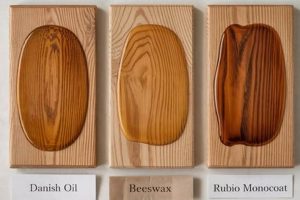
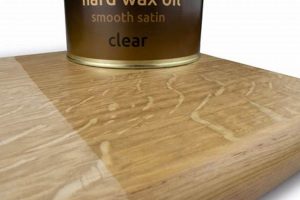
The application of protective coatings to exterior cedar surfaces serves a crucial function in maintaining the wood’s aesthetic appeal and structural integrity. These treatments, specifically designed for outdoor use, offer a barrier against environmental factors such as moisture, ultraviolet radiation, and temperature fluctuations. These specialized formulations enhance the natural grain and color of the cedar while simultaneously providing a durable shield. An example of this includes applying a clear, UV-resistant sealant to a cedar deck to prevent fading and water damage.
Protecting external cedar structures is of significant importance because it extends the lifespan of the wood, preventing decay and insect infestation. Historically, oils and varnishes have been used for this purpose, evolving into modern synthetic resins and water-based acrylics that offer superior performance and reduced environmental impact. Preserving the cedar ensures long-term cost savings by minimizing the need for repairs or replacements, while also maintaining the visual attractiveness of the structure.
The subsequent sections will delve into the types of protective coatings available, application techniques that optimize performance, and maintenance strategies essential for ensuring the longevity of cedar exteriors. The discussion will also cover factors to consider when selecting a product, focusing on aspects such as durability, environmental impact, and ease of application.
Guidance for Protecting Exterior Cedar Surfaces
The following recommendations are designed to optimize the performance and longevity of exterior cedar, through the proper selection and application of suitable protective treatments. Adherence to these guidelines will aid in preserving the cedar’s natural beauty and structural soundness.
Tip 1: Prioritize Surface Preparation: Ensure the cedar is clean, dry, and free of mildew or existing coatings before applying any protective treatment. Sanding may be necessary to achieve a smooth, uniform surface that promotes optimal adhesion.
Tip 2: Select a Product Designed for Exterior Use: Choose formulations specifically labeled for outdoor applications and explicitly compatible with cedar. Products should offer UV protection, water repellency, and resistance to mildew growth.
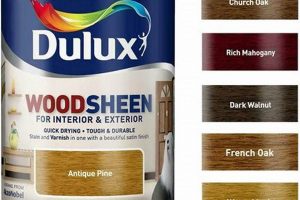
Tip 3: Consider the Desired Aesthetic: Select between clear, semi-transparent, or solid-color options based on the desired visual outcome. Transparent options highlight the natural grain, while solid colors offer greater protection and color uniformity.
Tip 4: Apply Thin, Even Coats: Multiple thin coats are generally more effective than a single thick coat. Avoid over-application, which can lead to runs, drips, and prolonged drying times.
Tip 5: Ensure Proper Ventilation: Adequate ventilation during application and drying is crucial to prevent moisture entrapment and ensure proper curing of the protective coating.
Tip 6: Adhere to the Manufacturer’s Instructions: Always follow the manufacturer’s guidelines regarding application rates, drying times, and re-application intervals. Deviations from these instructions may compromise the performance of the product.
Tip 7: Schedule Regular Inspections: Periodically inspect the cedar surface for signs of wear, such as cracking, peeling, or fading. Address any issues promptly to prevent further deterioration.
Tip 8: Re-apply as Needed: Re-application intervals vary depending on the product, climate, and exposure to the elements. Typically, re-application is recommended every one to three years to maintain adequate protection.
By implementing these recommendations, the longevity and appearance of exterior cedar surfaces can be substantially enhanced, leading to long-term cost savings and sustained aesthetic appeal.
The subsequent sections will explore specific product recommendations and advanced application techniques for achieving optimal results.
1. Durability
Durability, in the context of exterior cedar surfaces, signifies the resistance of a protective coating to degradation caused by environmental stressors and physical wear. The selection of a durable coating for cedar is paramount, as it directly influences the lifespan and maintenance requirements of the structure. Exposure to sunlight, precipitation, and temperature fluctuations can rapidly degrade unprotected cedar, leading to warping, cracking, and decay. A durable protective system mitigates these effects, preserving the wood’s structural integrity and aesthetic appeal. For instance, a durable, oil-based stain applied to cedar siding can provide years of protection against the elements, whereas a less robust coating may require annual reapplication. This consideration is particularly critical in regions with harsh climates, where the demands on the protective coating are significantly increased.
The durability of a exterior protective coating is often determined by its chemical composition and application method. Formulations containing high levels of UV absorbers and stabilizers provide enhanced resistance to sunlight degradation. Similarly, coatings that form a flexible, yet robust, film are less susceptible to cracking and peeling as the cedar expands and contracts with changes in moisture content and temperature. The proper application of the coating, including thorough surface preparation and adherence to the manufacturer’s recommended application techniques, is also essential for maximizing durability. A failure to properly prepare the surface, for example, can result in poor adhesion and premature coating failure, negating the benefits of even the most durable formulation.
In summary, durability is a critical attribute of any protective treatment applied to external cedar. Its presence or absence directly impacts the long-term performance and visual appeal of the wood. Prioritizing durability during product selection and ensuring proper application are essential steps in preserving the value and longevity of exterior cedar structures. While initial costs may be higher for more durable coatings, the reduced maintenance requirements and extended lifespan often result in significant long-term savings.
2. UV Protection

Ultraviolet (UV) radiation from sunlight presents a significant threat to exterior cedar structures. The selection of a protective coating with effective UV protection is paramount in mitigating the damaging effects of solar exposure on cedar wood’s appearance and structural integrity.
- Photodegradation Mitigation
UV radiation degrades lignin, a primary component of wood, leading to discoloration, surface checking, and a loss of structural integrity. Coatings with UV absorbers and stabilizers act as a shield, preventing UV light from reaching and damaging the wood’s surface. Failure to provide adequate UV protection results in premature graying and weathering of the cedar, necessitating more frequent maintenance and potentially reducing its lifespan.
- Color Retention Enhancement
UV exposure can cause pigments in stains and paints to fade or change color over time. UV-resistant coatings preserve the original color and appearance of the exterior cedar, maintaining its aesthetic appeal for longer periods. This is particularly important for structures where visual uniformity and consistency are desired, such as siding and fencing.
- Coatings Longevity Improvement
UV radiation not only degrades the wood itself but also degrades the protective coating, leading to cracking, peeling, and chalking. Protective treatments with effective UV resistance extend the lifespan of the coating, reducing the frequency of reapplication and associated maintenance costs. Coatings with UV resistance help maintain their flexibility and adhesion properties, protecting the integrity of cedar.
- Structural Preservation Contribution
The degradation of lignin by UV radiation weakens the surface layers of the cedar, making it more susceptible to moisture absorption and insect infestation. Effective UV protection helps maintain the structural integrity of the cedar by preventing the initial breakdown of its cellular structure. This is crucial for load-bearing components, such as deck supports and railings, where structural failure could have serious consequences.
The incorporation of UV protection into protective coatings for exterior cedar is an essential consideration, ensuring that the aesthetic and structural properties are preserved over time. Failure to address this aspect results in accelerated degradation and increased maintenance demands. The selection of a product with proven UV resistance is a fundamental step in maximizing the investment in cedar structures.
3. Water Repellency

Water repellency is a critical characteristic of any protective treatment applied to exterior cedar. The inherent properties of cedar provide a degree of natural resistance to moisture, but this is insufficient to withstand prolonged exposure to the elements. The implementation of a water-repellent coating is, therefore, essential for maintaining the wood’s integrity and preventing premature degradation.
- Reduced Moisture Absorption
Water-repellent coatings minimize the absorption of moisture into the cedar. Excessive moisture content promotes the growth of mold, mildew, and decay fungi, all of which compromise the wood’s structural integrity. By restricting water ingress, these coatings mitigate the risk of biological degradation, extending the cedar’s lifespan. For instance, applying a water-repellent sealant to a cedar fence prevents the wood from becoming waterlogged during periods of heavy rainfall, thus minimizing warping and rot.
- Minimized Dimensional Changes
Cedar, like all wood, expands and contracts in response to changes in moisture content. These dimensional changes can lead to cracking, splitting, and warping, particularly in exterior applications where the wood is exposed to fluctuating environmental conditions. Water-repellent coatings reduce the magnitude of these dimensional changes by limiting moisture absorption, thereby preserving the wood’s stability. A deck that is not properly water-proofed will warp at the joints during rainy seasons. A water repellant product would help prevent this issue.
- Prevention of Freeze-Thaw Damage
In regions with freezing temperatures, water that has penetrated the wood can freeze and expand, exerting pressure on the wood’s cellular structure. This freeze-thaw cycle can cause significant damage, leading to cracking and surface delamination. Water-repellent coatings minimize the risk of freeze-thaw damage by preventing water from entering the wood in the first place. Coating a cedar plank can prevent cracking and surface delamination because the water will not be absorbed and freeze from the inside out.
- Enhanced Coating Performance
Water repellency can also improve the performance of other protective properties, such as UV resistance and mildew resistance. By keeping the wood dry, water-repellent coatings prevent moisture from interfering with the effectiveness of these additives. A wood protector and weather shield product may not work as intended if it is not also water repellant.
The incorporation of water repellency into an exterior treatment program for cedar is an essential step in preserving the wood’s longevity, structural integrity, and aesthetic appeal. Neglecting this aspect increases the risk of moisture-related damage and can lead to costly repairs or replacements. Therefore, the selection of coatings with proven water-repellent properties is of utmost importance for any external cedar application. Ensuring the product has all the required weather protections is a must for the longevity of the cedar.
4. Mildew Resistance

The susceptibility of exterior cedar structures to mildew is a primary concern, particularly in environments with high humidity or frequent rainfall. Effective mitigation of mildew growth requires the incorporation of mildew-resistant properties into the protective coating system. Mildew, a type of fungus, thrives on organic materials, including wood, and can cause discoloration, surface degradation, and potential health concerns. The presence of mildew detracts from the aesthetic appeal of the cedar and, if left unchecked, can compromise the wood’s structural integrity. Protective coatings with mildewcides inhibit the growth of these organisms, preventing their proliferation on the cedar surface. A cedar deck in a shaded, damp location, for example, is highly susceptible to mildew; therefore, a mildew-resistant finish is crucial for its preservation.
Mildew resistance in protective treatments is achieved through the inclusion of specific biocides that inhibit fungal growth. These biocides are often incorporated directly into the coating formulation and are released gradually over time to provide long-term protection. The effectiveness of these biocides varies depending on the specific formulation and the environmental conditions. Regular cleaning of the treated cedar surface can also aid in preventing mildew accumulation, as it removes organic debris that can serve as a food source for the fungi. Furthermore, proper ventilation around the cedar structure reduces moisture buildup, creating an unfavorable environment for mildew growth. A cedar siding application in a coastal region, where humidity levels are consistently high, necessitates a coating with a high concentration of mildewcides to effectively combat fungal proliferation.
In summary, mildew resistance is a critical attribute for any protective coating applied to exterior cedar, particularly in moist or shaded environments. Failure to address this aspect can lead to unsightly discoloration, structural damage, and potential health hazards. The selection of a coating with proven mildew-resistant properties, coupled with proper maintenance practices, is essential for preserving the longevity and aesthetic appeal of cedar structures. Careful consideration of the environmental conditions and the specific requirements of the application is crucial in determining the appropriate level of mildew protection needed.
5. Color Retention
The relationship between color retention and exterior cedar finishes is direct: the capacity of a coating to maintain its intended hue and vibrancy over time is a critical measure of its performance and protective abilities on external cedar structures. UV radiation exposure, alongside moisture and temperature fluctuations, presents a consistent threat to exterior coatings. The degradation of color, manifested as fading, chalking, or yellowing, indicates a breakdown of the coating’s protective barrier. This degradation allows increased moisture penetration and exacerbates UV damage to the underlying cedar, accelerating decay. A dark-stained cedar fence, for example, that fades to gray within a year demonstrates a lack of adequate color retention, signaling compromised protection against the elements. The understanding of color retention provides owners and contractors the ability to anticipate coating issues and address them before the core structure is significantly impacted.
Coatings formulated with high-quality pigments and UV absorbers demonstrate enhanced color retention. These formulations mitigate the bleaching effects of sunlight, preserving the intended aesthetic appearance for extended periods. Regular maintenance, including cleaning and periodic reapplication of topcoats, further contributes to color retention. Furthermore, considering the orientation of the structure and its degree of sun exposure during product selection can maximize the benefits of color-retentive properties. For instance, a south-facing cedar deck requires a coating with superior UV resistance compared to a north-facing one, to ensure comparable long-term color stability. Regular maintenance will contribute to the lasting effect of the chosen product and prevent early degradation of both the color and finish.
In summary, color retention is not merely an aesthetic concern; it serves as a reliable indicator of a coating’s protective efficacy on exterior cedar. The selection of coatings with proven color-retentive properties, coupled with consistent maintenance practices, is essential for safeguarding the long-term visual appeal and structural integrity of cedar structures. Challenges remain in balancing durability, environmental impact, and color performance, driving ongoing research into advanced coating technologies that can address these competing demands. The preservation of color translates directly to the preservation of the cedar structure itself, highlighting the crucial importance of this attribute.
6. Easy Application
The characteristic of easy application directly impacts the efficacy and longevity of protective treatments on exterior cedar. A products complexity during application can lead to inconsistencies in coverage, improper film formation, and ultimately, compromised protection against environmental stressors. This is particularly critical for homeowners or less experienced applicators who may lack the specialized skills required for intricate application processes. Coatings that require extensive surface preparation, multi-step application procedures, or precise mixing ratios increase the risk of errors, diminishing the intended performance of the finish and potentially causing damage to the cedar substrate. An example includes a two-part epoxy that, if not mixed and applied according to specifications, may not cure properly, leaving the cedar vulnerable to moisture and UV degradation.
Products designed for simplified application, such as those with low viscosity, excellent leveling properties, and extended open times, facilitate uniform coverage and minimize the potential for application errors. These characteristics enable even distribution of the coating, ensuring that all surfaces of the cedar receive adequate protection. Water-based acrylic stains, for instance, often exhibit easier application compared to oil-based alternatives due to their lower VOC content, faster drying times, and simpler cleanup. This ease of use can translate into significant time and cost savings, while also improving the overall quality of the finish. A coating that is easy to apply promotes thorough coverage, contributing to enhanced UV protection, water repellency, and mildew resistance, thereby extending the lifespan of the exterior cedar structure.
In conclusion, the ease of application should be a primary consideration when selecting protective treatments for exterior cedar. Products that simplify the application process minimize the risk of errors, promote uniform coverage, and ultimately enhance the coating’s overall performance. By prioritizing easy-to-use formulations, homeowners and professionals can ensure that exterior cedar structures receive the comprehensive protection they require, leading to increased longevity, reduced maintenance costs, and sustained aesthetic appeal. The ability to apply a finish correctly is just as important as the quality of the product itself.
Frequently Asked Questions
This section addresses common inquiries concerning the proper application and maintenance of protective coatings on exterior cedar surfaces. It is intended to provide clear, concise answers to frequently encountered challenges.
Question 1: How frequently should exterior cedar be retreated?
The retreatment frequency for exterior cedar depends on several factors, including the type of protective finish used, the climate, and the level of exposure to sunlight and moisture. As a general guideline, reapplication is recommended every one to three years to maintain adequate protection.
Question 2: What surface preparation is required before applying a exterior finish?
Proper surface preparation is crucial for ensuring optimal adhesion and performance of the finish. This typically involves cleaning the cedar to remove dirt, mildew, and loose debris, followed by sanding to create a smooth, uniform surface. Any existing coatings should be completely removed before applying a new finish.
Question 3: Are certain types of exterior finishes better suited for cedar than others?
Yes, certain types of exterior finishes are specifically formulated for use on cedar. Oil-based stains and penetrating sealers are often recommended, as they penetrate the wood’s surface and provide excellent protection against moisture and UV damage. Acrylic latex paints can also be used, but they may require more frequent reapplication.
Question 4: How can mildew growth on exterior cedar be prevented?
Mildew growth can be prevented by using a finish that contains mildewcides and ensuring proper ventilation around the cedar structure. Regular cleaning of the cedar surface to remove dirt and organic debris can also help to inhibit mildew growth.
Question 5: What are the key considerations when selecting a exterior finish for cedar?
Key considerations include the finish’s UV resistance, water repellency, mildew resistance, ease of application, and color retention. It is also important to select a finish that is compatible with the specific type of cedar being used and the environmental conditions in the area.
Question 6: Is it possible to apply a finish to wet cedar?
Applying a finish to wet cedar is not recommended, as it can lead to poor adhesion, blistering, and premature failure of the finish. The cedar should be thoroughly dry before any protective coatings are applied.
The effectiveness of a cedar wood finish hinges on proper preparation and application of the finish. Understanding and addressing these common concerns helps ensure the longevity and beauty of exterior cedar.
The next section will explore specific product recommendations for “cedar wood finish outdoor”, based on different performance criteria and budget considerations.
Conclusion
The preceding analysis has underscored the importance of selecting and maintaining appropriate protective coatings for exterior cedar surfaces. Key performance attributes, including durability, UV protection, water repellency, mildew resistance, color retention, and ease of application, have been examined in detail, highlighting their individual contributions to the longevity and aesthetic preservation of cedar structures. Proper application of “cedar wood finish outdoor” solutions prolongs the cedar’s life by preventing premature degradation and maintaining its inherent visual appeal.
Effective implementation of these strategies necessitates careful consideration of the environmental context and the specific characteristics of the chosen coating. Ongoing vigilance and proactive maintenance remain essential to ensuring continued protection against the elements. Continued research and development in coating technologies are vital for optimizing the performance and sustainability of future protective treatments for exterior cedar.