



A surface treatment designed to protect and enhance wooden surfaces, this product combines the penetrating qualities of oil with the durable characteristics of wax. Application results in a resilient, water-repellent layer that accentuates the natural grain and texture of the wood. For example, it is often utilized on wood flooring, furniture, and countertops to provide a protective barrier against daily wear and tear.
The appeal lies in its ability to offer a durable yet aesthetically pleasing finish. It provides a natural look and feel, unlike some synthetic coatings, and allows the wood to breathe, reducing the risk of cracking or peeling. Historically, similar combinations of oils and waxes have been used for centuries to preserve and beautify wood, reflecting a time-tested approach to wood protection.
The following sections will delve into the specific properties, application techniques, maintenance procedures, and comparative analyses with alternative wood finishing methods. These details will provide a comprehensive understanding of its use and suitability for various wood finishing projects.
Application and Maintenance Tips
Achieving optimal results requires careful attention to preparation, application, and ongoing maintenance. These tips offer guidance for maximizing the performance and longevity of the finish.
Tip 1: Surface Preparation is Critical: Ensure the wood surface is clean, dry, and free from existing finishes. Sanding to the appropriate grit level (typically 120-180 grit for the final pass) is essential for proper adhesion and a smooth final appearance.
Tip 2: Apply Thin, Even Coats: Avoid applying excessively thick layers, which can lead to uneven drying and a tacky surface. Multiple thin coats are preferable, allowing each coat to fully penetrate and cure before applying the next.
Tip 3: Proper Curing Time: Allow sufficient time for each coat to cure according to the manufacturer’s instructions. This is crucial for achieving maximum hardness and durability.
Tip 4: Buffing Enhances the Finish: Buffing the surface after each coat (or after the final coat) can enhance the sheen and create a smoother, more refined appearance. Use a clean, lint-free cloth or a buffing machine with appropriate pads.
Tip 5: Regular Maintenance is Key: Periodic cleaning with a mild, pH-neutral soap and water solution is recommended. Avoid harsh chemicals or abrasive cleaners that can damage the finish.
Tip 6: Re-Application for Longevity: Depending on the level of use, a maintenance coat may be necessary every one to three years to replenish the protective layer and maintain the appearance.
Tip 7: Spot Repairs are Possible: Minor scratches or blemishes can often be repaired by lightly sanding the affected area and applying a small amount of product to the damaged spot.
Adhering to these guidelines will contribute to a durable, aesthetically pleasing, and long-lasting wood finish. The subsequent sections will address troubleshooting common issues and exploring advanced application techniques.
1. Durability

The connection between durability and this type of wood finish is fundamental to its value proposition. The inherent composition, which combines the penetrating qualities of oil with the surface hardness of wax, directly contributes to the finish’s resistance to wear and tear. The oil component saturates the wood fibers, providing dimensional stability and reducing the likelihood of cracking or splitting, while the wax component forms a protective layer against abrasion, scratches, and liquid penetration. This dual action creates a surface that withstands daily use more effectively than many other wood finishes. For example, flooring treated with this finish can endure foot traffic and accidental spills, maintaining its appearance over time.
The importance of durability is underscored by the finish’s ability to minimize the need for frequent re-applications. Unlike finishes that require regular stripping and re-coating, a properly applied coating can last for several years with only routine maintenance. This reduces both the time and cost associated with maintaining wooden surfaces. Furthermore, the inherent durability provides a degree of protection against UV damage, which can cause fading and discoloration in untreated wood. This aspect is particularly valuable for furniture or architectural elements exposed to sunlight.
In summary, the durability aspect of this finish is critical for its practical application and long-term performance. By providing resistance to wear, moisture, and UV damage, it extends the lifespan of wooden surfaces, reduces maintenance requirements, and preserves the aesthetic appeal of the wood. Understanding this connection is essential for making informed decisions regarding wood finishing and ensuring the longevity of wooden products.
2. Application

The application process is intrinsically linked to the successful performance of wood finishes. Proper execution directly impacts the aesthetics, durability, and protective qualities. Deviation from recommended procedures can compromise the intended benefits, resulting in a substandard outcome.
- Surface Preparation
Meticulous surface preparation is paramount. The substrate must be clean, dry, and free from contaminants such as dust, grease, or existing finishes. Sanding to the appropriate grit level creates a uniform surface profile that promotes optimal adhesion. Insufficient preparation can lead to poor bonding, resulting in peeling, blistering, or uneven color absorption.
- Application Technique
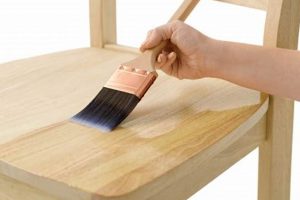
The method of application influences the final appearance and performance. Applying thin, even coats is crucial for achieving a smooth, consistent finish. Over-application can result in slow drying, a tacky surface, or an uneven sheen. Techniques such as brushing, rolling, or wiping are commonly employed, each offering distinct advantages depending on the project’s scale and complexity.
- Curing Time
Adequate curing time is essential for the finish to fully harden and develop its protective properties. Premature use of the finished surface can lead to damage, such as scratches or indentations. Adhering to the manufacturer’s recommended drying times is crucial for maximizing durability and resistance to wear.
- Environmental Conditions
Environmental conditions during application and curing can significantly impact the outcome. Temperature, humidity, and ventilation levels influence the drying rate and overall quality of the finish. Extremes in temperature or humidity can lead to imperfections such as blushing, cloudiness, or prolonged drying times.
In essence, the proper application is not merely a procedural step but a critical factor determining the efficacy. Precise execution, taking into account surface preparation, technique, curing time, and environmental factors, ensures the finish achieves its intended purpose of protecting and enhancing wooden surfaces. The subsequent sections will delve into maintenance, composition, aesthetics and protection.
3. Maintenance

Ongoing maintenance is integral to preserving the integrity and aesthetic appeal of surfaces treated with wood finish. Consistent care extends the lifespan of the finish and maintains its protective qualities.
- Regular Cleaning
Routine cleaning is essential for removing dirt, dust, and debris that can accumulate on the surface. Employing a soft cloth or mop dampened with a mild, pH-neutral cleaner prevents the build-up of grime that can dull the finish. Abrasive cleaners and harsh chemicals are to be avoided as they can damage the protective layer.
- Spot Treatment
Prompt attention to spills and stains is crucial. Liquids should be wiped away immediately to prevent absorption into the wood. Stubborn stains may require gentle scrubbing with a non-abrasive pad or the application of a specialized stain remover designed for finished wood surfaces. The application should be according the manufacturer’s recommendation.
- Reapplication
Periodic reapplication of wood finish is necessary to replenish the protective layer and address areas that may have experienced wear or damage. The frequency of reapplication depends on factors such as the level of traffic, exposure to sunlight, and the type of wood. Signs that reapplication is needed include a dull or faded appearance, increased susceptibility to staining, or visible scratches.
- Environmental Control
Maintaining a stable indoor environment can minimize the need for extensive maintenance. Controlling humidity levels prevents excessive expansion and contraction of the wood, reducing the risk of cracking or warping. Adequate ventilation helps to prevent the build-up of moisture that can lead to mildew or other forms of damage.
The aforementioned aspects underscore the significance of maintenance in prolonging the life and enhancing the visual appeal of wood surfaces treated with this particular finish. By adhering to these guidelines, one can ensure lasting beauty and protection for wooden furniture, flooring, and other architectural elements.
4. Composition

The composition of such a finish is a critical determinant of its performance characteristics, influencing durability, appearance, and application properties. Understanding the constituent elements and their interactions provides valuable insight into the finish’s capabilities and limitations.
- Oil Component
The oil component typically comprises natural oils such as linseed oil, tung oil, or soybean oil. These oils penetrate the wood fibers, providing dimensional stability, enhancing the wood’s natural grain, and creating a foundation for the wax component to adhere to. The specific type of oil used affects the finish’s drying time, penetration depth, and color.
- Wax Component
The wax component generally consists of natural waxes such as beeswax, carnauba wax, or candelilla wax. These waxes provide a durable, water-resistant surface layer that protects the wood from abrasion, scratches, and liquid spills. The type and proportion of wax influence the finish’s hardness, sheen, and slip resistance.
- Solvents and Additives
Solvents, such as mineral spirits or citrus solvents, are often included to improve the finish’s viscosity, penetration, and drying time. Additives may be incorporated to enhance UV resistance, prevent mildew growth, or modify the finish’s color and appearance. The selection of solvents and additives is crucial for achieving the desired performance characteristics and ensuring compatibility with the oil and wax components.
- Pigments and Dyes
Pigments and dyes can be added to impart color to the finish, enhancing the wood’s natural tone or creating a custom look. Pigments provide opacity and UV resistance, while dyes offer transparency and vibrant colors. The choice of pigments and dyes affects the finish’s aesthetic appeal and its ability to protect the wood from sunlight.
The interplay between these components dictates the final properties. The careful balancing of oil, wax, solvents, and additives results in a finish that provides both protection and aesthetic enhancement. Examining the composition allows for a deeper appreciation of its functionality and informs the selection process for specific applications.
5. Aesthetics

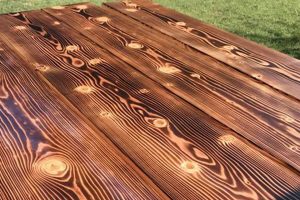
The aesthetic qualities imparted by surface treatments are often primary considerations in wood finishing projects. The selection of this particular type of finish is frequently driven by its capacity to enhance the wood’s natural appearance rather than masking it. This approach offers a subtle enhancement, emphasizing grain patterns and color variations inherent to the wood species, resulting in a finish that feels organic and authentic. For instance, when applied to reclaimed wood furniture, the treatment accentuates imperfections and age marks, contributing to a rustic and characterful aesthetic.
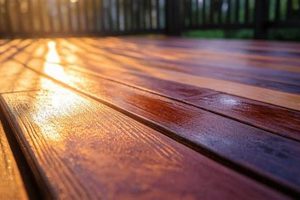
The visual impact is further enhanced by the finish’s ability to offer a range of sheens, from matte to satin, allowing for customization according to the desired ambiance. A matte finish tends to convey a more understated elegance, suitable for minimalist interiors, while a satin sheen adds a touch of sophistication and depth. The finish also ages gracefully, developing a patina over time that adds to its aesthetic appeal. Regular maintenance, as previously detailed, contributes significantly to sustaining the desired visual effect.
In summary, the aesthetic considerations associated with this finish encompass its ability to highlight the wood’s intrinsic beauty, offer customizable sheen levels, and develop a pleasing patina over time. The resulting visual effect aligns well with design sensibilities that prioritize natural materials and understated elegance. These aesthetic properties are critical in realizing the desired visual impact for various woodworking projects, from furniture to architectural elements.
6. Protection

The protective capabilities are a primary function, extending the lifespan of wooden surfaces. These are achieved through a multi-faceted approach that addresses various environmental and physical stressors. The finish acts as a barrier against moisture, abrasion, and ultraviolet radiation, mitigating potential damage and preserving the underlying wood structure.
- Moisture Resistance
The finish creates a hydrophobic surface, repelling water and preventing it from penetrating the wood. This characteristic is crucial for preventing warping, swelling, and decay, particularly in environments with high humidity or frequent exposure to liquids. For example, a wooden countertop treated with this finish is better equipped to withstand spills and splashes, reducing the risk of water damage.
- Abrasion Resistance
The wax component forms a durable layer that resists scratches and abrasions from daily use. This protective layer helps maintain the aesthetic appearance of the wood surface, preventing it from becoming marred or worn over time. High-traffic areas, such as wooden floors, benefit significantly from this property, as the finish reduces the impact of foot traffic and furniture movement.
- UV Radiation Protection
Certain formulations of the finish include additives that absorb or reflect ultraviolet radiation. This helps prevent the wood from fading, discoloring, or degrading due to prolonged exposure to sunlight. Wooden furniture placed near windows or exterior wood elements are particularly susceptible to UV damage, and this finish provides a degree of protection against such effects.
- Resistance to Household Chemicals
The finish offers a barrier against mild household chemicals and cleaning agents, preventing them from staining or damaging the wood surface. This protection is essential for maintaining the appearance and integrity of treated wooden surfaces in residential and commercial environments. It allows for the use of gentle cleaning solutions without compromising the finish’s protective properties.
The combined effect of these protective mechanisms contributes to the long-term preservation of wooden surfaces. By addressing moisture, abrasion, UV radiation, and chemical exposure, the finish safeguards the wood from a range of potential threats, extending its lifespan and maintaining its aesthetic appeal. These qualities underscore its value as a practical and effective wood finishing solution.
Frequently Asked Questions about Hard Wax Wood Finish
The following questions and answers address common inquiries and concerns regarding the application, performance, and maintenance of this type of wood finish. This information is intended to provide clarity and assist in informed decision-making.
Question 1: What distinguishes it from polyurethane finishes?
Polyurethane forms a plastic-like coating on the surface of the wood, whereas it penetrates the wood fibers, creating a more natural look and feel. Polyurethane offers a higher level of abrasion resistance, but can be prone to chipping. This finish, is easier to repair and maintain, and allows the wood to breathe.
Question 2: Is it suitable for use in kitchens and bathrooms?
While it provides a degree of water resistance, it may not be as impervious to moisture as some other finishes, such as epoxy resins. It is suitable for use in kitchens and bathrooms, but requires diligent maintenance and prompt cleanup of spills to prevent water damage. Regular reapplication may be necessary.
Question 3: How does one properly prepare a surface before application?
Surface preparation involves thorough cleaning, sanding, and removal of any existing finishes. The wood must be dry and free of contaminants. Sanding should progress through progressively finer grits to achieve a smooth, uniform surface that promotes optimal adhesion. Improper preparation can lead to uneven absorption and a compromised finish.
Question 4: What is the recommended application technique?
Thin, even coats are recommended. Application can be achieved using a brush, roller, or cloth. Excess product should be wiped away to prevent a sticky or uneven finish. Multiple coats may be necessary to achieve the desired level of protection and aesthetic appearance. Adherence to the manufacturer’s instructions is crucial.
Question 5: How often should it be reapplied?
The frequency of reapplication depends on factors such as traffic, usage, and environmental conditions. In general, a maintenance coat should be applied every one to three years. Signs that reapplication is needed include a dull or faded appearance, increased susceptibility to staining, or visible scratches.
Question 6: What are the common issues encountered during application and how can they be resolved?
Common issues include uneven application, slow drying, and the formation of bubbles or streaks. Uneven application can be addressed by applying thinner coats and ensuring proper surface preparation. Slow drying can be mitigated by improving ventilation and maintaining a consistent temperature. Bubbles or streaks can be removed by lightly sanding the affected area and reapplying the finish.
These FAQs provide a foundational understanding of the finish. Further investigation into specific product variations and application techniques is recommended for optimal results.
The following section will explore comparative analyses with alternative wood finishing methods.
Conclusion
This exploration of hard wax wood finish has illuminated its defining characteristics, application methodologies, maintenance requirements, and protective capabilities. The investigation has underscored its capacity to enhance and preserve wooden surfaces, while also acknowledging the importance of proper application and diligent upkeep. The interplay between the oil and wax components, as well as adherence to manufacturer’s guidelines, significantly influences the finish’s long-term performance and aesthetic appeal.
The selection of hard wax wood finish represents a commitment to both the preservation and accentuation of natural materials. Continued research and development within the field promise to refine its properties and expand its applicability, ensuring its continued relevance in the realm of wood finishing. Therefore, understanding its nuances empowers informed decisions that extend the life and beauty of wood products for generations to come.

![Buy Quality Finished Shelf Wood - [Your Brand] | Best Final Touch: Elevate Your Projects with Professional Finishing](https://bestfinaltouch.com/wp-content/uploads/2026/05/th-447-300x200.jpg "Buy Quality Finished Shelf Wood - [Your Brand] Best Final Touch: Elevate Your Projects with Professional Finishing")