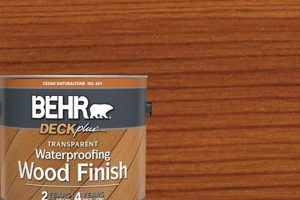
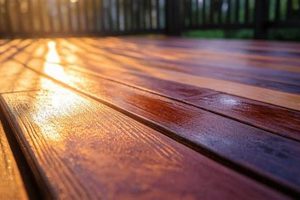
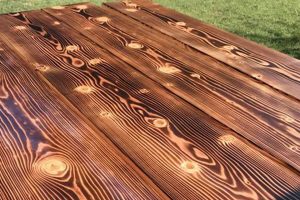
Coatings derived from naturally occurring oils, resins, and waxes, applied to timber surfaces, enhance the wood’s aesthetic qualities and provide a degree of protection. Linseed oil, beeswax, and shellac are examples of materials utilized in creating these treatments, offering alternatives to synthetic varnishes and lacquers. These products permeate the wood grain, emphasizing its inherent texture and color.
The application of these surface treatments offers several advantages, including preserving the wood’s natural appearance, providing a tactile feel, and often being more environmentally sustainable than synthetic options. Historically, these methods were favored due to the ready availability of materials and their relatively simple application processes. They allow the wood to breathe, minimizing the risk of cracking and peeling often associated with film-forming finishes.
This article will delve into the various types of these treatments, their application techniques, maintenance considerations, and comparative analysis against synthetic alternatives, providing a comprehensive understanding of their characteristics and suitability for different applications.
Tips for Optimal Application and Longevity
Achieving desirable results and ensuring the longevity of surface treatments on timber requires careful attention to preparation, application, and maintenance. The following tips offer guidance for working with these materials.
Tip 1: Surface Preparation is Paramount: Ensure the wood surface is clean, dry, and free from any existing finishes or contaminants. Sanding to a smooth, uniform surface is crucial for optimal penetration and adhesion.
Tip 2: Consider Environmental Conditions: Apply the finish in a well-ventilated area with moderate temperatures and humidity. Extreme conditions can affect drying times and the overall quality of the application.
Tip 3: Apply Thin, Even Coats: Multiple thin coats are preferable to a single thick coat. This allows for better penetration, reduces the likelihood of runs or drips, and results in a more uniform appearance.
Tip 4: Allow Adequate Drying Time: Adhere strictly to the manufacturer’s recommended drying times between coats. Insufficient drying can lead to tackiness or other application issues.
Tip 5: Buffing Enhances the Finish: After the final coat has fully cured, consider buffing the surface with a soft cloth to enhance the sheen and remove any residual imperfections.
Tip 6: Regular Maintenance is Essential: Implement a regular maintenance routine, including cleaning with appropriate products and reapplying a maintenance coat as needed to preserve the finish’s protective qualities and aesthetic appeal.
Tip 7: Test in an Inconspicuous Area: Before applying to the entire project, test the finish on a small, hidden area to ensure compatibility and desired results.
Following these tips contributes to a successful application, maximizing the protective and aesthetic benefits for wood surfaces. Consistent observation of the wood’s characteristics and adjusting the application to meet the specific needs ensures a long lasting coating.
In conclusion, by understanding these key elements and practicing diligent application techniques, one can fully harness the benefits of coatings for wood.
1. Material Composition

The properties and performance of coatings are inextricably linked to their material composition. The selection of base oils, resins, waxes, and solvents dictates crucial characteristics such as drying time, hardness, water resistance, and overall durability. For instance, a finish based primarily on linseed oil will exhibit a longer drying time and a softer final film compared to one formulated with a higher proportion of harder resins like dammar or copal. The inclusion of specific waxes, such as beeswax or carnauba wax, can enhance water repellency and impart a silky sheen. The type and quantity of solvent used also influence the viscosity, penetration, and drying rate of the product.
The material composition determines the level of protection and aesthetic appeal that the coating provides to timber surfaces. Examples include tung oil, prized for its penetrating ability and water resistance, making it suitable for outdoor applications. Shellac, derived from the secretions of the lac beetle, offers a high-gloss finish but is less resistant to water and heat. Understanding the inherent qualities of each ingredient allows for the creation of tailored coatings designed to meet specific performance requirements. Incorrect material ratios can lead to finishes that are too brittle, too soft, or exhibit poor adhesion, ultimately compromising their protective and aesthetic functions.
Therefore, a thorough understanding of material composition is paramount to achieving the desired outcome. Recognizing how each component contributes to the final product enables informed decisions regarding the selection of coatings and ensures they meet the specific demands of the intended application. The careful consideration of material composition is the foundation for creating durable, aesthetically pleasing, and functionally effective treatments for timber, contributing to both the longevity and beauty of the wood.
2. Application Technique

The success of a natural wood finish is intrinsically linked to the method of application. Proper technique directly influences the finish’s appearance, durability, and protective qualities. Deviations from recommended procedures can lead to unsatisfactory results, even with high-quality materials.
- Surface Preparation
Thorough surface preparation is the cornerstone of a successful application. This encompasses sanding to achieve a smooth, uniform texture, removing any existing coatings or contaminants, and ensuring the wood is dry. Failure to adequately prepare the surface can result in poor adhesion, uneven penetration, and visible imperfections in the final finish.
- Method Selection
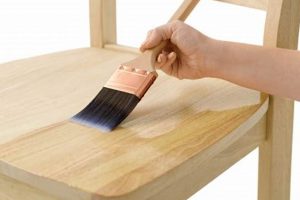
Various methods exist for applying coatings, including brushing, wiping, and spraying. The choice of method depends on the specific product, the size and complexity of the project, and the desired aesthetic. Brushing is suitable for detailed work, while wiping is often preferred for penetrating oils. Spraying offers a consistent, even coat but requires specialized equipment and ventilation.
- Layering and Drying
Applying multiple thin coats is generally preferable to a single thick coat. This allows for better penetration, reduces the risk of runs or drips, and promotes even drying. Adhering to the manufacturer’s recommended drying times between coats is critical to prevent tackiness and ensure proper curing. Premature application of subsequent coats can trap solvents, leading to a compromised finish.
- Buffing and Maintenance
Post-application processes, such as buffing, can enhance the sheen and smoothness of the finish. Regular maintenance, including cleaning with appropriate products and reapplying maintenance coats, is essential to preserving the finish’s protective qualities and aesthetic appeal over time. Neglecting maintenance can lead to premature wear, requiring more extensive and costly repairs.
These elements converge when, for instance, applying tung oil to a tabletop. Proper sanding prepares the surface; wiping ensures deep penetration; thin layers avoid tackiness; and regular waxing maintains water resistance and sheen. Thus, careful application ensures a beautiful, durable finish. Incorrect application undermines performance and aesthetics. Mastering these techniques optimizes the benefits of these types of treatments, guaranteeing results.
3. Drying Characteristics

The drying characteristics of a wood coating are a fundamental attribute governing its overall performance and suitability for specific applications. This term refers to the process by which the liquid coating transforms into a solid film, involving solvent evaporation, oxidation, and/or polymerization reactions. Understanding these mechanisms is essential when working with these materials because the drying process directly impacts the final appearance, hardness, durability, and protective qualities of the finished surface. For instance, linseed oil, a common component in many formulations, cures primarily through oxidation, a process that can take several days or even weeks depending on environmental conditions. Inadequate drying can result in a soft, tacky surface that is susceptible to damage and attracts dust.
Conversely, shellac, another finish option, dries primarily through solvent evaporation, leading to a much faster drying time. This rapid drying can be advantageous in situations where quick turnaround is required, but it also necessitates a more skilled application technique to avoid brush marks or uneven coverage. The addition of driers, typically metallic salts, can accelerate the oxidation process of oil-based coatings, reducing the drying time and improving the overall hardness of the film. However, excessive use of driers can lead to premature embrittlement and cracking. The choice of solvent also plays a significant role in drying. More volatile solvents evaporate quickly, while slower-evaporating solvents allow for better leveling and reduced brush marks. Therefore, careful selection of materials and application techniques is crucial to optimize the drying process and achieve the desired results.
In summary, the drying characteristics of a wood coating are a critical factor that must be carefully considered to ensure a successful application. Factors such as material composition, environmental conditions, and the use of driers and solvents all influence the drying process and ultimately affect the performance and longevity of the finish. A thorough understanding of these principles is essential for achieving durable, aesthetically pleasing, and protective coatings, underscoring its importance in wood finishing.
4. Durability Assessment

Durability assessment for timber surface treatments involves evaluating a coating’s resistance to wear, abrasion, impact, and environmental factors, directly influencing a wood product’s lifespan and appearance. These finishes, while often prized for their aesthetic qualities and ecological benefits, can vary significantly in their protective capabilities compared to synthetic alternatives. Assessments often include subjecting finished wood samples to standardized tests that simulate real-world conditions, such as exposure to UV radiation, humidity cycles, and repeated cleaning or abrasion. The performance under these conditions determines suitability for diverse applications, ranging from furniture to flooring.
Consider, for example, the application of linseed oil on a heavily used dining table versus a shellac coating on a decorative box. The dining table, subjected to frequent spills and abrasion from plates and utensils, would require a more durable treatment, possibly involving multiple coats of hardened oil or a blend with waxes for increased scratch resistance. Shellac, while providing an elegant finish, is more susceptible to damage from moisture and heat, making it a less suitable choice for high-traffic surfaces. Accurate durability assessment informs proper treatment selection and influences maintenance protocols. Inadequate assessment leads to premature coating failure, necessitating costly repairs or replacement, and undermining the sustainability benefits associated with resource use.
In conclusion, durability assessment is a critical component in the successful application and preservation of timber surfaces. It enables informed decision-making, ensuring treatments are appropriately matched to intended use and environmental exposure. While these finishes may offer appealing aesthetic and environmental attributes, a rigorous evaluation of durability is essential to maximizing wood product longevity and minimizing long-term maintenance costs. Failing to prioritize these considerations results in compromised product performance and diminished sustainability outcomes.
5. Maintenance Requirements

The longevity and aesthetic appeal of surfaces treated with naturally-derived materials are directly correlated with diligent maintenance. Proper upkeep extends the lifespan of such finishes, preserving both the protective qualities and inherent beauty of the wood.
- Regular Cleaning
Dust, dirt, and grime accumulation detracts from the appearance and can accelerate wear. Frequent dusting and occasional cleaning with mild, pH-neutral cleaners are essential. Harsh chemicals should be avoided as they can strip the finish, leading to discoloration or damage. For example, furniture finished with beeswax requires regular dusting and occasional buffing to maintain its sheen.
- Reapplication of Finish
Many treatments penetrate the wood rather than forming a thick, impervious layer. As such, they gradually wear away with use. Periodic reapplication of the finish is necessary to replenish protection and maintain the desired appearance. Linseed oil finishes, for instance, require reapplication every few years, depending on the level of use and exposure to the elements.
- Protection from Moisture and Heat
Coatings generally offer limited protection against moisture and heat compared to synthetic alternatives. Spills should be wiped up promptly, and hot items should not be placed directly on finished surfaces. Failure to protect against moisture can lead to water stains, swelling, or warping of the wood. Excessive heat can cause finishes like shellac to soften or blister.
- Addressing Scratches and Damage
Minor scratches and blemishes can often be addressed with touch-up applications of the original finish. More significant damage may require sanding and refinishing the affected area. Prompt attention to damage prevents further deterioration and preserves the overall appearance of the wood.
These maintenance considerations are paramount to ensuring the sustained beauty and protective qualities of surfaces with natural treatments. Consistent attention to these requirements extends the lifespan of the finish, preserving both its function and aesthetic value. While synthetic alternatives may offer lower immediate maintenance needs, the ongoing care of surfaces enhances their durability and visual appeal over time.
6. Environmental Impact

The environmental impact of timber surface treatments is a multifaceted consideration encompassing raw material sourcing, manufacturing processes, application, and end-of-life disposal. Coatings derived from renewable resources, such as plant-based oils and natural resins, generally present a reduced ecological footprint compared to synthetic alternatives originating from petrochemicals. The extraction, processing, and transportation of these renewable resources, however, are not without environmental consequences. Responsible forestry practices, sustainable harvesting, and minimized transportation distances are crucial to mitigating the impact associated with raw material acquisition. Manufacturing processes also play a significant role; the energy consumption, waste generation, and use of volatile organic compounds (VOCs) during production influence the overall environmental burden. For example, coatings with high VOC content contribute to air pollution and can pose health risks to applicators and occupants.
Application techniques, including the use of appropriate equipment and proper ventilation, affect the amount of coating released into the environment. Overspray and improper disposal of waste materials can lead to soil and water contamination. The durability and longevity of a finish also factor into its environmental performance; a durable finish requires less frequent reapplication, reducing the consumption of resources and minimizing waste. Furthermore, the end-of-life disposal of treated wood products presents challenges. Coatings that are biodegradable or compostable offer a more sustainable alternative to those that persist in the environment. Examples include finishes composed of natural oils and waxes that can break down naturally, contrasting with synthetic coatings that may persist for extended periods in landfills. The choice between different types based on their environmental properties often informs the selection process for ecological building projects, aiming to minimize overall environmental burden.
In conclusion, the environmental impact is a critical consideration in selecting timber surface treatments. By evaluating the entire lifecycle of a product, from raw material sourcing to end-of-life disposal, informed decisions can be made to minimize ecological harm. While treatments derived from renewable resources generally offer environmental advantages, responsible sourcing, efficient manufacturing, and proper application are essential to realizing their full potential. Addressing the challenges associated with waste disposal and promoting the development of biodegradable alternatives are crucial steps toward a more sustainable approach to wood finishing. Prioritizing environmental considerations contributes to preserving natural resources, reducing pollution, and promoting a healthier environment for present and future generations.
7. Aesthetic Properties
The inherent visual characteristics imparted by timber surface treatments significantly influence the perceived value and desirability of wood products. These aesthetic qualities, encompassing color, texture, and sheen, are intrinsically linked to the choice of finish and application technique. The selection process should consider the desired aesthetic effect in conjunction with the functional requirements of the treated surface.
- Color Enhancement and Modification
Finishes alter the natural color of wood, either enhancing existing tones or introducing new hues. Transparent coatings accentuate the grain pattern and inherent color variations, while tinted finishes impart a specific shade. The choice of oil, wax, or stain affects color depth and intensity. For instance, linseed oil typically imparts a warm, amber tone, whereas certain stains can introduce colors ranging from deep mahogany to light oak. In interior design, color choices are critical for creating specific ambiances or complementing existing decor.
- Texture Accentuation and Tactile Qualities
Surface treatments can enhance the texture of wood, emphasizing the grain and creating a tactile experience. Penetrating oils saturate the wood fibers, bringing out the natural texture. Film-forming finishes, such as shellac, can create a smooth, glossy surface, altering the tactile perception. The choice of application method, such as brushing or wiping, also affects the final texture. Furniture crafted with a hand-rubbed finish often exhibits a rich, tactile quality that is highly valued.
- Sheen Control and Light Reflectance
The level of sheen, ranging from matte to high-gloss, significantly impacts the visual appeal of a finished surface. Sheen refers to the amount of light reflected by the coating. Matte finishes absorb light, creating a subtle, understated appearance, while gloss finishes reflect light, adding brightness and visual interest. The selection of sheen level depends on the desired aesthetic effect and the intended use of the treated surface. For example, flooring often benefits from a low-sheen finish to minimize glare and conceal imperfections.
- Grain Definition and Visual Depth
Surface treatments can enhance the grain pattern of wood, creating visual depth and dimension. Penetrating oils saturate the wood fibers, making the grain more pronounced. Certain staining techniques can highlight specific grain patterns, adding visual interest. The choice of wood species also affects the grain definition. For instance, oak and maple exhibit distinctive grain patterns that can be enhanced with the appropriate finish, while finishes on cherry or walnut creates depth.
The discussed qualities all converge on elements with natural treatments, like wooden toys coated with beeswax. The wax highlights the natural grain and provides a gentle sheen, thus appealing to children. Similarly, applying oil to furniture creates appealing aesthetics. Thus, consideration of aesthetic components in wood surface treatments guarantees outcomes.
Frequently Asked Questions About Natural Wood Finishes
This section addresses common inquiries and clarifies misunderstandings concerning the selection, application, and maintenance of timber surface treatments.
Question 1: What constitutes a truly “natural” wood finish?
A genuinely natural finish is derived primarily from renewable resources such as plant-based oils, waxes, and resins. The composition should minimize or eliminate synthetic additives, solvents, and petroleum-based ingredients. Transparency regarding the product’s ingredient list is essential for accurate assessment.
Question 2: How do options compare to synthetic counterparts in terms of durability?
Generally, treatments offer less resistance to abrasion, chemicals, and moisture than synthetic finishes. However, specific formulations and application techniques can enhance their durability. Regular maintenance is crucial to preserving their protective qualities. Consider traffic levels before selection.
Question 3: What are the primary advantages of selecting natural coatings?
Advantages include enhanced aesthetic appeal, low VOC emissions, and the use of renewable resources. These finishes accentuate the wood’s grain and texture while minimizing environmental impact and potential health risks associated with synthetic products.
Question 4: What preparation steps are essential before applying a natural coating?
Thorough surface preparation is paramount. The wood must be clean, dry, and free from any existing finishes or contaminants. Sanding to a smooth, uniform surface ensures optimal penetration and adhesion of the finish. Proper preparation prevents adhesion problems.
Question 5: How often should surfaces with natural treatments be re-coated?
The frequency of re-coating depends on the type of finish, the level of use, and environmental conditions. Surfaces subjected to heavy traffic or frequent exposure to moisture may require more frequent reapplication. Regular inspection and maintenance are crucial for determining the appropriate re-coating schedule.
Question 6: Are natural wood finishes suitable for outdoor applications?
Certain natural finishes, such as those formulated with tung oil or teak oil, offer good resistance to moisture and UV radiation, making them suitable for some outdoor applications. However, regular maintenance and protection from extreme weather conditions are essential to prolong their lifespan.
The understanding of these FAQs ensures informed decisions that improve the selection of timber surface treatments and improves outcomes for consumers.
The next section will delve into case studies illustrating the successful application in various projects.
Natural Wood Finishes
This exposition has illuminated the multifaceted nature of timber surface treatments. It underscored the significance of material composition, application technique, drying characteristics, durability assessment, maintenance requirements, environmental impact, and aesthetic properties. Understanding these interconnected elements is paramount for informed selection and application, maximizing the long-term performance and sustainability of these finishes.
The informed application of natural wood finishes represents a commitment to both aesthetic excellence and environmental responsibility. Continued research and development in this domain are essential to further enhancing their durability, expanding their application possibilities, and minimizing their ecological footprint. The responsible use of natural wood finishes contributes to a future where beauty and sustainability coexist harmoniously.