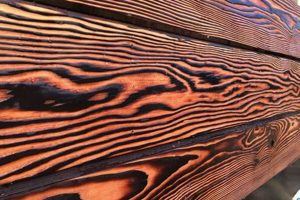
The technique imparts a weathered, aged, or distressed aesthetic to wooden surfaces. This appearance is often achieved through methods such as distressing, texturing, and specific staining processes, resulting in surfaces that evoke a sense of history and natural imperfection. Examples include furniture with intentionally worn edges, flooring with simulated age marks, or paneling that highlights the wood’s natural grain and knots.
This surface treatment offers several advantages. It can effectively conceal minor imperfections in the wood, reducing the need for flawless materials. Furthermore, it contributes to a warm and inviting atmosphere in interior design. Historically, this style resonated with the Arts and Crafts movement and remains a popular choice for those seeking a connection to natural elements and a less formal aesthetic. Its adaptability allows integration into various design schemes, from traditional to contemporary.
Understanding the principles and methods behind achieving this aesthetic allows for informed decision-making in woodworking projects, interior design choices, and furniture selection. The following sections will delve into specific techniques, materials, and application strategies employed to create this desirable surface treatment on wood.
Essential Guidance for Achieving a Desired Surface Treatment on Timber
The following points provide crucial considerations for attaining the specific weathered or aged characteristics on wooden materials.
Tip 1: Surface Preparation is Paramount: Proper sanding and cleaning are crucial before any application. The surface must be free of any contaminants that could impede adhesion of stains or finishes.
Tip 2: Distressing Techniques Should Be Deliberate: Employ tools like chains, hammers, or wire brushes to create intentional imperfections. The level of distressing should align with the desired level of aging.
Tip 3: Strategic Stain Application is Key: Utilize multiple stain colors and techniques to build depth and complexity. Layering stains allows control over the final color and highlights natural grain variations.
Tip 4: Consider a Dry Brush Technique: Applying a light coat of paint or stain with a dry brush over a base coat can enhance the texture and create a worn appearance.
Tip 5: Understand Sealing and Protection: A durable topcoat is essential to protect the finish from wear and tear. Choose a matte or satin finish to maintain the authentic aesthetic.
Tip 6: Address Edges and Corners: Focus extra attention on edges and corners, as these areas naturally show wear over time. Sanding or distressing these areas more aggressively enhances the aged effect.
Tip 7: Test on Sample Pieces: Before applying any technique to the final piece, test the process on sample wood to ensure the desired outcome is achieved.
Adhering to these recommendations enhances the chances of success. Careful preparation, deliberate execution, and appropriate protection are integral to realizing the target style.
The next sections will discuss common mistakes encountered during this process and strategies for avoiding them.
1. Preparation and Selection

The attainment of a specific distressed or aged aesthetic on wooden surfaces hinges critically on two preliminary phases: preparation and selection. The choice of wood species and the thoroughness of initial preparation directly influence the final visual and tactile properties. Different wood types exhibit varying grain patterns, densities, and absorption rates, all of which will affect the application and penetration of stains, paints, or other finishing materials. Softwoods, such as pine, for example, will react differently to distressing techniques compared to hardwoods like oak. The presence of knots and natural imperfections, inherent to the wood itself, may either enhance or detract from the desired visual outcome, depending on the intended aesthetic.
Effective preparation involves meticulous sanding to create a receptive surface for subsequent treatments. Removing any pre-existing finishes, contaminants, or inconsistencies is crucial to ensure uniform adhesion and color absorption. The degree of sanding should align with the intended level of distress; for instance, leaving some minor imperfections intact may contribute to an authentically aged appearance. Selecting the appropriate tools and materials for distressing is also paramount. Using a wire brush on a softer wood will yield a different texture and appearance than using it on a denser wood. Therefore, thoughtful material selection impacts how this is achieved. Ignoring either of these initial steps will substantially diminish the likelihood of achieving the desired visual.
In conclusion, careful consideration during the preparation and selection phase is fundamental to the success of any project aiming for an aged aesthetic on wood. Recognizing the inherent properties of different wood species and executing thorough surface preparation ensures that subsequent distressing and finishing techniques are applied effectively. This proactive approach minimizes potential challenges and maximizes the likelihood of achieving the intended aesthetic, underscoring the importance of these early stages in the overall process. Ultimately, these decisions will provide the base for all following techniques and determine the success of this technique.
2. Distressing Techniques

Distressing techniques are integral to achieving a rustic finish on wood. These methods intentionally introduce imperfections and signs of wear, simulating the effects of age and use. The application of such techniques directly causes the wood to exhibit characteristics associated with rustic aesthetics, such as worn edges, surface textures, and an overall sense of antiquity. Without distressing, the wood retains a clean, often uniform appearance that lacks the desired character. For instance, hammering or chain distressing on furniture creates indentations and marks, replicating the appearance of age-related damage, directly contributing to the desired aesthetic.
The specific techniques employed vary depending on the desired outcome and the type of wood. Sanding edges to expose underlying layers, using wire brushes to create texture, or even incorporating artificial wormholes are common practices. Each technique has a distinct effect on the wood’s surface and contributes to the overall impression. In practical applications, understanding these techniques allows artisans and manufacturers to control the level and type of distressing, tailoring the finish to specific design requirements. For example, a farmhouse-style table may require more aggressive distressing to emphasize its aged appearance, while a rustic bookshelf may benefit from subtler techniques that highlight the wood’s natural grain.
In conclusion, distressing techniques are indispensable for imparting a rustic finish to wood. These methods directly influence the wood’s appearance, creating the desired imperfections and aged aesthetic. The ability to understand and apply these techniques effectively allows control over the final result, ensuring that the finish aligns with design objectives. The practical significance of this understanding is evident in various applications, from furniture making to interior design, where the authentic replication of age and wear is essential. However, achieving the desired results often presents challenges, requiring a deep understanding of these techniques.
3. Stain Application

Stain application is an indispensable component in achieving a specific aged or weathered aesthetic on timber. The process directly influences the color, depth, and overall character of the finished piece, acting as a primary driver in replicating the appearance of age and wear on wood surfaces.
- Color Selection and Replication
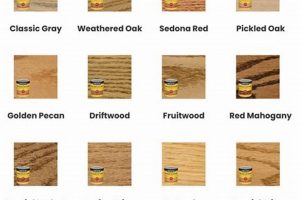
The choice of stain color is paramount. Darker, muted tones often emulate the discoloration and aging processes that occur naturally over time. Furthermore, the application of multiple stain colors, layered strategically, can mimic the nuanced color variations observed in aged wood. For example, a base layer of dark brown followed by a lighter, gray-toned stain can create a complex, weathered look. The stain color and technique directly replicate the signs of aging.
- Penetration and Grain Enhancement
Stains penetrate the wood grain, accentuating its natural texture and characteristics. This penetration highlights the wood’s inherent beauty while simultaneously creating visual depth. In rustic finishes, the goal is often to emphasize the grain, allowing it to become a prominent feature of the surface. This can be achieved by using penetrating oil stains that soak deeply into the wood fibers or by selectively wiping away excess stain to accentuate the grain pattern. If stain penetration is applied correctly, the overall look of the wood is improved.
- Distressing and Stain Interaction
Stain application often interacts directly with pre-existing distressed elements. For instance, if a surface has been physically distressed with tools, the stain will collect in the imperfections, accentuating the texture and enhancing the aged appearance. The stain effectively “ages” the distressed areas, making them appear more pronounced and authentic. Thus, Stain is essential to highlight the rustic look and aging process,.
- Sealing and Protection
The choice of sealant after stain application is vital in achieving the final look. Matte or satin sealants are frequently preferred over high-gloss finishes, as they maintain the natural, aged appearance of the wood and prevent an overly polished look. Furthermore, some sealants contain UV inhibitors that protect the stain from fading or discoloration over time, ensuring the longevity of the finish. Overall, if the correct sealant isn’t chosen, the end result will be completely different and ruin the aesthetic
These elementscolor selection, penetration, interaction with distressed areas, and sealingwork in concert to create the desired aesthetic. Their combined effect significantly contributes to the overall goal of authentically replicating the appearance of aging, weathering, and natural wear on wooden surfaces. The techniques above are what make the technique worth learning.
4. Protective Coatings
The application of protective coatings to wood surfaces exhibiting a specific weathered or aged aesthetic represents a critical final step in preserving the intended visual characteristics. The primary function of these coatings is to shield the underlying stained or distressed wood from environmental factors, physical abrasion, and chemical damage, thereby extending the lifespan of the finish. The selection of an appropriate protective coating directly influences the long-term appearance and durability of the rustic surface. For example, a matte polyurethane coating, when applied over a distressed and stained wooden table, safeguards the surface from scratches, spills, and UV damage, while simultaneously maintaining the intended flat, non-reflective visual.
Various types of coatings are available, each offering distinct properties. Water-based acrylics provide good UV resistance and low VOC emissions, making them suitable for indoor applications. Oil-based polyurethanes offer increased durability and resistance to solvents, making them appropriate for high-traffic areas or surfaces subject to frequent cleaning. Waxes and oils provide a more natural look and feel but typically offer less protection against abrasion and moisture. The correct selection of a coating must balance the desired level of protection with the need to preserve the authenticity of the rustic aesthetic. A high-gloss coating, for instance, would detract from the aged appearance, while a matte or satin finish enhances the intended visual.
In conclusion, protective coatings play a pivotal role in preserving the integrity and longevity of finishes. The choice of coating directly influences the durability, appearance, and maintenance requirements of the surface. Careful consideration of these factors is essential to ensure that the wood maintains its intended aesthetic over time. The selection of these materials are as important as the rustic style aesthetic itself.
5. Design Integration

The successful incorporation of a rustic aesthetic within a broader design scheme necessitates a careful consideration of its contextual relationship with other elements. The surface treatment of wood does not exist in isolation; rather, its impact is amplified or diminished based on its interaction with surrounding materials, colors, textures, and spatial arrangements. Consequently, effective design integration becomes a critical determinant of the overall visual harmony and desired ambiance. A failure to integrate this aesthetic thoughtfully can result in incongruence, undermining the intended effect. The intentional placement of a reclaimed wood beam within a modern, minimalist living room exemplifies successful design integration. The beam’s surface, with its inherent irregularities and timeworn character, serves as a focal point, juxtaposing the sleek lines and smooth surfaces of the surrounding contemporary elements. This deliberate contrast generates visual interest and elevates the overall design.
In practical application, design integration requires an understanding of the principles of balance, proportion, and visual hierarchy. The intensity of the surface treatment should align with the intended mood and function of the space. An excessively distressed surface may overwhelm a smaller room, while a subtly aged finish may be lost in a larger, more ornate setting. Furthermore, the color palette of the wood finish should complement the surrounding decor, creating a cohesive and visually appealing environment. Consider the example of a kitchen featuring cabinets with a weathered surface treatment. If the surrounding countertops are made of polished granite and the backsplash consists of glossy ceramic tiles, the aesthetic may appear disjointed. However, if the countertops are made of honed concrete or butcher block, and the backsplash consists of matte-finished stone or reclaimed brick, the aesthetic becomes harmonious and integrated.
In summary, design integration is an indispensable aspect of incorporating any surface treatment into a cohesive design. The thoughtful consideration of context, balance, and visual hierarchy ensures that the wood finish enhances, rather than detracts from, the overall aesthetic. Challenges in achieving successful integration often stem from a lack of awareness of the interconnectedness of design elements and an overreliance on isolated stylistic choices. By recognizing the interplay between the treated surface and its surroundings, designers can effectively leverage its inherent characteristics to create spaces that are both visually appealing and functionally coherent. Consequently, design integration is the bridge that makes it possible to implement this style effectively.
Frequently Asked Questions
The following section addresses common inquiries and misconceptions regarding the application, maintenance, and suitability of aged surface treatments on wooden materials.
Question 1: Is a particular wood species better suited for this type of surface treatment?
While a broad range of wood species can be utilized, softer woods, such as pine, tend to accept distressing techniques more readily than hardwoods. However, hardwoods, such as oak, offer greater durability and resistance to wear, making them suitable for high-traffic applications.
Question 2: How is the level of distressing controlled?
The intensity of distressing is managed through the careful selection of tools and the application of controlled pressure. Techniques such as chain distressing, wire brushing, and sanding can be adjusted to achieve varying degrees of wear and texture.
Question 3: What type of sealant should be used to protect the finish?
Matte or satin sealants are generally recommended to maintain the authentic appearance of the aged aesthetic. High-gloss sealants can detract from the intended visual. The sealant should also offer adequate protection against moisture, UV exposure, and abrasion.
Question 4: Can rustic finish be applied to pre-existing furniture?
Yes, this can be applied to pre-existing furniture, provided the surface is properly prepared. Existing finishes must be removed, and the wood surface must be thoroughly cleaned and sanded before distressing and staining.
Question 5: How should surfaces be cleaned and maintained?
Cleaning should be performed with a mild soap and water solution. Abrasive cleaners and harsh chemicals should be avoided, as they can damage the finish. Regular dusting and occasional waxing can help maintain the surface’s appearance.
Question 6: Is this finish suitable for outdoor applications?
Special considerations are necessary for outdoor applications. The wood must be treated with a weather-resistant sealant and protected from prolonged exposure to moisture and direct sunlight. Certain wood species, such as cedar and redwood, are naturally more resistant to weathering and are better suited for outdoor use.
In summary, achieving the desired aged appearance on wood requires careful attention to material selection, technique, and maintenance. Understanding these principles is essential for ensuring the longevity and aesthetic integrity of the finished product.
The following section will explore potential future trends in this finishing process.
Conclusion
The preceding exploration has detailed the multifaceted nature of the process. From meticulous surface preparation to the nuanced application of distressing techniques, stain layering, and protective coatings, the achievement of an authentic and durable aged appearance necessitates a comprehensive understanding of interdependent variables. Design integration further underscores the importance of contextual awareness, highlighting the symbiotic relationship between the surface treatment and its surrounding environment.
The continued pursuit of improved methodologies and innovative materials will undoubtedly shape future trends. Architects, designers, and woodworkers are encouraged to apply this knowledge to inform their creative processes, fostering innovation and preserving the enduring appeal of this style. The enduring appeal of surfaces treated in such a way promises a sustained relevance in both residential and commercial design applications.