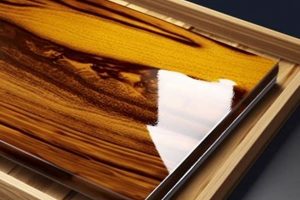
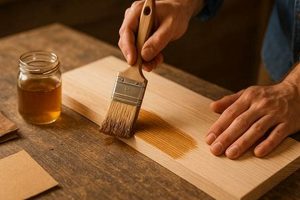
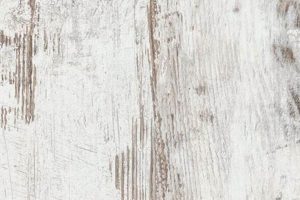
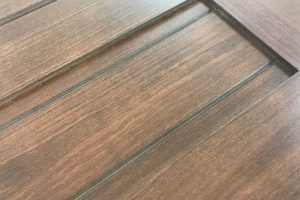
A surface treatment designed to impart a timeworn, aged appearance to wooden items or structures is characterized by emphasizing natural imperfections. This style often incorporates techniques like distressing, staining, and the application of textured coatings to mimic the effects of weathering and use over time. For example, a newly constructed table can be treated to resemble a salvaged antique with visible grain patterns and simulated wear marks.
The appeal of this aesthetic lies in its ability to evoke a sense of history, warmth, and authenticity. Its inherent durability and forgiving nature make it suitable for high-traffic areas and pieces intended for daily use, minimizing the appearance of wear and tear. Historically, this approach reflects an appreciation for handcrafted goods and materials sourced directly from the environment, aligning with sustainable and eco-conscious design principles.
Understanding the techniques involved, selecting appropriate materials, and properly maintaining this kind of treatment are critical to achieving the desired outcome. The following sections will explore various methods, wood types best suited for this treatment, and best practices for preserving the unique character of such surfaces.
Achieving an Authentic Rustic Appearance
This section offers practical guidance for successfully implementing a weathered, aged look on wooden surfaces. Careful consideration of these tips will aid in achieving a durable and aesthetically pleasing result.
Tip 1: Proper Wood Selection is Paramount. Opt for wood species with pronounced grain patterns, such as oak, pine, or hickory. These woods readily accept stains and distressing techniques, enhancing the desired rustic character.
Tip 2: Surface Preparation is Critical. Thoroughly sand the wood surface to remove any existing finishes or imperfections. This ensures proper adhesion of stains, paints, or other treatments.
Tip 3: Employ Distressing Techniques Judiciously. Introduce simulated wear and tear using tools such as chains, wire brushes, or hammers. Exercise restraint to avoid an overly artificial or contrived appearance.
Tip 4: Layering Stains Enhances Depth. Apply multiple layers of stain in varying shades to create visual complexity and highlight the wood’s natural grain. Allow each layer to dry completely before proceeding.
Tip 5: Consider a Matte Finish for Authenticity. Select a matte or low-gloss topcoat to minimize reflectivity and accentuate the timeworn quality. This will create a more natural and less processed look.
Tip 6: Utilize Dry Brushing Techniques. Employ dry brushing with subtly contrasting paint colors to add highlights and simulate years of accumulated grime. This technique works best over a base coat of stain.
Tip 7: Incorporate a Glaze for Added Dimension. A glaze can be applied over the stain to settle into crevices and accentuate the distressed texture. Wipe away the excess glaze to achieve the desired level of depth.
By adhering to these principles, one can effectively create a surface with enhanced character and a convincing aged aesthetic. The result is a piece that evokes a sense of history and enduring appeal.
The final section will provide information on the maintenance and care of surfaces treated in this style, ensuring longevity and preserving the desired aesthetic.
1. Durability & Protection

The longevity and resilience of a wooden surface treated with an aged aesthetic are intrinsically linked to appropriate protective measures. The techniques used to create the characteristic weathered appearance, such as distressing and staining, can, if improperly executed or left unsealed, compromise the wood’s structural integrity and susceptibility to environmental factors. Therefore, the selection and application of durable protective coatings become paramount, transforming a decorative treatment into a long-lasting finish. For example, a reclaimed wood table, purposefully distressed to reveal its history, requires a robust sealant to prevent moisture penetration and protect against further wear and tear from daily use.
Considerations extend beyond mere surface sealing. The choice of protective finish must be compatible with the chosen staining or distressing methods. Certain finishes may react adversely with specific stains, leading to discoloration or peeling. Similarly, applying an overly glossy finish can negate the intended timeworn appearance, diminishing the visual impact. In scenarios where the wood is exposed to high humidity or frequent contact with liquids, such as in kitchen countertops or outdoor furniture, the protective finish must possess enhanced water resistance and UV protection capabilities. Penetrating oils, often employed to enhance the wood’s natural grain, require periodic reapplication to maintain their protective qualities.
In conclusion, durability and protection are not merely supplementary aspects but rather integral components of a successfully executed weathered aesthetic. The careful selection and application of protective finishes ensure the longevity and continued aesthetic appeal of the treated wood. Neglecting these elements undermines the intended effect and ultimately reduces the lifespan of the piece. The key lies in balancing the desired visual effect with the practical need for long-term preservation.
2. Grain Pattern Enhancement
The deliberate accentuation of natural wood grain constitutes a core element in achieving a convincing aged or timeworn aesthetic. The inherent texture and figure of the wood are not merely tolerated but actively highlighted to amplify the desired visual impact.
- Staining and Coloring Techniques
Strategic application of stains, often in multiple layers or contrasting tones, serves to deepen the visual impact of the grain. Darker stains tend to settle into the porous areas of the wood, emphasizing the contrast between earlywood and latewood. Conversely, lighter stains can highlight the raised portions of the grain, creating a subtle yet noticeable texture. The choice of stain color directly influences the perceived age and character of the treated wood, with warmer tones often evoking a sense of antiquity.
- Distressing Methods
Physical distressing techniques, such as wire brushing or sanding, can further enhance the grain by selectively removing softer portions of the wood. This process creates a tactile texture and exposes the underlying grain patterns, contributing to the overall weathered appearance. The direction and intensity of the distressing should be carefully considered to avoid an artificial or contrived look. For example, wire brushing along the grain, rather than against it, will produce a more natural and aesthetically pleasing result.
- Texturing Additives
The incorporation of texturing additives, such as wood fillers or pastes, can artificially simulate the appearance of pronounced grain. These materials can be applied to create raised or recessed areas, mimicking the natural variations found in aged or weathered wood. When used judiciously, these additives can effectively enhance the grain pattern and contribute to the overall rustic aesthetic. However, excessive use can result in an unnatural or artificial appearance, detracting from the desired effect.
- Sealing and Finishing
The choice of sealant and finish plays a critical role in preserving and accentuating the enhanced grain pattern. Matte or low-gloss finishes are generally preferred, as they minimize reflectivity and highlight the natural texture of the wood. Glossy finishes, on the other hand, can obscure the grain and create an overly polished appearance, detracting from the rustic aesthetic. Penetrating oils can also be used to enhance the grain and provide a durable protective layer, while allowing the wood to retain its natural feel.
The effectiveness of grain pattern enhancement hinges on a cohesive approach that integrates appropriate staining, distressing, texturing, and finishing techniques. When executed skillfully, this element substantially contributes to the authenticity and visual appeal of pieces showcasing a rustic wood finish.
3. Surface texture variation

Surface texture variation is a defining characteristic of a weathered or aged aesthetic on wood. It arises from a confluence of factors, including natural wood grain irregularities, deliberate distressing techniques, and the cumulative effects of environmental exposure over time. The absence of a perfectly uniform surface is not a flaw but an intentional feature, contributing significantly to the perception of authenticity and historical depth. For instance, reclaimed barn wood exhibits pronounced variations due to decades of weathering, resulting in a texture that cannot be replicated through purely artificial means. The interplay of raised grain, knot imperfections, and indentations creates a tactile and visual richness that distinguishes a truly aged surface from a merely imitation.
The manipulation of surface texture serves several practical purposes beyond aesthetics. Variations can improve grip and reduce slipperiness in flooring or furniture applications. In furniture construction, carefully placed irregularities can mask minor imperfections or structural joints, enhancing the overall design. Distressing techniques, such as wire brushing or planing, strategically remove softer wood fibers, accentuating the remaining grain and creating a visually dynamic surface. Furthermore, these techniques can prepare the wood for better adhesion of stains and finishes, ultimately improving the durability and longevity of the treated piece. Consider a hand-planed table top, where subtle undulations and tool marks become integral design elements, providing both visual interest and tactile engagement.
Understanding the link between surface texture variation and the desired aesthetic is crucial for achieving convincing results. The goal is not simply to introduce random imperfections but to create a cohesive and believable narrative of age and use. This requires careful consideration of wood species, the selection of appropriate distressing techniques, and the skillful application of finishes that enhance the texture rather than obscure it. Challenges arise in consistently replicating the effects of natural weathering or in scaling up hand-applied techniques for mass production. Ultimately, a successful application of surface texture variation elevates a wooden piece from a mere object to an artifact that resonates with history and character.
4. Color palette selection

Color palette selection exerts a definitive influence on the perceived authenticity and aesthetic appeal of a rustic wood finish. The hues and tones chosen either reinforce or undermine the intended effect of age, wear, and natural character. For instance, employing overly saturated or synthetic-looking colors directly contradicts the essence of the aesthetic, resulting in a contrived or artificial impression. Conversely, a carefully curated palette of earth tones, muted shades, and historically accurate colors can effectively mimic the effects of weathering and the passage of time. The selection process involves a consideration of both the wood species and the desired end result. The natural undertones of the wood will influence the final color appearance, and a deep understanding of color theory is critical to avoid unintended or undesirable outcomes. The effectiveness of the rustic wood finish relies heavily on the understanding and implementation of an appropriate color palette.
Furthermore, the application technique of the chosen colors directly impacts the perceived texture and depth of the finish. Layering different shades, distressing techniques that reveal underlying colors, and the use of glazes or washes to accentuate grain patterns are all methods through which color palette selection enhances the surface characteristics. The successful integration of these techniques demands a keen eye for detail and a thorough understanding of the properties of various coloring agents. For example, dry brushing a light-colored paint over a dark stain can effectively highlight raised grain and simulate the effect of years of accumulated wear. Choosing colors with appropriate lightfastness is also crucial, as fading or discoloration over time can compromise the desired aesthetic.
In summation, color palette selection constitutes an indispensable element in the creation of a convincing rustic wood finish. It is a multifaceted process that demands careful consideration of wood species, historical accuracy, application techniques, and the long-term durability of the chosen colors. The successful implementation of a well-chosen color palette elevates the final product, imbuing it with a sense of history, authenticity, and enduring visual appeal. The mastery of this element requires both technical skill and an appreciation for the nuances of color and its impact on the perception of texture and age.
5. Application technique mastery

The successful realization of a rustic wood finish hinges critically upon the mastery of various application techniques. The inherent character of this aesthetic its emphasis on natural imperfections, simulated wear, and aged appearance demands a nuanced understanding of how different tools and methods interact with wood. Incompetent application undermines the desired outcome, resulting in a contrived or unconvincing result, regardless of the quality of materials employed. For instance, improper staining techniques can lead to blotchy or uneven coloration, obscuring the wood’s grain and detracting from the intended rustic charm. Similarly, unskilled distressing can appear forced or artificial, negating the illusion of genuine age.
Specific application techniques, such as dry brushing, layering stains, and controlled distressing, directly contribute to the distinctive visual properties of the rustic finish. Dry brushing, when executed proficiently, deposits subtle highlights and lowlights, accentuating texture and simulating the accumulation of dirt and grime over time. Layering stains allows for the creation of depth and complexity, mimicking the gradual changes in color and tone that occur naturally with age and exposure. Controlled distressing, using tools such as chains, wire brushes, or chisels, requires careful calibration to avoid over-manipulation, ensuring that the simulated wear appears authentic and contextually appropriate. A skilled craftsman understands the cause-and-effect relationship between technique and visual outcome, adapting methods to suit the specific wood species, desired level of aging, and overall design aesthetic. The mastery of these application techniques is essential for the creation of an authentic and appealing rustic wood finish.
In summary, application technique mastery serves as the cornerstone for achieving a convincing rustic wood finish. The successful manipulation of staining, distressing, and texturing techniques allows for the creation of depth, character, and a genuine sense of age. Overcoming the challenges associated with replicating natural processes requires a combination of technical skill, artistic sensibility, and a deep understanding of wood properties. As such, application technique mastery is not merely a procedural skill but an essential component in the broader craft of creating authentic and compelling rustic wood finishes.
Frequently Asked Questions
This section addresses common inquiries and misconceptions regarding the application, maintenance, and characteristics of a rustic wood finish. The information provided aims to clarify the processes and expectations associated with this aesthetic.
Question 1: Is a rustic wood finish suitable for high-moisture environments, such as bathrooms?
The suitability of a rustic wood finish in high-moisture environments depends on the wood species, sealant used, and the extent of direct water exposure. Certain hardwoods, like teak or cedar, possess natural water resistance. Proper sealing with a moisture-resistant polyurethane or epoxy resin is crucial. However, prolonged direct water contact can still compromise the finish over time, potentially leading to warping or decay. Regular maintenance and prompt attention to water damage are essential in such settings. Alternative materials may be more appropriate where moisture exposure is constant and unavoidable.
Question 2: Does a rustic wood finish require more maintenance than a traditional smooth finish?
A rustic wood finish often requires specific maintenance practices due to its inherent surface texture and potentially open grain. While minor scratches and imperfections may blend in seamlessly with the aged aesthetic, the textured surface can trap dust and debris more readily than a smooth finish. Regular cleaning with a soft brush or vacuum is recommended. Depending on the sealant used, periodic reapplication of protective coatings may be necessary to maintain water resistance and prevent damage from environmental factors. The level of maintenance depends on the environment and the specific materials used in the finish.
Question 3: Can any type of wood be used to create a rustic wood finish?
While virtually any wood can be treated to achieve a rustic aesthetic, certain species are more conducive to this style than others. Woods with pronounced grain patterns, such as oak, hickory, or pine, tend to exhibit a more visually appealing rustic character. Softer woods may be more susceptible to damage during distressing processes, while hardwoods offer greater resistance to wear and tear. The choice of wood should align with the intended application, desired aesthetic, and budget considerations. Thorough research into the properties of different wood species is recommended before commencing the finishing process.
Question 4: Is a rustic wood finish more expensive than a traditional finish?
The cost comparison between a rustic wood finish and a traditional finish is complex and depends on various factors. While the materials themselves may not be significantly more expensive, the labor involved in distressing, staining, and applying protective coatings can increase the overall cost. Reclaimed wood, often associated with this style, can be more expensive than new lumber, depending on availability and sourcing. The complexity of the finish, the use of specialized techniques, and the experience of the craftsman will all influence the final price. Obtaining quotes from multiple sources is advisable to assess the cost implications accurately.
Question 5: How can a rustic wood finish be protected from UV damage?
Protection from UV damage is crucial for preserving the color and integrity of a rustic wood finish, particularly in outdoor applications. UV radiation can cause fading, discoloration, and degradation of the wood and the finish itself. The use of UV-resistant sealants or topcoats is essential. These coatings contain additives that absorb or reflect UV rays, minimizing their harmful effects. Regular application of UV-protective products and the strategic placement of the finished piece away from direct sunlight can further mitigate UV damage. Consider the specific UV protection needs based on the climate and exposure conditions.
Question 6: Can a rustic wood finish be applied to existing furniture?
Applying a rustic wood finish to existing furniture is feasible but requires careful preparation and execution. The existing finish must be thoroughly removed through sanding or chemical stripping to ensure proper adhesion of the new stain and sealant. Any repairs or structural issues should be addressed before commencing the finishing process. The type of wood and the condition of the existing furniture will influence the suitability of this approach. Consulting with a professional furniture restorer is advisable to assess the feasibility and potential challenges involved. Ensure compatibility between the existing material and the new finish products.
These answers provide a starting point for understanding the nuances of rustic wood finishes. Further research and consultation with experts are recommended for specific projects or applications.
The following section explores the environmental considerations associated with this particular wood finish.
Conclusion
This exploration of rustic wood finish has detailed its defining characteristics, practical applications, and considerations for successful implementation. The value lies in its ability to imbue objects and spaces with a sense of history and authenticity through methods such as distressing, staining, and surface manipulation. The integration of durability, texture, color, and application techniques dictates the overall success and longevity of pieces treated in this style.
The enduring appeal of rustic wood finish lies in its inherent connection to natural materials and time-honored craftsmanship. Further research and conscientious application will continue to refine the techniques and expand the possibilities for its use in various design contexts. As consumer interest in sustainable and historically-inspired design grows, it will remain an important element in creating spaces with character and depth.
![Buy Premium Walnut Finished Wood [Deals Inside] | Best Final Touch: Elevate Your Projects with Professional Finishing](https://bestfinaltouch.com/wp-content/uploads/2026/05/th-405-300x200.jpg "Buy Premium Walnut Finished Wood [Deals Inside] Best Final Touch: Elevate Your Projects with Professional Finishing")