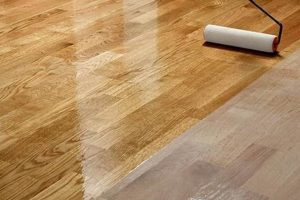
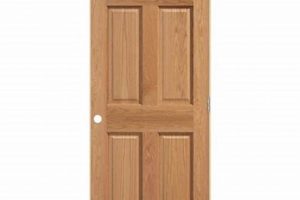
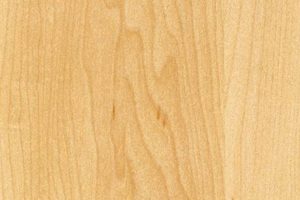
The process involves applying protective and aesthetic treatments to the surface of pecan lumber. These treatments enhance the wood’s natural beauty and guard against damage from moisture, UV radiation, and everyday wear. For example, applying a clear coat sealant protects a pecan dining table from spills and scratches, while also highlighting its grain pattern.
Proper surface treatment is critical for maximizing the lifespan and aesthetic appeal of items constructed from this hardwood. It protects the wood from environmental factors, prevents warping and cracking, and enhances its inherent color and grain. Historically, various oils and waxes were used, but modern techniques employ a wider range of products to achieve specific finishes.
The subsequent sections will explore various aspects of surface treatments for this material, including preparation techniques, different types of finishes available, and the best methods for application and maintenance, ensuring a beautiful and durable result.
Tips for Finishing Pecan Wood
Achieving a professional result requires careful consideration of several factors. The following recommendations aim to optimize the outcome and ensure the longevity of the treated surface.
Tip 1: Proper Surface Preparation is Crucial: Thoroughly sand the wood, progressing through increasingly finer grits of sandpaper. This creates a smooth, even surface, essential for the even absorption of the chosen treatment.
Tip 2: Consider the Grain Pattern: Pecan exhibits a prominent grain. Choose a treatment that enhances, rather than obscures, this natural feature. Oil-based products often highlight the grain more effectively than thick, film-building finishes.
Tip 3: Test the Finish in an Inconspicuous Area: Before applying the treatment to the entire piece, test it on a small, hidden section. This allows for assessment of the color and absorption rate and prevents unexpected results on the main surface.
Tip 4: Apply Thin, Even Coats: Multiple thin coats are preferable to a single thick coat. Thin coats dry more evenly, reducing the risk of drips, runs, and uneven color distribution. Allow each coat to dry completely before applying the next.
Tip 5: Sand Lightly Between Coats: After each coat has dried, lightly sand with very fine-grit sandpaper. This removes any imperfections and provides a better surface for subsequent coats to adhere to.
Tip 6: Choose the Right Sealer: Applying a suitable sealer before the topcoat can help prevent excessive absorption of the topcoat, particularly on porous pecan. This ensures a more uniform and durable topcoat layer.
Tip 7: Control the Environment: Apply the finish in a dust-free environment with adequate ventilation. This minimizes the risk of contamination and promotes even drying.
Adhering to these guidelines contributes significantly to a superior and lasting outcome. Careful planning and execution are essential when treating this hardwood.
The subsequent sections will detail various common problems, solutions, and recommendations for continued care and maintenance.
1. Surface Preparation

The successful outcome of any pecan wood finishing project is directly and inextricably linked to the quality of the initial surface preparation. This phase, which encompasses cleaning, sanding, and potentially, the repair of minor imperfections, dictates the adhesion, uniformity, and overall appearance of the applied finish. For instance, failure to adequately sand pecan wood will result in a rough texture beneath the finish, making the wood look uneven and unprofessional.
Neglecting appropriate surface preparation can lead to several detrimental effects, compromising not only the aesthetic quality but also the protective function of the finish. Remaining dust particles and oils can interfere with the finish’s ability to bond to the wood, leading to premature peeling, blistering, or cracking. Furthermore, imperfections such as scratches or dents, if not addressed beforehand, will be magnified by the applied finish, rendering the wood visually flawed. Imagine a newly constructed pecan desk. If it has not been correctly prepared, all of the imperfections would be visible with the first coat, and potentially ruin the whole piece.
In conclusion, prioritizing meticulous surface preparation is not merely a preliminary step but an essential investment in the long-term beauty and durability of the finished pecan wood. It ensures optimal adhesion, uniform absorption, and a flawless final appearance, mitigating potential issues and maximizing the wood’s inherent qualities. The relationship between a properly prepared surface and a high-quality finish is one of cause and effect. Poor preparation inevitably leads to a substandard result, while diligent preparation sets the stage for a professional and enduring finish.
2. Sealer Application
Sealer application represents a critical stage in the overall process, serving as a foundational layer that significantly impacts the subsequent finish’s performance and aesthetics. The selection and correct application of a sealer on pecan wood influences adhesion, color consistency, and the long-term protection of the timber.
- Pore Filling and Grain Enhancement
Pecan is characterized by an open grain structure, necessitating a sealer to fill these pores and create a smooth surface. Without this, subsequent finish coats may sink into the wood unevenly, resulting in a textured or blotchy appearance. A well-chosen sealer enhances the wood’s natural grain pattern, providing depth and richness. Consider a newly manufactured pecan wood desk; using the right type of sealant prevents the finish from soaking deeply into the porous wood, allowing the finish to be visible.
- Barrier Against Moisture and Tannin Bleed
Sealants function as a barrier, preventing moisture from penetrating the wood and causing warping, swelling, or cracking. In the case of pecan, some sealers can also mitigate the risk of tannin bleed, where natural wood extracts leach to the surface and discolor the finish. This is seen in older homes where poor sealant was applied to pecan wood surfaces, causing discoloration of the stain and finish.
- Improved Adhesion of Topcoats
A compatible sealer establishes a stable and receptive surface for the subsequent application of topcoats, such as varnish, lacquer, or polyurethane. It creates a mechanical bond between the wood and the finish, enhancing adhesion and prolonging the finish’s lifespan. For instance, applying a coat of varnish directly to an unsanded pecan floor will result in scratches and peeling because the varnish cannot properly stick to the wood’s pores.
- Color Control and Uniformity
Sealants offer a degree of control over the final color of the finished piece. Tinted sealers can be used to adjust the wood’s undertones, creating a richer or more consistent color across the surface. This is especially beneficial for pecan lumber exhibiting variations in color or grain pattern, allowing for a more uniform appearance.
The correct selection and application of a sealer constitute an indispensable element in surface treatment. When correctly applied, a sealer enhances and highlights the wood’s natural beauty, protecting it from internal and external factors. This improves the aesthetic outcome and enhances the longevity of the finished product.
3. Finish Selection

The choice of finish is paramount in accentuating the inherent characteristics and ensuring the longevity of treated pecan surfaces. This decision dictates the final appearance, level of protection, and maintenance requirements of the finished wood. The characteristics of pecan wood call for informed choices during finish selection.
- Oil-Based Finishes
Oil-based products penetrate the wood fibers, enhancing the grain’s natural depth and warmth. These finishes offer moderate protection against moisture and scratches and are often preferred for their ease of application and repair. However, they typically require longer drying times and may yellow over time, affecting the wood’s original color. Application of oil-based products on pecan tables are popular, offering a warm, classic aesthetic.
- Water-Based Finishes
Water-based products provide a durable and clear coat, resisting yellowing and offering better UV protection than oil-based alternatives. These finishes dry quickly and emit fewer VOCs (Volatile Organic Compounds), making them environmentally preferable. However, they may not penetrate the wood as deeply as oil-based finishes, and multiple coats are often necessary to achieve the desired level of protection. Water-based finishes on pecan floors are very durable.
- Varnish
Varnish is a durable, solvent-based finish that provides excellent protection against water, chemicals, and abrasion. It forms a hard, glossy surface that can be buffed to achieve varying levels of sheen. Application of varnish to pecan furniture is often recommended for high-use surfaces such as dining tables or countertops. Varnish can last for 10 years or more.
- Lacquer
Lacquer is a fast-drying finish that is often used in professional settings. It provides a smooth, hard surface that is resistant to scratches and solvents. Nitrocellulose lacquer is a traditional choice, while acrylic lacquers offer improved durability and UV resistance. The use of lacquer to finish pecan musical instruments is often employed, because it is thin, and does not impact the tone of the wood as much as other finishes.
In summary, the appropriate finish selection is a critical decision point when improving the surface of pecan. Each finish offers distinct advantages and disadvantages concerning aesthetic outcome, protective capabilities, and application requirements. Consideration of these factors will help guide toward the choice that is aligned with your budget and vision.
4. Application Technique
The success of any treatment applied to pecan wood is heavily reliant on the employed application methods. This step is not merely perfunctory; it directly affects the finish’s appearance, durability, and overall effectiveness. Therefore, understanding and employing proper application techniques are essential for achieving optimal results.
- Brush Application
Brush application, a traditional method, allows for controlled and precise placement of the finish. The type of brush (natural or synthetic bristles) and the brushing technique (with or against the grain) influence the final texture and appearance. For instance, using a high-quality brush with natural bristles can minimize brush strokes, ensuring a smoother, more professional appearance on pecan furniture.
- Spraying
Spraying, whether with conventional or HVLP (High Volume Low Pressure) sprayers, provides a uniform and even coating, especially beneficial for intricate or large surfaces. Proper spray technique, including nozzle adjustment, spray distance, and overlapping passes, prevents runs, drips, and uneven coverage. The process is seen in professional woodworking shops that work with pecan wood.
- Wiping
Wiping, typically used with oil-based finishes, involves applying the finish liberally and then wiping off the excess with a clean cloth. This technique allows the finish to penetrate the wood pores, enhancing the grain’s natural beauty. Wiping is seen in antique stores, with workers putting oil-based finishes to bring out the luster in the wood. The method is suited for smaller projects or for achieving a specific aesthetic effect. Excess finish must be removed to prevent a sticky or uneven surface.
- Pad Application
Pad application involves using a specialized applicator pad to apply thin, even coats of finish. This method is particularly effective for applying sealers or topcoats and can minimize brush marks or other imperfections. Pad application ensures consistency and control, especially on larger, flat surfaces like pecan tabletops.
These varying application techniques provide diverse options for enhancing the surface of pecan. By understanding the nuances of each technique and selecting the most appropriate method, you can control the appearance, durability, and overall quality of the finished product. Ultimately, the right application is crucial for realizing the wood’s inherent beauty and maximizing its lifespan.
5. Drying Time
Drying time is an integral, often underestimated, component of properly finishing pecan wood. It represents the period required for applied finishes to fully cure, transitioning from a liquid or semi-liquid state to a solid, durable film. Insufficient drying can lead to a range of issues, compromising both the aesthetic appeal and the protective function of the finish. For instance, prematurely handling or layering additional coats on an insufficiently dried pecan table can result in surface imperfections, such as fingerprints, smudges, or uneven gloss levels. Such errors necessitate costly rework or complete refinishing.
The correlation between finish type and drying time is significant. Oil-based finishes, renowned for enhancing the wood’s natural grain, typically require extended drying periods, often spanning 24 to 72 hours between coats. Conversely, water-based finishes generally dry faster, sometimes within a few hours. However, environmental conditions, such as humidity and temperature, also play a crucial role. High humidity levels can significantly prolong drying times, while lower temperatures can slow the curing process. A pecan floor treated with polyurethane in humid conditions may take considerably longer to fully harden, increasing the risk of damage from foot traffic. Accurate adherence to manufacturer-specified drying times is therefore indispensable for achieving optimal results.
In conclusion, understanding and respecting appropriate drying times is not merely a matter of patience but a critical determinant of a successful and enduring wood finish. Failure to allow adequate drying can negate the benefits of even the highest-quality finishes and meticulous application techniques. The proper consideration of drying time, alongside environmental factors and product specifications, is essential for ensuring the longevity and aesthetic integrity of finished pecan wood surfaces.
6. Maintenance

The longevity and aesthetic appeal of treated pecan surfaces are intrinsically linked to diligent and appropriate maintenance practices. These activities are not merely cosmetic but are essential to preserving the integrity of the finish and the underlying wood.
- Regular Cleaning Regimen
Consistent removal of dust, dirt, and spills prevents the buildup of abrasive particles that can scratch or dull the finish. Regular cleaning extends the lifespan of the protective layer and helps retain its original luster. For instance, a weekly cleaning of a pecan dining table with a soft cloth and mild detergent can prevent the accumulation of food residue and scratches from daily use.
- Appropriate Cleaning Products
The selection of cleaning agents is paramount. Harsh chemicals or abrasive cleaners can damage or strip the finish, compromising its protective qualities and appearance. It’s recommended to use pH-neutral or specifically formulated wood cleaners to safeguard the finish’s integrity. The use of abrasive cleaners on pecan flooring will scratch the finish, necessitating costly repairs.
- Environmental Control
Controlling environmental factors such as humidity and temperature helps minimize stress on the wood and the finish. Extreme fluctuations can cause warping, cracking, or finish delamination. Maintaining a stable indoor climate will prolong the life of the finished pecan. Pecan furniture exposed to direct sunlight will fade, while prolonged high-humidity can promote cracking and finish peeling.
- Periodic Refinishing or Touch-ups
Over time, even with careful maintenance, the finish may experience wear and tear. Periodic refinishing or touch-ups can restore the finish’s protective qualities and aesthetic appeal. Addressing minor scratches or blemishes promptly prevents them from escalating into more significant damage. A professional refinishing can extend the life of the furniture piece for several decades.
These components underscore the significance of maintenance as an ongoing commitment to preserving the beauty and durability of treated pecan surfaces. By implementing these measures, you can effectively safeguard your investment and ensure that your pecan wood maintains its aesthetic and functional value for years to come.
Frequently Asked Questions About Finishing Pecan Wood
The following section addresses common inquiries regarding the treatment of pecan surfaces, providing clarification on best practices and potential challenges.
Question 1: What is the primary purpose of surface treatments on pecan lumber?
Surface treatments serve a dual purpose: to protect the wood from environmental factors such as moisture and UV radiation, and to enhance its natural aesthetic qualities by highlighting the grain and color.
Question 2: What are the most common types of finishes suitable for this particular wood species?
Oil-based finishes, water-based finishes, varnish, and lacquer are frequently used. The choice depends on the desired aesthetic, durability requirements, and environmental considerations.
Question 3: How does surface preparation affect the final outcome of the treatment?
Thorough surface preparation, including sanding and cleaning, is crucial for ensuring proper adhesion of the finish and preventing imperfections. Inadequate preparation can result in peeling, bubbling, or uneven color distribution.
Question 4: What steps can be taken to prevent blotchiness or uneven absorption of the finish?
Applying a sealer or wood conditioner before the finish can help even out the wood’s porosity and prevent uneven absorption, resulting in a more uniform color and appearance.
Question 5: How long should the wood be allowed to dry between coats of finish?
Drying times vary depending on the type of finish and environmental conditions, but it is generally recommended to follow the manufacturer’s instructions carefully. Insufficient drying can lead to a soft, easily damaged finish.
Question 6: What are the best maintenance practices for prolonging the lifespan of a finished pecan surface?
Regular cleaning with mild soap and water, avoiding harsh chemicals or abrasive cleaners, and periodic application of wax or polish can help maintain the finish’s luster and protect the underlying wood.
Careful attention to these questions will provide a solid foundation for achieving a successful and long-lasting treatment.
The subsequent sections will explore common issues and their resolution.
Finishing Pecan Wood
The preceding discussion elucidated various aspects of finishing pecan wood, emphasizing preparation, product selection, application, and maintenance. Proper execution of each stage contributes significantly to the final aesthetic and protective qualities imparted to the material. Ignoring fundamental steps increases the likelihood of compromised results and reduced longevity.
Mastering the techniques associated with finishing pecan wood ensures its enduring beauty and structural integrity. Continued adherence to best practices will optimize the long-term value of pecan-based projects, solidifying its place as a prized material in both functional and decorative applications. Further research into innovative materials and methods promises ongoing refinement in the field.