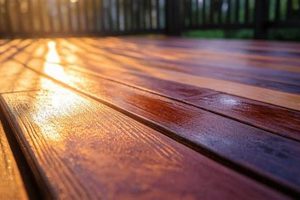
A treatment applied to timber surfaces, this decorative technique lightens the tone of the material and accentuates the grain pattern. Typically, a diluted paint or stain is brushed onto the wood and then partially wiped away, leaving pigment within the recesses of the grain. An example would be a white or off-white pigment applied to oak, resulting in a surface where the prominent grain stands out against a lighter, subtly colored background.
The value of this surface treatment lies in its ability to brighten interiors, providing a sense of airiness and spaciousness. Historically, it offered a cost-effective way to update existing woodwork and furniture without completely replacing it. Its application can enhance the visual appeal of wood items and contribute to a specific aesthetic style, from rustic to contemporary.
The following sections will delve into the specific types of materials used, the application methods involved, and the considerations for selecting this finish based on the desired outcome and the type of wood being treated.
Essential Application Guidance
Achieving a satisfactory result requires careful preparation and execution. The subsequent guidelines provide critical advice for a successful application.
Tip 1: Proper Wood Preparation: Ensure the wood surface is clean, dry, and free of existing finishes. Sanding is often necessary to open the grain and promote adhesion. Inadequate preparation leads to uneven color penetration.
Tip 2: Dilution is Key: The pigment should be thinned significantly. Using undiluted paint or stain will result in an opaque finish that obscures the grain. Experiment with different dilution ratios on a test piece.
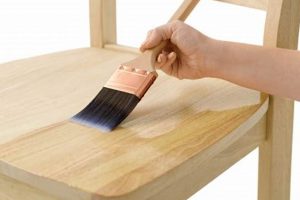
Tip 3: Application Technique: Apply the diluted pigment liberally with a brush. Work in manageable sections to prevent premature drying. Overlapping strokes should be minimized to avoid uneven build-up.
Tip 4: Controlled Wiping: Use a clean cloth to wipe away the excess pigment. The amount of pressure applied during wiping will determine the intensity of the final finish. Consistent pressure ensures uniformity.
Tip 5: Grain Direction: Wipe in the direction of the wood grain. Wiping against the grain can create unwanted streaks and inconsistencies in the finish.
Tip 6: Seal the Finish: After the pigment has dried completely, apply a clear topcoat to protect the surface and enhance durability. Choose a topcoat that is compatible with the pigment used. Multiple thin coats are preferred over a single thick coat.
Tip 7: Testing and Adjustment: Always test the process on a hidden area or scrap piece of the same type of wood. This allows for adjustments to dilution ratios, application techniques, and wiping pressure before committing to the entire project.
Adhering to these recommendations will increase the likelihood of achieving the desired aesthetic and ensuring a durable, long-lasting surface.
The concluding section will explore common pitfalls and troubleshooting advice to further refine your understanding of this particular finishing process.
1. Grain Accentuation

The defining characteristic of surfaces treated in this way is the pronounced visibility of the underlying grain pattern. The process intentionally deposits pigment within the porous regions of the wood’s surface, contrasting with the smoother areas that are wiped clean. This differential pigmentation amplifies the visual texture of the wood, transforming a relatively uniform surface into one with significant visual depth. The degree of accentuation directly correlates to the type of wood used; open-grained species like oak and ash exhibit a more dramatic effect compared to closed-grain woods such as maple or birch. The selective highlighting of the grain is not merely an aesthetic choice but a fundamental component of the technique, serving to reveal and celebrate the inherent natural patterns within the timber.
The practical significance of grain accentuation extends beyond simple decoration. In architectural contexts, it can contribute to the overall tactile quality of a space, inviting a closer, more engaged interaction with the built environment. For example, in furniture design, emphasizing the grain can transform a simple, functional object into a visually compelling statement piece. Moreover, in restoration projects, this treatment can be used to rejuvenate older wood surfaces, bringing out the hidden character of aged timber and preserving a sense of history. The skillful manipulation of grain visibility allows for a diverse range of applications, from subtle enhancements to bold, expressive statements.
In summary, grain accentuation represents a core element of decorative process, achieving its effect through strategic pigmentation and selective removal. Understanding the interplay between wood type, pigment application, and wiping technique is essential for successfully achieving the desired level of grain prominence. The challenges lie in achieving consistency and avoiding over-accentuation, which can result in an unnatural or artificial appearance. This surface refinement technique continues to offer a versatile approach to enhancing the beauty and character of wood, contributing to both aesthetic appeal and tactile engagement.
2. Lightening Effect

The “lightening effect” is a significant characteristic achieved through this type of surface treatment, directly influencing the perceived brightness and airiness of a space. This effect is not merely a cosmetic alteration; it fundamentally changes how the wood interacts with light, affecting the overall aesthetic and ambiance.
- Pigment Selection and Reflection
The choice of pigment is paramount in achieving the desired degree of lightening. Typically, lighter hues like white, off-white, or pale greys are employed. These pigments possess high reflectivity, scattering light across the surface rather than absorbing it. This reflected light effectively brightens the wood, mitigating the natural tendency of wood to darken a room. Examples include applying a diluted white paint to dark oak panels, instantly brightening a previously somber space. The implications of this are particularly relevant in interiors with limited natural light, where enhancing luminosity is crucial.
- Grain Contrast and Perceived Brightness
The lightening effect is amplified by the contrast created between the lighter pigment residing within the grain and the underlying wood tone. This contrast not only accentuates the grain pattern but also contributes to the overall perception of brightness. The eye is drawn to the lighter areas, resulting in a visual impression that the entire surface is significantly brighter than it would be without the application. An example is the use of a light grey wash on knotty pine, where the lighter pigment emphasizes the knots and grain, giving the impression of a brighter, more open texture. The impact here influences the perception of spaciousness.
- Psychological Impact of Lighter Tones
Lighter tones have a well-documented psychological impact, contributing to feelings of spaciousness, cleanliness, and tranquility. By lightening wood surfaces, interiors can become more inviting and less oppressive, especially in smaller rooms. For instance, using this surface treatment on ceiling beams can prevent the beams from visually lowering the ceiling, making the room feel more expansive. This subtle shift in tone has far-reaching implications for the overall comfort and appeal of a space, enhancing its psychological comfort level.
- Adaptability Across Wood Types
The lightening effect is adaptable to a wide range of wood types, allowing for the transformation of both light and dark woods. On darker woods, the effect is more dramatic, creating a stark contrast and a significant shift in tone. On lighter woods, the effect is more subtle, creating a softer, more refined appearance. This versatility makes it a valuable tool for interior designers and furniture makers seeking to adapt wood surfaces to a specific aesthetic vision. Consider, for example, its use on maple, resulting in a surface with a subtle, refined brightness.
In conclusion, the strategic application to timber achieves more than just a surface alteration. It harnesses the principles of light reflection, contrast, and psychological perception to transform spaces, creating brighter, more inviting environments. The success of the effect relies on a thoughtful consideration of pigment choice, grain contrast, and the specific characteristics of the wood itself.
3. Surface protection

The long-term viability of any surface treated in this style hinges critically on adequate surface protection. This protection is not inherent in the pigment itself but is conferred through subsequent layers applied after the staining process. The initial layer of diluted pigment, designed primarily for aesthetic effect, offers negligible resistance to abrasion, moisture, or ultraviolet radiation. Therefore, the integration of a robust protective layer is essential to preserve both the visual appearance and the structural integrity of the underlying wood. The absence of such protection leads inevitably to premature wear, discoloration, and potential damage to the wood substrate. A practical illustration of this is evident in interior millwork where surfaces without adequate sealing are susceptible to water stains and scratching, requiring frequent maintenance and eventual refinishing.
The selection of an appropriate protective coating requires careful consideration of the intended use and environmental conditions. For instance, surfaces exposed to high traffic or moisture, such as flooring or kitchen cabinetry, necessitate a durable, water-resistant finish like polyurethane or a catalyzed varnish. Conversely, items with lower exposure, such as decorative trim, may be adequately protected by a wax or shellac coating. The application method is equally important; multiple thin coats, properly cured, provide superior protection compared to a single thick coat that is prone to cracking and chipping. Furthermore, the compatibility between the pigment and the protective coating must be verified to avoid adverse reactions, such as discoloration or delamination. Successful long-term preservation often relies on a multi-layer system that includes a sealer, a topcoat, and periodic maintenance applications.
In conclusion, surface protection is an indispensable component of the this treatment, not an optional addendum. Its role extends beyond mere aesthetic preservation; it is fundamental to the longevity and structural integrity of the treated wood. Neglecting this aspect compromises the overall investment and necessitates costly repairs. The challenges lie in selecting the appropriate protective materials and application techniques tailored to the specific application and environmental context. The integration of robust surface protection is crucial for ensuring that this surface refinement technique delivers lasting value.
4. Diluted application

The diluted application of pigment is a defining characteristic of achieving the desired visual outcome. This specific method distinguishes it from more opaque finishing techniques and is paramount in preserving the natural characteristics of the wood grain.
- Transparency and Grain Visibility
Dilution ensures the pigment is translucent rather than opaque. This translucency allows the wood grain to remain visible through the pigment layer. An undiluted application would obscure the grain, negating the defining feature of the desired effect. For example, a diluted white paint allows the grain of oak to show through, creating a textured, lightened surface. The implications are that dilution controls the final appearance.
- Controlled Color Intensity
Dilution enables precise control over the intensity of the color being applied. A concentrated pigment would overwhelm the natural color of the wood, leading to an artificial appearance. By diluting the pigment, the wood’s inherent color is subtly altered, retaining its natural warmth and character. Using a heavily diluted gray stain on pine, for example, adds a subtle coolness without masking the wood’s natural yellow tones. The aim is a delicate balance of color modification.
- Enhanced Adhesion and Penetration
A diluted solution often exhibits better adhesion to the wood surface and improved penetration into the grain. A concentrated pigment may sit on the surface, leading to chipping or peeling over time. Dilution allows the pigment to bond more effectively with the wood fibers. This adhesion enhances the durability of the finish. For instance, a diluted stain seeps into the wood pores, creating a more permanent bond than a thick coating. Durability has a direct correlation with effective penetration.
- Uniformity and Avoidance of Streaking
Dilution promotes a more uniform application, minimizing the risk of streaking or uneven color distribution. A thick, undiluted pigment is more likely to leave visible brush marks or variations in color density. Dilution allows the pigment to flow more evenly across the surface. Applying a diluted solution with a sponge, for example, can prevent streaking and ensure a consistent color. Uniform coverage is integral to the aesthetic goal.
These facets demonstrate that the diluted application is not merely a technical detail but a fundamental element. It controls the transparency, color intensity, adhesion, and uniformity. Each contributes to the final visual characteristics associated with the final wood finish, ensuring that the wood’s natural beauty is enhanced, not obscured.
5. Wiping technique

The wiping technique is an indispensable element in achieving the characteristic aesthetic. It directly governs the amount of pigment retained on the wood surface, influencing the intensity of the color and the prominence of the grain. The process involves applying a diluted pigment to the wood and subsequently removing a portion of it using a cloth or other absorbent material. The selective removal of pigment from the surface while leaving it embedded in the grain pores is what creates the signature contrasting effect. Inconsistent wiping leads to uneven color distribution and obscures the desired grain pattern. For example, failing to apply uniform pressure while wiping results in some areas appearing darker than others, detracting from the overall visual harmony.
The choice of wiping material, the pressure applied, and the direction of the wipe are critical variables. A coarser cloth removes more pigment, resulting in a lighter finish, while a softer cloth leaves more pigment, producing a darker finish. Wiping against the grain can cause streaks or inconsistencies, whereas wiping with the grain enhances the natural patterns. Consider the application to oak flooring: if excessive pressure is applied during wiping, the wood becomes overly light, losing depth. Conversely, insufficient pressure results in a muddied appearance. Mastering the wiping technique requires practice and a keen understanding of how different materials and methods affect the final appearance.
In conclusion, the wiping technique is not merely a step in a finishing process but a defining factor in realizing the intended effect. Skillful execution ensures a balance between color intensity and grain definition, contributing to a visually appealing and durable surface. Challenges arise from variations in wood density and the need for consistent application. The ultimate success depends on a combination of proper preparation, careful material selection, and meticulous attention to the wiping process.
6. Material selection
The selection of appropriate materials is paramount to the success and longevity of a surface treated with a technique that lightens the tone of the wood and accentuates the grain pattern. The interaction between the wood species, the pigment, and the topcoat dictates the final aesthetic and durability of the surface. Incompatibility between these materials can lead to undesirable results, such as poor adhesion, uneven color distribution, or premature wear. For example, using a water-based pigment on an oily wood like teak without proper preparation can result in poor absorption and an uneven finish. Conversely, pairing a dark pigment with a closed-grain wood may obscure the grain, defeating the intended purpose. Therefore, a thorough understanding of the material properties and their compatibility is essential for achieving the desired outcome.
Specific examples further illustrate the practical significance of material selection. Open-grained woods, such as oak or ash, readily absorb pigments and exhibit a more pronounced grain accentuation. Conversely, closed-grain woods, such as maple or birch, require more careful preparation and may benefit from a lighter touch in application to prevent an overly artificial appearance. The choice of pigment is equally crucial; oil-based pigments tend to provide richer color and better penetration but require longer drying times and more stringent cleanup. Water-based pigments are easier to work with and offer lower VOC emissions but may not provide the same depth of color or durability. Selecting a topcoat that is chemically compatible with the pigment and appropriate for the intended use environment is also critical. Polyurethane provides excellent durability and water resistance for high-traffic areas, while wax offers a more natural look and feel for decorative items with less exposure to wear and tear.
In conclusion, the overall success depends heavily on the informed selection of materials. The wood species, the pigment, and the topcoat must be carefully chosen to complement each other and to meet the specific requirements of the application. The challenges lie in understanding the nuances of each material and their potential interactions. Paying careful attention to these details is essential for achieving a visually appealing, durable surface that highlights the natural beauty of the wood while providing adequate protection against wear and environmental factors.
Frequently Asked Questions About This Distinctive Wood Finish
The following addresses common inquiries regarding this particular wood finishing technique, designed to lighten the wood tone and accentuate the grain.
Question 1: What distinguishes this finish from conventional staining techniques?
Traditional staining aims to uniformly color the wood, often masking the underlying grain pattern. This approach, conversely, employs diluted pigment to lightly color the surface while simultaneously highlighting the wood’s natural texture by depositing pigment within the grain.
Question 2: On which wood species is this finishing method most effective?
Open-grained woods, such as oak, ash, and hickory, typically exhibit the most dramatic results due to their pronounced grain patterns. However, it can also be applied to closed-grain woods like maple and birch, albeit with more subtle effects.
Question 3: What types of pigments are suitable for achieving this effect?
Light-colored pigments, such as white, off-white, pale gray, or pastel shades, are commonly used to achieve a brighter appearance. Both oil-based and water-based pigments can be used, but the choice should align with the wood species and the desired level of durability.
Question 4: Is surface preparation necessary before applying this treatment?
Adequate surface preparation is crucial. The wood should be clean, dry, and free of any existing finishes. Sanding the surface to open the grain promotes optimal pigment absorption and adhesion.
Question 5: How is the desired level of grain accentuation achieved?
The degree of grain accentuation is controlled by the concentration of the diluted pigment and the amount of pressure applied during the wiping process. Experimentation on a test piece is recommended to determine the optimal technique.
Question 6: Is a protective topcoat required after application?
A protective topcoat is essential for durability and longevity. A clear coat of polyurethane, varnish, or wax protects the surface from abrasion, moisture, and UV damage. The choice of topcoat should be compatible with the pigment used.
In summation, achieving a satisfactory finish necessitates a comprehensive understanding of material properties, appropriate surface preparation, and meticulous application techniques. The balance between lightness, grain definition, and protective measures ensures both aesthetic appeal and long-term resilience.
The subsequent discussion will address potential challenges and troubleshooting tips to further refine the application process.
Pickle Finish Wood
The preceding exploration has detailed the characteristics, application, and considerations surrounding pickle finish wood. The method involves a deliberate strategy to lighten the tonal value of timber while simultaneously accentuating its inherent grain patterns. The critical factors include meticulous surface preparation, the application of a diluted pigment, a controlled wiping technique, and the integration of a protective topcoat. Material compatibility, particularly between the wood species, pigment, and sealant, is essential for long-term durability and aesthetic success.
Achieving a desirable outcome requires a balanced understanding of both the technical aspects and the artistic nuances involved. As a finishing technique, pickle finish wood offers a unique approach to enhancing the natural beauty of timber, providing a subtle yet effective way to transform surfaces and spaces. Its enduring relevance lies in its ability to both preserve and celebrate the inherent qualities of wood, making it a valuable consideration for design and restoration projects seeking a distinctive aesthetic.