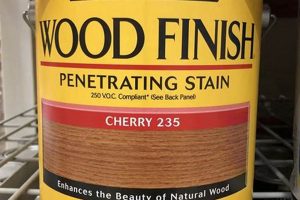
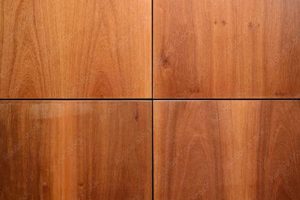
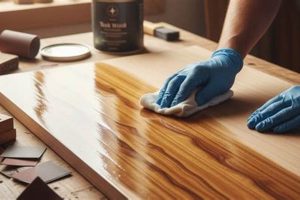
Products marketed as wood finish restorers, often promoted through television advertising, represent a category of cleaning and polishing agents designed to rejuvenate the appearance of wooden surfaces. These products typically contain solvents, oils, and sometimes waxes intended to dissolve old wax buildup, minimize the appearance of scratches, and impart a renewed luster to furniture, cabinetry, and other wood items. For instance, a dull, scratched table might appear revitalized after application, promising a return to its original sheen.
The purported benefits of these solutions include ease of use and the potential to avoid more intensive refinishing processes. Historically, restoring wood finishes required meticulous sanding, staining, and sealing. The appeal of advertised restorers lies in their promise of delivering comparable results with minimal effort. The value proposition emphasizes convenience and cost-effectiveness for consumers seeking to enhance the aesthetic quality of their wooden possessions.
Understanding the chemical composition, application techniques, and long-term effects of these widely advertised products is crucial for informed consumer decisions. Subsequent discussions will delve into specific formulations, optimal usage scenarios, and potential drawbacks associated with employing such restorers on valuable or antique wooden items, allowing for a more complete evaluation of their utility.
Tips for Using Television-Advertised Wood Finish Restorers
The following guidelines aim to provide a framework for effectively and safely utilizing wood finish restorers marketed through television advertisements. Adherence to these tips may improve results and minimize potential damage to wooden surfaces.
Tip 1: Preparation is Paramount. Thoroughly clean the surface with a mild soap and water solution before applying any restorer. Remove any loose debris or existing wax buildup. A clean surface allows the restorer to properly interact with the original finish.
Tip 2: Test in an Inconspicuous Area. Before applying the restorer to the entire piece, test it on a hidden area, such as the underside of a table or inside a cabinet. This allows for observation of any adverse reactions, such as discoloration or finish lifting.
Tip 3: Apply Sparingly and Evenly. Over-application can lead to a sticky or uneven finish. Use a clean, lint-free cloth and apply the restorer in thin, even coats, following the grain of the wood.
Tip 4: Buff After Application. After allowing the restorer to sit for the recommended time (as specified by the manufacturer), buff the surface with a clean, dry cloth. This removes excess product and enhances the shine.
Tip 5: Consider the Existing Finish. Different restorers are formulated for different types of finishes (e.g., lacquer, varnish, shellac). Ensure the chosen product is compatible with the existing finish to avoid damage or incompatibility issues.
Tip 6: Address Deep Scratches Separately. Restorers are typically designed for minor imperfections. Deep scratches or gouges may require separate treatment, such as wood filler or professional refinishing, for optimal results.
Tip 7: Ventilate the Area. Many wood finish restorers contain solvents. Ensure adequate ventilation during application to minimize exposure to fumes.
Effective application, coupled with careful attention to surface compatibility and proper ventilation, helps to maximize the potential of television-advertised wood finish restorers while mitigating potential risks. It’s paramount to understand the products limitations and scope of performance.
Future sections will address detailed product comparisons and alternative restoration techniques for individuals seeking more comprehensive solutions.
1. Advertised Claims

Advertised claims for wood finish restorers marketed on television constitute a critical factor influencing consumer perception and purchase decisions. These claims typically highlight ease of use, rapid results, and the ability to rejuvenate damaged or worn wood surfaces without the need for professional refinishing. A thorough understanding of the nature and limitations of these claims is essential for a realistic assessment of product performance.
- Restoration vs. Refinishing
Advertisements frequently imply that restorers can achieve results comparable to professional refinishing. However, restorers primarily address superficial damage such as minor scratches, haze, and dryness. Refinishing, on the other hand, involves stripping the existing finish, repairing deeper damage, and applying a new protective coating. The distinction is significant; restorers are not a substitute for refinishing in cases of severe damage or finish failure.
- “As Seen On TV” Hype
The “as seen on TV” designation can create a perception of legitimacy and widespread endorsement. In reality, this often indicates a heavy investment in direct response marketing rather than objective validation of product efficacy. Consumers should critically evaluate claims made in television advertisements, recognizing the potential for exaggerated or misleading representations of product performance.
- Before and After Visuals
Advertisements commonly employ before-and-after images to demonstrate the transformative effects of wood finish restorers. While these visuals can be compelling, they may not accurately reflect typical results. Factors such as lighting, camera angles, and undisclosed pre-treatment of the wood surface can influence the perceived difference between the before and after states.
- Ease of Application
A central theme in the promotion of these products is the simplicity of application. Instructions are often portrayed as requiring minimal effort and expertise. While many restorers are relatively easy to apply, achieving consistent and satisfactory results may still necessitate careful attention to detail and adherence to the manufacturer’s guidelines. Inadequate preparation or improper application techniques can lead to unsatisfactory or even detrimental outcomes.
In conclusion, while advertised claims surrounding wood finish restorers marketed on television can be appealing, a discerning approach is warranted. Consumers should carefully evaluate these claims, considering the specific condition of the wood surface, the limitations of the product, and the potential for variations in actual results. A balanced perspective will lead to more informed decisions and realistic expectations regarding the capabilities of these restorers.
2. Surface Compatibility

Surface compatibility represents a critical consideration when evaluating wood finish restorers, particularly those marketed through television advertising. The inherent variability in wood species, existing finish types, and application histories necessitates a careful assessment of compatibility to avoid adverse reactions and ensure desired outcomes.
- Finish Type Identification
Properly identifying the existing finish is paramount. Common finish types include lacquer, varnish, shellac, polyurethane, and wax. Wood finish restorers are often formulated for specific finish types; applying an incompatible restorer can result in clouding, softening, lifting, or complete dissolution of the existing finish. For example, a restorer designed for lacquer may severely damage a shellac finish. Incorrect identification, therefore, carries a risk of irreversible damage.
- Ingredient Reactivity
The solvents, oils, and additives present in wood finish restorers can react differently with various finish materials. Some restorers contain strong solvents that can dissolve delicate finishes or react with underlying stains, leading to discoloration or blotchiness. A compatibility test in an inconspicuous area is strongly advised to observe any adverse reactions before full application. This precautionary step can mitigate potential damage and inform the decision to proceed with the selected restorer.
- Wood Species Sensitivity
Different wood species exhibit varying degrees of porosity and chemical reactivity. Open-grained woods, such as oak and ash, tend to absorb restorers more readily than close-grained woods like maple or cherry. This differential absorption can result in uneven coloration or a blotchy appearance if the restorer is not evenly applied or is incompatible with the wood’s inherent properties. Pre-treating highly porous woods with a compatible sealant may be necessary to ensure uniform absorption and prevent undesirable aesthetic outcomes.
- Historical Treatments and Residues
Prior treatments, such as the application of furniture polishes containing silicone oils, can significantly affect surface compatibility. Silicone residues can create a barrier that prevents the restorer from properly adhering to the original finish, leading to inconsistent results or a slippery surface. Thoroughly cleaning the surface to remove any existing residues is crucial before applying a wood finish restorer. In some cases, specialized cleaning agents may be required to effectively eliminate silicone contamination.
In summation, surface compatibility represents a non-negotiable aspect of wood finish restoration. Failure to adequately assess and address compatibility concerns can lead to irreversible damage and negate the intended benefits of restorers marketed on television. A cautious approach, characterized by thorough identification, testing, and preparation, is essential to safeguard the integrity and appearance of wooden surfaces.
3. Application Technique
The application technique employed when using wood finish restorers, particularly those advertised on television, significantly influences the final outcome and overall satisfaction with the product. Proper technique can maximize the product’s effectiveness, while improper application can lead to unsatisfactory results or even damage to the wood surface.
- Surface Preparation
Effective surface preparation is paramount. This involves thoroughly cleaning the wood surface to remove dirt, dust, grease, and any existing wax buildup. Failure to properly clean the surface can prevent the restorer from penetrating the existing finish, resulting in a patchy or uneven appearance. A mild soap and water solution, followed by a clean, damp cloth, is often sufficient for basic cleaning. In cases of heavy wax buildup, a dedicated wax remover may be necessary.
- Application Method
The method of applying the wood finish restorer directly impacts its effectiveness. Most restorers are designed to be applied with a clean, lint-free cloth. The restorer should be applied in thin, even coats, following the grain of the wood. Avoid applying excessive amounts of the product, as this can lead to a sticky or greasy residue. Some restorers may require a specific application technique, such as rubbing in a circular motion or allowing the product to dwell on the surface for a specified period before buffing.
- Buffing and Polishing
Buffing and polishing are essential steps in achieving a desirable finish. After applying the restorer, allow it to sit for the recommended time, as specified by the manufacturer. Then, use a clean, dry cloth to buff the surface, removing any excess product and enhancing the shine. The amount of pressure applied during buffing can influence the final gloss level. For a higher gloss, more pressure may be applied, while a softer touch will result in a more matte finish.
- Environmental Conditions
Environmental conditions, such as temperature and humidity, can affect the performance of wood finish restorers. Ideally, the product should be applied in a well-ventilated area with moderate temperature and humidity. Extreme temperatures or high humidity can affect the drying time and curing process, potentially leading to an uneven or cloudy finish. Avoid applying wood finish restorers in direct sunlight or in excessively cold or humid environments.
In conclusion, achieving optimal results with television-advertised wood finish restorers depends heavily on the application technique employed. Proper surface preparation, careful application, thorough buffing, and attention to environmental conditions are all critical factors in maximizing the product’s effectiveness and ensuring a satisfactory outcome. Attention to detail and adherence to the manufacturer’s instructions are essential for success.
4. Ingredient Transparency
Ingredient transparency, or the lack thereof, significantly affects consumer understanding and assessment of wood finish restorers marketed on television. Many such products present themselves as simple solutions, yet the formulations often contain a complex blend of solvents, oils, waxes, and proprietary additives. The degree to which manufacturers disclose these ingredients, and their potential effects, dictates the consumer’s ability to make informed decisions. Opaque labeling practices can obscure potential risks, such as allergic reactions to specific chemicals or incompatibility with existing finishes, leading to unintended damage or health concerns. For example, a product might tout its restoration capabilities without fully disclosing the presence of strong solvents that could strip delicate antique finishes.
The consequence of limited ingredient transparency extends beyond immediate product performance. The long-term effects of undisclosed chemicals on both the treated wood and the indoor environment remain a concern. Some solvents can emit volatile organic compounds (VOCs) long after application, impacting indoor air quality. Similarly, undocumented additives might interact negatively with subsequent treatments or repairs. A consumer relying solely on advertised claims, without access to comprehensive ingredient information, lacks the means to evaluate these potential risks. Consider a scenario where a homeowner applies a restorer containing an unknown acid, leading to gradual degradation of the wood fibers over time.
In conclusion, ingredient transparency forms a cornerstone of responsible product marketing and consumer empowerment within the context of television-advertised wood finish restorers. Clear and comprehensive labeling allows for informed purchasing decisions, enabling consumers to weigh the promised benefits against potential risks and long-term consequences. The lack of such transparency presents a challenge, potentially masking harmful ingredients and limiting the ability to assess the overall impact on both the wood and the environment. Advocacy for greater transparency in this sector encourages a more sustainable and conscientious approach to wood care.
5. Durability Factors

Durability factors play a crucial role in assessing the long-term effectiveness and overall value of wood finish restorers marketed on television. These factors determine the extent to which the restorative effects endure under normal usage conditions, impacting the longevity of the treated wood surface and the consumer’s satisfaction with the product.
- Abrasion Resistance
Abrasion resistance refers to the ability of the restored finish to withstand wear and tear from daily use, such as scratching, scuffing, and rubbing. A durable wood finish restorer will create a surface that is less susceptible to these types of damage, maintaining its appearance over time. For example, a table treated with a restorer lacking adequate abrasion resistance may quickly develop scratches from everyday objects, negating the initial restorative effect. The presence of protective additives, such as certain waxes or polymers, can enhance abrasion resistance, but their inclusion is not always transparently disclosed.
- UV Protection
Exposure to ultraviolet (UV) radiation from sunlight can cause fading, discoloration, and degradation of wood finishes. A durable wood finish restorer should incorporate UV-absorbing compounds to mitigate these effects. The absence of UV protection can result in the restored finish yellowing or fading prematurely, especially in areas exposed to direct sunlight. For instance, a restored antique piece placed near a window without adequate UV protection may exhibit noticeable color changes within a short period, diminishing its aesthetic value.
- Water Resistance
Water resistance is the capacity of the restored finish to repel water and prevent moisture damage. A durable wood finish restorer will create a barrier that protects the underlying wood from water stains, swelling, and warping. Conversely, a restorer lacking sufficient water resistance may allow moisture to penetrate the finish, leading to unsightly water rings or even structural damage. Consider a restored kitchen cabinet that is frequently exposed to water spills; its long-term appearance hinges on the restorer’s ability to repel moisture effectively.
- Chemical Resistance
Chemical resistance encompasses the ability of the restored finish to withstand exposure to common household chemicals, such as cleaning agents, solvents, and food spills. A durable wood finish restorer should be resistant to these substances, preventing staining, etching, or softening of the finish. If the restorer lacks adequate chemical resistance, contact with common household products can lead to irreversible damage and a compromised appearance. A restored dining table, for instance, should be able to withstand occasional spills of acidic substances like vinegar without exhibiting permanent damage.
The interplay of these durability factors ultimately determines the longevity and overall value of television-advertised wood finish restorers. Consumers are advised to consider these aspects carefully, evaluating product claims and seeking independent reviews to assess the long-term performance of different restorers. Understanding these durability characteristics can lead to more informed purchasing decisions and greater satisfaction with the restoration process.
6. Longevity Implications
The longevity implications of utilizing wood finish restorers advertised on television constitute a critical consideration for consumers. These products, often marketed for their ease of use and immediate visual improvement, present a trade-off between short-term aesthetic enhancement and potential long-term effects on the underlying wood and its finish. The chemical composition of these restorers, particularly the solvents and oils employed, can interact with the existing finish in ways that may compromise its structural integrity over time. For instance, repeated applications of restorers containing strong solvents can lead to the gradual dissolution of the original finish, ultimately necessitating more extensive and costly refinishing work. The initial improvement, therefore, becomes a catalyst for future deterioration. A common example is antique furniture, where frequent use of certain restorers, while initially enhancing the sheen, can soften and degrade the original shellac or varnish, reducing its historical value and structural stability.
Furthermore, the protective qualities offered by these restorers, in terms of resistance to moisture, UV radiation, and abrasion, directly influence the lifespan of the treated surface. Products lacking adequate UV inhibitors can accelerate fading and discoloration, particularly in areas exposed to direct sunlight. Similarly, insufficient water resistance can lead to water damage, swelling, and eventual decay of the wood. Consider a wooden tabletop treated with a low-quality restorer; its vulnerability to water rings and scratches significantly reduces its lifespan compared to a professionally refinished surface or one maintained with appropriate conservation methods. Practical applications highlight the importance of understanding the specific formulation of the restorer and its compatibility with the wood type and existing finish. The perceived convenience of these products should be weighed against the potential for long-term damage and the associated financial implications.
In summary, the longevity implications of using television-advertised wood finish restorers demand careful evaluation. While these products may provide immediate cosmetic benefits, their long-term effects on the wood and its finish can be detrimental. The key challenge lies in discerning the quality and compatibility of the product, understanding its chemical composition, and balancing the desire for short-term aesthetic improvement with the preservation of the wood’s inherent integrity and value. Informed decision-making, grounded in a comprehensive understanding of these factors, is essential for mitigating potential risks and ensuring the long-term health and beauty of wooden surfaces.
Frequently Asked Questions
This section addresses common inquiries and misconceptions regarding wood finish restorers frequently advertised on television. The information presented aims to provide clarity and assist in making informed decisions about their use.
Question 1: Are television-advertised wood finish restorers a substitute for professional refinishing?
No. These products are designed for superficial improvements, addressing minor scratches, haze, and dryness. Professional refinishing involves stripping the existing finish, repairing structural damage, and applying a new protective coating, a scope beyond the capabilities of restorers.
Question 2: Can these restorers damage the existing wood finish?
Yes. Incompatibility between the restorer’s formulation and the existing finish can lead to adverse reactions, such as clouding, softening, lifting, or dissolution of the original finish. A compatibility test in an inconspicuous area is crucial before full application.
Question 3: How often can wood finish restorers be applied?
The frequency of application should be limited. Overuse, particularly with products containing strong solvents, can gradually degrade the original finish and lead to long-term damage. Following the manufacturer’s recommendations is essential.
Question 4: Do these restorers offer protection against UV radiation?
The level of UV protection varies among products. Many do not provide sufficient UV protection, leading to fading and discoloration over time, especially in areas exposed to direct sunlight. Reviewing the product’s specifications is advised.
Question 5: Are the ingredients in these wood finish restorers safe for indoor use?
Many restorers contain volatile organic compounds (VOCs) that can impact indoor air quality. Proper ventilation during and after application is necessary to minimize exposure. Reviewing the Material Safety Data Sheet (MSDS) is recommended.
Question 6: How should deep scratches or significant damage be addressed?
Restorers are not designed for significant repairs. Deep scratches, gouges, or structural damage require separate treatment, such as wood filler, professional refinishing, or specialized repair techniques.
In conclusion, while television-advertised wood finish restorers can offer temporary improvements, it is crucial to understand their limitations and potential risks. Careful consideration of the existing finish, proper application techniques, and awareness of ingredient safety are essential for achieving satisfactory results and preserving the long-term integrity of wooden surfaces.
The next section will explore alternative wood restoration methods for comparison.
Conclusion
This exploration of wood finish restorer as seen on tv has highlighted key considerations for consumers. The examination encompasses the importance of understanding advertised claims, evaluating surface compatibility, applying proper techniques, scrutinizing ingredient transparency, assessing durability factors, and recognizing longevity implications. These elements collectively determine the suitability of these products for specific restoration needs.
Ultimately, informed decisions regarding the utilization of television-advertised wood finish restorers require a balanced perspective. Continued vigilance in product evaluation and a commitment to responsible application practices are essential for preserving the integrity and extending the lifespan of valuable wood surfaces. Consumers are encouraged to prioritize long-term preservation over solely immediate aesthetic improvements.