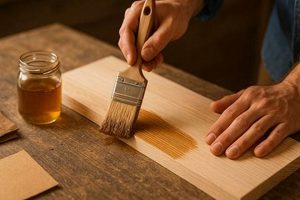
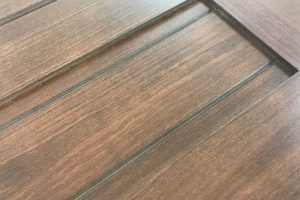
The process entails applying protective and aesthetic treatments to wooden stair treads and risers. This frequently involves sanding, staining or painting, and the application of a durable topcoat like polyurethane or varnish. It enhances the appearance and longevity of the staircase. For example, after installing new oak treads, one would likely sand them smooth, apply a stain to match existing flooring, and then apply several coats of polyurethane for protection against wear and tear.
Proper surface treatment is crucial for maintaining the structural integrity and visual appeal of wood stairs. It safeguards the wood from moisture damage, scratches, and everyday wear, extending the life of the staircase. Historically, finishes were simpler, often relying on oils or waxes. Modern techniques offer more robust and longer-lasting protection, improving safety and reducing maintenance needs.
The following sections will detail various methods for surface preparation, stain and paint selection, and the application of protective clear coats. Factors influencing the choice of finish, such as wood type, traffic level, and desired aesthetic, will also be examined. Further, the tools and materials required for achieving a professional-quality result will be outlined.
Essential Considerations for Wooden Stair Surface Treatment
Achieving a durable and aesthetically pleasing stair finish requires careful planning and execution. The following tips offer valuable guidance.
Tip 1: Proper Surface Preparation is Paramount. Thorough sanding, starting with a coarse grit and progressing to finer grits, is essential for removing imperfections and ensuring uniform stain absorption. Failure to properly sand can result in uneven color and a compromised finish.
Tip 2: Select a Finish Compatible with the Wood Species. Different wood species absorb stains and finishes differently. Test the selected finish on a small, inconspicuous area of the wood to ensure desired color and adhesion before applying to the entire staircase.
Tip 3: Apply Multiple Thin Coats of Finish. Several thin coats of polyurethane or varnish provide superior protection and a smoother, more durable surface than one thick coat. Allow each coat to dry completely and lightly sand between coats for optimal adhesion.
Tip 4: Consider the Traffic Level When Choosing a Finish. High-traffic staircases require a more durable finish, such as a two-part polyurethane. Lower-traffic areas may be suitable for less robust options like varnish or even specialized waxes.
Tip 5: Use a High-Quality Brush or Applicator. The quality of the brush or applicator significantly impacts the smoothness and evenness of the finish. Invest in high-quality tools designed for the specific type of finish being applied.
Tip 6: Control the Environment During Application and Drying. Avoid applying finishes in excessively humid or dusty environments. Temperature and humidity can affect drying time and the final appearance of the finish. Proper ventilation is also crucial.
Tip 7: Allow Adequate Drying Time. Rushing the drying process can lead to a soft, easily damaged finish. Adhere to the manufacturer’s recommended drying times between coats and before allowing foot traffic on the staircase.
By adhering to these guidelines, a durable and visually appealing surface treatment can be achieved. This will enhance the safety and longevity of any wooden staircase.
The subsequent sections will provide detailed information on specific finishing techniques and maintenance practices.
1. Surface Preparation

The quality of a finished wood staircase is inextricably linked to the initial surface preparation. This phase establishes the foundation upon which all subsequent finishing steps rely. Imperfections left unaddressed at this stage will be magnified by the finish, resulting in a compromised aesthetic and reduced durability. This is because the finish itself, whether stain or protectant, primarily functions as a surface coating; it does not correct underlying flaws. For example, residual glue from previous carpeting, scratches, or unevenness will be permanently sealed beneath the finish, impacting both the visual appeal and the functional integrity of the steps.
Surface preparation involves several key processes: cleaning to remove dirt, grime, and existing finishes; sanding to create a smooth, uniform surface and open the wood pores for proper stain absorption; and filling any holes or cracks with wood filler. The choice of sanding grit is also critical. Coarse grits are necessary for removing significant imperfections, while finer grits are essential for creating a polished surface that promotes even stain penetration and a smooth topcoat application. Neglecting any of these steps can lead to various issues. For instance, inadequate sanding can result in blotchy stain absorption, while failing to fill gaps can create weak points prone to cracking and splintering.
In conclusion, surface preparation constitutes a non-negotiable precursor to successfully finishing steps with wood. Its meticulous execution ensures optimal adhesion, uniform color, and maximum durability of the chosen finish. While seemingly time-consuming, thorough surface preparation mitigates the risk of costly rework, ultimately providing a superior and longer-lasting outcome. Its importance cannot be overstated in the context of wood finishing projects. Its value cannot be overstated in the context of this project.
2. Finish Selection

The appropriate selection of a wood finish is paramount to the success of any staircase finishing project. The choice dictates not only the aesthetic outcome but also the durability, maintenance requirements, and overall longevity of the treated wood surface.
- Durability and Traffic Level
The anticipated volume of foot traffic significantly influences finish selection. High-traffic staircases necessitate finishes with high abrasion resistance, such as polyurethane or specialized floor varnishes. These finishes form a hard, protective layer that withstands repeated wear and tear. Conversely, lower-traffic areas may accommodate less robust options like penetrating oils or waxes, which offer aesthetic appeal but less physical protection. Incorrectly assessing traffic levels can lead to premature wear and the need for frequent refinishing.
- Wood Species and Finish Compatibility
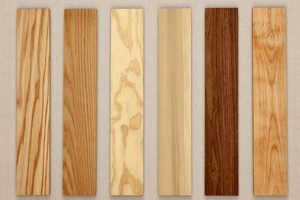
Different wood species possess varying densities, pore sizes, and resin contents, which directly affect finish absorption and adhesion. Open-grained woods like oak or ash may require paste fillers to achieve a smooth finish, while closed-grained woods like maple or cherry may not. Furthermore, certain finishes may react adversely with specific wood extractives, leading to discoloration or adhesion problems. Thorough research and testing are crucial to ensure compatibility between the chosen finish and the wood species.
- Aesthetic Considerations
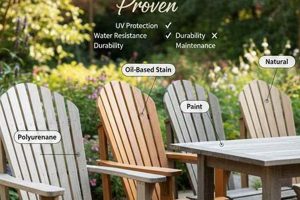
The desired aesthetic plays a significant role in finish selection. Options range from clear finishes that highlight the natural wood grain to pigmented stains and paints that alter the wood’s color and appearance. Matte finishes offer a subtle, natural look, while gloss finishes provide a reflective, high-shine surface. The choice depends on the overall design scheme and personal preferences. However, aesthetic considerations should not supersede the importance of durability and protection.
- Environmental Factors and VOC Content
The environmental impact of finish selection should also be considered. Traditional solvent-based finishes often contain high levels of volatile organic compounds (VOCs), which can pose health risks and contribute to air pollution. Water-based finishes and low-VOC options offer a more environmentally friendly alternative, without necessarily sacrificing performance. Local regulations may also restrict the use of certain high-VOC finishes, making low-VOC options the only viable choice.
The factors described directly impact the final results. A careful process involving consideration of traffic levels, wood characteristics, aesthetic goals, and environmental concerns leads to the optimal result for a wooden staircase. This diligence ensures both lasting beauty and reliable protection, contributing to a staircase that endures daily use while preserving its intended design for years to come.
3. Application Technique
The application technique employed during the finishing process profoundly influences the final appearance, durability, and longevity of wood stairs. It directly affects the uniformity of the finish, the prevention of imperfections, and the overall protection afforded to the wood.
- Brush vs. Spray Application
The choice between brush and spray application significantly impacts the outcome. Brush application, while often more accessible and affordable, requires careful technique to avoid brush strokes and uneven coating. Spray application, utilizing equipment such as HVLP sprayers, offers a smoother, more consistent finish but demands skill to prevent runs, drips, and overspray. The selection hinges on factors such as project scale, budget, and desired finish quality. Improper technique with either method can lead to visible defects and compromised protection.
- Even Coating and Proper Mil Thickness
Achieving a uniform coating thickness, measured in mils, is crucial for optimal finish performance. Insufficient mil thickness provides inadequate protection, while excessive thickness can lead to cracking, peeling, or clouding. Application technique directly influences mil thickness; overlapping strokes, consistent spray patterns, and proper leveling are essential. Measurement tools, such as wet film gauges, can assist in ensuring proper thickness during application.
- Environmental Control during Application
Environmental conditions, including temperature, humidity, and airflow, profoundly affect the drying and curing process of wood finishes. High humidity can slow drying, leading to prolonged tackiness and increased risk of dust contamination. Extreme temperatures can cause rapid drying, resulting in brush marks or surface imperfections. Proper ventilation is necessary to remove solvent vapors and promote even curing. Controlling these environmental factors is an integral part of the application technique.
- Inter-Coat Preparation and Sanding
Surface preparation between coats is often necessary to achieve a smooth, durable finish. Light sanding with fine-grit sandpaper removes imperfections, such as dust nibs or brush strokes, and creates a mechanical bond for subsequent coats. Proper sanding technique, including using appropriate grit and avoiding excessive pressure, is crucial to prevent scratching or damaging the existing finish. Thorough dust removal after sanding is equally important to ensure optimal adhesion of the next coat.
The facets demonstrate that careful execution of application protocols is fundamental to effectively surface treating wooden steps. These techniques contribute to a long-lasting, visually appealing, and structurally sound surface finish. Attention to detail regarding equipment choice, coating consistency, environmental control, and inter-coat preparation collectively ensures optimal results.
4. Cure Time

Cure time represents a critical, often underestimated, phase in the process. It is the period required for a finish to fully harden and achieve its designed protective properties. Insufficient cure time compromises the integrity of the finish, rendering it susceptible to damage and premature wear.
- Impact on Durability
Inadequate cure time directly correlates with reduced abrasion resistance. For example, if polyurethane applied to stair treads is subjected to foot traffic before fully curing, it will be more prone to scratches, scuffs, and indentations. The finish remains soft and pliable, unable to withstand the stresses of regular use. This results in a compromised aesthetic and a shortened lifespan for the finish.
- Influence on Chemical Resistance
Complete curing is essential for achieving the intended chemical resistance of the finish. Spills of household cleaners, water, or other liquids can penetrate an uncured finish, causing staining, discoloration, or even damage to the underlying wood. A fully cured finish forms a barrier that effectively protects the wood from these chemical assaults. Failure to allow adequate cure time can negate this protective capability.
- Effects on Adhesion
The curing process involves chemical reactions that bond the finish to the wood substrate. Premature use can disrupt these reactions, leading to poor adhesion. This manifests as peeling, flaking, or bubbling of the finish. The bond between the finish and the wood must be strong enough to withstand the expansion and contraction of the wood due to changes in temperature and humidity. Proper cure time ensures this bond is fully established.
- Relationship to Environmental Factors
Cure time is influenced by environmental conditions, particularly temperature and humidity. Lower temperatures and higher humidity levels can significantly extend cure times. Conversely, excessively high temperatures can cause the finish to cure too rapidly, resulting in surface defects. Adhering to the manufacturer’s recommended cure times, while considering prevailing environmental conditions, is crucial for optimal results.
Therefore, adhering to recommended cure times is not merely a suggestion, but a fundamental requirement. Ignoring this step compromises the protective capabilities of the finish, leading to premature wear, reduced chemical resistance, and potential adhesion failures. Diligence during the cure time phase ultimately contributes to a durable, aesthetically pleasing, and long-lasting result in any wood finishing process.
5. Sealer/Primer
The application of a sealer or primer is an integral preparatory step that significantly impacts the final quality and longevity of the finish on wooden steps. It functions as an intermediary layer between the bare wood and the subsequent topcoat, influencing adhesion, color uniformity, and overall protection.
- Enhancing Adhesion
Sealers and primers are formulated to penetrate the wood pores, creating a strong mechanical bond for the topcoat. They provide a stable surface for the finish to adhere to, preventing peeling, cracking, and blistering over time. For example, applying a shellac-based sealer to pine steps prior to varnishing ensures that the varnish adheres properly, even under the stress of foot traffic and seasonal wood movement. Without a proper sealer, the topcoat may fail to bond adequately, leading to premature finish failure.
- Promoting Color Uniformity
Wood can exhibit varying degrees of porosity, leading to uneven stain absorption. Sealers help to mitigate this by creating a uniform surface, preventing stains from penetrating too deeply in some areas and not enough in others. For instance, using a sanding sealer on maple steps before staining helps to control the stain absorption, resulting in a consistent color across the entire staircase. This is particularly important when using dark stains, which tend to accentuate variations in wood porosity.
- Preventing Wood Extractives Bleed-Through
Certain wood species, such as redwood and cedar, contain natural oils and resins that can bleed through the finish over time, causing discoloration or adhesion problems. Sealers act as a barrier, preventing these extractives from migrating into the topcoat. Applying an oil-based primer to redwood steps prior to painting can prevent the redwood’s natural oils from staining or compromising the paint finish. This is especially crucial for light-colored finishes, which are more susceptible to discoloration.
- Improving Topcoat Durability
By creating a stable and uniform surface, sealers and primers enhance the durability of the topcoat. They reduce the stress on the finish, making it more resistant to scratches, scuffs, and impacts. A properly sealed and primed surface allows the topcoat to form a more cohesive and resilient layer. This results in a longer-lasting and more aesthetically pleasing finish, reducing the need for frequent refinishing.
These characteristics illustrate that the appropriate application of a sealer or primer is a critical component. It serves not merely as an optional step but as a fundamental practice that enhances the longevity, appearance, and overall performance of the finished product.
6. Abrasion Resistance

Abrasion resistance, the ability of a surface to withstand wear from friction, is a paramount consideration when addressing the proper surface treatment for wooden steps. The staircase, by its very nature, endures constant contact from foot traffic, making abrasion a primary cause of finish degradation. Consequently, the selection and application of a finish with adequate abrasion resistance directly influence the longevity and aesthetic appeal of the finished staircase.
- Finish Type and Abrasion Performance
Different types of wood finishes offer varying degrees of abrasion resistance. Polyurethane finishes, particularly those formulated for floors, generally provide superior protection against abrasion compared to varnishes, lacquers, or oil-based finishes. This is due to their inherent hardness and the formation of a durable protective layer. For example, a high-traffic staircase in a commercial setting would necessitate a two-part polyurethane finish to withstand the constant wear, while a less-used staircase in a residential setting might suffice with a spar varnish. The selection should reflect the expected traffic volume and potential for abrasive forces.
- Impact of Surface Preparation
While the finish itself contributes significantly to abrasion resistance, proper surface preparation is equally crucial. A poorly prepared surface, characterized by unevenness, scratches, or residual contaminants, will compromise the ability of the finish to adhere and provide optimal protection. A meticulously sanded and cleaned surface provides a strong foundation for the finish, maximizing its abrasion resistance. Failure to adequately prepare the surface can lead to premature wear and a compromised finish, regardless of the finish type.
- The Role of Multiple Coats
The application of multiple coats, as opposed to a single thick coat, enhances the overall abrasion resistance of the finish. Each coat builds upon the previous, creating a thicker and more resilient protective layer. Light sanding between coats promotes adhesion and smooths out any imperfections, further contributing to the durability of the finish. A staircase finished with three thin coats of polyurethane will exhibit greater abrasion resistance than one finished with a single thick coat, even if the total film thickness is the same.
- Maintenance and Long-Term Abrasion Resistance
Even the most abrasion-resistant finish requires regular maintenance to prolong its lifespan. Cleaning the staircase with appropriate cleaning products and avoiding abrasive cleaners or scouring pads is essential. Applying a maintenance coat of finish periodically can replenish the protective layer and prevent the underlying wood from being exposed to abrasion. Neglecting proper maintenance will accelerate wear and tear, regardless of the initial abrasion resistance of the finish.
These facets collectively underscore the importance of abrasion resistance in the context of the correct surface finishing for wood steps. A holistic approach that considers the finish type, surface preparation, application technique, and ongoing maintenance is essential for achieving a durable and aesthetically pleasing staircase that can withstand the rigors of daily use.
7. Maintenance
The longevity and aesthetic appeal of a wooden staircase are intrinsically linked to ongoing maintenance procedures. The initial finishing process, however meticulously executed, represents only the first phase in preserving the integrity of the wood surface. Without consistent and appropriate maintenance, the protective qualities of the finish degrade over time, leading to premature wear, damage, and ultimately, the need for costly refinishing. Consider, for example, a staircase finished with polyurethane, a durable and abrasion-resistant coating. If subjected to regular foot traffic laden with abrasive particles such as dirt and sand, the protective layer will gradually erode. This erosion exposes the underlying wood, making it susceptible to moisture damage, staining, and splintering. Therefore, regular cleaning becomes crucial to remove these abrasive elements and preserve the integrity of the polyurethane finish.
Maintenance protocols must be tailored to the specific type of finish applied. For instance, surfaces treated with penetrating oils require periodic re-application of the oil to replenish the protective layer. Failing to do so allows the wood to dry out, crack, and become susceptible to staining. Conversely, surfaces finished with film-forming finishes, such as polyurethane or varnish, necessitate regular cleaning with non-abrasive cleaners and the occasional application of a maintenance coat to restore the finish’s luster and protective properties. The selection of cleaning products is equally important; harsh chemicals or abrasive cleaners can damage or strip the finish, negating the benefits of the initial finishing process. A practical example is the use of a pH-neutral cleaner on a varnished staircase to prevent damage to the coating. Furthermore, the strategic placement of rugs or mats at the top and bottom of the staircase can significantly reduce wear in high-traffic areas, minimizing the need for frequent maintenance interventions.
In summary, understanding the connection between the finishing process and subsequent maintenance procedures is essential for maximizing the lifespan and aesthetic value of a wooden staircase. The initial investment in a high-quality finish can be rendered futile without a commitment to consistent and appropriate maintenance practices. Recognizing the cause-and-effect relationship between maintenance and the long-term condition of the staircase enables proactive preservation efforts, minimizing the need for extensive and expensive repairs or refinishing in the future. This proactive approach ensures the staircase continues to serve its functional purpose while retaining its visual appeal for years to come.
Frequently Asked Questions
The following questions address common concerns and misunderstandings regarding the proper procedure.
Question 1: Is sanding truly necessary, or can a new finish be applied directly over an existing one?
Sanding is a crucial step for ensuring proper adhesion of the new finish. Applying a finish directly over an existing coating, particularly if it is glossy or contains imperfections, can lead to adhesion failures, peeling, and an uneven final result.
Question 2: What is the difference between stain and paint, and when should each be used?
Stain penetrates the wood, highlighting its natural grain while adding color. Paint forms an opaque layer on the surface, concealing the grain. Stain is typically preferred when desiring to showcase the wood’s inherent beauty, while paint is chosen when seeking a solid color or to cover imperfections. The choice depends on the desired aesthetic.
Question 3: How many coats of polyurethane are recommended for adequate protection?
A minimum of three coats of polyurethane is generally recommended for providing sufficient protection against wear and tear on a staircase. High-traffic areas may benefit from additional coats to enhance durability. Thin, even coats are preferable to a single thick coat.
Question 4: Can any type of wood filler be used to repair imperfections?
The selection of wood filler should be guided by the type of wood and the intended finish. Stainable wood fillers are designed to accept stain evenly, while paintable fillers are suitable for surfaces that will be painted. Using the wrong type of filler can result in uneven color and a compromised aesthetic.
Question 5: How long should the steps be allowed to dry before being used?
The manufacturer’s recommended drying time should always be followed. Generally, allow at least 24 hours for each coat of finish to dry completely before applying the next. Complete curing, which can take several days, is essential before subjecting the stairs to heavy foot traffic.
Question 6: Is professional assistance necessary, or can the finishing process be handled as a do-it-yourself project?
While it can be approached as a DIY project, achieving a professional-quality finish requires skill, patience, and attention to detail. If unsure about the proper techniques or lacking the necessary tools, consulting or hiring a professional finisher is recommended to ensure a satisfactory outcome.
In conclusion, diligent preparation, careful product selection, and adherence to proper application techniques are crucial for achieving a durable and aesthetically pleasing finished product.
The subsequent section will address specialized techniques and advanced considerations.
Conclusion
This exploration has outlined the essential elements of how to finish steps with wood, from meticulous surface preparation to the selection of appropriate finishes and the critical importance of proper application techniques and cure times. Abrasion resistance and ongoing maintenance were underscored as key determinants of long-term durability and aesthetic preservation. Success in this endeavor hinges upon a comprehensive understanding of these factors and a commitment to diligent execution.
The knowledge presented equips individuals to approach wood stair finishing projects with greater confidence and competence. Applying these principles promises an enhanced staircase, a valuable asset that combines structural integrity with lasting beauty and enduring value. Careful planning and thoughtful execution remain paramount for achieving optimal results.