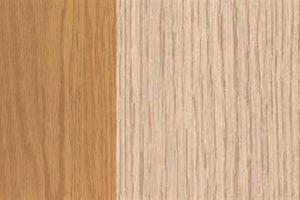
Protective coatings applied to various materials, often wood or metal, to enhance their appearance and durability are crucial in manufacturing and construction. These applications can range from simple varnishes to complex multi-layer systems, each designed for specific performance characteristics. For example, a clear lacquer might be used on furniture to highlight the natural grain, while a more robust epoxy coating could protect metal components from corrosion.
The importance of these surface treatments lies in their ability to extend the lifespan of the underlying material and improve its aesthetic value. They provide a barrier against environmental factors such as moisture, UV radiation, and physical abrasion. Historically, the development of these treatments has progressed alongside advancements in chemistry and materials science, leading to increasingly sophisticated formulations with enhanced properties like scratch resistance, chemical inertness, and color stability.
The subsequent sections will delve into the specifics of various types of these protective layers, their application methods, and the factors that influence their selection for different applications. Understanding these aspects is essential for achieving optimal results in terms of both protection and appearance.
Enhancing Longevity and Aesthetics
Achieving a high-quality, durable, and visually appealing surface requires careful attention to detail and adherence to established best practices. The following guidelines outline essential considerations for optimal outcomes.
Tip 1: Surface Preparation is Paramount: Thoroughly clean and prepare the substrate before application. Remove any contaminants, such as dust, grease, or existing flaking matter. Proper preparation ensures optimal adhesion and prevents premature failure.
Tip 2: Select the Appropriate Product: Choose a product specifically formulated for the substrate and intended use environment. Factors to consider include material compatibility, exposure to moisture or UV radiation, and required level of abrasion resistance. Refer to manufacturer specifications for detailed guidance.
Tip 3: Control Environmental Conditions: Application should occur within the temperature and humidity ranges recommended by the manufacturer. Deviation from these parameters can adversely affect drying time, adhesion, and overall performance.
Tip 4: Apply in Thin, Even Coats: Multiple thin coats are generally preferable to a single thick coat. Thin coats promote even drying, minimize the risk of runs or sags, and enhance the overall durability of the protective layer.
Tip 5: Allow Adequate Drying Time: Adhere strictly to the manufacturer’s recommended drying times between coats and before placing the item into service. Insufficient drying can lead to issues such as tackiness, blistering, or reduced resistance to wear.
Tip 6: Proper Ventilation is Crucial: Ensure adequate ventilation during and after application, especially when using solvent-based products. This minimizes exposure to harmful fumes and facilitates proper curing.
Tip 7: Consider a Test Application: Before applying to the entire surface, perform a test application on a small, inconspicuous area to verify compatibility and desired aesthetic outcome. This allows for adjustments in technique or product selection before committing to the full project.
Adhering to these guidelines contributes significantly to the long-term performance, aesthetic appeal, and overall value of the treated item. Consistent application of these principles yields a superior, more durable, and visually appealing result.
The subsequent sections will delve into specific techniques and advanced methods for achieving exceptional results in various application scenarios.
1. Durability Enhancement

Durability enhancement, in the context of surface treatments, refers to the improvement of a material’s resistance to wear, damage, and degradation over time. This is a core function, as a surface treatment’s primary purpose is often to extend the lifespan and maintain the integrity of the underlying substrate.
- Abrasion Resistance
A crucial facet of durability enhancement is resistance to abrasion, or the wearing away of a material by friction. Surface treatments designed to enhance abrasion resistance typically incorporate hard, durable materials or create a dense, tightly bonded layer. Examples include applying a polyurethane finish to a wooden floor in a high-traffic area or using a ceramic coating on metal components subject to constant rubbing. This resistance is vital in preserving both the aesthetic appearance and structural integrity of the treated item.
- Corrosion Protection
Corrosion protection is paramount for metallic substrates exposed to corrosive environments. Surface treatments like paints, powder coatings, or specialized chemical conversion coatings act as a barrier, preventing moisture and corrosive agents from reaching the metal surface. These treatments often incorporate inhibitors that neutralize corrosive substances or create a passive layer that prevents electrochemical reactions. In marine environments, for example, specialized coatings are essential to prevent the rapid degradation of metal structures due to saltwater exposure.
- Impact Resistance
Impact resistance refers to the ability of a surface treatment to withstand sudden blows or impacts without cracking, chipping, or delaminating. This property is often achieved through the incorporation of flexible polymers or reinforcing agents that can absorb and distribute impact energy. For example, a protective coating on automotive body panels must be able to withstand minor impacts from road debris without compromising the underlying metal. This is essential for maintaining both the aesthetic appearance and structural integrity of the vehicle.
- UV Resistance
Exposure to ultraviolet (UV) radiation can cause significant degradation in many materials, particularly polymers. Surface treatments designed for outdoor use often incorporate UV absorbers or stabilizers that prevent the breakdown of the coating material. This is especially important for maintaining the color and gloss of the surface, as well as preventing embrittlement and cracking. Without adequate UV protection, outdoor furniture, signage, and building components can rapidly deteriorate, leading to costly repairs or replacements.
These facets of durability enhancement are integral to the overall performance and longevity of materials. By addressing these specific areas of vulnerability, surface treatments significantly extend the service life of the treated substrate, reducing the need for frequent repairs or replacements and ensuring long-term cost savings.
2. Aesthetic Improvement

Aesthetic improvement, in the context of surface treatments, directly relates to the enhancement of visual appeal and decorative qualities. This aspect is a key driver in many applications, particularly where the treated item is intended for consumer use or public display.
- Color Enhancement and Customization
Surface treatments offer a wide range of possibilities for color enhancement and customization. Pigments can be incorporated into paints, stains, or coatings to achieve a specific hue, tone, or visual effect. For example, a metal component can be powder-coated in a vibrant color to improve its aesthetics or match a corporate branding scheme. Color matching and formulation are crucial aspects of this process, allowing for precise replication of colors and the creation of custom shades. This customization is particularly important in product design and architecture, where aesthetic considerations are paramount.
- Gloss and Sheen Control
The level of gloss or sheen can significantly impact the perceived quality and appearance of a surface. Surface treatments allow for precise control over gloss levels, ranging from matte finishes with minimal reflectivity to high-gloss finishes that provide a mirror-like appearance. The choice of gloss level depends on the intended use and desired aesthetic effect. Matte finishes are often used to minimize glare or highlight texture, while high-gloss finishes are used to create a sense of luxury or sophistication. For instance, furniture often receives a satin or semi-gloss finish to strike a balance between durability and visual appeal.
- Texture Modification
Surface treatments can alter the texture of a substrate, adding depth, dimension, and visual interest. Textured coatings can be applied to create a variety of effects, such as a hammered finish on metal or a wood grain texture on plastic. These textures can enhance the aesthetic appeal of the surface, mask imperfections, or improve grip. In architectural applications, textured coatings are often used to create a unique visual statement or to mimic the appearance of natural materials.
- Surface Smoothing and Defect Concealment
Surface treatments can be used to smooth out imperfections, such as scratches, dents, or blemishes, on a substrate. Fillers, primers, or specialized coatings can be applied to create a smooth, uniform surface, providing an ideal base for subsequent layers. This is particularly important in applications where a flawless finish is desired, such as automotive painting or high-end furniture manufacturing. By concealing defects and creating a smooth surface, surface treatments can significantly enhance the perceived quality and value of the treated item.
Collectively, these aspects of aesthetic improvement demonstrate the crucial role surface treatments play in enhancing the visual appeal and perceived value. The ability to manipulate color, gloss, texture, and surface smoothness allows for a wide range of aesthetic possibilities, making them a critical component in product design, architecture, and manufacturing.
3. Protection against elements

Effective surface treatments provide essential protection against environmental elements, thus significantly influencing material longevity. Surface treatments act as a barrier between the substrate and harsh conditions such as moisture, ultraviolet radiation, temperature fluctuations, and chemical exposure. Without such protection, materials degrade more rapidly, resulting in increased maintenance costs and potential structural failure. For instance, exterior wood structures, when treated with appropriate protective coatings, demonstrate enhanced resistance to rot, insect infestation, and weathering compared to untreated counterparts. This protective function is not merely superficial; it directly affects the durability and lifespan of the underlying material.
The specific environmental threats determine the type of surface treatment required. Marine environments necessitate coatings with high salt resistance to prevent corrosion, while surfaces exposed to direct sunlight benefit from UV-resistant formulations that minimize fading and degradation. Industrial settings may require chemical-resistant treatments to withstand exposure to corrosive substances. For example, pipelines transporting chemicals are coated with specialized compounds to prevent leaks and environmental contamination. The selection and application of appropriate protective layers are therefore critical in mitigating the risks associated with environmental exposure and ensuring the long-term performance of the material.
Consequently, surface treatments designed for elemental protection represent a critical investment in material preservation and sustainability. While the initial cost of application may be significant, the long-term benefits in terms of reduced maintenance, extended service life, and minimized environmental impact often outweigh the upfront expense. This understanding underscores the importance of considering environmental factors when selecting surface treatments and highlights the need for ongoing research and development in this area to create even more effective and sustainable protective solutions.
4. Material compatibility

Material compatibility constitutes a fundamental aspect in the selection and application of surface treatments. The interaction between the substrate material and the surface treatment dictates the long-term effectiveness and integrity of the protective layer. Incompatible pairings can lead to a range of adverse effects, including poor adhesion, premature failure, and compromised performance. For instance, applying an epoxy coating to a flexible substrate may result in cracking and delamination due to differences in thermal expansion coefficients. Similarly, using a water-based coating on a surface prone to moisture intrusion may lead to blistering and peeling.
The significance of material compatibility extends beyond preventing immediate failures. It directly influences the durability, aesthetic qualities, and overall lifespan of the treated item. Proper compatibility ensures a strong bond between the surface treatment and the substrate, providing effective protection against environmental factors and mechanical stress. This, in turn, contributes to reduced maintenance costs, extended service life, and improved performance. Examples of compatible pairings include using oil-based paints on wood, powder coatings on metal, and specialized adhesives for plastics. Each pairing is selected based on the specific properties of the materials involved, ensuring a harmonious interaction that optimizes performance.
Ultimately, understanding material compatibility is critical for achieving successful surface treatments. The selection of compatible materials requires careful consideration of factors such as chemical composition, surface energy, thermal expansion coefficients, and mechanical properties. Ignoring these factors can result in costly failures and compromised performance. Therefore, adherence to industry best practices and consultation with material science experts are essential for ensuring optimal compatibility and achieving the desired outcome in terms of protection, aesthetics, and longevity.
5. Application technique

Application technique is intrinsically linked to the final quality and performance of surface treatments. The method by which a coating is applied significantly influences its adhesion, uniformity, thickness, and overall protective capabilities. Incorrect application can lead to a variety of issues, ranging from cosmetic imperfections to premature failure of the treatment. For instance, a spray-applied coating may exhibit runs or orange peel texture if the viscosity, pressure, or spray technique are not properly controlled. Similarly, brush application may result in uneven coverage or visible brush marks if the applicator lacks skill or uses inappropriate tools. The outcome is directly attributable to the cause – the method of application.
The selection of an appropriate application technique depends on several factors, including the type of surface treatment, the substrate material, the desired finish, and the environmental conditions. Common application methods include brushing, rolling, spraying (airless, conventional, electrostatic), dipping, and powder coating. Each method has its advantages and disadvantages in terms of cost, efficiency, and achievable quality. For example, electrostatic spraying is often used for applying coatings to complex shapes with high transfer efficiency, while dipping is suitable for coating large quantities of small parts. The practical significance lies in understanding these nuances. If coating metal parts, it might be important to choose an option as dipping rather than brushing for coating large quantities of small parts.
In summary, application technique is not merely a procedural step; it is an integral component of the entire process that significantly influences the outcome. Mastery of application techniques ensures that the inherent protective and aesthetic properties are realized. Failure to properly apply coating nullifies its protective features. Addressing challenges in application, such as achieving uniform thickness or minimizing defects, remains a critical area of focus for both researchers and practitioners in the field of surface treatment and material science, ensuring the enduring quality and performance of coating.
6. Longevity Extension
The extension of material lifespan constitutes a primary objective in the application of protective surface treatments. Protective coatings mitigate the degradation effects of environmental factors, wear, and corrosion, thereby prolonging the service life of the substrate. Failure to adequately protect materials accelerates deterioration, leading to premature replacement and increased costs. The relationship between this protective element and overall durability emphasizes the integral role of a quality barrier and adherence to best practices.
Surface treatments, when appropriately selected and applied, act as a shield against external threats. These protective layers prevent direct contact between the substrate and corrosive agents, UV radiation, and abrasive forces. For instance, the application of specialized coatings on metal structures in marine environments significantly reduces the rate of corrosion, preventing structural weakening and extending the lifespan of the asset. Similarly, wood sealants protect against moisture penetration, preventing rot and insect infestation. Consequently, investment in appropriate protection yields substantial returns in terms of reduced maintenance costs, extended service life, and improved overall performance.
Understanding the cause-and-effect relationship between protection and material durability is essential for informed decision-making. Proper assessment of environmental conditions, material properties, and application techniques ensures optimal performance and longevity. The application process is crucial to effective application. By prioritizing high-quality treatments, organizations can significantly reduce the lifecycle costs of their assets and minimize environmental impact through decreased material consumption and waste generation.
Frequently Asked Questions
The following questions address common concerns and misconceptions regarding the selection, application, and performance of protective coatings.
Question 1: How does one assess the suitability of a particular coating for a specific substrate?
Evaluating the suitability of a coating involves considering factors such as material compatibility, environmental exposure, and desired performance characteristics. Manufacturers’ data sheets provide detailed information on material compatibility and recommended applications. Consulting with a qualified materials engineer can also provide valuable insights.
Question 2: What steps should be taken to ensure proper adhesion of a protective coating?
Surface preparation is paramount for ensuring proper adhesion. This includes cleaning the substrate to remove contaminants, roughening the surface to increase mechanical bonding, and applying a primer or adhesion promoter if necessary. Adherence to manufacturer’s instructions regarding surface preparation is crucial.
Question 3: How does environmental exposure affect the lifespan of a protective coating?
Environmental factors such as UV radiation, moisture, temperature fluctuations, and chemical exposure can significantly impact the lifespan of a protective coating. Coatings should be selected based on their ability to withstand the specific environmental conditions to which they will be exposed. Periodic inspection and maintenance can further extend their lifespan.
Question 4: What are the common causes of coating failure?
Common causes of coating failure include inadequate surface preparation, improper application techniques, use of incompatible materials, and exposure to conditions exceeding the coating’s performance capabilities. Identifying the root cause of failure is essential for implementing corrective measures.
Question 5: How does one balance cost considerations with performance requirements when selecting a protective coating?
Selecting a coating involves weighing cost against performance requirements. While lower-cost options may seem attractive, they may not provide the necessary level of protection or durability, leading to premature failure and increased lifecycle costs. A thorough cost-benefit analysis is recommended.
Question 6: What are the industry standards and certifications relevant to protective coatings?
Various industry standards and certifications exist to ensure the quality and performance of protective coatings. Examples include ASTM standards for testing coating properties and ISO standards for quality management systems. Compliance with these standards can provide assurance of coating performance and reliability.
The above frequently asked questions are addressed with the intent of giving a clear image and informative manner. This helps improve understanding.
The subsequent sections will delve into the specifications of various surface treatments and detailed discussions about them.
Baldwin Finishes
This exploration has detailed the multifaceted nature of surface treatments, encompassing durability enhancement, aesthetic improvement, elemental protection, material compatibility, proper application, and longevity extension. Each aspect contributes to the overall effectiveness and value of the finished product. A comprehensive understanding of these factors is crucial for making informed decisions and achieving optimal results in diverse applications. By considering each facet, one will be able to prolong the lifespan of different assets and materials for use.
The ongoing development and refinement of surface treatment technologies will continue to drive advancements in material science, construction, and manufacturing. A commitment to best practices and continuous learning is essential for harnessing these innovations and ensuring the enduring quality and performance of finished goods. Therefore, continued diligence and innovation in surface treatment methodologies remain paramount for achieving sustainable and long-lasting material solutions. Such a method is essential for Baldwin Finishes, and companies providing such solutions.
![Eastport in The Villages: When Will It Be Finished? [Update] | Best Final Touch: Elevate Your Projects with Professional Finishing](https://bestfinaltouch.com/wp-content/uploads/2026/05/th-223-300x200.jpg "Eastport in The Villages: When Will It Be Finished? [Update] Best Final Touch: Elevate Your Projects with Professional Finishing")