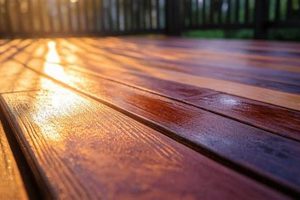
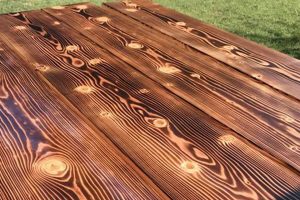
A clear, non-yellowing coating for wood provides a protective layer while allowing the natural beauty of the wood grain to remain visible. Such coatings are commonly employed on light-colored woods, such as maple or birch, where preserving the original tone is desired. The resulting appearance is one of clarity and enhanced natural aesthetics.
The benefits of utilizing this type of finish include maintaining the lightness and vibrancy of the wood, preventing discoloration over time, and offering a durable, protective surface. Historically, achieving this level of clarity required specialized techniques and materials; modern formulations, however, offer improved ease of application and long-term performance while retaining these critical characteristics.
Understanding the properties and application methods of this clear coating is crucial for achieving optimal results in woodworking projects. Subsequent sections will delve into the specific types of products available, proper surface preparation techniques, and recommended application procedures, along with insights into long-term maintenance and repair.
Application and Maintenance Tips
Achieving a flawless and enduring result requires careful adherence to best practices. These guidelines outline critical steps for successful application and long-term preservation.
Tip 1: Surface Preparation is Paramount: Ensure the wood surface is thoroughly cleaned, sanded smooth, and free from dust or contaminants. Inadequate preparation will compromise adhesion and clarity.
Tip 2: Use a Compatible Sealer: Applying a sealer before the finish is crucial, particularly on porous woods. Select a sealer specifically designed for compatibility to prevent issues such as clouding or uneven absorption.
Tip 3: Apply Thin, Even Coats: Multiple thin coats are preferable to a single thick coat. This minimizes the risk of runs, drips, and air bubbles, promoting a uniform and transparent layer.
Tip 4: Sand Lightly Between Coats: After each coat has dried completely, lightly sand with fine-grit sandpaper (e.g., 320-grit or higher). This creates a smooth surface for the next coat to adhere to and removes any imperfections.
Tip 5: Maintain Consistent Environmental Conditions: Apply the finish in a well-ventilated area with stable temperature and humidity. Extreme temperatures or high humidity can negatively affect drying time and overall finish quality.
Tip 6: Proper Cleanup is Essential: Utilize appropriate solvents for cleaning brushes and equipment immediately after use. Dried finish can be difficult to remove and may damage equipment.
Tip 7: Regular Inspection and Maintenance: Periodically inspect the finished surface for signs of wear, scratches, or damage. Address minor issues promptly to prevent more extensive repairs.
Following these guidelines will maximize the clarity, durability, and longevity. Consistent attention to detail during both the application and maintenance phases will result in a superior and lasting result.
The subsequent sections will provide detailed information on repair techniques and strategies for addressing specific issues that may arise over time, ensuring the continued preservation of the finished wood.
1. Clarity

Clarity is a defining characteristic sought in wood coatings, particularly when the objective is to accentuate the natural grain and color of the underlying wood. This is especially true when using a product designed to preserve the aesthetic properties of the wood.
- Preservation of Natural Wood Tone
Clarity directly dictates how accurately the original color of the wood is maintained. A highly clear coating will allow the wood’s inherent tones to shine through without alteration. This is critical for species with subtle coloration or unique grain patterns where any color shift imparted by the finish would be detrimental.
- Absence of Haze or Discoloration
Coatings with inadequate clarity may exhibit a slight haze or a yellowish tint, diminishing the visual appeal of the wood. The presence of any such distortion compromises the intended transparency. A truly clear formula ensures that the light passes through the finish without any noticeable change in color.
- Enhancement of Grain Detail
Enhanced clarity allows for a clearer view of the underlying wood grain. It amplifies the contrast between light and dark areas, revealing the intricate patterns and textures. This creates a visually richer surface compared to finishes that obscure or soften these details.
- Influence on Perceived Depth
Greater clarity often translates to a greater sense of depth within the finish. The coating appears less like a distinct layer and more integrated with the wood, creating the illusion of a continuous surface. This heightened depth perception is a desirable quality in many high-end woodworking applications.
In summary, clarity is not merely an aesthetic attribute, but a critical performance parameter that determines how the natural beauty of the wood is presented and protected. A formulation lacking in clarity compromises the underlying wood’s natural appeal, obscuring its color, grain, and perceived depth. The selection of a clear coating is therefore a crucial decision, particularly when aiming for a pristine finish.
2. Non-Yellowing

The characteristic of remaining non-yellowing is critical to the functionality and aesthetic appeal. This attribute ensures that the applied finish will not undergo a color shift over time, maintaining the intended appearance of the underlying wood. The cause of yellowing is typically attributed to the oxidation of resins within the finish formulation upon exposure to ultraviolet (UV) light and oxygen. Consequently, formulations designed to be non-yellowing incorporate UV absorbers and stabilizers to mitigate this oxidative degradation. The importance of this feature is particularly evident in applications involving light-colored woods, such as maple, ash, or birch, where any yellowing would be readily apparent and visually detract from the wood’s natural tone. Without this attribute, the initial clarity and transparency would be compromised, altering the designed aesthetic.
For example, a clear coating applied to a maple dining table intended to showcase the wood’s pale, uniform color would become visually undesirable if it yellowed significantly over a few years. The selection of a non-yellowing formula is essential in museum settings, where the preservation of antique light-toned wooden artifacts is paramount. In such scenarios, the finish must protect the wood without altering its color, thus maintaining its historical accuracy and artistic integrity. Furthermore, in commercial applications such as furniture manufacturing, using formulations that resist yellowing is vital for maintaining product quality and customer satisfaction over the lifespan of the product.
In conclusion, the non-yellowing property is an indispensable component, essential for preserving the aesthetic integrity of wood surfaces. While the chemistry behind preventing yellowing is complex, understanding its practical significance is straightforward: it directly affects the longevity and appearance of wood projects. Overlooking this factor can lead to undesirable color shifts and diminished visual appeal, highlighting the importance of selecting suitable formulations for long-term protection and aesthetic preservation.
3. Protection
The protective function of a coating is a primary consideration in woodworking. The selection of a specific finish formulation depends significantly on the intended application and the anticipated environmental stressors to which the wood surface will be exposed. A provides a barrier against various forms of degradation, thereby extending the lifespan and preserving the aesthetic quality of the underlying material.
- Resistance to Abrasion and Scratches
One critical aspect of protection involves shielding the wood surface from physical damage. Finishes provide a durable layer that resists scratches, scuffs, and abrasions from daily use. For example, a table finished with a robust coating is less susceptible to damage from dishes, utensils, or accidental impacts. The degree of abrasion resistance depends on the specific formulation and the hardness of the cured finish. Polyurethane-based formulas typically offer higher abrasion resistance compared to softer finishes like shellac.
- Moisture Resistance
Wood is susceptible to damage from moisture, which can lead to swelling, warping, and the growth of mold or mildew. The coating creates a barrier that prevents water from penetrating the wood’s surface. This is particularly important in environments with high humidity or frequent exposure to liquids, such as kitchens or bathrooms. Some formulations also incorporate water repellents to further enhance moisture resistance.
- Chemical Resistance
Many household chemicals and cleaning agents can damage or discolor wood finishes. A chemically resistant coating provides a protective barrier against these substances. This is important for surfaces that are frequently cleaned or exposed to potentially harmful chemicals, such as countertops or laboratory benches. The specific chemical resistance properties vary depending on the finish formulation, with some offering greater resistance to acids, solvents, or alkalis.
- UV Protection
Exposure to ultraviolet (UV) light can cause fading, discoloration, and degradation of wood and its finish. Some coating formulations incorporate UV absorbers or stabilizers to mitigate these effects. This is particularly important for wood surfaces exposed to direct sunlight, such as furniture near windows or outdoor applications. UV protection helps to maintain the original color and prevent premature aging of the wood.
The protective characteristics directly influence the suitability for different woodworking projects. For instance, while a delicate varnish might enhance the aesthetic appeal of a decorative item, it would be inadequate for a high-traffic floor requiring resistance to abrasion and moisture. A careful assessment of the environmental conditions and potential stressors is therefore essential when selecting a clear coating to ensure long-term protection and preservation of the wood.
4. Application
The process of applying a clear coating is critical to achieving the desired aesthetic and protective qualities. Proper application techniques directly influence the final appearance, durability, and longevity of the treated surface. Deviations from recommended procedures can lead to unsatisfactory results, undermining the benefits of the coating itself.
- Surface Preparation
Thorough surface preparation is paramount. The wood must be clean, dry, and free from any contaminants such as dust, grease, or previous finishes. Sanding the surface to an appropriate grit level is essential for creating a smooth, even substrate that promotes optimal adhesion. Failure to properly prepare the surface can result in poor adhesion, uneven finish, and visible imperfections. For example, residual dust particles can become trapped within the finish, creating a textured or cloudy appearance that detracts from the clarity.
- Application Method
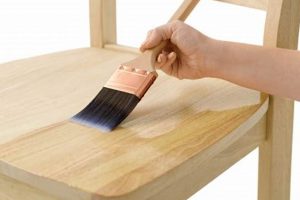
The method of application, whether brushing, spraying, or wiping, impacts the uniformity and thickness of the finish. Brushing requires careful technique to avoid brush marks and ensure consistent coverage. Spraying offers a more even application but requires appropriate equipment and ventilation. Wiping can be suitable for certain formulations but may result in thinner coats. The choice of application method should be based on the specific properties of the finish and the desired aesthetic. Improper technique can lead to runs, drips, or uneven distribution, compromising the protective properties and visual clarity.
- Environmental Conditions
Ambient temperature, humidity, and airflow significantly influence the drying and curing process. High humidity can prolong drying times and lead to clouding or blushing. Extreme temperatures can affect the viscosity and flow characteristics of the finish, potentially resulting in an uneven application. Adequate ventilation is crucial for removing solvent vapors and promoting proper curing. Adherence to recommended environmental conditions is essential for achieving a smooth, durable, and clear finish. Deviations can lead to defects such as bubbles, cracks, or incomplete curing.
- Number of Coats and Drying Time
The number of coats and adherence to recommended drying times between coats are critical factors in achieving optimal protection and clarity. Insufficient coats may compromise the protective barrier, while excessive coats can lead to a thick, uneven finish. Allowing adequate drying time between coats ensures proper curing and prevents issues such as solvent entrapment or wrinkling. Following the manufacturer’s recommendations regarding the number of coats and drying times is essential for maximizing the performance characteristics. Rushing the process can result in a finish that is prone to damage, discoloration, or premature failure.
These application factors collectively determine the success in achieving the desired outcome. Skillful application, informed by a thorough understanding of these variables, is integral to realizing the full potential for aesthetic enhancement and long-term protection.
5. Durability
The durability of a wood finish is directly linked to its ability to withstand wear, resist damage, and maintain its aesthetic properties over an extended period. In the context of clear coatings, durability assumes particular importance because the primary objective is to showcase the wood’s natural beauty while providing long-term protection. A durable coating will resist scratches, abrasions, chemical exposure, and UV degradation, all of which can compromise the visual clarity and protective function. Without sufficient durability, the coating may require frequent repairs or replacement, negating its purpose and increasing maintenance costs. The level of durability required depends heavily on the intended application. For example, a tabletop subject to frequent use requires a significantly more durable finish than a decorative item that receives minimal handling. The choice of resin system, application method, and surface preparation techniques all contribute to the overall durability of the finished surface. High-quality formulations often incorporate advanced additives to enhance scratch resistance, UV protection, and chemical inertness. Improper application or inadequate surface preparation will compromise durability, leading to premature failure, regardless of the inherent qualities of the formulation.
Consider a light-colored hardwood floor finished with a clear, non-yellowing coating. The floor’s durability determines its capacity to withstand foot traffic, spills, and cleaning without showing signs of wear or damage. A durable coating will maintain its clarity and protective properties, preserving the floor’s appearance for years. Conversely, a less durable coating will quickly exhibit scratches, scuffs, and discoloration, necessitating frequent refinishing. In a commercial setting, such as a retail store or restaurant, where foot traffic is high, the demand for durability is paramount. Similarly, in exterior applications, such as wooden siding or decking, the coating must withstand prolonged exposure to sunlight, moisture, and temperature fluctuations. The inclusion of UV absorbers and water repellents is crucial for maintaining long-term protection and preventing degradation of the wood. Therefore, selecting a formulation specifically designed for exterior use is critical for ensuring durability in these harsh conditions.
In summary, durability is an indispensable component of any coating intended to provide long-term protection and aesthetic preservation. The degree of durability required depends on the specific application and the anticipated environmental stressors. Careful consideration of the resin system, application techniques, and surface preparation methods is essential for maximizing durability and ensuring that the coating fulfills its intended purpose. A durable finish will minimize the need for repairs, reduce maintenance costs, and preserve the natural beauty of the wood for years to come. The challenge lies in balancing the aesthetic requirements with the functional demands, selecting a formulation that offers both clarity and robust protection against the inevitable wear and tear of everyday use.
6. Maintenance

Sustaining the aesthetic and protective qualities is intrinsically linked to diligent maintenance practices. The longevity and appearance are directly influenced by the care and attention afforded to the finished surface throughout its lifespan. Regular upkeep prevents degradation, preserves clarity, and minimizes the need for extensive repairs.
- Regular Cleaning Protocols
Routine cleaning removes dust, dirt, and grime that can accumulate and diminish the visual clarity of the finish. Mild detergents and soft cloths are recommended to avoid scratching or damaging the surface. The frequency of cleaning should be adjusted based on the level of use and exposure to environmental contaminants. A failure to maintain regular cleaning protocols accelerates the deterioration of the finish, leading to a dull or hazy appearance. For instance, a tabletop requires more frequent cleaning than a wall panel due to increased exposure to spills and debris.
- Prompt Spill Management
Immediate removal of spills is essential to prevent staining, discoloration, or damage to the finish. Liquids, especially those containing acids or solvents, can penetrate the protective layer and react with the wood substrate. Blotting spills with a clean cloth is preferable to wiping, as wiping can spread the liquid and increase the area of contact. Specific attention should be given to spills from beverages, cleaning products, or other potentially harmful substances. Neglecting spills can result in permanent staining or etching, requiring professional refinishing to restore the original appearance.
- Scratch and Abrasion Mitigation
Preventing scratches and abrasions minimizes the need for costly repairs and maintains the visual integrity. Using protective pads under furniture legs, avoiding dragging heavy objects across the surface, and implementing appropriate floor mats can significantly reduce the risk of damage. Minor scratches can often be concealed with specialized touch-up products, but deep scratches or gouges may require professional repair. Proactive measures to mitigate scratches and abrasions prolong the lifespan of the finish and preserve its clarity.
- Environmental Control
Maintaining stable environmental conditions, particularly humidity and temperature, minimizes stress on the finish and the underlying wood. Extreme fluctuations can cause expansion, contraction, and cracking, compromising both the structural integrity and the aesthetic appearance. Utilizing humidifiers or dehumidifiers to regulate moisture levels and avoiding direct exposure to sunlight can extend the lifespan and preserve the clarity. Controlling the environment is particularly important for antique or delicate wood items, where the finish is more susceptible to damage from environmental stressors.
Effective maintenance ensures the enduring beauty and protective function. By adhering to consistent cleaning, spill management, damage prevention, and environmental control strategies, the inherent qualities can be preserved for years. These practices minimize the need for extensive repairs and preserve the investment made in achieving a clear and durable result.
Frequently Asked Questions About Water White Wood Finish
This section addresses common inquiries regarding the application, performance, and maintenance of clear, non-yellowing coatings for wood. These answers aim to provide clear, concise information to assist in achieving optimal results.
Question 1: What distinguishes a water white finish from other clear wood coatings?
The primary distinction lies in its exceptional clarity and resistance to yellowing over time. This type of finish is formulated to preserve the natural color of the wood, unlike some clear coatings that can impart a yellowish tint or amber hue.
Question 2: On what types of wood is a this product most effective?
It is particularly effective on light-colored woods, such as maple, birch, ash, and pine, where preserving the original color is crucial. It is also suitable for use on darker woods where maintaining the clarity of the grain is desired.
Question 3: How should wood be prepared prior to the application of this treatment?
Proper surface preparation is essential. The wood should be thoroughly sanded to a smooth, even surface and free from any dust, dirt, oil, or existing finishes. A compatible sealer may be necessary, particularly on porous woods, to ensure even absorption and adhesion.
Question 4: What are the recommended application techniques for a this finish?
Thin, even coats are recommended to minimize the risk of runs, drips, and air bubbles. Multiple coats, with light sanding between each coat, typically produce the best results. Proper ventilation and stable environmental conditions (temperature and humidity) are also important.
Question 5: What factors contribute to the longevity of a water white wood finish?
Factors that contribute to longevity include proper surface preparation, correct application techniques, the quality of the finish itself, and ongoing maintenance. Regular cleaning and protection from scratches, abrasions, and chemical exposure are also essential.
Question 6: How can yellowing be prevented in a clear wood coating?
Yellowing is primarily prevented by selecting a finish specifically formulated with UV absorbers and stabilizers. These additives mitigate the effects of ultraviolet (UV) light, which is a major cause of discoloration. Proper maintenance and protection from direct sunlight can also help to minimize yellowing.
In summary, careful selection, proper application, and consistent maintenance practices are crucial for achieving and preserving the benefits of a clear, non-yellowing wood coating.
The subsequent section will provide information on specific product recommendations and comparative analyses of various formulations available on the market.
Conclusion
The preceding discussion has comprehensively explored the characteristics, application, and maintenance of water white wood finish. Key aspects, including clarity, non-yellowing properties, protection capabilities, and durability considerations, have been detailed. The importance of meticulous surface preparation, adherence to proper application techniques, and consistent maintenance practices has been emphasized to ensure optimal results and longevity.
Ultimately, the selection and implementation of water white wood finish represent a commitment to preserving the natural aesthetics and structural integrity of wood surfaces. The knowledge imparted herein should serve as a foundation for informed decision-making, facilitating the achievement of both visually appealing and enduring wood finishes. Continued diligence in applying these principles will yield lasting benefits and minimize the potential for costly remediation.