Surface treatments applied to concrete to enhance its aesthetic appeal beyond its structural function are vital elements in contemporary design. These treatments encompass a wide array of techniques, ranging from simple coloring and texturing to complex processes involving form liners, aggregates, and specialized coatings. For instance, a building faade might employ a smooth, polished surface to create a modern, minimalist appearance, while an interior wall could utilize a rough, board-formed texture for a rustic aesthetic.
The application of these aesthetic treatments can significantly influence the perceived value and ambiance of a space. They offer durability and longevity, reducing the need for frequent replacements and minimizing life-cycle costs. Historically, concrete has been perceived as a purely functional material; however, the evolution of surface treatments has elevated it to a versatile design element capable of conveying a wide range of styles and artistic expressions. This adaptability has allowed designers to incorporate concrete into diverse architectural projects, from residential homes to large-scale commercial structures.
The following sections will delve into the specific types of treatments available, including their application methods, material considerations, and design implications. Understanding the nuances of each technique is crucial for architects and designers seeking to leverage the full potential of this versatile building material.
Design and Application Guidance
Optimal results in concrete surface applications necessitate a comprehensive understanding of both material science and construction techniques. Adherence to the following guidelines is crucial for achieving durable and aesthetically pleasing outcomes.
Tip 1: Formwork Selection: The choice of formwork directly impacts the final surface appearance. Smooth, uniform formwork yields a refined, modern aesthetic, while textured formwork introduces visual interest and can mimic natural materials. Consider factors like joint patterns, material durability, and release agents to prevent imperfections.
Tip 2: Mix Design Considerations: The concrete mix design plays a significant role in surface quality. Carefully control aggregate size, cement type, and water-cement ratio to minimize cracking, efflorescence, and color variations. Trial batches are recommended to verify the desired color and texture.
Tip 3: Proper Consolidation: Adequate consolidation is essential for eliminating air voids and ensuring a dense, uniform surface. Utilize appropriate vibration techniques, avoiding over-vibration which can lead to segregation of the mix.
Tip 4: Curing Procedures: Proper curing is vital for hydration and strength development. Employ methods such as water curing, membrane curing, or steam curing to maintain moisture and prevent premature drying, which can cause cracking and surface defects.
Tip 5: Surface Treatments and Sealers: Application of protective coatings and sealers can enhance durability and resistance to staining, UV degradation, and chemical attack. Select appropriate products based on environmental conditions and intended use.
Tip 6: Color Integration: Integral color admixtures or surface stains can create a wide range of aesthetic effects. Ensure uniform dispersion of pigments and proper application techniques to avoid inconsistencies in color intensity.
These guidelines underscore the necessity for meticulous planning and execution in achieving high-quality outcomes. Attention to detail during each phase of the process will ensure a durable, aesthetically pleasing finish that enhances the overall architectural design.
The subsequent sections will examine specific applications and case studies, providing practical examples of successful implementations.
1. Color

Color, as it relates to concrete surfaces, is a fundamental component in achieving desired aesthetic outcomes. The integration of color into concrete is achieved primarily through two methods: integral coloring and surface staining. Integral coloring involves adding pigments directly to the concrete mix before placement, resulting in a uniform color throughout the material. Surface staining, conversely, applies colorants to the hardened concrete surface, allowing for more varied and intricate color effects. The selection of coloring method depends on the desired aesthetic, durability requirements, and the scale of the project. For example, a large-scale public plaza might benefit from integral coloring for its consistency and longevity, while an interior accent wall could utilize surface staining to achieve a specific artistic effect.
The choice of color significantly impacts the perceived temperature, scale, and ambiance of a structure. Lighter colors tend to reflect sunlight, reducing heat absorption and creating a brighter, more open feel. Darker colors, conversely, absorb more heat and can create a more intimate or dramatic atmosphere. Consider, for instance, the difference between a light-colored concrete facade in a hot, sunny climate and a dark-colored concrete wall in a modern art gallery. The selection of color should be a conscious decision driven by both aesthetic and functional considerations. Further, the long-term stability of the chosen color must be evaluated, considering factors like UV resistance and potential for fading or discoloration over time.
Ultimately, the successful incorporation of color into concrete surface treatments requires a thorough understanding of the available coloring methods, the impact of color on perceived space, and the long-term durability of the selected pigments or stains. Failure to consider these factors can lead to aesthetic inconsistencies, premature fading, or structural damage. Color is not merely an aesthetic choice, but an integral part of the material’s performance and longevity. Therefore, a strategic approach to color selection is critical for achieving enduring and visually appealing concrete surfaces.
2. Texture

Texture, in the context of concrete surface treatments, refers to the tactile quality of the material’s surface, impacting both its aesthetic appeal and functional properties. The selection and application of texture are integral to the design intent, influencing the overall perception of the built environment.
- Formwork Impressions
Formwork, the mold into which concrete is poured, directly imparts texture to the finished surface. Utilizing wood, steel, or specialized form liners creates varied visual and tactile effects. For example, board-formed concrete replicates the grain and texture of wood, lending a rustic aesthetic to modern structures. The choice of formwork material and construction technique is critical in achieving the desired textural outcome, impacting the surface’s visual complexity and tactile feel.
- Surface Retarders and Aggregate Exposure
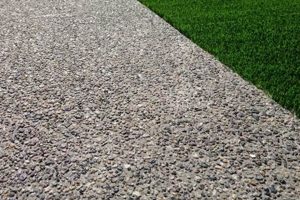
Surface retarders inhibit the setting of the concrete’s outer layer, allowing for the removal of the unhardened cement paste and revealing the aggregate beneath. This technique creates exposed aggregate finishes, offering a range of textures depending on the size, color, and type of aggregate used. For instance, a fine aggregate exposure can create a subtle, sandblasted texture, while larger aggregates produce a more pronounced, rugged surface. The depth of aggregate exposure and the choice of aggregate are key design considerations.
- Tooling and Texturing Techniques
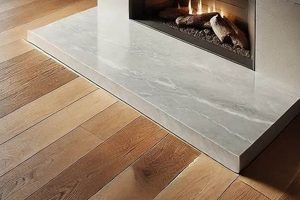
After the concrete has partially hardened, various tooling techniques can be employed to create specific textures. Bush hammering, sandblasting, and grinding are common methods used to alter the surface profile. Bush hammering creates a rough, pitted surface, while sandblasting produces a softer, more uniform texture. Grinding can achieve a smooth, polished surface with varying degrees of aggregate exposure. These techniques offer designers precise control over the final texture and appearance of the concrete.
- Applied Textural Coatings
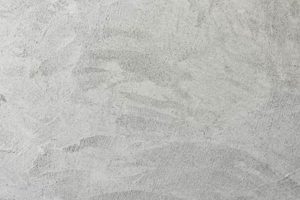
Textural coatings, such as stucco or textured paints, can be applied to concrete surfaces to add visual interest and tactile depth. These coatings offer a wide range of possibilities, from subtle, smooth textures to highly pronounced, three-dimensional effects. The choice of coating material and application technique is critical to ensuring durability and adhesion to the concrete substrate. Furthermore, these coatings allow for the introduction of color and pattern, further enhancing the aesthetic potential of the surface.
These varied textural approaches demonstrate the design flexibility inherent in concrete surface treatments. By carefully considering the desired tactile and visual qualities, architects and designers can utilize texture to create engaging and aesthetically pleasing concrete surfaces that complement the overall architectural vision. The successful integration of texture into the design requires a thorough understanding of the available techniques and their impact on the material’s performance and longevity.
3. Pattern

Pattern, as an element within concrete surface treatments, significantly influences the visual impact and aesthetic character of architectural structures. The strategic application of patterns transforms concrete from a purely structural material into a visually engaging design element, offering designers a versatile tool for expressing architectural intent.
- Formwork-Generated Patterns
Formwork plays a critical role in imparting patterns onto concrete surfaces. Custom form liners, crafted from materials like timber, rubber, or plastic, can be used to create repetitive or unique designs. Ribbed patterns, geometric shapes, or even organic textures can be cast directly onto the concrete, adding depth and visual interest. The selection of formwork material and pattern design is crucial, influencing both the aesthetic outcome and the cost-effectiveness of the project. The use of patterned formwork, for example, in a Brutalist-style building highlights the inherent qualities of the material, lending a sense of raw honesty and monumentality.
- Stamped Concrete Patterns
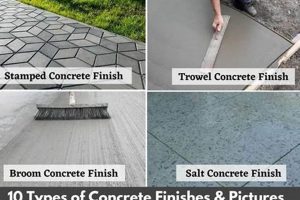
Stamped concrete involves pressing molds into freshly poured concrete to create realistic impressions of materials like brick, stone, or tile. This technique offers a cost-effective alternative to using actual paving stones, allowing for intricate patterns and textures to be replicated on a large scale. Stamped concrete is commonly used for driveways, patios, and walkways, providing a durable and aesthetically pleasing surface. The success of stamped concrete relies on proper preparation, timely execution, and the selection of appropriate color hardeners and sealers to enhance the realism and longevity of the pattern.
- Engraved and Scored Patterns
Engraving and scoring techniques involve cutting or etching patterns into the hardened concrete surface. Engraving creates detailed, intricate designs, while scoring produces linear patterns or geometric grids. These techniques are often used to add decorative elements to concrete floors, walls, or countertops. The depth and spacing of the cuts, as well as the tools used, influence the final appearance of the pattern. For example, a diamond-saw cut pattern on a concrete floor can create a contemporary and visually striking effect, while hand-engraved details can add a touch of artistry and craftsmanship.
- Mosaic and Inlay Patterns
Mosaic and inlay patterns involve embedding different materials, such as tiles, stones, or glass, into the concrete surface. This technique allows for the creation of elaborate and colorful designs, adding a unique artistic flair to concrete structures. Mosaic patterns can be achieved by pressing small pieces of tile into the wet concrete or by creating a pre-fabricated mosaic panel that is then cast into the concrete. Inlay patterns involve cutting out sections of the concrete surface and replacing them with contrasting materials. Mosaic and inlay patterns are often used to create focal points, decorative borders, or artistic murals on concrete walls, floors, or countertops. These patterns require meticulous planning and execution to ensure proper adhesion and durability of the embedded materials.
The diverse range of patterning techniques available for concrete surfaces provides architects and designers with extensive creative possibilities. By carefully considering the desired aesthetic effect, budget constraints, and the overall architectural context, designers can effectively integrate pattern into concrete structures, enhancing their visual appeal and creating a unique sense of place. The strategic use of pattern transforms concrete from a purely functional material into an expressive medium, contributing to the overall architectural narrative.
4. Formwork

Formwork, in the realm of architectural concrete finishes, constitutes the temporary or permanent mold into which concrete is poured and shaped. It exerts a fundamental influence on the final aesthetic and structural characteristics of the concrete element, serving as a critical determinant of surface texture, pattern, and overall design expression.
- Surface Texture and Finish
The material and construction of formwork directly dictate the texture of the concrete surface. Smooth, non-porous formwork, such as steel or coated plywood, produces a sleek, modern finish, suitable for minimalist designs. Conversely, textured formwork, like rough-sawn timber, imparts a rustic or organic aesthetic. Board-formed concrete, for instance, showcases the grain and imperfections of the wood, adding visual interest and a tactile quality to the surface. The selection of formwork material, therefore, becomes a deliberate design choice, impacting the perceived warmth, sophistication, or industrial character of the concrete.
- Pattern and Ornamentation
Formwork can be engineered to create intricate patterns and ornamentation on concrete surfaces. Custom form liners, made from materials like rubber or plastic, are affixed to the formwork and impart their design onto the concrete during the casting process. These liners can replicate geometric shapes, organic textures, or even complex bas-relief sculptures. Patterned formwork enables architects to integrate decorative elements directly into the concrete, eliminating the need for applied finishes and creating a cohesive, monolithic appearance. This technique is particularly effective in large-scale projects where repetition and precision are paramount.
- Jointing and Segmentation
The design and placement of formwork joints influence the visual segmentation of concrete surfaces. Formwork panels create visible seams that can be strategically positioned to enhance the architectural composition. Deliberate joint patterns can add rhythm and scale to large expanses of concrete, breaking up the monotony and creating a sense of order. The width and depth of these joints can also be varied to create different visual effects. For example, deeply recessed joints can cast dramatic shadows, emphasizing the modularity of the structure, while flush joints offer a more seamless, continuous surface.
- Structural Considerations and Accuracy
Beyond aesthetics, formwork must also meet stringent structural requirements to ensure the integrity of the concrete element. It must be capable of withstanding the weight and pressure of the wet concrete, while maintaining its shape and alignment. Precise formwork construction is essential to achieve accurate dimensions and avoid deviations from the design specifications. Any imperfections in the formwork can translate into defects in the finished concrete surface, compromising both its appearance and structural performance. Therefore, careful planning, skilled craftsmanship, and rigorous quality control are crucial in formwork design and execution.
In conclusion, formwork serves as a pivotal interface between design intent and material realization in architectural concrete finishes. Its influence extends beyond mere containment, shaping the texture, pattern, and structural integrity of the final product. A thorough understanding of formwork materials, construction techniques, and their impact on concrete aesthetics is essential for architects and engineers seeking to create visually compelling and structurally sound concrete structures. The strategic use of formwork transforms concrete from a utilitarian material into a versatile medium of architectural expression.
5. Sealers

The application of sealers is an indispensable stage in the creation and preservation of architectural concrete surfaces. These protective coatings significantly influence the longevity, appearance, and performance characteristics of exposed concrete, mitigating the effects of environmental factors and prolonging the material’s aesthetic appeal.
- Protection Against Environmental Degradation
Sealers form a barrier against moisture penetration, preventing freeze-thaw damage, efflorescence, and the ingress of chlorides and sulfates that can corrode reinforcing steel. For instance, a siloxane-based sealer applied to a concrete facade in a region with harsh winters protects against water absorption, reducing the risk of cracking and spalling. The selection of an appropriate sealer type, tailored to specific environmental conditions, is crucial for maximizing protection and minimizing long-term maintenance costs.
- Enhancement of Aesthetic Qualities
Certain sealers can enhance the color intensity and sheen of concrete surfaces, accentuating their natural texture and visual appeal. Acrylic sealers, for example, can impart a glossy finish to polished concrete floors, creating a modern and reflective surface. Conversely, matte sealers can preserve the natural appearance of the concrete while providing protection against staining and discoloration. The choice of sealer finish depends on the desired aesthetic effect and the intended use of the space.
- Resistance to Staining and Chemical Attack
Sealers provide a protective layer against staining from spills, dirt, and other contaminants. They also resist chemical attack from acids, alkalis, and solvents, which can etch or damage concrete surfaces. For example, a polyurethane sealer applied to a concrete countertop in a kitchen environment protects against stains from food and beverages, as well as damage from cleaning agents. The selection of a sealer with appropriate chemical resistance is essential for maintaining the appearance and integrity of concrete surfaces in high-traffic or chemically exposed areas.
- Improved Cleanability and Maintenance
Sealers create a smooth, non-porous surface that is easier to clean and maintain. They prevent dirt and grime from penetrating the concrete, reducing the need for harsh cleaning chemicals and labor-intensive scrubbing. For instance, a penetrating sealer applied to a concrete patio can make it easier to remove dirt, leaves, and other debris with a simple hose down. The ease of maintenance afforded by sealers can significantly reduce life-cycle costs and ensure the long-term beauty of architectural concrete finishes.
The strategic application of sealers is an integral aspect of achieving durable and visually appealing architectural concrete. The appropriate selection and application of these coatings, tailored to specific environmental conditions and aesthetic requirements, ensures the preservation and enhancement of concrete surfaces for years to come. Furthermore, advancements in sealer technology continue to offer improved performance characteristics, providing architects and designers with an expanding palette of options for realizing their creative visions.
6. Aggregates

Aggregates, inert granular materials such as sand, gravel, crushed stone, or recycled concrete, constitute a significant proportion of the concrete mix, typically ranging from 60% to 75% by volume. Consequently, their characteristics exert a profound influence on the aesthetic and performance attributes of the final product. The selection of aggregate type, size, shape, texture, and color becomes a crucial decision when aiming for specific design outcomes. For example, the utilization of light-colored quartz aggregate in exposed aggregate finishes enhances the reflective properties of the surface, creating a brighter and more visually appealing aesthetic. Conversely, incorporating darker basalt aggregate can achieve a more dramatic, earthy tone. Therefore, the relationship between aggregates and surface quality necessitates careful consideration during the concrete mix design process.
The effect of aggregates extends beyond purely visual aspects. Aggregate size and grading affect the workability of the concrete mix, influencing its ability to fill formwork completely and uniformly. This, in turn, impacts the likelihood of surface defects such as honeycombing or bugholes. Well-graded aggregates, comprising a balanced distribution of particle sizes, promote denser packing and reduce the amount of cement paste required, resulting in improved strength and durability. Exposed aggregate finishes, deliberately revealing the aggregate matrix, necessitate a thorough understanding of aggregate durability and resistance to weathering. For instance, the use of aggregates susceptible to alkali-silica reaction (ASR) can lead to premature cracking and deterioration of the concrete surface, negating the intended aesthetic effect. The careful selection of aggregates based on their physical and chemical properties is thus essential for ensuring long-term performance.
In summary, aggregates play a pivotal role in determining the visual and functional characteristics of concrete surfaces. Their contribution is not merely passive; they actively shape the aesthetic outcome and contribute to the durability and longevity of the finished product. Understanding the interplay between aggregate properties, mix design, and finishing techniques is paramount for achieving high-quality, architecturally significant concrete surfaces. Challenges related to aggregate availability, sustainability, and potential reactivity require ongoing research and innovation to ensure the continued viability of concrete as a versatile and aesthetically pleasing building material. The informed use of aggregates, therefore, remains a cornerstone of successful concrete design and construction.
7. Durability
The longevity and resilience of applied surface treatments are inextricably linked to the overall performance of architectural concrete. The durability of these finishes dictates their ability to withstand environmental stressors, resist wear and tear, and maintain their aesthetic integrity over time, directly impacting the long-term value and appearance of the structure.
- Material Selection and Compatibility
The inherent durability of the materials used in surface treatments, such as sealers, coatings, and aggregates, directly affects the longevity of the finish. Selecting materials compatible with the underlying concrete substrate is paramount to prevent delamination, cracking, or discoloration. For example, using a non-breathable sealer on a concrete surface prone to moisture migration can trap water, leading to blistering and eventual failure of the coating. Therefore, a thorough understanding of material properties and compatibility is essential for ensuring durable architectural concrete finishes.
- Resistance to Environmental Factors
Architectural concrete surfaces are exposed to a variety of environmental factors, including freeze-thaw cycles, UV radiation, and chemical pollutants. Durable finishes must be able to withstand these stressors without significant degradation. For instance, a concrete facade in a coastal environment requires a sealer resistant to chloride penetration to prevent corrosion of the reinforcing steel. UV-resistant coatings are essential to prevent fading and discoloration of colored concrete surfaces exposed to direct sunlight. The long-term durability of architectural concrete finishes is contingent upon their ability to resist environmental attack.
- Abrasion and Impact Resistance
Concrete surfaces in high-traffic areas, such as floors and walkways, are subject to abrasion and impact. Durable finishes must be able to withstand these forces without significant wear or damage. For example, a polished concrete floor in a retail environment requires a hard, abrasion-resistant sealer to prevent scratching and scuffing. The selection of appropriate surface treatments with adequate abrasion and impact resistance is crucial for maintaining the appearance and functionality of concrete surfaces in demanding applications.
- Maintenance and Repair Strategies
Even the most durable architectural concrete finishes require periodic maintenance and repair to ensure their long-term performance. Regular cleaning, resealing, and patching of minor damage can significantly extend the lifespan of the finish. Developing a comprehensive maintenance plan that addresses potential issues proactively is essential for preserving the aesthetic integrity and functional performance of architectural concrete surfaces. A well-maintained concrete structure not only retains its value but also minimizes the need for costly and disruptive replacements.
These facets underscore the interconnectedness of durability and aesthetic quality in architectural concrete finishes. The careful selection of materials, resistance to environmental factors, abrasion resistance, and proactive maintenance strategies all contribute to the long-term success of these applications. Durable finishes not only enhance the aesthetic appeal of concrete structures but also contribute to their sustainability and economic viability by minimizing the need for frequent repairs or replacements.
Frequently Asked Questions
This section addresses common inquiries regarding the selection, application, and maintenance of surface treatments designed to enhance the aesthetic properties of concrete in architectural applications.
Question 1: What constitutes an architectural concrete finish?
An architectural concrete finish refers to any treatment applied to concrete surfaces beyond basic structural requirements to improve its aesthetic appeal. This encompasses a wide range of techniques, including coloring, texturing, polishing, and the application of sealers or coatings.
Question 2: How are colors integrated into architectural concrete finishes?
Color integration can be achieved through integral coloring, where pigments are added to the concrete mix before pouring, or through surface staining, where colorants are applied to the hardened concrete. Integral coloring provides uniform color throughout the concrete, while surface staining allows for more varied and nuanced color effects.
Question 3: What is the role of formwork in achieving specific architectural concrete finishes?
Formwork directly influences the surface texture and pattern of concrete. Different formwork materials and construction techniques can create smooth, textured, or patterned surfaces. Custom form liners can be used to impart intricate designs onto the concrete during the casting process.
Question 4: What types of sealers are typically used on architectural concrete finishes, and what are their purposes?
Various sealers are employed, including acrylic, epoxy, polyurethane, and siloxane-based sealers. These sealers protect against moisture penetration, staining, chemical attack, and UV degradation, while also enhancing the aesthetic qualities of the concrete surface.
Question 5: How do aggregates affect the overall appearance and durability of architectural concrete finishes?
Aggregates constitute a significant portion of the concrete mix and influence its color, texture, and strength. The selection of aggregate type, size, shape, and color is critical for achieving specific aesthetic effects and ensuring the long-term durability of the concrete surface.
Question 6: What are some common maintenance practices for preserving architectural concrete finishes?
Regular cleaning, resealing, and prompt repair of any damage are essential for maintaining the aesthetic integrity and longevity of architectural concrete finishes. The specific maintenance requirements depend on the type of finish, the environmental conditions, and the level of traffic exposure.
In summary, the successful implementation of architectural concrete finishes requires careful consideration of material selection, application techniques, and ongoing maintenance practices. Understanding these factors is crucial for achieving durable, aesthetically pleasing, and structurally sound concrete surfaces.
The next section will provide case studies that illustrate best practices in the application of architectural concrete finishes.
Conclusion
The preceding exploration has elucidated the multifaceted nature of architectural concrete finishes, emphasizing their critical role in transforming concrete from a purely structural material into a versatile element of design. Key considerations, including material selection, application techniques, and long-term maintenance, directly impact the aesthetic appeal, durability, and overall success of these finishes. The effective integration of color, texture, pattern, and protective sealers necessitates a comprehensive understanding of concrete properties and environmental factors.
Continued research and innovation in concrete technology will undoubtedly expand the possibilities for architectural expression and enhance the sustainability of concrete structures. Architects and engineers must remain informed of these advancements to leverage the full potential of this adaptable material. The careful and informed application of these finishes ensures that concrete structures not only fulfill their functional requirements but also contribute meaningfully to the built environment for generations to come.