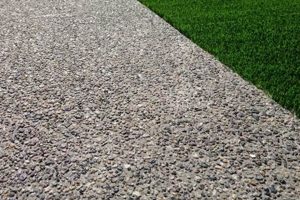
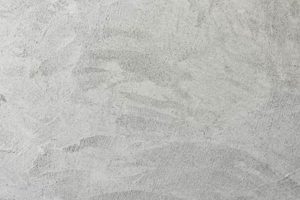
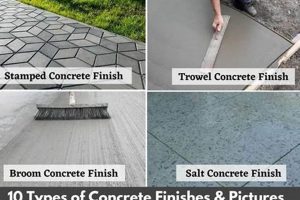
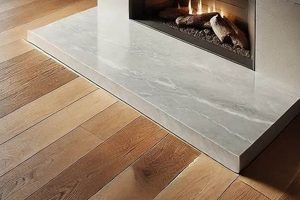
Surface treatments applied to concrete to enhance its aesthetic appeal are diverse and adaptable. These treatments transform plain gray concrete into visually interesting and textured surfaces. Examples include staining, stamping, polishing, and the application of overlays that mimic materials like brick, stone, or wood, thus broadening the material’s design possibilities.
These enhancements increase property value by improving curb appeal and interior design. Functionally, they can create slip-resistant surfaces and durable, long-lasting flooring. The techniques are rooted in historical practices of concrete manipulation, now refined with modern materials and application methods, allowing for customization and unique design expressions previously unattainable with standard concrete.
The subsequent sections will delve into specific methods of achieving aesthetically pleasing results, discussing the technical considerations for each application, including preparation, material selection, and long-term maintenance strategies. This information allows professionals and homeowners to make informed decisions regarding this versatile building material.
Tips for Achieving a Superior Result
Achieving the desired visual effect and ensuring the longevity of the treatment requires careful planning and execution. The following tips outline critical considerations for successful applications.
Tip 1: Surface Preparation is Paramount: Proper surface preparation is essential. The concrete must be clean, free of debris, and properly profiled to ensure adequate adhesion of any coatings or overlays. Failure to adequately prepare the surface will lead to premature failure of the applied treatment.
Tip 2: Select Appropriate Materials: The choice of stains, sealers, or overlays must be appropriate for the intended use and environmental conditions. Consider factors such as UV exposure, freeze-thaw cycles, and traffic volume. Using an inappropriate material will compromise the durability and aesthetics of the final result.
Tip 3: Temperature and Humidity Control are Critical: Application of coatings and overlays should occur within the manufacturer’s recommended temperature and humidity ranges. Deviations from these parameters can affect the curing process and lead to defects such as cracking or blistering.
Tip 4: Proper Mixing and Application Techniques: Adhere strictly to the manufacturer’s instructions for mixing and applying materials. Incorrect mixing ratios or application techniques can result in inconsistent color, uneven texture, or inadequate bonding.
Tip 5: Sealing for Protection and Longevity: Applying a high-quality sealer is crucial for protecting the treated concrete from staining, abrasion, and moisture penetration. The sealer should be compatible with the chosen treatment and reapplied periodically as needed to maintain its protective properties.
Tip 6: Consider Substrate Movement: Concrete expands and contracts with temperature changes. Account for this movement by incorporating expansion joints or using flexible overlay materials. Failure to address substrate movement can lead to cracking and delamination.
Tip 7: Mock-ups are Essential: Before commencing a large-scale project, create a mock-up to verify the desired color, texture, and overall aesthetic. This allows for adjustments and ensures that the final result meets expectations.
By meticulously following these guidelines, professionals and homeowners can maximize the beauty, durability, and value of concrete surfaces. Paying attention to detail throughout the entire process is essential.
The subsequent sections will explore advanced techniques and address common challenges encountered during the application of these treatments, providing further guidance for achieving exceptional outcomes.
1. Aesthetics

Aesthetics serves as a primary driver in the application of decorative concrete treatments. The inherent visual neutrality of standard concrete lends itself to a multitude of aesthetic modifications, transforming otherwise utilitarian surfaces into design features. Color, texture, and pattern alterations, achieved through staining, stamping, and overlay techniques, directly influence the perceived value and ambiance of a space. For example, polished concrete floors in a modern loft apartment contribute to a minimalist aesthetic, while stamped concrete patios can mimic the appearance of natural stone, enhancing the visual appeal of outdoor living areas. The selection of specific treatment options is dictated by desired aesthetic outcomes, where informed decisions can create harmony with surrounding architectural elements.
The importance of aesthetics extends beyond mere visual appeal. It directly impacts the marketability and perceived quality of commercial and residential properties. A well-executed decorative concrete installation can elevate the perceived value of a space, attracting potential buyers or enhancing the customer experience in retail environments. Moreover, aesthetic considerations influence the choice of materials and techniques. For instance, the selection of a particular staining agent is driven not only by its color but also by its ability to create nuanced effects and variations in tone. Similarly, the choice of stamping patterns depends on the desired visual texture and overall design theme. Thus, aesthetics serves as a guiding principle throughout the entire decorative process.
Ultimately, the effective integration of aesthetics into applications requires a comprehensive understanding of design principles, material properties, and application techniques. Challenges arise when aesthetic goals are not aligned with the practical limitations of the material or the intended use of the space. For example, a highly polished concrete floor, while aesthetically pleasing, may not be suitable for high-traffic areas prone to spills and stains. Therefore, a balanced approach that considers both aesthetic objectives and functional requirements is crucial for achieving lasting results. The successful application relies on a coordinated effort between designers, contractors, and property owners to translate aesthetic visions into tangible realities.
2. Durability

The inherent longevity of concrete is a primary advantage; however, the application of various enhancements directly impacts its resistance to environmental factors and wear. Consequently, the selection and application methods are critical for maintaining and enhancing the material’s inherent strength and lifespan.
- Abrasion Resistance
Enhanced surfaces can offer either increased or decreased resistance to abrasion, depending on the chosen treatments. For instance, polished concrete floors possess a hardened surface that withstands heavy foot traffic, while some surface stains may be susceptible to scratching or fading under similar conditions. Therefore, selecting appropriate sealers and protective coatings is crucial in areas subject to high levels of abrasion.
- Chemical Resistance
Untreated concrete is vulnerable to damage from various chemicals, including acids and salts. Applied coatings can provide a barrier against chemical attack, extending the lifespan of the underlying material. The choice of protective layer must be compatible with anticipated chemical exposure, such as in industrial settings or areas where de-icing salts are used.
- Weathering Resistance
Exposure to freeze-thaw cycles, UV radiation, and moisture can degrade concrete over time. Sealants and overlays contribute significantly to protection from these weathering elements. Specific formulations are designed to withstand extreme temperature fluctuations and provide UV protection, thus preventing cracking, spalling, and color fading.
- Impact Resistance
The ability to withstand impact forces is also influenced by the implementation of enhancement processes. Applying a flexible overlay or a high-strength topping can increase resistance to cracking or chipping under impact. This consideration is particularly important in areas subject to heavy machinery or falling objects.
In conclusion, the relationship between durability and aesthetically-driven concrete work is interdependent. The long-term performance of these surfaces is reliant on careful consideration of environmental factors, appropriate material selection, and proper installation techniques. By addressing these elements, it is possible to achieve both visual appeal and extended service life.
3. Applications

The breadth of applications for decorative treatments on concrete is extensive, ranging from residential settings to large-scale commercial and industrial projects. This versatility stems from the material’s inherent adaptability and the diverse array of available treatments, each suited to specific performance requirements and aesthetic goals. The chosen application dictates not only the aesthetic outcome but also the required level of durability, maintenance, and cost. For instance, a residential kitchen countertop demands a food-safe, stain-resistant finish, while a high-traffic retail floor necessitates a durable, abrasion-resistant surface. Understanding this connection between the intended use and the surface treatment is paramount for achieving successful and long-lasting results.
Practical applications highlight the importance of matching treatment to function. In exterior spaces, stamped concrete patios and driveways offer an aesthetically pleasing alternative to plain concrete while providing enhanced slip resistance and durability against weathering. Interior applications include polished concrete floors in commercial spaces, offering a modern aesthetic and low maintenance, and stained concrete walls in residential settings, adding character and visual interest. Each application presents unique challenges and opportunities, requiring careful consideration of factors such as substrate preparation, material selection, and application techniques. The selection of an appropriate sealer, for example, is crucial for protecting the surface from staining, abrasion, and moisture penetration, ensuring the long-term performance of the treatment.
In summary, the success of any undertaking relying on modified concrete depends on a comprehensive understanding of the intended application and its corresponding requirements. Failing to consider factors such as traffic volume, environmental exposure, and chemical resistance can lead to premature failure of the surface treatment and compromise its aesthetic appeal. A holistic approach that integrates aesthetic considerations with functional requirements is essential for maximizing the value and longevity of these surfaces. The ongoing development of new materials and techniques continues to expand the possibilities for these finishes, further solidifying their position as a versatile and cost-effective solution for a wide range of applications.
4. Materials

The selection of appropriate materials is fundamental to achieving successful and durable concrete enhancements. The characteristics of the chosen substances dictate not only the aesthetic outcome but also the structural integrity and longevity of the finished surface. The cause-and-effect relationship is evident: improper material selection invariably leads to premature failure, discoloration, or other undesirable outcomes. For example, using a non-UV-resistant stain on an exterior patio will result in rapid fading and degradation of the color, diminishing the visual appeal and necessitating costly repairs or replacement. Conversely, employing a high-quality, UV-resistant sealer will protect the surface from sun damage, preserving the color and extending its lifespan. The materials serve as essential components, directly influencing the final result and overall value.
Practical examples illustrate the significance of informed material choices. In industrial settings, where concrete floors are subjected to heavy traffic and chemical spills, the use of epoxy coatings provides a durable, chemical-resistant surface that withstands harsh conditions. These coatings not only protect the underlying concrete from damage but also offer a range of aesthetic options, including colors and textures. Similarly, in residential applications, the use of polymer-modified overlays allows for the creation of intricate patterns and textures that mimic natural stone or brick, transforming plain concrete into visually appealing surfaces. The selection of these materials is driven by the need to balance aesthetic goals with functional requirements, ensuring that the finished surface is both beautiful and durable.
In conclusion, the connection between materials and concrete finishes is inextricable. The properties of the chosen substances directly influence the aesthetic appeal, durability, and overall performance of the finished surface. Challenges arise when material selection is based solely on cost or aesthetic considerations, without regard for the intended use and environmental conditions. A comprehensive understanding of material properties, application techniques, and long-term maintenance requirements is essential for achieving successful and sustainable decorative solutions. This understanding links directly to the broader theme of informed decision-making, where careful consideration of all relevant factors ensures that concrete surfaces not only enhance the aesthetic appeal of a space but also provide long-lasting value and performance.
5. Techniques

The successful execution of any enhancement relies heavily on the techniques employed during application. These methods, encompassing preparation, application, and finishing, directly impact the final aesthetic, durability, and overall performance of the surface. Improper or poorly executed techniques invariably lead to defects, premature failure, and diminished value, underscoring the importance of skilled craftsmanship and adherence to best practices.
- Staining Techniques
Staining involves the application of acid-based or water-based solutions to penetrate and color the surface. Achieving consistent color and avoiding blotchiness requires meticulous surface preparation, including thorough cleaning and profiling. Acid staining, in particular, demands careful neutralization to prevent ongoing chemical reactions. Variations in technique, such as layering different colors or using stencils, create unique and artistic effects, showcasing the versatility of this method.
- Stamping Techniques
Stamping replicates the texture and appearance of natural stone, brick, or other materials by pressing textured molds into freshly poured concrete. Proper timing is crucial; the concrete must be plastic enough to accept the mold but firm enough to retain the impression. Releasing agents prevent the molds from sticking, while careful joint placement minimizes visible seams. The realism and aesthetic appeal depend heavily on the precision and skill of the stamping process.
- Polishing Techniques
Polishing transforms ordinary concrete into a smooth, glossy surface through a multi-step process of grinding, honing, and polishing with progressively finer diamond abrasives. The level of shine, aggregate exposure, and reflectivity are controlled by the number of polishing steps and the grit size of the abrasives. Achieving a consistent, uniform finish requires specialized equipment and expertise, making polished concrete a premium decorative option.
- Overlay Techniques
Overlays involve applying a thin layer of cementitious or polymer-modified material over existing concrete to create a new surface. These techniques are used to repair damaged concrete, create decorative patterns, or add texture. Proper bonding of the overlay to the substrate is essential for preventing delamination. Surface preparation, including profiling and the application of a bonding agent, ensures a strong and durable connection. Overlays offer versatility in design and can mimic a variety of materials, providing cost-effective solutions for renovation and enhancement.
These techniques are integral to the realm of aesthetically-enhanced concrete. The proper execution of each method requires a blend of technical knowledge, practical skill, and attention to detail. A lack of proficiency in any of these areas can compromise the final result, diminishing the value and longevity of the finished surface. Therefore, investing in skilled labor and adhering to industry best practices is essential for achieving successful and sustainable surfaces.
6. Maintenance
Long-term performance of enhanced concrete surfaces depends significantly on appropriate maintenance practices. These procedures, designed to protect and preserve the aesthetic and structural integrity of the material, are essential for maximizing the lifespan and value of the initial investment. Neglecting maintenance results in premature degradation, diminished visual appeal, and costly repairs.
- Regular Cleaning
Consistent removal of dirt, debris, and spills prevents staining and abrasion, safeguarding the surface from damage. Neutral pH cleaners are generally recommended to avoid etching or discoloration. For example, routine sweeping and mopping of polished concrete floors in commercial spaces maintain their luster and prevent the buildup of grime. The frequency of cleaning depends on the traffic volume and exposure to environmental contaminants.
- Sealer Reapplication
Protective sealers provide a barrier against moisture, chemicals, and UV radiation, extending the life of the finish. Sealers degrade over time due to wear and environmental exposure and must be reapplied periodically. For stamped concrete patios, resealing every 2-3 years maintains water resistance and preserves the color and texture. The type of sealer selected should be compatible with the original finish and the intended use of the surface.
- Prompt Spill Response
Immediate cleanup of spills, particularly those involving acidic or staining substances, minimizes the risk of permanent damage. Blotting spills rather than wiping prevents spreading and absorption. For stained concrete countertops, promptly addressing spills of wine, coffee, or citrus juice prevents staining and discoloration. The effectiveness of spill response depends on the type of spill, the porosity of the surface, and the speed of intervention.
- Joint and Crack Repair
Maintaining joints and addressing cracks prevents water infiltration and structural damage. Cracks should be promptly filled with appropriate patching compounds to prevent further propagation. For concrete driveways, repairing cracks and resealing joints prevents water from seeping into the subbase, causing heaving and cracking during freeze-thaw cycles. Regular inspection and timely repairs are essential for preserving the integrity of the surface.
These maintenance practices are not merely cosmetic; they are integral to preserving the investment in enhanced concrete surfaces. Proper maintenance ensures that the material continues to perform as intended, providing lasting beauty, durability, and value. A proactive approach to maintenance, incorporating regular cleaning, sealer reapplication, prompt spill response, and joint repair, minimizes the risk of costly repairs and extends the life of the concrete surface. The adherence to recommended maintenance schedules is critical for retaining its original qualities.
7. Cost

The financial implications of applying enhancement techniques to concrete surfaces are multifaceted, encompassing initial expenses, long-term maintenance costs, and potential increases in property value. The decision to invest in such treatments necessitates a comprehensive cost-benefit analysis, considering both immediate expenditures and the anticipated return on investment. The initial cost varies significantly depending on the chosen technique, the size of the project, and the complexity of the design. For example, a simple staining project may be relatively inexpensive, while intricate stamped concrete installations or polished concrete floors require specialized equipment and skilled labor, resulting in higher initial costs. These initial investments should be weighed against the anticipated lifespan and aesthetic appeal of the finished surface.
Furthermore, the long-term cost implications of decorative concrete finishes extend beyond the initial installation. Regular maintenance, including cleaning, sealing, and occasional repairs, contributes to the overall cost of ownership. However, when compared to alternative flooring or surfacing materials, such as hardwood or natural stone, enhanced concrete often presents a more cost-effective solution over its lifespan. The durability and low maintenance requirements of many treatments result in reduced long-term expenses. For instance, polished concrete floors, while initially more expensive than carpeting, offer superior durability and resistance to staining, eliminating the need for frequent replacement or professional cleaning. Furthermore, the application of decorative techniques can increase property value, providing a tangible return on investment. A well-designed and executed decorative concrete patio, for example, enhances curb appeal and creates an attractive outdoor living space, potentially increasing the market value of the property.
In summary, the cost analysis associated with decorative concrete finishes requires a holistic perspective, considering both initial expenses and long-term benefits. The selection of specific techniques and materials should be guided not only by aesthetic considerations but also by a careful assessment of the project’s budget, maintenance requirements, and potential return on investment. While initial costs may be higher for certain treatments, the durability, low maintenance, and potential property value appreciation often make decorative concrete a cost-effective and sustainable solution in the long run. A thorough understanding of these cost dynamics enables informed decision-making and ensures that the investment in decorative concrete provides lasting value and aesthetic appeal.
Frequently Asked Questions
This section addresses common inquiries and misconceptions regarding concrete surface enhancement.
Question 1: What is the typical lifespan?
Lifespan is contingent upon factors such as application quality, environmental exposure, and maintenance practices. Properly installed and maintained installations can endure for decades, while neglecting upkeep or subjecting them to harsh conditions may significantly reduce their lifespan.
Question 2: Are enhancements suitable for all climates?
While versatile, some techniques are better suited to specific climates. Freeze-thaw cycles, extreme temperatures, and high humidity levels impact the choice of materials and application methods. Consulting with a qualified contractor is crucial for selecting appropriate treatments for a given environment.
Question 3: Is it a do-it-yourself project?
Certain basic techniques, such as staining, can be undertaken by experienced homeowners. However, more complex processes, such as stamping and polishing, require specialized equipment and expertise. Improper execution can lead to unsatisfactory results and costly repairs; therefore, professional installation is often recommended.
Question 4: How does the cost compare to other flooring options?
The cost varies depending on the chosen technique and project scope. While some treatments may have a higher initial cost than standard flooring options like carpet, the durability and longevity of concrete can result in long-term savings. Furthermore, enhanced surfaces often increase property value, offsetting the initial investment.
Question 5: Are the treatments environmentally friendly?
The environmental impact depends on the materials used and the application process. Some stains and sealers contain volatile organic compounds (VOCs), while others are water-based and more eco-friendly. Concrete itself is a sustainable building material, and enhancing existing concrete surfaces reduces the need for new construction, minimizing environmental impact.
Question 6: How is maintenance performed?
Routine cleaning with neutral pH cleaners is generally sufficient for maintaining the appearance and integrity. Periodic resealing is necessary to protect the surface from stains, moisture, and UV radiation. The frequency of resealing depends on the traffic volume and environmental conditions.
The information above provides general guidelines. Specific recommendations should be tailored to individual projects and environmental conditions.
The subsequent sections will explore advanced techniques and emerging trends in the field, offering further insight into the ever-evolving world of aesthetics applied to concrete surfaces.
Conclusion
This exploration of techniques, materials, and considerations surrounding decorative concrete finish underscores its versatility and impact on both aesthetic appeal and functional performance. The successful application requires a comprehensive understanding of factors ranging from surface preparation to long-term maintenance. By prioritizing informed decision-making and adhering to industry best practices, stakeholders can achieve durable, visually appealing surfaces.
Continued innovation in materials and methods promises to further expand the possibilities. Therefore, staying abreast of advancements within the field remains essential for professionals seeking to maximize the potential and value of decorative concrete finish in diverse applications. The careful execution of these practices allows for surfaces that are not only aesthetically pleasing but also durable and functional.