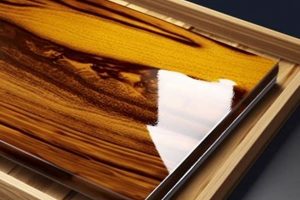
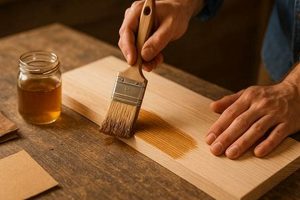
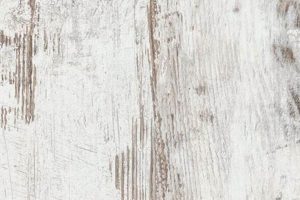
A translucent or semi-transparent coating applied over a previously finished wood surface to enhance its appearance is a decorative technique used to add depth, color variation, and visual interest. This process often involves applying a thin layer of tinted material that settles into the wood’s grain and crevices, creating subtle contrasts and highlighting the existing texture. For example, a darker shade applied over a lighter base can accentuate the wood’s natural features, resulting in a more sophisticated aesthetic.
The application of such coatings offers several advantages, including enhanced durability and ease of maintenance of the underlying finish. Furthermore, it allows for customization of the wood’s appearance without completely obscuring its natural beauty. Historically, this technique has been employed to imitate the look of more expensive wood types or to create unique artistic effects on furniture and architectural elements.
The subsequent sections of this article will delve into the specific types available, proper application techniques, and considerations for selecting the most appropriate option for various wood finishing projects. Understanding these aspects is crucial for achieving a professional and long-lasting result.
Essential Application Guidelines
The following guidelines are crucial for achieving a professional and durable outcome. Careful adherence to these principles ensures optimal performance and longevity of the finished surface.
Tip 1: Surface Preparation is Paramount: Ensure the substrate is clean, dry, and free of any contaminants such as dust, grease, or old coatings. Proper sanding to the appropriate grit level is essential for achieving optimal adhesion and a smooth final appearance. Failing to adequately prepare the surface can result in poor adhesion, uneven color, and premature failure of the finish.
Tip 2: Select Compatible Products: Verify compatibility between the coating and the existing finish. Applying incompatible products can lead to adhesion problems, discoloration, or other undesirable effects. Consult product specifications and perform a test patch in an inconspicuous area to confirm compatibility.
Tip 3: Apply Thin, Even Coats: Multiple thin coats are preferable to a single thick coat. Thick coats can result in runs, drips, and prolonged drying times. Use a high-quality brush or spray gun and maintain a consistent application rate for uniform coverage.
Tip 4: Allow Adequate Drying Time: Follow the manufacturer’s recommendations regarding drying times between coats. Insufficient drying time can lead to a soft, tacky finish that is susceptible to damage. Ensure adequate ventilation during the drying process to facilitate solvent evaporation.
Tip 5: Proper Curing is Essential: Allow the finish to cure fully before subjecting it to heavy use or exposure to moisture. Curing times can vary depending on the specific product and environmental conditions. Premature use can compromise the durability and appearance of the finish.
Tip 6: Consider Environmental Conditions: Temperature and humidity can significantly impact the application and drying process. Avoid applying finishes in extreme temperatures or high humidity. These conditions can affect the flow, leveling, and curing of the coating.
Tip 7: Practice Proper Ventilation: Ensure adequate ventilation during application and drying to minimize exposure to fumes and promote proper curing. Use appropriate respiratory protection, such as a respirator, when working with solvent-based products.
Adhering to these guidelines will contribute significantly to achieving a professional-quality result, enhancing both the aesthetic appeal and protective qualities of the finished wood surface.
The next section will explore common problems encountered during the application process and offer troubleshooting solutions.
1. Translucency

Translucency is a defining characteristic when using a coating to enhance wood, dictating the degree to which the underlying wood grain and color remain visible. This characteristic is paramount in achieving desired aesthetic effects and plays a critical role in the overall success of the finishing project.
- Preservation of Natural Grain
The level of translucency directly influences the preservation of the wood’s natural grain pattern. A highly translucent product allows the grain to be prominently displayed, accentuating the wood’s inherent beauty and character. Conversely, a less translucent or opaque product obscures the grain, changing the material’s intrinsic aesthetic qualities.
- Depth and Layering Effects
Applying translucent coatings allows for the creation of depth and layering effects. By building up multiple thin layers, each with a slightly different tint or hue, the finisher can create a complex and visually appealing finish that mimics the appearance of aged or naturally patinated wood. This technique is particularly effective in antique restoration or replicating historical finishing styles.
- Color Manipulation and Control
Translucency affords control over the final color of the wood. The underlying color of the wood, in combination with the color of the translucent coating, determines the resulting hue. This allows for precise color matching or the creation of custom colors not achievable with opaque coatings. Careful selection of both wood and coating color is essential to achieving the desired outcome.
- Highlighting Wood Defects and Imperfections
While translucency can enhance the wood’s natural beauty, it also reveals defects and imperfections. Knots, blemishes, and variations in grain pattern become more pronounced. Therefore, careful inspection and preparation of the wood surface are crucial when employing translucent finishes. Addressing these imperfections prior to application ensures a more consistent and aesthetically pleasing final result.
The careful consideration of translucency, and its effects on grain visibility, color manipulation, depth creation, and imperfection highlighting, is crucial for achieving the desired result. It dictates the overall aesthetic impact and influences the perception of the finished wood object.
2. Color enhancement

Color enhancement, as it relates to coatings for wood, constitutes a deliberate modification of the wood’s inherent coloration to achieve a desired aesthetic outcome. This process frequently involves applying a semi-transparent layer, allowing the original wood grain to remain visible while subtly altering the overall hue. A common scenario involves applying a tinted coating to darken or enrich the existing color of a piece, lending it a more aged or sophisticated appearance. The efficacy of this technique hinges on the precise formulation of the coating, the skill of the application, and the compatibility with the underlying wood species. Without careful consideration, the application can result in an uneven, artificial appearance, detracting from the wood’s natural beauty.
The practical significance of understanding color enhancement in wood finishing is exemplified in furniture restoration. Antique pieces often exhibit faded or uneven coloration due to age and exposure. By carefully selecting and applying a coating with appropriate color properties, restorers can revitalize the piece, returning it closer to its original appearance while preserving its historical character. Similarly, in custom woodworking, the ability to precisely manipulate color allows artisans to create unique pieces that complement specific interior design schemes. The controlled application is paramount; subtle adjustments in the coating’s tint and application technique can produce dramatic variations in the final visual impact.
In summary, color enhancement is a critical component within the realm of wood finishing, demanding a nuanced understanding of material science, application techniques, and aesthetic principles. The challenge lies in achieving a balance between altering the wood’s color and maintaining its natural character. A successful application enhances the wood’s inherent beauty and protects it from environmental factors, while a poorly executed one can diminish its value and longevity.
3. Depth creation
The strategic application of coatings introduces visual depth to wood surfaces, enhancing their aesthetic appeal and creating a perception of three-dimensionality. This effect is achieved through careful manipulation of light, color, and texture, transforming a flat plane into a richer, more engaging visual experience.
- Layered Application Techniques
The layering of multiple coats, each with slight variations in hue or transparency, generates subtle shifts in perceived depth. Successive applications build upon each other, creating an interplay of light and shadow that adds complexity to the surface. For example, applying a darker tinted product over a lighter basecoat can accentuate the wood grain, enhancing the impression of depth and texture.
- Highlighting and Lowlighting
Strategic use of highlights and lowlights further accentuates the three-dimensional effect. Applying a lighter product to raised areas or edges catches the light, creating highlights that visually advance those features. Conversely, darker products applied to recessed areas create shadows that recede, enhancing the overall depth. This technique is frequently used to mimic the effects of aging or wear.
- Textural Enhancement
Specialized coatings can introduce or amplify existing textures on the wood surface, contributing to the perception of depth. Products containing fine particles or additives create a tactile surface that interacts with light in complex ways, enhancing the visual depth. Wire brushing or other surface preparation techniques can also amplify texture before the application of the coating.
- Optical Illusions
The strategic use of color and transparency can create optical illusions that enhance perceived depth. For example, using a gradation of color from light to dark can create the illusion of distance, making the surface appear deeper than it actually is. Similarly, using a highly transparent coating allows the natural grain of the wood to be more visible, adding to the perceived depth.
The creation of depth through application techniques is a critical element in achieving a professional and visually appealing result. By understanding and implementing these principles, finishers can transform ordinary wood surfaces into captivating works of art. The interplay of light, color, and texture, carefully orchestrated, elevates the aesthetic quality of the finished piece.
4. Surface protection
The longevity and aesthetic appeal of wood surfaces are significantly dependent upon effective protection against environmental factors and physical wear. When employing coatings, achieving adequate surface protection is not merely a secondary benefit, but a primary functional requirement. The composition and application of the finish directly influence the resistance of the wood to moisture, abrasion, ultraviolet (UV) radiation, and chemical exposure. Consequently, the selection of an appropriate coating and meticulous application techniques are crucial for safeguarding the wood’s structural integrity and appearance.
Consider, for example, exterior wooden doors subjected to constant exposure to sunlight and fluctuating weather conditions. Without adequate protection, the wood can undergo discoloration, cracking, and warping, leading to structural damage and aesthetic degradation. A high-quality, UV-resistant coating can mitigate these effects, preserving the wood’s natural color and preventing premature deterioration. Similarly, in high-traffic interior environments, such as flooring or furniture, a durable, abrasion-resistant finish is essential for withstanding daily wear and tear, maintaining a pristine appearance over time. The choice of finish should therefore be dictated by the intended use and environmental conditions to which the wood will be exposed.
In conclusion, surface protection is an integral component of wood finishing, directly impacting the wood’s durability and aesthetic lifespan. Careful consideration of environmental factors, intended use, and material properties is essential for selecting and applying a finish that provides optimal protection. The long-term value and enjoyment of wood products are fundamentally linked to the effectiveness of the protective measures implemented during the finishing process.
5. Application technique

The effectiveness of coatings on wood is inextricably linked to the application technique employed. The method of application significantly influences the final appearance, durability, and protective qualities of the coating. Proper application ensures uniform coverage, optimal adhesion, and the desired aesthetic effect, while improper technique can lead to a range of problems, including uneven color, poor adhesion, and premature failure of the finish.
- Surface Preparation and Cleanliness
The initial preparation of the wood surface is paramount. Thorough sanding to the appropriate grit, removal of dust and debris, and ensuring the surface is free from contaminants such as grease or wax are essential. Insufficient preparation can result in poor adhesion, uneven color absorption, and visible imperfections in the final finish. For example, applying a coating to a surface that has not been properly sanded will result in a rough, uneven texture, negating the desired smooth, professional appearance.
- Application Method and Tool Selection
The choice of application method, whether brushing, spraying, or wiping, directly impacts the appearance and performance of the coating. Each method requires specific tools and techniques to achieve optimal results. Brushing is suitable for small projects and detailed work, but can leave brush marks if not done carefully. Spraying provides a uniform, smooth finish on larger surfaces, but requires specialized equipment and ventilation. Wiping is effective for applying thin, even coats and highlighting wood grain, but may require multiple applications. The correct tool selection and technique are crucial for achieving the desired aesthetic and protective qualities.
- Environmental Conditions During Application
Environmental factors such as temperature, humidity, and airflow significantly influence the application and drying process. Applying coatings in extreme temperatures or high humidity can lead to problems such as slow drying, uneven curing, and the formation of bubbles or blisters. Adequate ventilation is essential for removing solvent fumes and promoting proper drying. Monitoring and controlling these environmental conditions are critical for achieving a high-quality, durable finish.
- Number of Coats and Drying Time
The number of coats applied and the drying time between coats directly impact the thickness, durability, and appearance of the finish. Applying multiple thin coats is generally preferable to applying a single thick coat, as it allows for better adhesion and reduces the risk of runs or drips. Allowing adequate drying time between coats ensures that each layer is fully cured before the next is applied, preventing problems such as wrinkling or cracking. Following the manufacturer’s recommendations for the number of coats and drying time is essential for achieving a long-lasting, professional finish.
In conclusion, the selection and execution of the application technique are fundamental to the successful implementation of coatings on wood. By carefully considering factors such as surface preparation, application method, environmental conditions, and drying time, finishers can achieve a durable, aesthetically pleasing result that enhances the natural beauty of the wood while providing long-lasting protection. Neglecting these factors can lead to a compromised finish that fails to meet expectations and may require costly repairs or refinishing.
6. Wood grain accentuation

The selective highlighting of natural patterns in wood through the application of a specific coating, known as wood grain accentuation, is a primary objective in the utilization of certain finishing techniques. The targeted application of materials to emphasize the woods inherent texture is directly facilitated by the properties of the coating employed. A product with appropriate translucency and viscosity will settle into the grains recesses, creating contrast and visual interest. Conversely, a less suitable coating may obscure or diminish the grain pattern. The intended effect is to amplify the aesthetic qualities inherent in the wood, rather than masking or altering them entirely. For example, a dark-toned coating applied to oak can dramatically highlight the prominent grain structure, creating a textured, visually appealing surface.
Consider the restoration of antique furniture. The goal is often to revitalize the piece while preserving its original character, including the aged patina and natural wood grain. A coating designed for wood grain accentuation can be selectively applied to achieve this effect, emphasizing the wear patterns and grain irregularities that contribute to the piece’s historical value. This contrasts with a complete refinishing, which may obliterate these features, diminishing the antique’s authenticity and market value. Likewise, in modern woodworking, the strategic application can transform inexpensive woods, such as pine, into aesthetically interesting surfaces that mimic the appearance of more valuable species.
In summary, the practice of wood grain accentuation is a deliberate and skilled application of material to amplify the inherent characteristics of wood. The selection of the appropriate coating is paramount to achieving the desired effect. While effective accentuation enhances the visual appeal and perceived value of the wood, improper application can obscure or detract from its natural beauty. Therefore, an understanding of the properties of different coatings and their interaction with various wood species is essential for achieving successful and lasting results.
7. Finish compatibility
The successful application of decorative coatings is inextricably linked to finish compatibility. This compatibility refers to the chemical and physical compatibility between the existing substrate finish and the subsequently applied coating. Incompatibility can manifest in various forms, including poor adhesion, blistering, wrinkling, or discoloration of the coating. These issues compromise the aesthetic appeal and protective qualities of the overall finish system. A practical example is applying a water-based coating over an oil-based finish without proper preparation. The disparate chemical properties can inhibit proper adhesion, leading to peeling or flaking over time. Therefore, understanding and ensuring finish compatibility is a critical prerequisite for achieving a durable and aesthetically pleasing outcome.
Further complicating the matter is the diversity of coating types available, each with its unique chemical composition and performance characteristics. Polyurethane, lacquer, varnish, and shellac, among others, exhibit varying levels of compatibility with different topcoats. A shellac base, for instance, is generally considered a versatile undercoat that accepts a wide range of topcoats. However, certain combinations, such as applying a lacquer over an oil-based varnish, can lead to significant problems due to the differing drying and curing properties of the two materials. The solvent in the lacquer can soften the underlying varnish, resulting in an unstable and unattractive finish. The practical significance of this knowledge is evident in professional woodworking and furniture restoration, where careful consideration of existing finishes and selection of compatible topcoats is essential for preserving the integrity and value of the finished product.
In conclusion, finish compatibility is a non-negotiable aspect of decorative coating application. Understanding the chemical properties of different finishes and their potential interactions is crucial for preventing costly and time-consuming errors. Proper preparation, testing, and adherence to manufacturer guidelines are essential steps in ensuring compatibility. By prioritizing this aspect, finishers can achieve durable, aesthetically pleasing results that enhance the beauty and longevity of wood surfaces. The challenge lies in staying informed about new products and techniques, and in applying established principles to novel situations.
Frequently Asked Questions About Glaze Wood Finish
The following section addresses common inquiries regarding the application, properties, and suitability of tinted coatings for wood surfaces. These questions are designed to provide clarity and assist in making informed decisions regarding finishing techniques.
Question 1: What distinguishes a tinted coating from a conventional stain?
A tinted coating is applied over an existing finish, modifying its appearance without penetrating the wood itself. A stain, conversely, penetrates the wood fibers directly, altering their color. Therefore, tinted coatings offer a method of aesthetic enhancement without altering the woods natural properties.
Question 2: Is surface preparation necessary prior to applying a tinted coating?
Surface preparation is essential. The surface should be clean, dry, and free of any loose particles or contaminants. Light sanding may be required to create a suitable surface for adhesion. Neglecting surface preparation can result in poor adhesion and an uneven finish.
Question 3: Can tinted coatings be applied to all types of wood?
While tinted coatings can be applied to various wood types, the final result will vary depending on the woods natural color and grain pattern. Light-colored woods tend to exhibit the applied tint more prominently than darker woods. A test patch is recommended to assess the suitability of a specific combination.
Question 4: What is the expected lifespan of a tinted coating?
The lifespan is dependent on several factors, including the quality of the coating, the environmental conditions, and the level of wear and tear. A properly applied and maintained finish can last for several years. However, exposure to direct sunlight, moisture, or abrasion can shorten its lifespan.
Question 5: How is a tinted coating repaired or touched up?
Minor scratches or imperfections can often be repaired with a touch-up marker or a small brush. For more significant damage, the affected area may need to be sanded and recoated. Matching the original tint can be challenging, so careful attention to color matching is crucial.
Question 6: What safety precautions should be observed when applying these finishes?
Proper ventilation is essential to minimize exposure to fumes. The use of a respirator or face mask is recommended, particularly when working with solvent-based products. Eye protection and gloves should also be worn to prevent skin and eye irritation. Refer to the product’s safety data sheet for specific safety recommendations.
In summary, tinted coatings present a versatile option for aesthetic enhancement of wood surfaces, provided that proper preparation, application techniques, and safety precautions are observed. The information presented here aims to provide a foundation for informed decision-making.
The following section will address potential problems and offer troubleshooting advice.
Conclusion
This exploration has elucidated the key aspects of the technique. It involves the application of translucent or semi-transparent coatings to wood surfaces, enhancing their aesthetic qualities through color modulation, depth creation, and wood grain accentuation, all while providing a protective layer. Factors such as surface preparation, application technique, finish compatibility, and environmental conditions are critical determinants of success. The careful consideration of these elements contributes directly to the long-term durability and visual appeal of the finished product.
Mastery of glaze wood finish applications requires ongoing education and a commitment to best practices. Continued research and experimentation will further refine the craft, enabling increasingly sophisticated and enduring results. Its skillful execution represents a significant investment in the preservation and enhancement of wood’s natural beauty, ensuring its lasting value in both functional and artistic contexts.
![Buy Premium Walnut Finished Wood [Deals Inside] | Best Final Touch: Elevate Your Projects with Professional Finishing](https://bestfinaltouch.com/wp-content/uploads/2026/05/th-405-300x200.jpg "Buy Premium Walnut Finished Wood [Deals Inside] Best Final Touch: Elevate Your Projects with Professional Finishing")