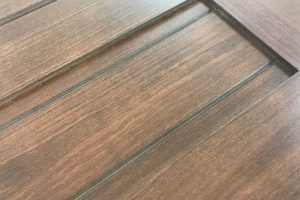
The process imparts a timeworn aesthetic to lumber surfaces, replicating the effects of age and use. This treatment often involves techniques such as scraping, scratching, and denting the material to simulate wear. An example includes applying a dark stain followed by sanding to reveal the underlying wood tone, emphasizing the artificially created imperfections.
This technique is frequently employed to add character and visual interest to furniture, flooring, and architectural elements. Its benefits include providing a sense of history and warmth to new constructions, as well as concealing minor imperfections or wear and tear that may occur over time. Historically, elements exhibiting this style were seen in rustic or farmhouse-inspired settings, but its appeal has expanded to various design aesthetics.
Understanding the nuances of achieving this effect is crucial for both DIY enthusiasts and professional woodworkers. The subsequent sections will delve into specific methods, tools, and considerations for successfully realizing this style in a range of applications, ensuring a durable and visually appealing result.
Achieving an Authentic Distressed Lumber Surface
The subsequent advice outlines essential practices for creating convincingly aged lumber surfaces, ensuring aesthetic appeal and longevity.
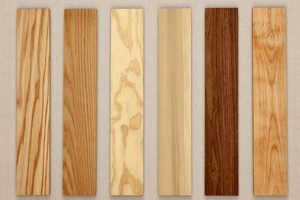
Tip 1: Wood Selection is Paramount. Opt for lumber species with prominent grain patterns, such as oak or pine. Softer woods are generally more receptive to distressing techniques.
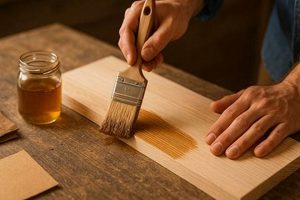
Tip 2: Strategic Surface Preparation is Key. Prior to distressing, ensure the surface is clean and free of any existing finishes. Light sanding may be necessary to create a receptive base.
Tip 3: Employ Layered Finishing Techniques. Apply multiple layers of stain or paint, allowing each layer to dry completely before proceeding. This facilitates controlled removal during the distressing process.
Tip 4: Vary the Distressing Methods. Implement a combination of techniques, including hammering, chain dragging, and wire brushing, to simulate realistic wear patterns.
Tip 5: Control the Degree of Distress. Exercise restraint when applying distressing techniques. Overdoing it can result in an artificial or contrived appearance.
Tip 6: Pay Attention to Edges and Corners. Focus on these areas, as they naturally exhibit more wear over time. Rounding edges and subtly damaging corners enhances the authentic effect.
Tip 7: Utilize a Protective Topcoat. After distressing and finishing, apply a durable topcoat to safeguard the surface and prevent further damage.
Adhering to these recommendations can result in a convincingly aged lumber surface, enhancing the visual appeal and perceived value of the finished product.
These foundational tips provide a solid base for further exploration of advanced techniques and specialized applications. The article will now proceed with detailed examinations of specific distressing methods.
1. Authenticity of Wear

The concept of authentic wear is paramount in achieving a convincing and aesthetically pleasing lumber surface. The success of creating such a finish hinges on replicating the natural processes of aging and use, rather than simply inflicting random damage.
- Pattern Replication
Mimicking the uneven distribution of wear seen in naturally aged lumber is critical. Authentic wear patterns are rarely uniform; they concentrate in high-traffic areas and edges, demonstrating a history of use. For example, simulating the worn threshold of an old doorway, with greater abrasion at the center, requires careful planning and execution.
- Tool Selection and Application
The choice of tools and the manner in which they are used significantly impact the perceived authenticity. Employing a variety of tools, such as chains, wire brushes, and hammers, in a controlled and deliberate manner can create a more realistic effect. For instance, a randomly applied hammer, instead of a calculated one, will likely look unrealistic.
- Time-Based Degradation Simulation
Authenticity also involves simulating the effects of time-based degradation, such as the fading of color and the accumulation of dirt in crevices. Techniques like dry brushing and the application of tinted waxes can effectively replicate these effects. Consider a tabletop that has been exposed to sun and spills for years; the resulting patina is a complex combination of discoloration and subtle surface imperfections.
- Contextual Relevance
The specific type of wear should be appropriate to the intended use and context of the finished product. A distressed floor in a high-end retail space should exhibit a different type of wear than a distressed table in a rustic farmhouse. Understanding the intended environment and simulating wear patterns accordingly is critical for believability.
These facets, when considered collectively, contribute to a high level of realism in the final product. Authentic wear transforms a mere cosmetic treatment into a convincing representation of age and history, elevating the aesthetic appeal and perceived value of the lumber surface. The techniques employed should always be informed by an understanding of how lumber naturally ages and wears over time, ensuring a final result that is both visually appealing and credible.
2. Layered Color Application
The strategic application of multiple color layers forms a cornerstone of achieving a convincing aged lumber surface. This technique allows for the creation of depth, visual interest, and the simulation of natural wear patterns that would otherwise be unattainable with a single coat of finish. The process necessitates careful planning and execution to ensure a harmonious and realistic final result.
- Base Coat Selection and Function
The selection of the initial color, or base coat, establishes the foundation for the entire distressed effect. This layer often comprises a darker or more saturated hue, designed to peek through the subsequent layers as wear is simulated. For instance, a dark brown base under a lighter cream topcoat mimics the effect of age on painted furniture, where the original finish shows through years of accumulated wear.
- Intermediate Color Integration
The incorporation of intermediate color layers adds complexity and realism to the aged surface. These layers can introduce subtle variations in tone, mimicking the natural discoloration that occurs over time. An example includes applying a thin wash of grey or green over the base coat to simulate the accumulation of dirt and grime in the wood’s grain.
- Top Coat Characteristics and Purpose
The final color applied, or top coat, serves as the primary visible layer. This coat is often lighter or more muted in tone, providing a contrast to the darker base and intermediate layers. The top coat’s composition is also critical; a chalk-based paint, for example, facilitates easier distressing due to its porous nature, allowing for controlled removal and revealing the underlying colors.
- Distressing Techniques and Color Revelation
The manner in which the color layers are distressed directly influences the final aesthetic. Techniques such as sanding, scraping, and dry brushing remove portions of the top coat, exposing the underlying colors and creating the illusion of wear. For example, strategically sanding the edges of a table reveals the darker base coat, simulating the natural wear that occurs in high-contact areas.
In summary, layered color application is an indispensable component of crafting authentically aged lumber surfaces. The thoughtful selection and application of each color layer, combined with carefully executed distressing techniques, enable the creation of depth, character, and the illusion of age, transforming new lumber into convincing representations of timeworn materials. This approach requires a nuanced understanding of color theory, finishing techniques, and an appreciation for the subtle nuances of natural wear.
3. Surface Texture Variability

Surface texture variability is a critical attribute in successfully replicating the appearance of aged or timeworn wood. The inconsistencies and imperfections inherent in naturally weathered surfaces contribute significantly to the perceived authenticity of a distressed wood finish. Without nuanced variations in texture, the result often appears artificial and lacks the visual depth associated with genuinely aged materials.
- Uneven Sanding and Abrasion
Intentional inconsistencies in sanding and abrasion are vital for simulating years of wear. Uniformly smooth surfaces belie the natural aging process. For example, lightly sanding certain areas while leaving others untouched creates variations in sheen and highlights the underlying wood grain, mirroring the effects of localized wear and polishing over time. This directly enhances the distressed aesthetic, providing visual evidence of age and use.
- Deliberate Indentations and Imperfections
The strategic introduction of indentations, gouges, and other imperfections mimics the physical damage incurred over years of use. These irregularities disrupt the surface’s uniformity, creating visual focal points and enhancing the tactile experience. Consider the subtle dents and scratches on an antique desk; these imperfections tell a story of use and add character that a pristine surface lacks. Replicating these effects authentically is crucial to a convincing distressed finish.
- Grain Elevation and Texture Enhancement
Techniques designed to accentuate the wood grain contribute significantly to surface texture variability. Wire brushing, for example, removes softer wood fibers, leaving the harder grain exposed. This creates a pronounced three-dimensional texture that is visually striking and adds a tactile dimension to the finish. The resulting elevated grain mimics the effects of weathering, where softer portions of the wood erode faster than the denser grain.
- Differential Stain Absorption
Variations in surface texture directly influence stain absorption, creating subtle color gradations that enhance the overall aged appearance. Roughened areas tend to absorb more stain, resulting in darker tones, while smoother areas resist absorption, retaining lighter hues. This differential absorption mimics the uneven discoloration seen in naturally aged wood, where exposure to sunlight, moisture, and other environmental factors creates a complex interplay of tones.
These facets collectively demonstrate that surface texture variability is not merely a superficial detail but a fundamental component of achieving a convincing distressed wood finish. By carefully manipulating the surface to introduce irregularities and emulate the effects of natural aging, the final product gains depth, character, and a sense of history, thereby elevating the aesthetic appeal and perceived value.
4. Protective Sealing Method

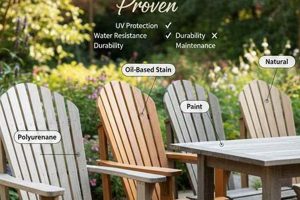
The protective sealing method is integral to the longevity and aesthetic preservation of a lumber surface exhibiting an aged appearance. While the distressed finish deliberately introduces imperfections and simulates wear, the subsequent sealing process safeguards against accelerated degradation and ensures the intended aesthetic remains intact. Without appropriate sealing, the deliberately created textures and color variations are vulnerable to damage from moisture, abrasion, and ultraviolet radiation, negating the effort invested in achieving the desired appearance. For example, a table meticulously distressed with layered paint and sanded edges will quickly lose its character if exposed to spills without a protective sealant. The paint may chip, the wood may warp, and the intended visual effect will be compromised. The choice of sealant directly impacts the final appearance. Polyurethane provides a durable, often glossy, finish that may detract from the aged aesthetic, whereas wax or matte varnish offer protection while maintaining a more subdued and historically accurate look. The effectiveness of the distressed finish depends heavily on careful sealant selection and proper application.
Consider a flooring installation where lumber has been distressed to replicate reclaimed wood. The deep textures and varied color tones contribute to a rustic aesthetic. However, the floor is subject to heavy foot traffic and potential water damage. An appropriate sealant, such as a penetrating oil finish followed by a durable topcoat, is essential. The oil penetrates the wood, providing moisture resistance from within, while the topcoat shields against abrasion. Failure to seal properly would result in rapid wear, loss of color, and potential structural damage to the lumber. Furthermore, the application technique must be considered. Over-application of sealant can fill the distressed textures, diminishing the aged effect, while insufficient application leaves the surface vulnerable. Achieving the correct balance requires careful attention and adherence to the manufacturer’s recommendations.
In summary, the protective sealing method is not merely an afterthought but a critical component in achieving a durable and visually appealing distressed lumber surface. The appropriate sealant selection and application technique are essential for preserving the intended aesthetic and protecting the wood from environmental factors. Challenges include selecting a sealant that provides adequate protection without compromising the desired appearance, and ensuring proper application to avoid either diminishing the distressed texture or leaving the surface vulnerable. Understanding the connection between sealing and the finish is crucial for professionals and DIY enthusiasts alike, ensuring that the investment in achieving the aged aesthetic yields long-term results.
5. Grain Pattern Emphasis

The deliberate accentuation of natural grain patterns constitutes a pivotal element in realizing a convincing weathered aesthetic. By drawing attention to the inherent characteristics of the lumber, the distressing process gains depth and authenticity, thereby enhancing the overall visual impact. The following details outline critical aspects of grain pattern emphasis within the context of aged lumber surfaces.
- Selective Sanding and Grain Revelation
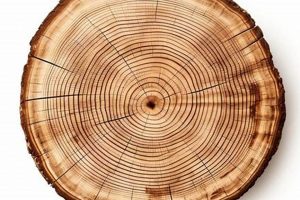
The careful removal of softer wood fibers through techniques such as wire brushing and abrasive sanding exposes the more resilient grain structure. This differential abrasion creates a tactile and visual texture, highlighting the wood’s inherent characteristics. For example, oak exhibits prominent grain patterns that become more pronounced when subjected to selective sanding, emphasizing the contrast between the earlywood and latewood.
- Staining and Grain Definition
The strategic application of stains and glazes accentuates the grain by exploiting differences in porosity and absorption. Darker stains tend to penetrate more deeply into the open grain, while lighter stains remain on the surface, creating a contrasting effect. Consider the use of a dark stain followed by a lighter glaze on pine; the stain highlights the grain while the glaze softens the overall tone, resulting in a more nuanced and aged appearance.
- Texturing and Grain Reinforcement
Techniques such as scoring, gouging, and hammering can be employed to physically emphasize the grain pattern. These deliberate imperfections mimic the natural damage that occurs over time, drawing attention to the underlying structure of the wood. For instance, strategically placed gouges that follow the direction of the grain can simulate the effects of long-term wear and tear, reinforcing the aged aesthetic.
- Sealing and Grain Preservation
The choice of sealant can further enhance or diminish the grain pattern. Matte or satin sealants tend to preserve the natural appearance of the wood, while glossier sealants can create a more reflective surface, potentially obscuring the grain. Applying a clear, matte sealant after staining preserves the enhanced grain pattern and protects the lumber from moisture and abrasion, ensuring long-term durability.
These techniques, when combined, contribute to a lumber surface where the grain pattern is not merely a background element, but rather a focal point of the aged aesthetic. By strategically emphasizing the wood’s inherent characteristics, the distressing process achieves a greater level of realism and visual impact, ultimately enhancing the perceived value and authenticity of the finished product.
Frequently Asked Questions
This section addresses common inquiries regarding the application, maintenance, and suitability of lumber surfaces treated to simulate age and wear.
Question 1: What lumber types are most suitable for achieving this effect?
Softer woods, such as pine and fir, respond well to distressing techniques due to their malleability. Hardwoods, like oak and maple, offer greater durability but require more forceful methods to achieve a comparable effect. The choice depends on balancing desired aesthetic with long-term performance requirements.
Question 2: How does this type of treatment affect the structural integrity of the lumber?
Excessive distressing can weaken the lumber. It is crucial to remove material strategically, minimizing the impact on load-bearing capacity. Proper sealing and finishing are essential to prevent moisture intrusion and further degradation.
Question 3: What is the expected lifespan of a distressed lumber surface compared to a traditionally finished surface?
The lifespan depends on the severity of distressing and the quality of the protective coating. Properly sealed surfaces can exhibit comparable longevity to traditional finishes. However, heavily distressed lumber may require more frequent maintenance and repairs.
Question 4: Can this aesthetic be applied to pre-existing lumber surfaces?
Yes, but preparation is paramount. Existing finishes must be removed, and the surface cleaned thoroughly. The condition of the underlying lumber significantly impacts the final result. Severely damaged or degraded lumber may not be suitable.
Question 5: What are the primary maintenance requirements for lumber treated in this manner?
Regular cleaning with appropriate cleaning solutions is essential. Avoid harsh chemicals and abrasive cleaners that can damage the finish. Periodic reapplication of sealant or wax may be necessary to maintain protection and visual appeal.
Question 6: Is this surface treatment appropriate for high-traffic areas?
While the distressed aesthetic can effectively conceal minor wear and tear, high-traffic areas require durable sealants and regular maintenance. Consider the level of distressing applied; excessively textured surfaces may be more difficult to clean and maintain in heavily used spaces.
In summary, distressed surfaces offer a unique aesthetic but require careful consideration of lumber selection, distressing techniques, and protective finishing to ensure long-term durability and visual appeal.
The following section will explore case studies illustrating successful applications of this technique in various environments.
Conclusion
The preceding discussion has explored the multifaceted aspects of distressed wood finish, encompassing its aesthetic qualities, practical application, and long-term considerations. Successful implementation hinges on a comprehensive understanding of lumber selection, appropriate distressing techniques, protective sealing methods, and grain pattern emphasis. Failure to address these critical elements can result in a compromised aesthetic or reduced structural integrity.
The enduring appeal of distressed wood finish lies in its ability to evoke a sense of history and character. However, responsible application requires a balanced approach, prioritizing both visual appeal and material preservation. Further research and adherence to best practices are essential to ensure the continued viability and appreciation of this technique within the realm of woodworking and design.