A durable and aesthetically versatile flooring option achieved through a multi-step mechanical grinding and polishing process, the resultant surface presents a smooth, often reflective appearance. This treatment transforms a standard concrete slab into a sophisticated and resilient floor. The degree of sheen and the level of aggregate exposure are customizable to meet specific design requirements, making it suitable for diverse applications from residential interiors to high-traffic commercial spaces.
This surfacing method offers numerous advantages, including enhanced durability, reduced maintenance costs, and improved indoor air quality due to the elimination of dust and allergens that can accumulate in carpets or other flooring materials. Historically, the process has evolved from rudimentary grinding techniques to advanced methods utilizing diamond-impregnated abrasives and specialized equipment. This evolution has significantly improved the quality, consistency, and longevity of the treated surface, leading to increased adoption across various industries. Its sustainability is further enhanced by leveraging existing concrete slabs, minimizing the need for new materials and reducing waste.
The subsequent sections will delve into the specific processes involved in achieving this type of surface, exploring the various levels of polish, color options, maintenance protocols, and factors influencing its overall cost-effectiveness and long-term performance.
Essential Considerations for Achieving Optimal Results
Achieving a satisfactory surface requires careful planning, execution, and ongoing maintenance. The following tips offer guidance for ensuring a successful outcome and maximizing the lifespan of the treated surface.
Tip 1: Proper Concrete Mix Design: The initial concrete mix design significantly impacts the final appearance and durability. A consistent, high-quality mix with appropriate aggregate selection is crucial for minimizing imperfections and ensuring uniform polishing.
Tip 2: Surface Preparation is Paramount: Thorough surface preparation, including patching cracks and addressing any imperfections, is essential before commencing the grinding process. Inadequate preparation can lead to visible flaws in the finished product.
Tip 3: Gradual Grinding Progression: Employ a systematic grinding process, progressing through increasingly finer grits of diamond abrasives. Skipping grits can result in uneven polishing and reduced sheen.
Tip 4: Utilize Appropriate Equipment: Invest in or rent professional-grade grinding and polishing equipment. Consumer-grade equipment may not provide the necessary power and precision for achieving desired results.
Tip 5: Dust Control Measures: Implement effective dust control measures, such as using wet grinding techniques or HEPA-filtered vacuums, to minimize airborne particles and maintain a clean working environment.
Tip 6: Sealer Application: Applying a high-quality concrete sealer or densifier protects the surface from staining and wear, enhancing its durability and simplifying maintenance.
Tip 7: Regular Maintenance: Implement a regular maintenance program involving routine cleaning with neutral pH cleaners to preserve the sheen and prevent the buildup of dirt and grime.
Adhering to these guidelines will contribute to a superior finish characterized by enhanced durability, aesthetic appeal, and long-term cost-effectiveness.
The subsequent discussion will provide information on potential challenges and troubleshooting techniques.
1. Durability

The inherent durability of a polished concrete finish is a primary driver for its selection in diverse applications. The grinding and polishing process increases the density of the concrete surface, resulting in heightened resistance to abrasion, impact, and staining. This increased density reduces porosity, minimizing the absorption of liquids and mitigating the risk of damage from spills or chemical exposure. Consider the high-traffic environments of retail spaces or warehouses, where the capacity of a surface to withstand constant wear and tear is paramount. In these settings, surfaces treated by grinding and polishing demonstrate exceptional resilience compared to alternative materials such as epoxy coatings or vinyl flooring, which are more susceptible to scratching, chipping, and degradation.
The long-term performance of this finish is directly correlated with the quality of the concrete mix, the expertise of the installer, and the implementation of appropriate maintenance practices. A well-executed grinding and polishing process, coupled with the application of a suitable concrete densifier, can significantly extend the lifespan of the floor, reducing the need for frequent repairs or replacements. For example, a manufacturing facility utilizing heavy machinery benefits from the impact resistance offered by this type of flooring, protecting the underlying concrete slab from structural damage. Furthermore, the abrasion resistance contributes to a dust-free environment, minimizing equipment malfunctions and improving air quality.
In summation, the enhanced durability inherent in a polished concrete finish translates to long-term cost savings, reduced maintenance requirements, and improved performance across various applications. While factors such as concrete mix design and installation quality are crucial, the process fundamentally alters the surface properties of concrete, creating a resilient and long-lasting flooring solution. This understanding underscores the practical significance of durability as a core attribute, driving the increased adoption of the process in commercial, industrial, and residential settings.
2. Aesthetics

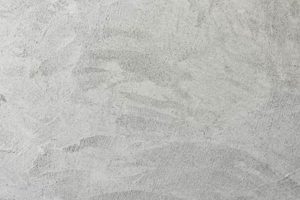
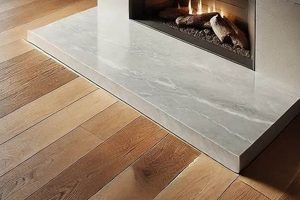
The aesthetic versatility of a surface achieved via grinding and polishing contributes significantly to its appeal across a range of applications. The capacity to manipulate the sheen level, aggregate exposure, and color through dyes or stains allows for the creation of surfaces that complement diverse architectural styles and design preferences. The level of reflectivity, ranging from a matte honed finish to a high-gloss polish, can be tailored to suit the ambient lighting conditions and the intended function of the space. For instance, a museum or art gallery may opt for a honed finish to minimize glare and provide a neutral backdrop for exhibits, while a retail store or showroom might favor a high-gloss finish to enhance the visual impact of products and attract customers.
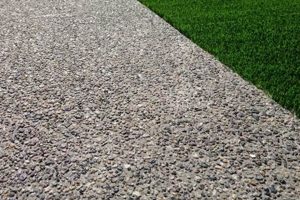
The exposure of aggregate, achieved through varying degrees of grinding, provides another dimension of aesthetic customization. From minimal aggregate exposure, resulting in a smooth, monolithic appearance, to full aggregate exposure, showcasing the natural colors and textures of the embedded stones, the process can be adapted to create distinct visual effects. Dyes and stains can further enhance the aesthetic appeal, allowing for the introduction of color accents or the creation of intricate patterns and designs. High-end residential interiors often utilize these techniques to achieve unique, custom looks that reflect the homeowner’s personal style. Furthermore, the seamless nature of surface achieved via grinding and polishing contributes to a clean and modern aesthetic, minimizing the visual interruptions associated with tile grout lines or carpet seams.
In summary, the aesthetic flexibility of surfaces achieved via grinding and polishing extends beyond mere surface appearance; it facilitates the creation of functional and visually appealing environments that meet specific design objectives. The ability to control sheen, aggregate exposure, and color empowers architects and designers to integrate seamlessly into a broad spectrum of architectural contexts, enhancing the overall ambiance and visual impact of the spaces. This level of aesthetic control reinforces its position as a desirable flooring solution for both commercial and residential applications.
3. Maintenance
The ease and cost-effectiveness of maintenance are significant factors driving the selection of polished concrete finishes. The inherent properties of the surface, resulting from the grinding and polishing process, contribute to simplified cleaning protocols and reduced long-term maintenance expenses. Properly maintained polished concrete retains its aesthetic appeal and structural integrity for extended periods, making it a financially prudent choice for various applications.
- Routine Cleaning Procedures
Daily or weekly cleaning typically involves dry mopping or sweeping to remove loose debris and prevent abrasive particles from scratching the surface. Wet mopping with a neutral pH cleaner is recommended for removing stains and spills. The use of harsh chemicals or abrasive cleaning agents should be avoided, as these can damage the surface and diminish the sheen. In commercial settings, automated floor scrubbers with microfiber pads are often employed for efficient and consistent cleaning.
- Sealer Application and Reapplication
The application of a concrete sealer or densifier is crucial for protecting the surface from staining and water penetration. Sealers penetrate the concrete pores, creating a barrier against liquids and chemicals. Depending on the type of sealer and the level of traffic, reapplication may be necessary every one to three years. Regular inspection for signs of wear or damage is recommended to determine the appropriate reapplication schedule. The proper application of sealers can significantly extend the lifespan of the floor and reduce the need for costly repairs.
- Stain Prevention and Remediation
While inherently stain-resistant, polished concrete can be susceptible to staining from acidic substances or prolonged exposure to liquids. Prompt cleanup of spills is essential to prevent permanent staining. For stubborn stains, specialized concrete stain removers may be required. Preventative measures, such as the application of stain-resistant sealers and the use of protective mats in high-risk areas, can minimize the likelihood of staining. Understanding the specific properties of the concrete and the potential staining agents is crucial for effective stain management.
- Repair and Restoration Techniques
Despite its durability, polished concrete can be subject to cracking or chipping, particularly in areas with heavy traffic or structural movement. Minor cracks can often be repaired with concrete patching compounds or epoxy fillers. For more extensive damage, professional concrete restoration services may be required. The restoration process typically involves grinding and polishing the affected area to blend it seamlessly with the surrounding surface. Regular maintenance and prompt repair of any damage can prevent minor issues from escalating into more significant and costly problems.
In conclusion, the maintenance requirements of polished concrete are generally straightforward and cost-effective compared to other flooring options. By adhering to recommended cleaning procedures, implementing preventative measures, and addressing any damage promptly, the aesthetic appeal and structural integrity of the surface can be preserved for many years. The reduced maintenance burden, coupled with its durability and aesthetic versatility, makes polished concrete a compelling choice for a wide range of applications.
4. Cost-Effectiveness
The long-term cost-effectiveness is a primary advantage associated with polished concrete finishes, stemming from a combination of factors, including durability, reduced maintenance requirements, and potential energy savings. The initial investment in the grinding and polishing process can be higher than that of some conventional flooring options; however, the extended lifespan of the finished surface significantly reduces the need for frequent replacements, translating to substantial cost savings over time. The abrasion-resistant nature minimizes wear and tear, reducing the need for repairs and extending the flooring’s usable life. This is particularly beneficial in high-traffic commercial environments, such as retail stores or warehouses, where alternative flooring materials may require replacement every few years.
Furthermore, reduced maintenance requirements contribute to the overall cost-effectiveness. Polished concrete surfaces typically require only routine cleaning with neutral pH cleaners, eliminating the need for expensive waxing, stripping, or specialized cleaning solutions. The seamless nature minimizes the accumulation of dirt and allergens, reducing cleaning time and improving indoor air quality. In addition, the reflective properties of polished concrete can contribute to energy savings by reducing the need for artificial lighting. Buildings with significant areas of polished concrete flooring may experience a decrease in electricity consumption due to increased natural light diffusion. Consider a large distribution center that installs polished concrete flooring; the reduced maintenance costs and potential energy savings can offset the initial investment within a few years, resulting in significant long-term cost benefits.
In conclusion, the cost-effectiveness of polished concrete finishes extends beyond the initial investment, encompassing reduced maintenance, enhanced durability, and potential energy savings. While the upfront costs may be higher than some alternatives, the extended lifespan and reduced operational expenses provide a compelling return on investment, making it a financially prudent choice for commercial, industrial, and residential applications. The ability to leverage existing concrete slabs further enhances the cost-effectiveness, minimizing the need for new materials and reducing overall project expenses. This understanding of the long-term cost benefits is essential for making informed decisions regarding flooring options and optimizing life-cycle costs.
5. Sustainability

The integration of sustainable practices within the construction industry has gained paramount importance. Polished concrete finishes present a viable and often advantageous option for projects seeking to minimize their environmental footprint. The following discussion explores the key facets of sustainability as they relate to this surfacing solution.
- Leveraging Existing Structures
One of the most significant contributions of polished concrete to sustainability lies in its ability to utilize existing concrete slabs. Rather than demolishing and replacing the concrete, the polishing process transforms the existing material into a durable and aesthetically pleasing surface. This reduces the demand for new construction materials, thereby minimizing the environmental impact associated with resource extraction, manufacturing, and transportation.
- Reduced Material Consumption
Unlike traditional flooring options that require the installation of additional materials such as carpets, tiles, or wood, polished concrete requires minimal additional material inputs. The primary components involved in the polishing process are abrasives and sealers, which are typically applied in relatively small quantities. This reduction in material consumption translates to lower embodied energy and reduced waste generation.
- Improved Indoor Air Quality
Polished concrete surfaces are non-porous and do not harbor dust mites, mold, or allergens, contributing to improved indoor air quality. This is particularly beneficial in environments where occupants may be sensitive to airborne irritants. The absence of volatile organic compounds (VOCs), which are commonly found in carpets and adhesives, further enhances the air quality, creating a healthier and more comfortable indoor environment.
- Energy Efficiency
The reflective properties of polished concrete can enhance natural light diffusion, reducing the need for artificial lighting and subsequently lowering energy consumption. In buildings with large expanses of polished concrete flooring, the savings on electricity bills can be substantial. Furthermore, the thermal mass of concrete can contribute to passive heating and cooling, reducing the energy required to maintain a comfortable indoor temperature.
In summation, the sustainability advantages of polished concrete extend beyond the immediate project site, encompassing reduced material consumption, improved indoor air quality, and enhanced energy efficiency. These benefits, coupled with the utilization of existing structures, position the solution as a responsible and environmentally conscious choice for a wide range of construction projects. The lifecycle assessment of polished concrete consistently demonstrates its favorable environmental profile compared to many alternative flooring materials, solidifying its role in promoting sustainable building practices.
6. Customization
The inherent adaptability of surface achieved via grinding and polishing establishes a significant degree of customization, enabling architects and designers to tailor flooring solutions to specific project requirements and aesthetic preferences. The process allows for nuanced control over various visual and functional attributes, ensuring the final product aligns with the intended design vision.
- Aggregate Exposure
The degree to which aggregate is revealed during the grinding process is a fundamental aspect of customization. Minimal grinding results in a smooth surface with limited aggregate visibility, suitable for contemporary designs. Progressively deeper grinding exposes more aggregate, creating a textured appearance that can complement rustic or industrial aesthetics. The selection of aggregate type from locally sourced river rock to imported granite further enhances the customizability of the finished floor. For instance, a retail space aiming for a modern, minimalist aesthetic might opt for minimal aggregate exposure, while a restaurant seeking a more rustic ambiance could choose a heavier exposure to showcase the natural beauty of the stone.
- Sheen Level
The level of reflectivity, or sheen, is another controllable variable. A matte or honed finish offers a subtle, understated look, ideal for environments where glare reduction is paramount, such as museums or libraries. A semi-gloss finish provides a balance between reflectivity and practicality, suitable for offices or residential spaces. A high-gloss finish delivers a mirror-like shine, enhancing the visual impact of retail spaces or showrooms. The choice of sheen level directly impacts the perceived brightness and formality of the space, allowing designers to fine-tune the aesthetic to suit the intended purpose.
- Color Integration
The integration of color through dyes or stains offers extensive design possibilities. Concrete dyes penetrate the surface, creating translucent color effects that enhance the natural variations in the concrete. Concrete stains react chemically with the concrete, producing permanent, variegated color patterns. Color can be used to subtly complement existing design elements or to create bold, statement floors. A healthcare facility, for example, might use subtle, calming colors, while a corporate office could incorporate brand colors to reinforce its identity. The ability to precisely match or complement existing color palettes ensures seamless integration with the overall design scheme.
- Scoring and Saw Cuts
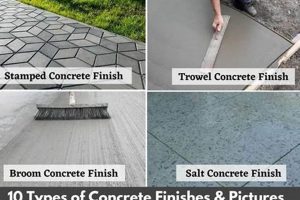
The incorporation of scoring and saw cuts provides opportunities for creating geometric patterns, decorative borders, or custom designs. These cuts can be strategically placed to define spaces, direct traffic flow, or simply add visual interest. Scoring lines can mimic the appearance of tile or stone, offering a cost-effective alternative to traditional flooring materials. Intricate patterns can be achieved through the use of specialized cutting tools, allowing for the creation of truly unique and personalized flooring solutions. This technique allows the surface to be tailored to specific spatial layouts and functional requirements, enhancing both its aesthetic appeal and practical utility.
The interplay of these customizable elements allows for a high degree of design control, resulting in flooring solutions that are both visually striking and functionally optimized. The capacity to manipulate aggregate exposure, sheen level, color, and decorative cuts transforms standard concrete slabs into bespoke surfaces that meet the unique needs and aesthetic preferences of each project. This inherent customizability is a key driver behind the increasing popularity of surface achieved via grinding and polishing across diverse applications.
Frequently Asked Questions
This section addresses common inquiries regarding polished concrete finishes, providing concise and authoritative answers to ensure a comprehensive understanding of this flooring option.
Question 1: What is the typical lifespan of a polished concrete finish?
The lifespan of a polished concrete finish is substantial, often exceeding several decades. Factors influencing longevity include the initial concrete mix design, quality of installation, level of traffic, and adherence to recommended maintenance practices. With proper care, a polished concrete floor can last for the lifetime of the building.
Question 2: Is polished concrete slippery?
Polished concrete is not inherently slippery. The slip resistance is primarily determined by the sheen level and the presence of any surface contaminants. A honed or matte finish generally offers greater slip resistance than a high-gloss finish. Regular cleaning to remove spills and debris is crucial for maintaining a safe surface. Anti-slip additives can also be incorporated into sealers for enhanced safety in high-traffic areas or environments prone to moisture.
Question 3: Can any concrete slab be polished?
While most concrete slabs can be polished, the suitability depends on several factors, including the concrete’s structural integrity, surface condition, and aggregate type. Slabs with extensive cracking, significant surface imperfections, or unsuitable aggregate may require extensive repairs or may not be candidates for polishing. A professional assessment is recommended to determine the feasibility of polishing a specific concrete slab.
Question 4: What are the primary maintenance requirements for polished concrete?
The maintenance requirements for polished concrete are relatively minimal. Routine cleaning typically involves dry or wet mopping with a neutral pH cleaner. Avoid harsh chemicals or abrasive cleaners, which can damage the surface. Periodic reapplication of a concrete sealer may be necessary to maintain stain resistance and sheen. Prompt cleanup of spills is essential to prevent staining.
Question 5: Does polished concrete contribute to indoor air quality?
Yes, polished concrete contributes positively to indoor air quality. The non-porous surface does not harbor dust mites, mold, or allergens, reducing airborne irritants. The absence of volatile organic compounds (VOCs) in polished concrete systems further enhances air quality, creating a healthier indoor environment.
Question 6: Is polished concrete a cost-effective flooring solution?
Polished concrete offers excellent long-term cost-effectiveness. While the initial investment may be higher than some conventional flooring options, the extended lifespan, reduced maintenance requirements, and potential energy savings translate to significant cost benefits over time. The ability to leverage existing concrete slabs further enhances its cost-competitiveness.
Polished concrete represents a durable, aesthetically versatile, and cost-effective flooring choice when properly specified, installed, and maintained. Understanding these key aspects ensures informed decision-making and optimal long-term performance.
The following section provides information on potential challenges and troubleshooting techniques associated with polished concrete finishes.
Conclusion
The preceding analysis has illuminated the multifaceted characteristics of the surface achieved via grinding and polishing. Its durability, aesthetic versatility, ease of maintenance, cost-effectiveness, sustainability, and customization options position it as a compelling flooring solution for a broad spectrum of applications. From its capacity to leverage existing concrete slabs to its contribution to improved indoor air quality, the benefits extend beyond mere surface appearance, encompassing both economic and environmental considerations.
Ultimately, the success of implementing a polished concrete finish hinges on informed decision-making, meticulous execution, and diligent maintenance. The information presented herein serves as a foundation for architects, designers, and building owners to critically evaluate its suitability for specific projects, ensuring that the selection aligns with their functional, aesthetic, and budgetary objectives. Further research and consultation with experienced professionals are encouraged to maximize the potential of this versatile material and contribute to the creation of durable, sustainable, and aesthetically pleasing environments.